Slander Suit Without Tie In Ohio
Description

Get your form ready online
Our built-in tools help you complete, sign, share, and store your documents in one place.
Make edits, fill in missing information, and update formatting in US Legal Forms—just like you would in MS Word.
Download a copy, print it, send it by email, or mail it via USPS—whatever works best for your next step.
Sign and collect signatures with our SignNow integration. Send to multiple recipients, set reminders, and more. Go Premium to unlock E-Sign.
If this form requires notarization, complete it online through a secure video call—no need to meet a notary in person or wait for an appointment.
We protect your documents and personal data by following strict security and privacy standards.

Make edits, fill in missing information, and update formatting in US Legal Forms—just like you would in MS Word.

Download a copy, print it, send it by email, or mail it via USPS—whatever works best for your next step.

Sign and collect signatures with our SignNow integration. Send to multiple recipients, set reminders, and more. Go Premium to unlock E-Sign.

If this form requires notarization, complete it online through a secure video call—no need to meet a notary in person or wait for an appointment.

We protect your documents and personal data by following strict security and privacy standards.
Looking for another form?


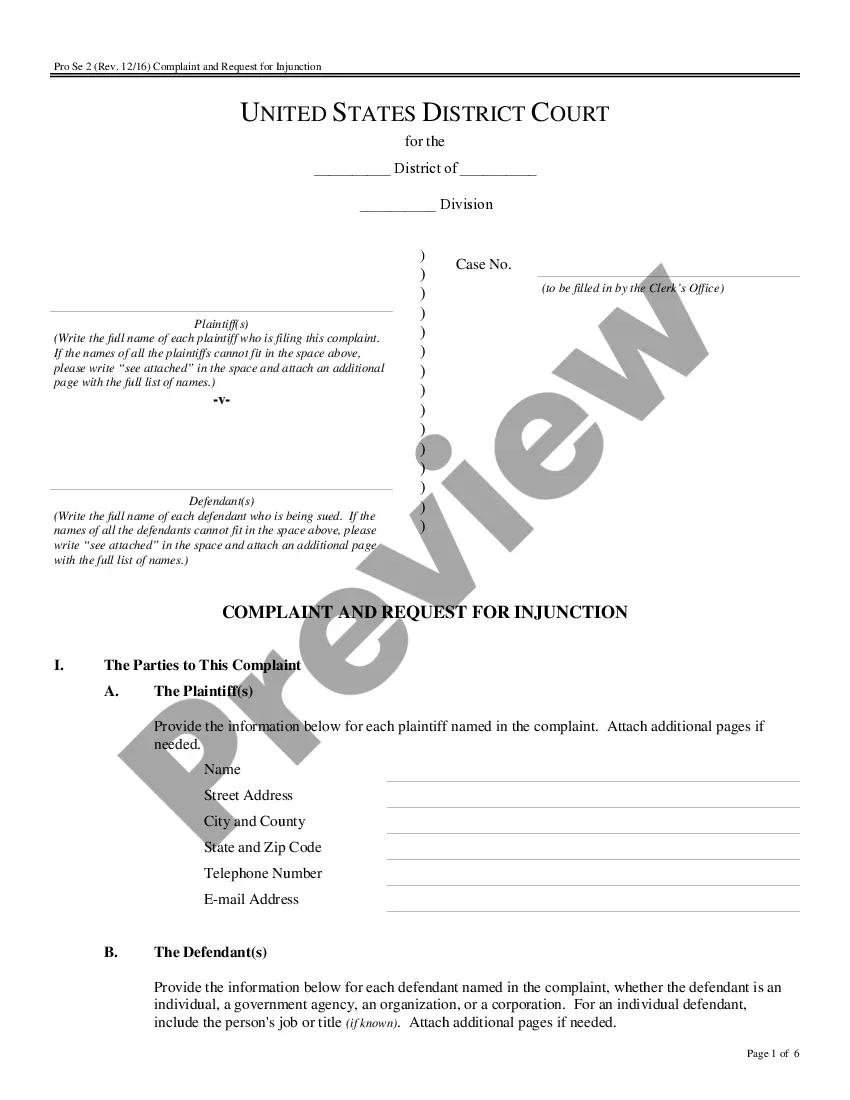


Form popularity
FAQ
Address It Directly: If appropriate, consider confronting the person spreading the slander. Approach them calmly and express how their words have affected you. Sometimes, a direct conversation can resolve misunderstandings. Seek Support: Talk to trusted friends, family, or colleagues about the situation.
A person who wishes to take legal action for defamation must be able to prove that they have suffered, or could suffer, 'serious harm'. If a corporation is suing for defamation, it needs to prove that it has suffered 'serious financial loss' as a result of the publication of the allegedly defamatory matter.
The most common defenses to defamation are: 1) truth; 2) consent; 3) privilege; and 4) the statute of limitations. Perhaps the most distinct aspect of the defamation cause of action is that falsity is required.
In an action for a libel or slander, it is sufficient to state, generally, that the defamatory matter was published or spoken of the plaintiff. If the allegation is denied, the plaintiff must prove the facts, showing that the defamatory matter was published or spoken of him.
To prove prima facie defamation, a plaintiff must show four things: 1) a false statement purporting to be fact; 2) publication or communication of that statement to a third person; 3) fault amounting to at least negligence ; and 4) damages , or some harm caused to the reputation of the person or entity who is the ...
Elements of Defamation The defendant made the defamatory statement to a third party knowing it was false (or they should have known it was false); The defamatory statement was disseminated through a publication or communication; and. The plaintiff's reputation suffered damage or harm.
In Ohio, slander of title is a tort and requires a plaintiff to show “(1) there was a publication of a slanderous statement disparaging plaintiff's title; (2) the statement was false; (3) the statement was made with malice or made with reckless disregard of its falsity; and (4) the statement caused actual or special ...
Ohio Defamation Law: To Win You Need To Prove That… The defendant has either published or broadcast the statement in question. The false statement was about you, the plaintiff. The statement caused harm to the plaintiff's reputation. The published statement was negligently made and merits no privileges.
To win a defamation case, the following elements must be proven: Falsity: The statement made must be false. Publication or Communication: The statement must have been made known to third parties. Malice: The statement must have been made with malice or ill intent.
To prove prima facie defamation, a plaintiff must show four things: 1) a false statement purporting to be fact; 2) publication or communication of that statement to a third person; 3) fault amounting to at least negligence ; and 4) damages , or some harm caused to the reputation of the person or entity who is the ...

