Sample Defamation Letter With A Lawyer In North Carolina
Description

Get your form ready online
Our built-in tools help you complete, sign, share, and store your documents in one place.
Make edits, fill in missing information, and update formatting in US Legal Forms—just like you would in MS Word.
Download a copy, print it, send it by email, or mail it via USPS—whatever works best for your next step.
Sign and collect signatures with our SignNow integration. Send to multiple recipients, set reminders, and more. Go Premium to unlock E-Sign.
If this form requires notarization, complete it online through a secure video call—no need to meet a notary in person or wait for an appointment.
We protect your documents and personal data by following strict security and privacy standards.

Make edits, fill in missing information, and update formatting in US Legal Forms—just like you would in MS Word.

Download a copy, print it, send it by email, or mail it via USPS—whatever works best for your next step.

Sign and collect signatures with our SignNow integration. Send to multiple recipients, set reminders, and more. Go Premium to unlock E-Sign.

If this form requires notarization, complete it online through a secure video call—no need to meet a notary in person or wait for an appointment.

We protect your documents and personal data by following strict security and privacy standards.
Looking for another form?
Form popularity
FAQ
Your letter should ideally state the specific defamatory statement, the reasons why it is untrue, and the damage you're suffering. Also, give the recipient a deadline by which they must retract their statements before you will need to take legal action.
The statement must be untrue and presented as a factual claim rather than an opinion to be defamation. Additionally, there must be evidence that the statement caused or has the potential to cause significant damage to the reputation of the individual or entity targeted.
The plaintiff must allege that: (1) the defendant caused injury to the plaintiff's reputation; (2) the defendant made a false, defamatory statement; (3) the statement was of or concerning the plaintiff; and (4) the statement was published to a third party.
This letter is an opportunity for you to: describe the statement, including why it's false. discuss the harm (financial and otherwise) you've suffered because of the defamatory statement. demand a certain dollar amount to resolve the matter (giving the defamer a chance to settle before you take the matter to court).
A defamatory statement must be an assertion of fact, not an opinion. For example, if your boss says that you are not a very nice person, then that statement is likely to be an opinion. On the other hand, if your boss says you have been stealing from the company, that is a statement of fact, not opinion.
How to Write a Cease and Desist Defamation Letter Identify the false statements: Clearly outline the defamatory remarks and where they were made. Describe the harm: Explain how the statements have affected your reputation or career. Request retraction: Demand the removal of defamatory content or a formal apology.
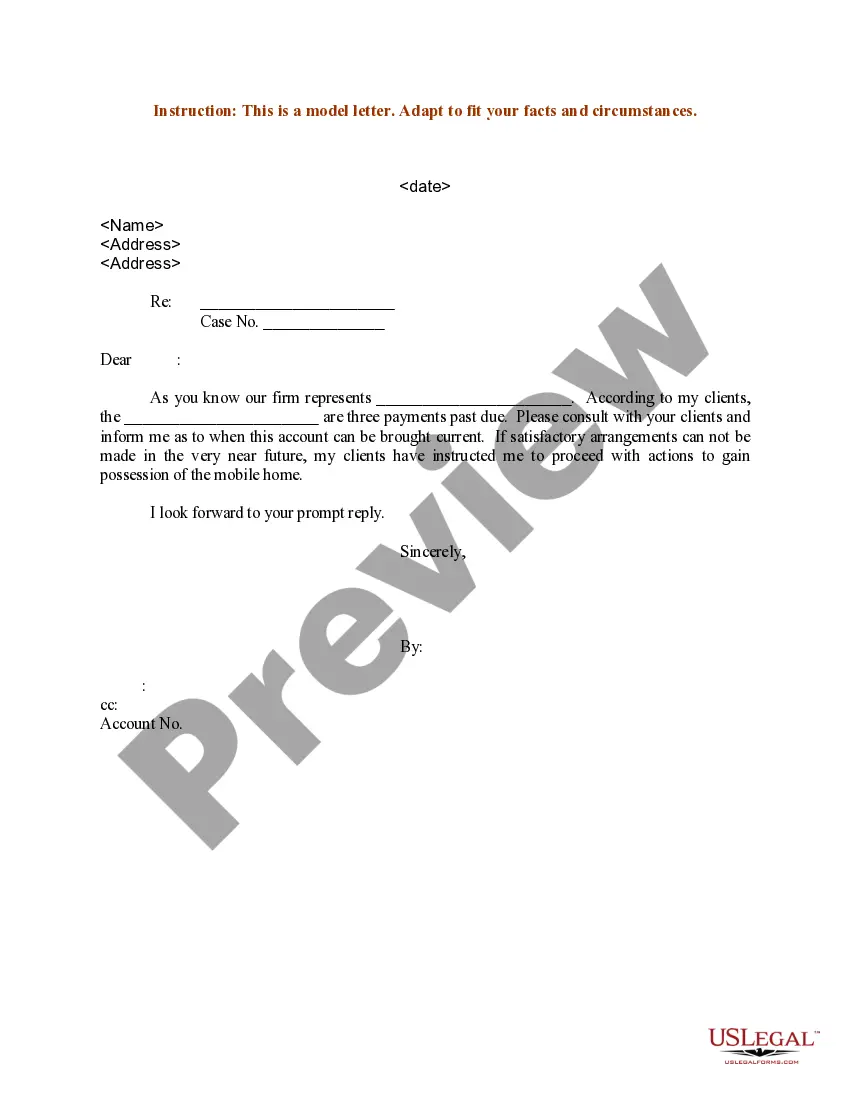
I am writing because you recently made defamatory statements about me my company my company and me. I ask that you immediately retract these statements. On date, you summarize what recipient did that is defamatory.
An effective defamation cease and desist letter will usually begin with a clear and factual introduction of the involved parties. Following this, the letter should present the facts in a chronological order, beginning with the earliest incident and progressing through subsequent events.
To prove prima facie defamation, a plaintiff must show four things: 1) a false statement purporting to be fact; 2) publication or communication of that statement to a third person; 3) fault amounting to at least negligence ; and 4) damages , or some harm caused to the reputation of the person or entity who is the ...
Address It Directly: If appropriate, consider confronting the person spreading the slander. Approach them calmly and express how their words have affected you. Sometimes, a direct conversation can resolve misunderstandings. Seek Support: Talk to trusted friends, family, or colleagues about the situation.
