Cease And Desist Letter For Harassment In Nassau
Description

Get your form ready online
Our built-in tools help you complete, sign, share, and store your documents in one place.
Make edits, fill in missing information, and update formatting in US Legal Forms—just like you would in MS Word.
Download a copy, print it, send it by email, or mail it via USPS—whatever works best for your next step.
Sign and collect signatures with our SignNow integration. Send to multiple recipients, set reminders, and more. Go Premium to unlock E-Sign.
If this form requires notarization, complete it online through a secure video call—no need to meet a notary in person or wait for an appointment.
We protect your documents and personal data by following strict security and privacy standards.

Make edits, fill in missing information, and update formatting in US Legal Forms—just like you would in MS Word.

Download a copy, print it, send it by email, or mail it via USPS—whatever works best for your next step.

Sign and collect signatures with our SignNow integration. Send to multiple recipients, set reminders, and more. Go Premium to unlock E-Sign.

If this form requires notarization, complete it online through a secure video call—no need to meet a notary in person or wait for an appointment.

We protect your documents and personal data by following strict security and privacy standards.
Looking for another form?




Form popularity
FAQ
You could say, ``Quit following me and saying offensive things to provoke me. Your behavior is inappropriate in any setting, but especially in an office.'' If possible, walk away from the harasser after you state your objection to their behavior. Do not allow them to draw you into a discussion about the behavior.
Steps Identify the person harassing you. When you confront your harasser, call them out by name. Tell your harasser that their comments or actions are not welcome. Speak in a loud, clear voice with an even tone. Let your harasser know what you want them to do. Remove yourself from the situation if the person persists.
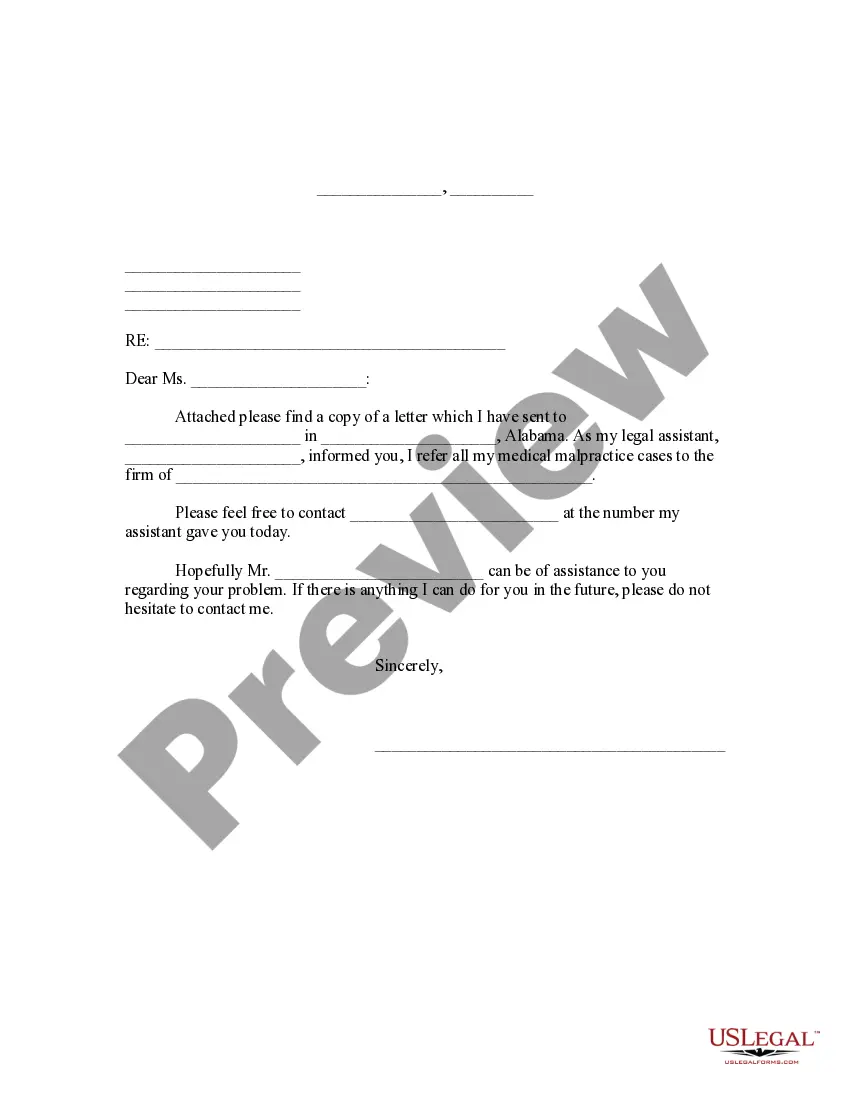
A harassment cease and desist letter is a formal document where you ask someone to stop harassing you right away. In it you explain the actions that you consider harassment, tell the offenders you want them to stop these actions immediately, and state what the consequences will be if they don't.
Grounds for a cease and desist letter that attorneys typically consider legitimate include: Harassment from debt collectors citing the Fair Debt Collection Practices Act. Slander, defamation of character, and libel about you or your business.
Address the recipient: Use their full name and mailing address. Describe the harassment: Specify dates, locations, and details of the behavior. Demand they stop: Clearly state they must cease all harassing actions immediately. Warn of legal action: Explain that continued harassment may result in legal consequences.
Harassment. If someone is harassing you, a cease and desist letter may convince them to stop. However, you are not required to send a cease and desist letter before taking legal action.
This is to inform you that your harassing and intimidating actions against me and my family have become unbearable. Such anti-social behavior is completely unacceptable and will not be tolerated in any way, shape or form. This letter is to demand that your harassment and intimidation must cease and desist immediately.
Importance of Responding to Cease and Desist Letters It's a risk that can result in: Escalation to Litigation: If the issue isn't resolved amicably, the sender may file a lawsuit, leading to costly and time-consuming legal battles.
A cease and desist letter usually alleges some illegal conduct such as defamation, and threatens a lawsuit if you do not cease and desist. If you received such a letter written by an actual attorney, the risk is that if you continue, you might get sued.
A cease and desist letter is a document sent by one party, often a business, to warn another party that they believe the other party is committing an unlawful act, such as copyright infringement, and that they will take legal action if the other party continues the alleged unlawful activity.

