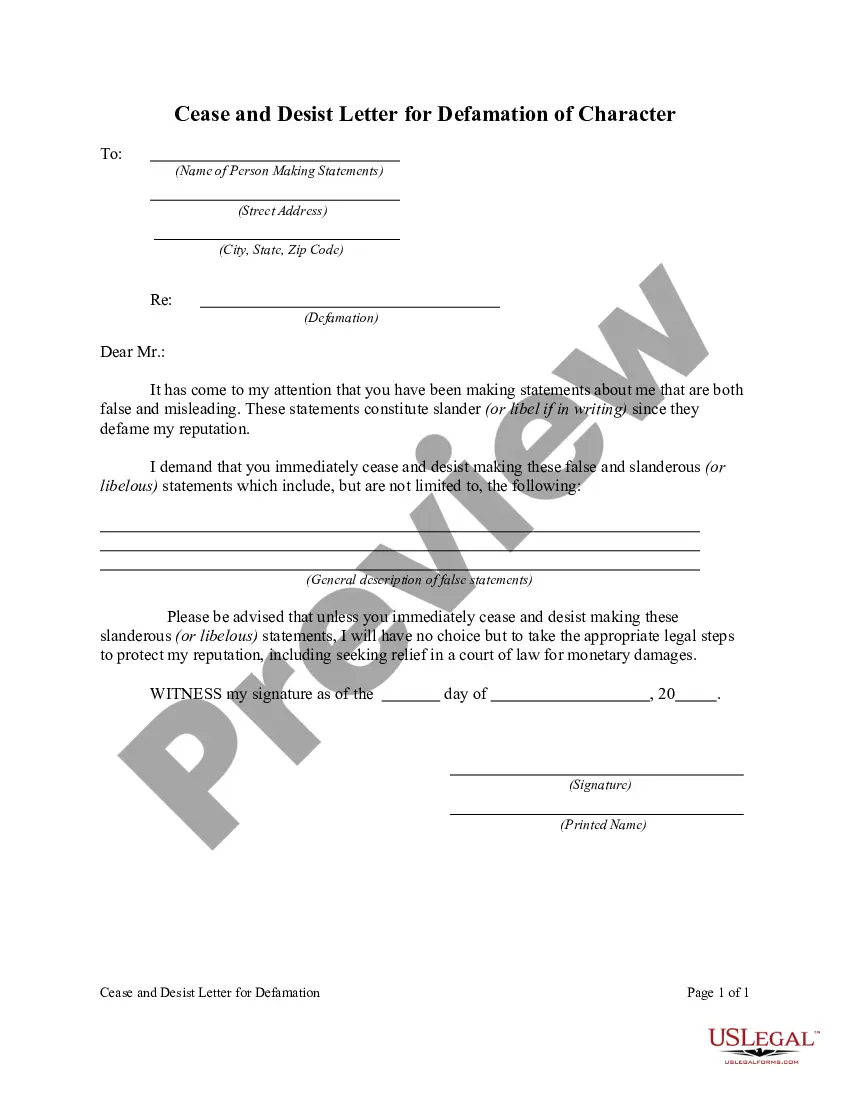
Defamation Of Character Lawsuit Examples In Michigan
Description
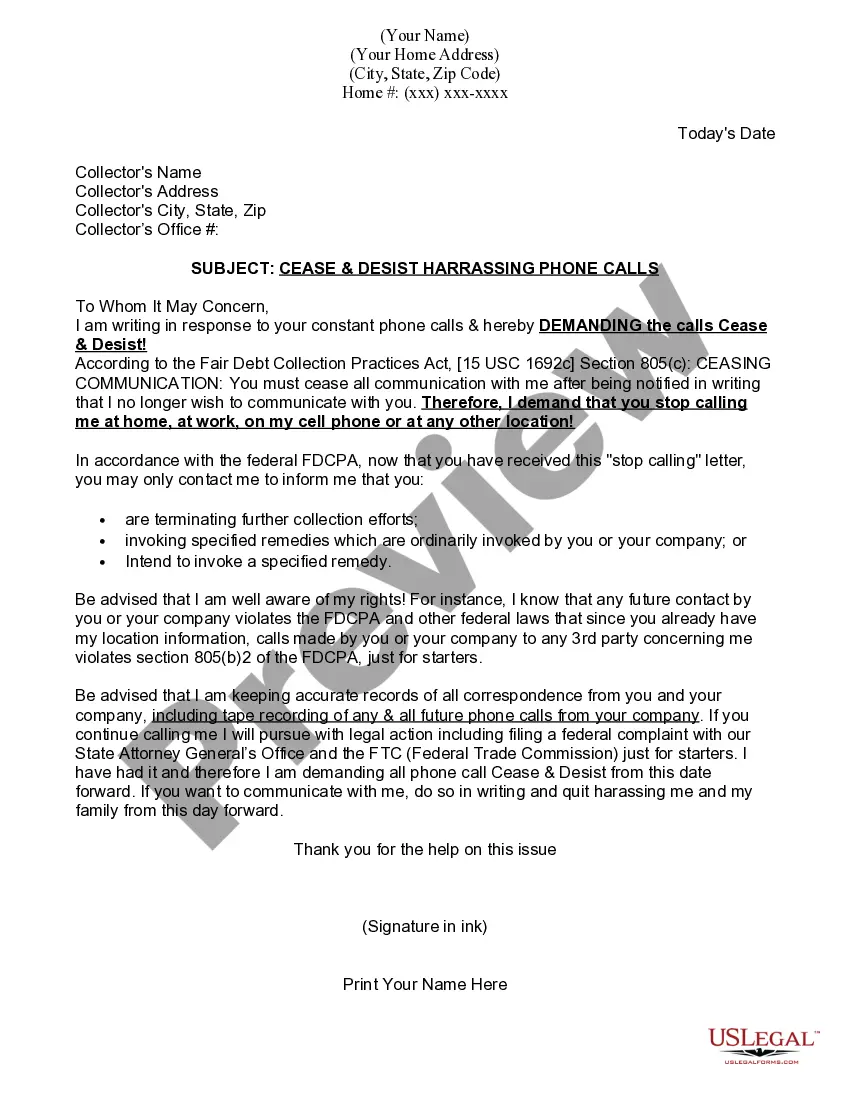
Get your form ready online
Our built-in tools help you complete, sign, share, and store your documents in one place.
Make edits, fill in missing information, and update formatting in US Legal Forms—just like you would in MS Word.
Download a copy, print it, send it by email, or mail it via USPS—whatever works best for your next step.
Sign and collect signatures with our SignNow integration. Send to multiple recipients, set reminders, and more. Go Premium to unlock E-Sign.
If this form requires notarization, complete it online through a secure video call—no need to meet a notary in person or wait for an appointment.
We protect your documents and personal data by following strict security and privacy standards.

Make edits, fill in missing information, and update formatting in US Legal Forms—just like you would in MS Word.

Download a copy, print it, send it by email, or mail it via USPS—whatever works best for your next step.

Sign and collect signatures with our SignNow integration. Send to multiple recipients, set reminders, and more. Go Premium to unlock E-Sign.

If this form requires notarization, complete it online through a secure video call—no need to meet a notary in person or wait for an appointment.

We protect your documents and personal data by following strict security and privacy standards.
Looking for another form?

Form popularity
FAQ
“The elements of a defamation claim are: (1) a false and defamatory statement concerning the plaintiff, (2) an unprivileged communication to a third party, (3) fault amounting at least to negligence on the part of the publisher, and (4) either actionability of the statement irrespective of special harm (defamation per ...
An affirmative defense is a defense claiming that the plaintiff is not entitled to a judgment because other facts exist that create a lawful defense. Affirmative defenses allow you to provide information to the court that is not stated in the plaintiff's complaint.
Truth is an absolute defence to defamation. The defendant must prove that the defamatory statements were, in fact, true. For instance, if the statements concern the quality of goods or services, the defendant could provide independent testing or other evidence supporting the truth of the claims.
The most common defenses to defamation are: 1) truth; 2) consent; 3) privilege; and 4) the statute of limitations. Perhaps the most distinct aspect of the defamation cause of action is that falsity is required.
Truth, or substantial truth, is a complete defense to a claim of defamation.
Michigan courts recognize a number of privileges and defenses in the context of defamation actions, including substantial truth, opinion and fair comment privileges, wire service defense and the fair report privilege.
What is The Statute of Limitations in My State? – State Defamation Law Chart State / DistrictStatute of Limitations Michigan 1 year statute of limitations for defamation action Minnesota 2 year statute of limitations for defamation action Mississippi 1 year statute of limitations for defamation action22 more rows •
—Any person who shall falsely and maliciously, by word, writing, sign, or otherwise accuse, attribute, or impute to another the commission of any crime, felony or misdemeanor, or any infamous or degrading act, or impute or attribute to any female a want of chastity, shall be guilty of a misdemeanor.
“The elements of a defamation claim are: (1) a false and defamatory statement concerning the plaintiff, (2) an unprivileged communication to a third party, (3) fault amounting at least to negligence on the part of the publisher, and (4) either actionability of the statement irrespective of special harm (defamation per ...
Michigan is Per Se State – Only Regarding Chastity In Michigan, a person can only sue for defamation per se if an alleged offending party suggests or implies a person is sexually immoral. Then the aggrieved party can sue for damages without having to prove actual damages.