Sample Cease And Desist Letter For Patent Infringement In Massachusetts
Description

Get your form ready online
Our built-in tools help you complete, sign, share, and store your documents in one place.
Make edits, fill in missing information, and update formatting in US Legal Forms—just like you would in MS Word.
Download a copy, print it, send it by email, or mail it via USPS—whatever works best for your next step.
Sign and collect signatures with our SignNow integration. Send to multiple recipients, set reminders, and more. Go Premium to unlock E-Sign.
If this form requires notarization, complete it online through a secure video call—no need to meet a notary in person or wait for an appointment.
We protect your documents and personal data by following strict security and privacy standards.

Make edits, fill in missing information, and update formatting in US Legal Forms—just like you would in MS Word.

Download a copy, print it, send it by email, or mail it via USPS—whatever works best for your next step.

Sign and collect signatures with our SignNow integration. Send to multiple recipients, set reminders, and more. Go Premium to unlock E-Sign.

If this form requires notarization, complete it online through a secure video call—no need to meet a notary in person or wait for an appointment.

We protect your documents and personal data by following strict security and privacy standards.
Looking for another form?
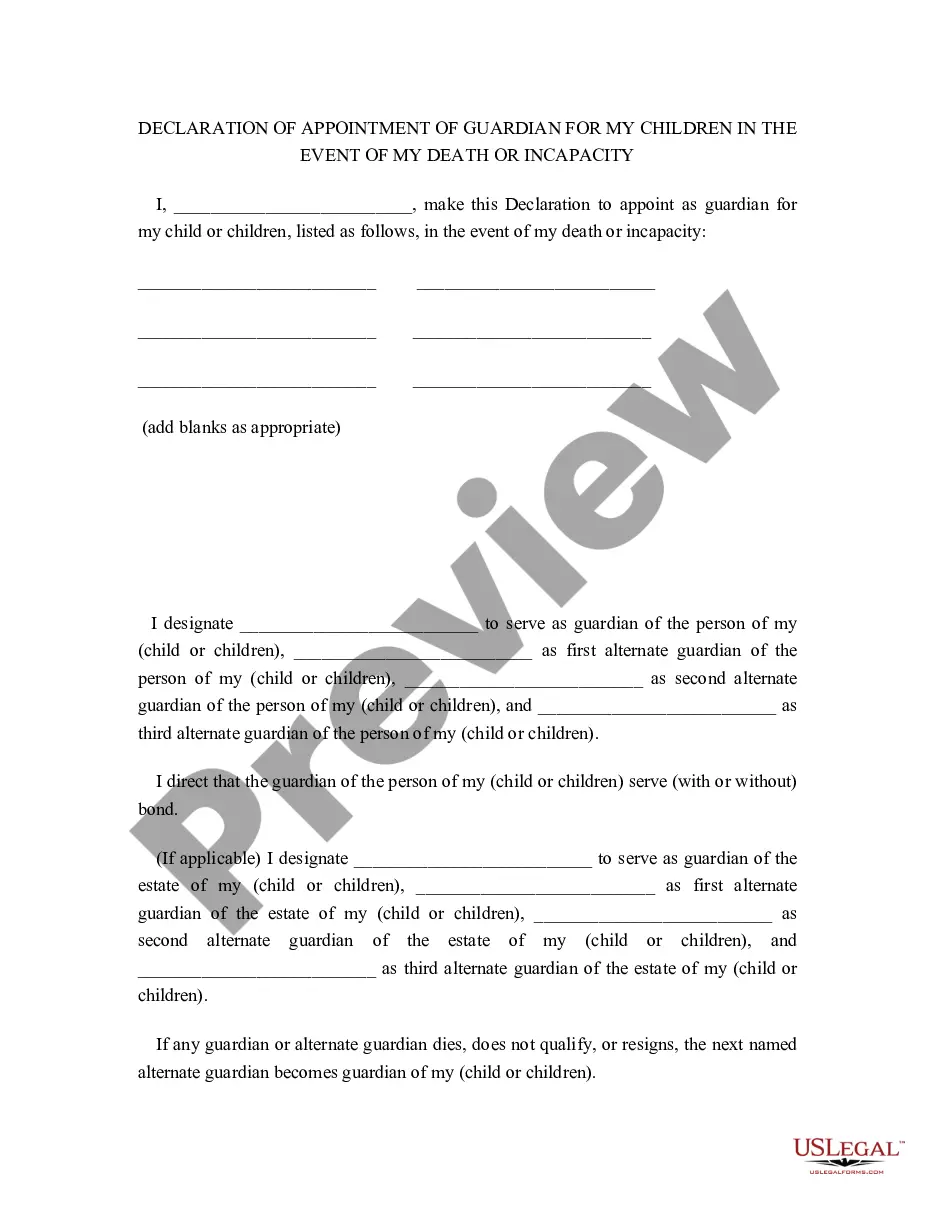
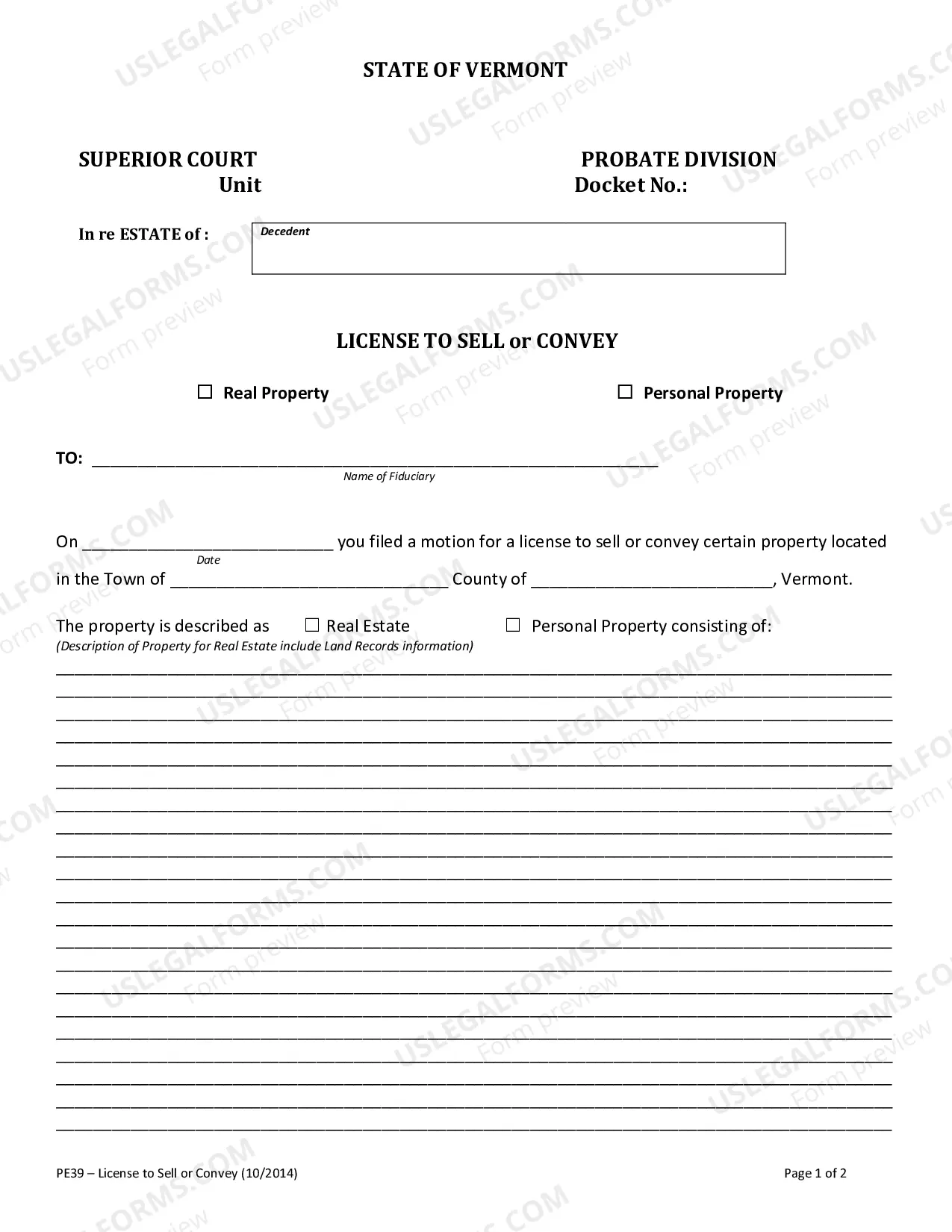
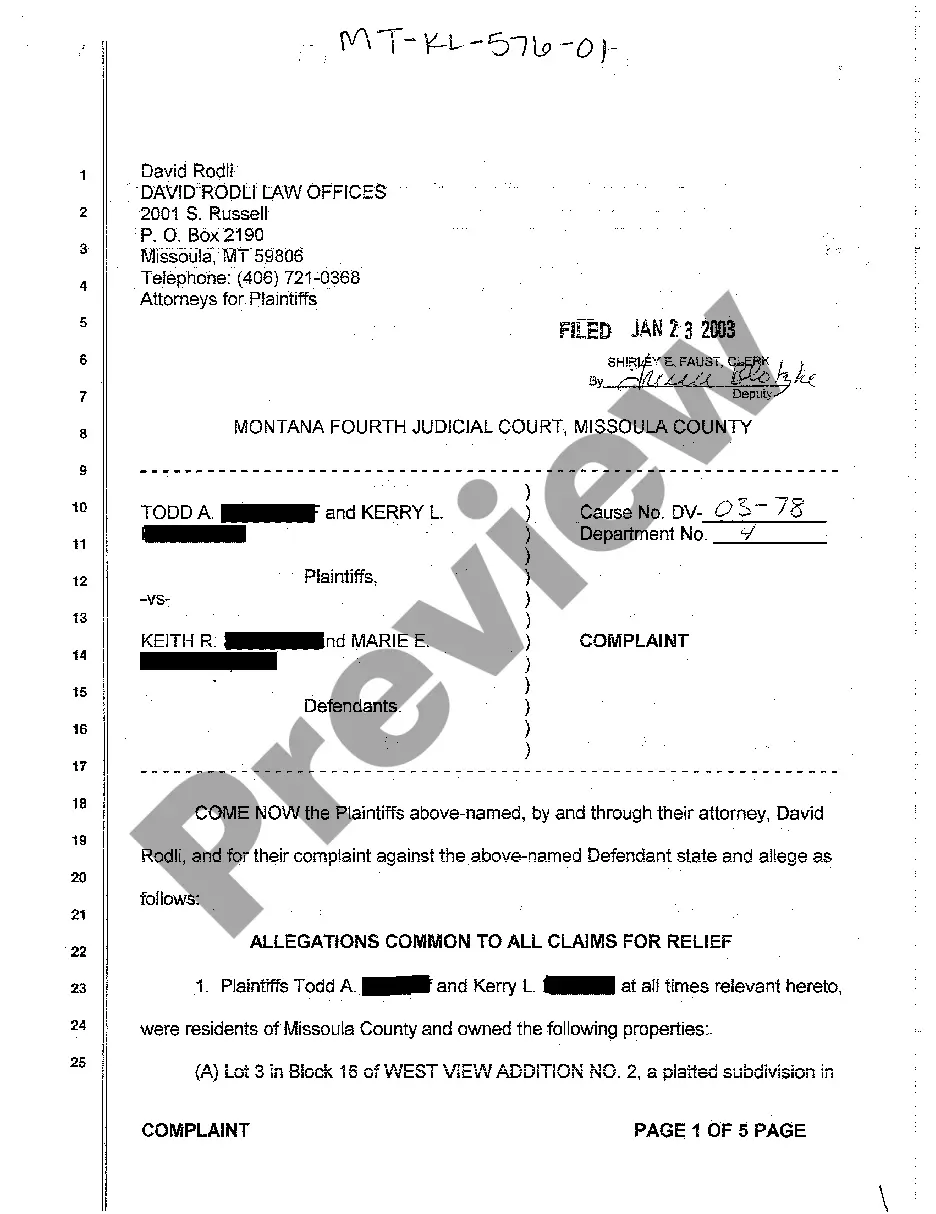

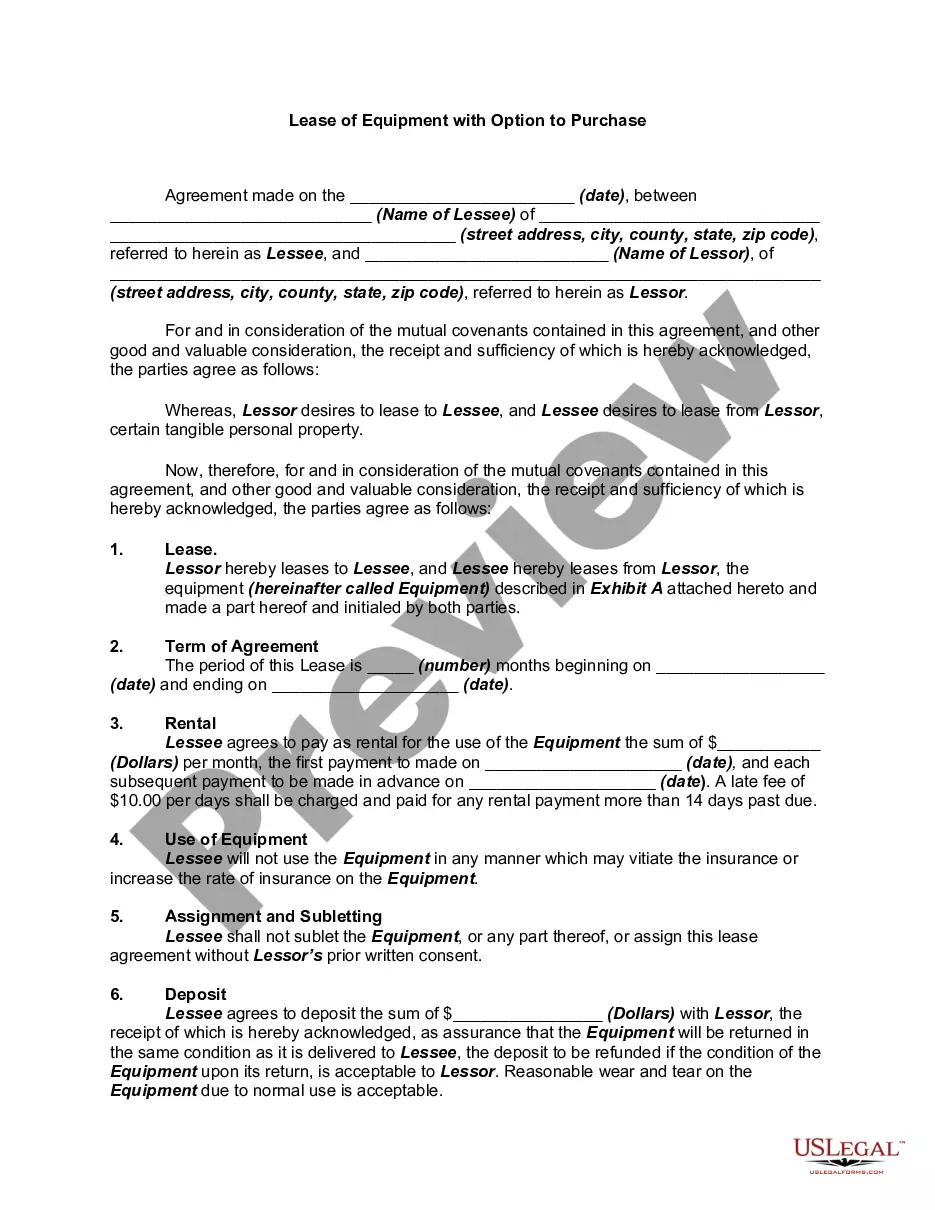

Form popularity
FAQ
Copyright Cease and Desist letters more often than not can lead to a quick and painless resolution of the matter if handled properly. An effective copyright infringement letter contains several parts: It identifies who the copyright holder is. It details who the infringing party is.
In patent disputes, C&D letters are frequently used to advise the recipient that they are infringing the patent rights of the patent holder and demanding the recipient to stop. Sometimes the patent holder may offer the recipient a license to the patent at issue.
Receiving a cease and desist letter is a serious issue. It indicates the sender's intention to pursue you for the alleged wrongdoing if you do not follow their demands. Receiving a cease and desist letter does not necessarily mean you will end up in Court.
There are three types of patent infringement under this statute: direct infringement, induced infringement, and contributory infringement. Induced and contributory infringement are two types of indirect infringement.
C&D letters accuse you of doing something improper or unlawful, and demand that you stop the unlawful conduct. Such letters are often related to infringement of intellectual property, such as copyrights, trademarks, or patents.
What is a cease and desist letter/email? A cease and desist (or demand) letter/email is correspondence that states or suggests that you are potentially infringing the trademark of another and demands that you stop using, or consider stopping use of, the accused mark. You should treat any such letter/email seriously.
I demand that you immediately cease the use and distribution of all infringing works derived from the Work, and all copies, including electronic copies, of same, that you deliver to me, if applicable, all unused, undistributed copies of same, or destroy such copies immediately and that you desist from this or any other ...
If you are writing the letter yourself, you should include the following information: Your name and contact information. Name and contact information of the person or business being asked to stop the behavior. Specifics about the activity you wish them to stop.
Gather evidence of infringement: Take screenshots, URLs, or records proving unauthorized use. Draft a clear, legally structured letter: Include details of infringement, proof of ownership, and a demand for cessation. Use certified mail with return receipt: This provides proof the letter was delivered and received.

