Slander And Libel On Facebook For Business In Maryland
Description

Get your form ready online
Our built-in tools help you complete, sign, share, and store your documents in one place.
Make edits, fill in missing information, and update formatting in US Legal Forms—just like you would in MS Word.
Download a copy, print it, send it by email, or mail it via USPS—whatever works best for your next step.
Sign and collect signatures with our SignNow integration. Send to multiple recipients, set reminders, and more. Go Premium to unlock E-Sign.
If this form requires notarization, complete it online through a secure video call—no need to meet a notary in person or wait for an appointment.
We protect your documents and personal data by following strict security and privacy standards.

Make edits, fill in missing information, and update formatting in US Legal Forms—just like you would in MS Word.

Download a copy, print it, send it by email, or mail it via USPS—whatever works best for your next step.

Sign and collect signatures with our SignNow integration. Send to multiple recipients, set reminders, and more. Go Premium to unlock E-Sign.

If this form requires notarization, complete it online through a secure video call—no need to meet a notary in person or wait for an appointment.

We protect your documents and personal data by following strict security and privacy standards.
Looking for another form?







Form popularity
FAQ
You can complain to Facebook about the defamatory statements, for all the good it might do. Otherwise, if you can prove that the business knows the statements to be false and is making them with malice (Ie the intent to materially damage you), that's libel and you have some legal remedies available to you.
In Maryland, to win a slander or libel lawsuit, public figures must prove the existence of actual malice on the part of the defendant. Private figures, however, only have to prove negligence on the part of the defendant.
To be guilty of slander, the accused must have made these statements orally, such as through making false statements on the radio or TV, making false claims in a Facebook livestream or posted video, or spreading untrue claims about a person at work.
The answer is yes, but you have to meet each of the four legal elements that define defamation of character. Your lawyer also has to present convincing evidence not only that the defendant made defamatory statements on Facebook but also that the statement has damaged your personal and/or professional reputation.
Florida courts recognize a number of privileges and defenses in the context of defamation actions, including substantial truth, the opinion and fair comment privileges, the fair report privilege, and the wire service defense.
In Florida, plaintiffs in defamation cases must generally prove that they suffered actual damages as a result of the defamatory statement. These damages could include loss of business or income, damage to professional reputation, emotional distress, or out-of-pocket expenses incurred to mitigate the damage.
To state a claim for defamation in Florida, a plaintiff must allege that (1) the defendant published or said a false statement; (2) about the plaintiff; (3) to a third party; and (4) the falsity of this statement caused injury to the plaintiff. The resulting injury can be to one's reputation or financial harm.
To prove defamation, a plaintiff generally must show: • A false statement purporting to be fact; • Publication or communication of that statement to a third person; • Fault amounting to at least negligence; and • Damages – that is, some harm caused to the plaintiff's reputation.
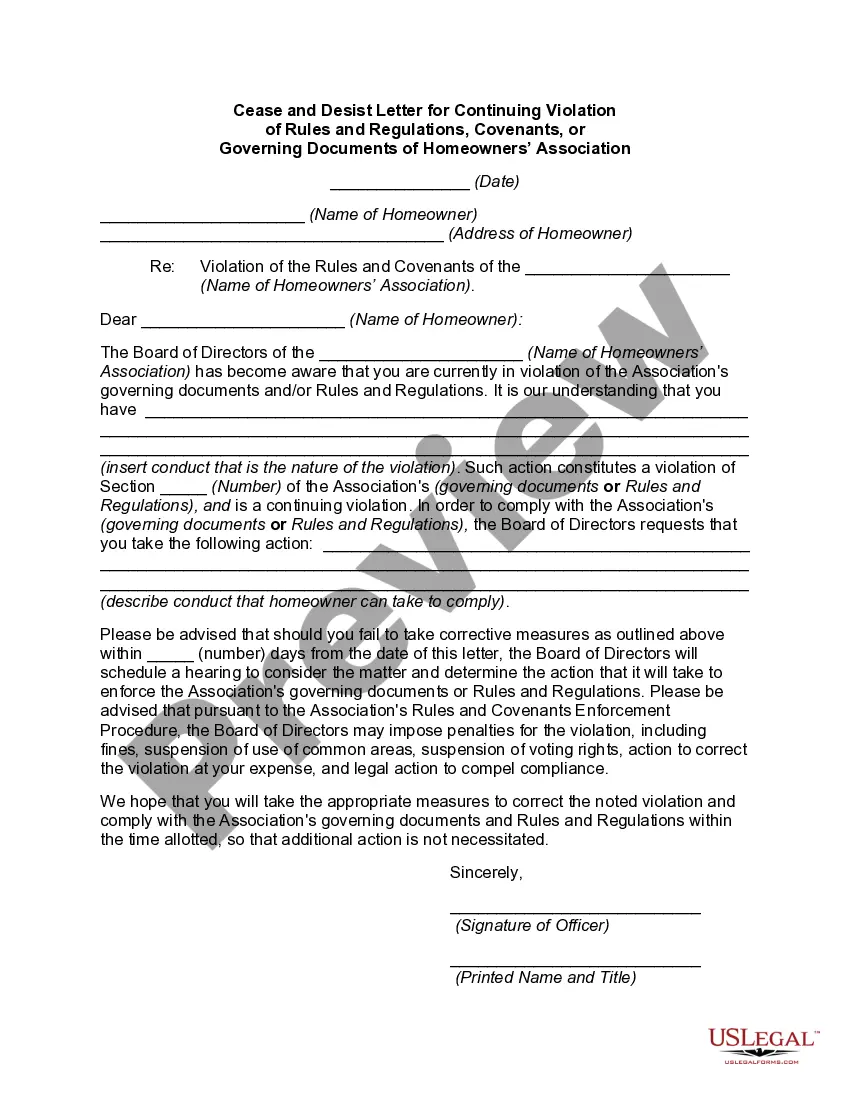
How to fill out the Cease And Desist Defamation Letter Template? Identify and insert the recipient's name in the designated area. Briefly describe the defamation incident in the appropriate section. Clearly state your request for them to cease all defamatory actions. Sign and date the letter at the bottom.

