Sample Cease And Desist Letter To Former Employee In King
Description

Get your form ready online
Our built-in tools help you complete, sign, share, and store your documents in one place.
Make edits, fill in missing information, and update formatting in US Legal Forms—just like you would in MS Word.
Download a copy, print it, send it by email, or mail it via USPS—whatever works best for your next step.
Sign and collect signatures with our SignNow integration. Send to multiple recipients, set reminders, and more. Go Premium to unlock E-Sign.
If this form requires notarization, complete it online through a secure video call—no need to meet a notary in person or wait for an appointment.
We protect your documents and personal data by following strict security and privacy standards.

Make edits, fill in missing information, and update formatting in US Legal Forms—just like you would in MS Word.

Download a copy, print it, send it by email, or mail it via USPS—whatever works best for your next step.

Sign and collect signatures with our SignNow integration. Send to multiple recipients, set reminders, and more. Go Premium to unlock E-Sign.

If this form requires notarization, complete it online through a secure video call—no need to meet a notary in person or wait for an appointment.

We protect your documents and personal data by following strict security and privacy standards.
Looking for another form?
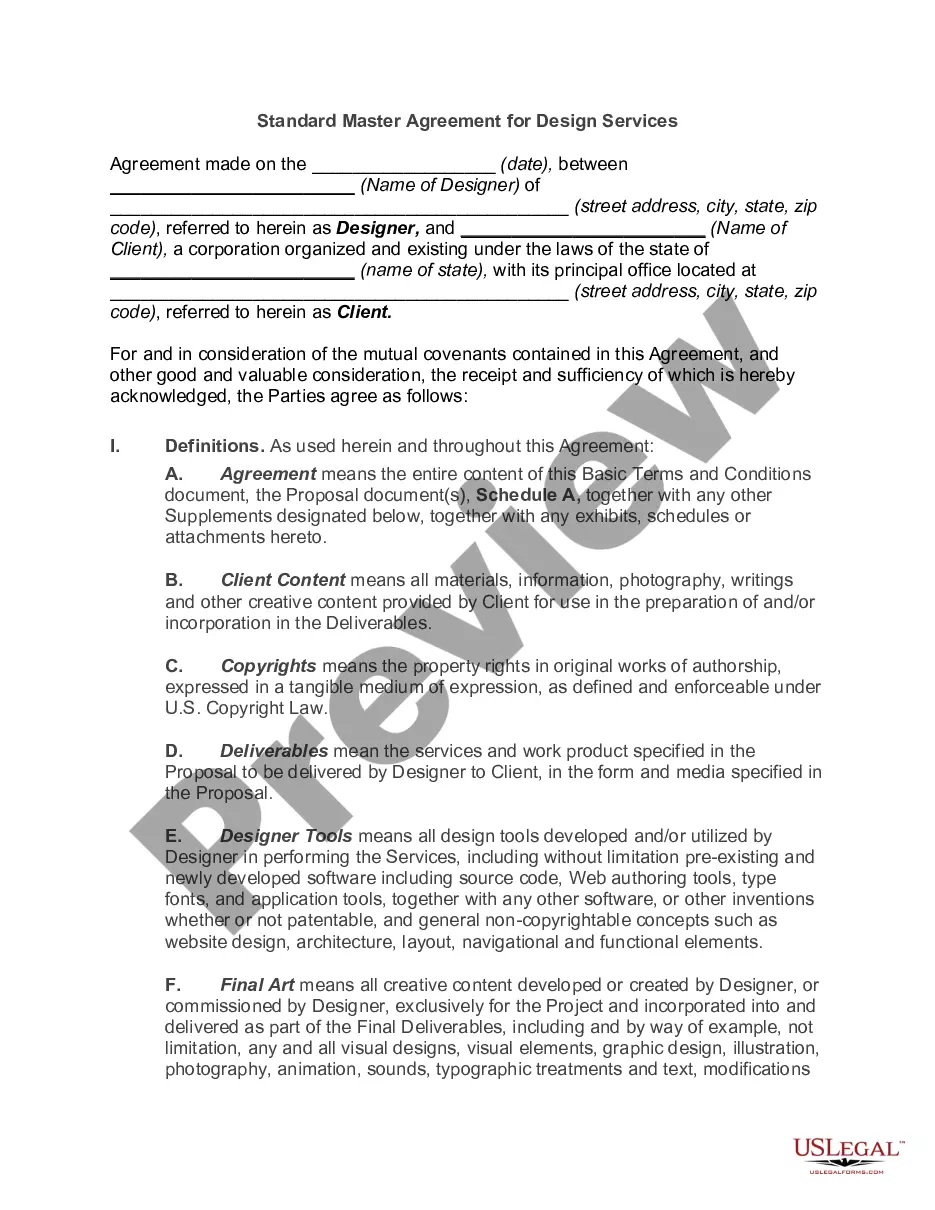

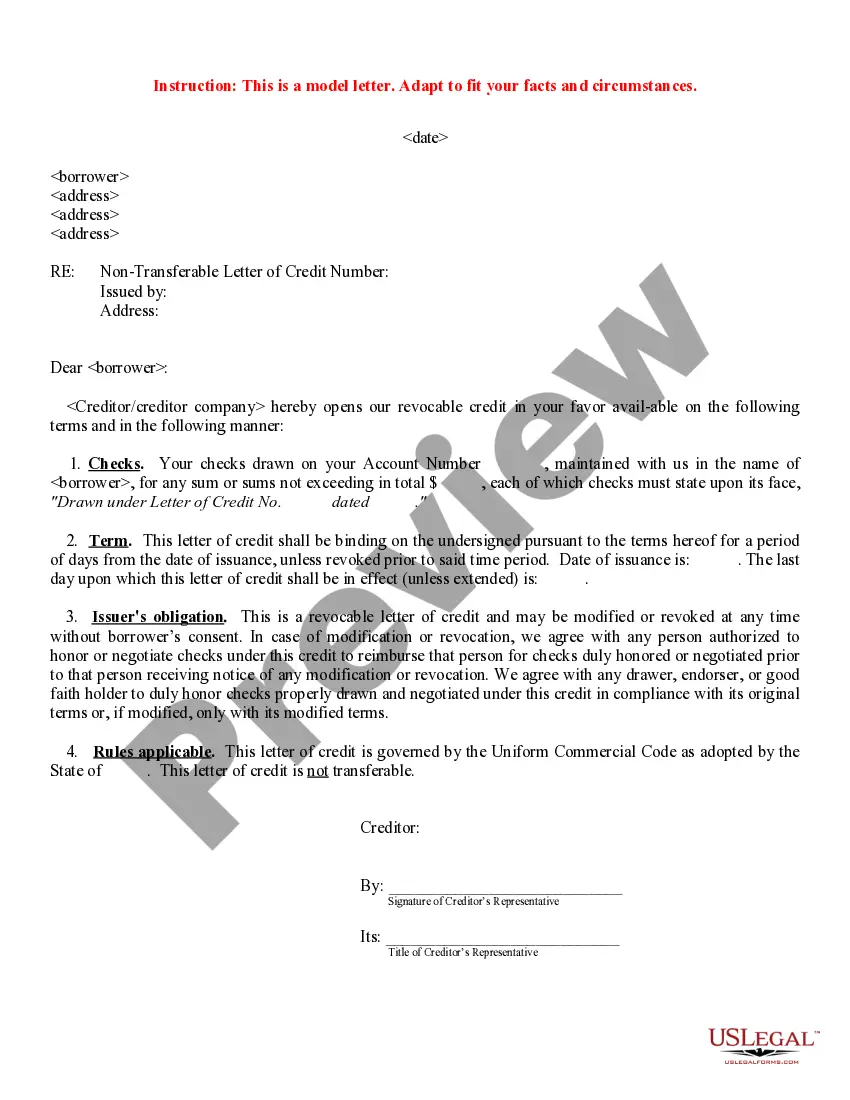
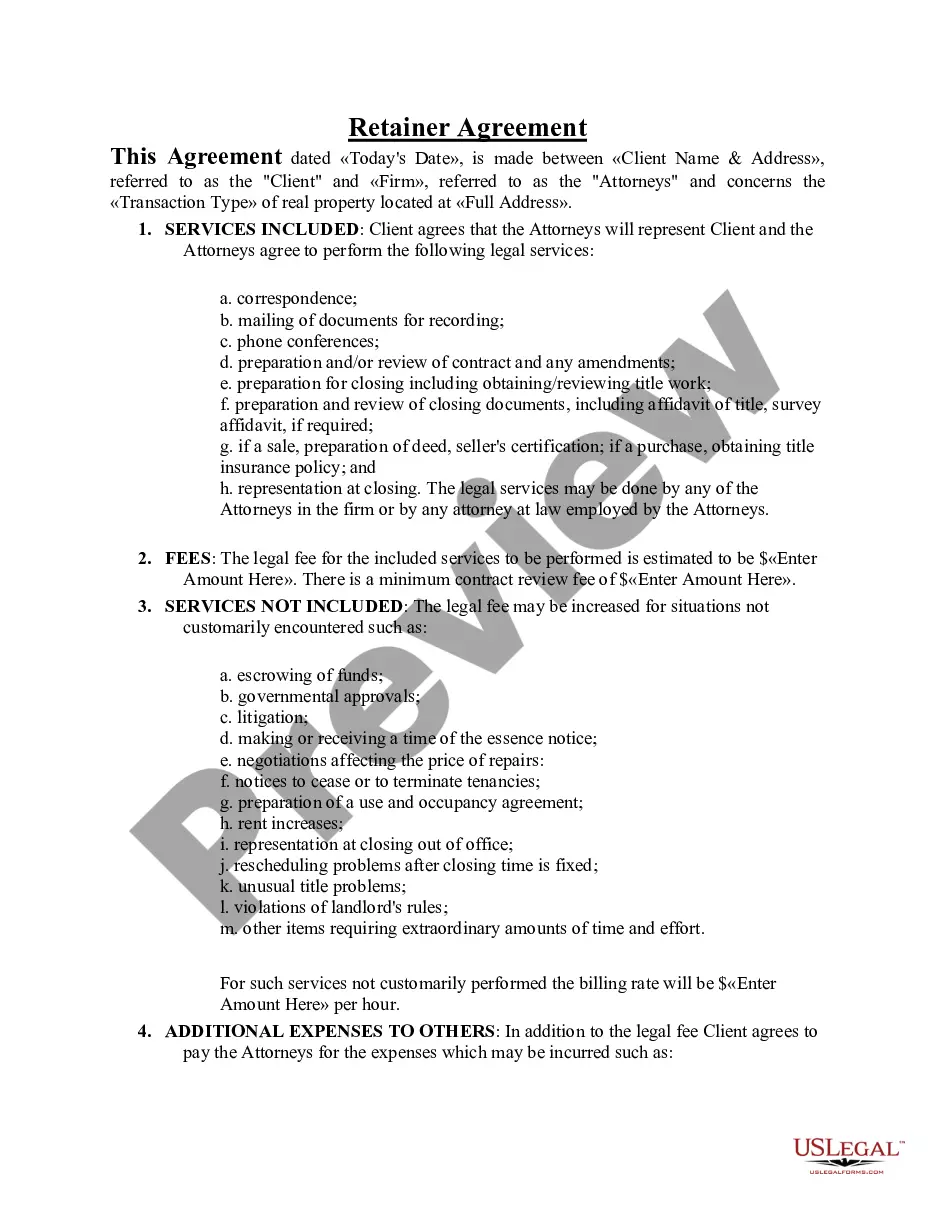


Form popularity
FAQ
A cease and desist letter is a document sent by one party, often a business, to warn another party that they believe the other party is committing an unlawful act, such as copyright infringement, and that they will take legal action if the other party continues the alleged unlawful activity.
This letter notifies or reminds the new employer of the former employee's contractual obligations, puts the new employer on notice of a potential violation, and may serve as evidence in litigation.
How to write a Cease and Desist Letter Clearly identify the parties involved. Include the names and contact details of both the sender (you) and the recipient (the offending party). Specify the offending behaviour. State your demand. Outline potential legal consequences. Include delivery details.
A cease and desist letter is a forceful and formal requests to discontinue an activity with the potential for legal action. It must include key components such as identification of the issue, evidence to support claims, consequences & a legal basis for demands.
A cease and desist letter usually alleges some illegal conduct such as defamation, and threatens a lawsuit if you do not cease and desist. If you received such a letter written by an actual attorney, the risk is that if you continue, you might get sued.
Receiving a cease and desist letter is a serious issue. It indicates the sender's intention to pursue you for the alleged wrongdoing if you do not follow their demands. Receiving a cease and desist letter does not necessarily mean you will end up in Court.
Risks Of Ignoring A Cease And Desist By disregarding the initial warning, recipients expose themselves to potential litigation, as the issuing party may proceed to file a lawsuit. Legal action can result in court orders, financial damages, or penalties, depending on the nature of the violation.
Importance of Responding to Cease and Desist Letters It's a risk that can result in: Escalation to Litigation: If the issue isn't resolved amicably, the sender may file a lawsuit, leading to costly and time-consuming legal battles.
For a cease and desist letter to be legally effective, it must clearly identify the offending behavior, cite relevant laws or contractual terms, and outline potential consequences for non-compliance. Precision in drafting enhances its authority, often prompting resolution without further legal action.

