Sample Cease And Desist Letter For Copyright Infringement In Houston
Description

Get your form ready online
Our built-in tools help you complete, sign, share, and store your documents in one place.
Make edits, fill in missing information, and update formatting in US Legal Forms—just like you would in MS Word.
Download a copy, print it, send it by email, or mail it via USPS—whatever works best for your next step.
Sign and collect signatures with our SignNow integration. Send to multiple recipients, set reminders, and more. Go Premium to unlock E-Sign.
If this form requires notarization, complete it online through a secure video call—no need to meet a notary in person or wait for an appointment.
We protect your documents and personal data by following strict security and privacy standards.

Make edits, fill in missing information, and update formatting in US Legal Forms—just like you would in MS Word.

Download a copy, print it, send it by email, or mail it via USPS—whatever works best for your next step.

Sign and collect signatures with our SignNow integration. Send to multiple recipients, set reminders, and more. Go Premium to unlock E-Sign.

If this form requires notarization, complete it online through a secure video call—no need to meet a notary in person or wait for an appointment.

We protect your documents and personal data by following strict security and privacy standards.
Looking for another form?


Form popularity
FAQ
Using Cease-and-Desist Letters To Stop Copyright or Trademark Infringement. Cease-and-desist letters, often referred to as demand letters, are a valuable tool in defending your intellectual property rights, including copyrights and trademarks.
If you are writing the letter yourself, you should include the following information: Your name and contact information. Name and contact information of the person or business being asked to stop the behavior. Specifics about the activity you wish them to stop.
No specified method of delivery is required for a cease and desist letter. Because it is not a legal document, you can write and send the letter yourself without the help of a legal professional, or you can hire an attorney to write and serve the letter for you.
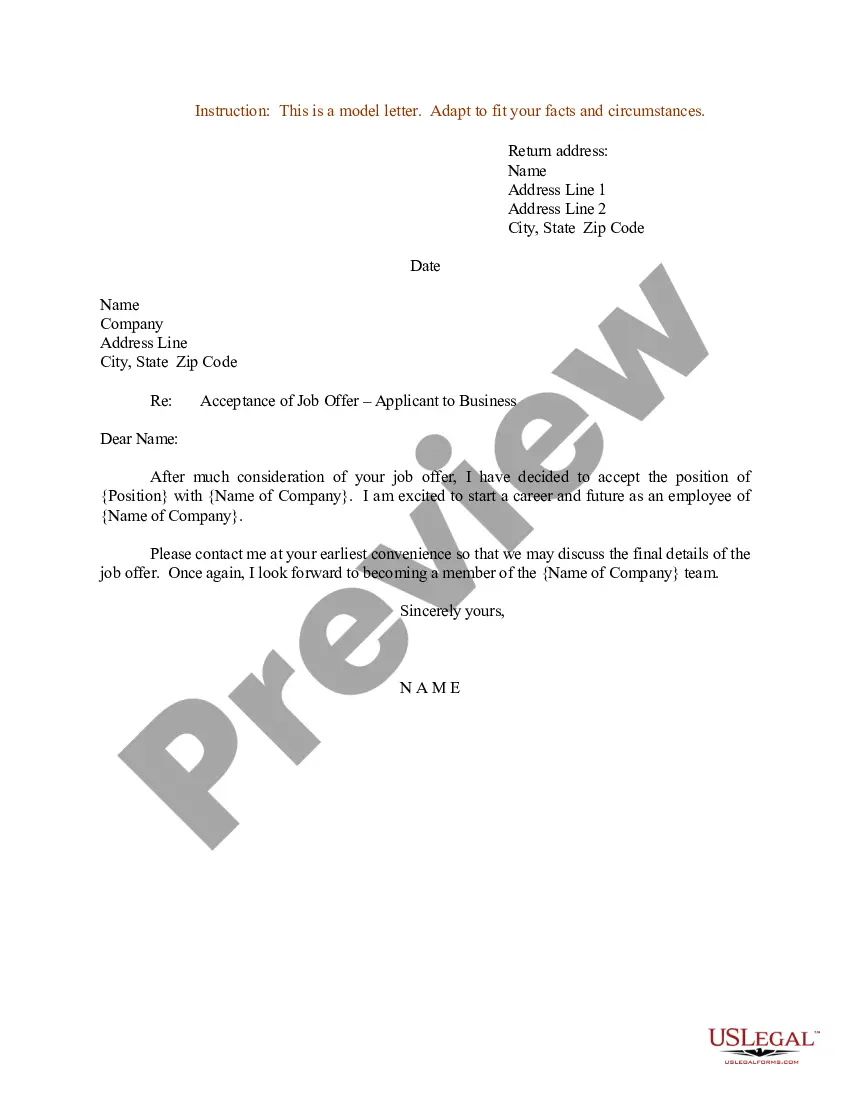
An infringement warning letter should typically include the following information: Identification of the Copyrighted Work. Description of the Infringing Material. Request for Removal. Warning of Potential Legal Consequences. Deadline for Compliance. Contact information. Identification of the copyrighted work:
It has come to our attention that you are distributing or reproducing The Work without permission. give specific details of infringing actions here. These actions constitute an infringement of my|our copyright in the work and must stop.
Gather evidence of infringement: Take screenshots, URLs, or records proving unauthorized use. Draft a clear, legally structured letter: Include details of infringement, proof of ownership, and a demand for cessation. Use certified mail with return receipt: This provides proof the letter was delivered and received.

