Defamation Document With Attorney In Chicago
Description

Get your form ready online
Our built-in tools help you complete, sign, share, and store your documents in one place.
Make edits, fill in missing information, and update formatting in US Legal Forms—just like you would in MS Word.
Download a copy, print it, send it by email, or mail it via USPS—whatever works best for your next step.
Sign and collect signatures with our SignNow integration. Send to multiple recipients, set reminders, and more. Go Premium to unlock E-Sign.
If this form requires notarization, complete it online through a secure video call—no need to meet a notary in person or wait for an appointment.
We protect your documents and personal data by following strict security and privacy standards.
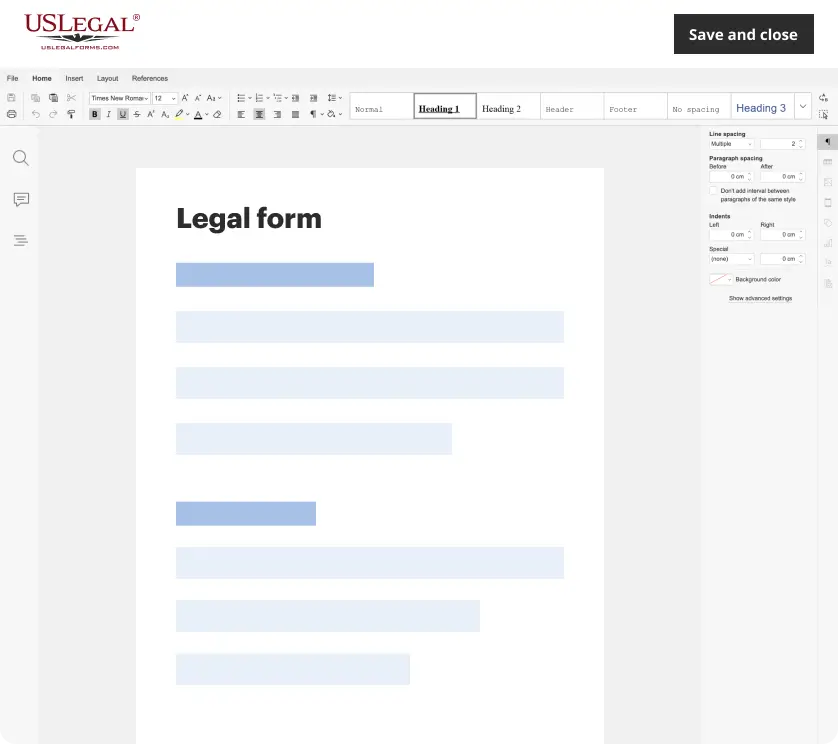
Make edits, fill in missing information, and update formatting in US Legal Forms—just like you would in MS Word.
Download a copy, print it, send it by email, or mail it via USPS—whatever works best for your next step.
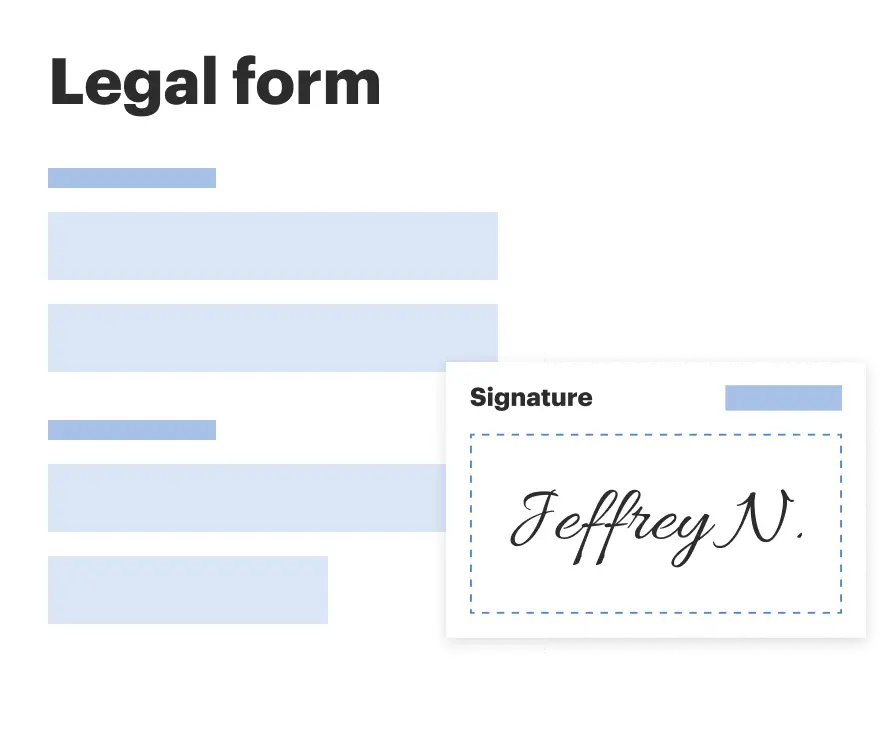
Sign and collect signatures with our SignNow integration. Send to multiple recipients, set reminders, and more. Go Premium to unlock E-Sign.
If this form requires notarization, complete it online through a secure video call—no need to meet a notary in person or wait for an appointment.
We protect your documents and personal data by following strict security and privacy standards.
Looking for another form?








Form popularity
FAQ
What does a defamed person need to prove in court? publication of a statement (verbal and/or written); the defamer must intend to defame a person; there must be harm or injury; and. the publication must violate a person's right to his/her good name, reputation and dignity.
The statute of limitations for defamation in Illinois is one (1) year. 735 ILCS 5/13-201. It states: Defamation – Privacy.
Under Illinois law, to prove a claim for defamation, a person needs evidence to show that: The defendant made a false statement about the plaintiff, The false statement was made to a third party, The defendant was at least negligent in making the false statement, and. The plaintiff was damaged by the false statement.
In Illinois, a defamation claim generally has three elements that the plaintiff the must prove in order to recover: (1) a false statement about the plaintiff; (2) made to a third party (also known as publication); (3) that harms the plaintiff's reputation.
The types of damages available for defamation per se in Illinois generally include presumed damages, as discussed above, and nominal damage. Punitive damages may also be available if the plaintiff can show that the defendant acted with actual malice. Each type of damage is discussed below. Nominal damages.
If you decide to do it alone, your letter should state the specific defamatory statements made, confirm that they are defamatory, indicate the reputational harm caused, demand an apology and retraction of those statements, and demand that they cease making further statements failing which you will sue them.
The Illinois Supreme Court considers five types of statements to be defamatory per se: (1) accusing a person of committing a crime, (2) accusing a person of being infected with a “loathsome communicable disease,” (3) accusing a person of lacking ability or integrity in the performance of job duties, (4) statements that ...
Illinois courts recognize a number of privileges and defenses in the context of defamation actions, including the fair report privilege, substantial truth, and the opinion and fair comment privileges. Illinois has neither recognized nor rejected the wire service defense and the neutral reportage privilege.
I am writing because you recently made defamatory statements about me my company my company and me. I ask that you immediately retract these statements. On date, you summarize what recipient did that is defamatory.

