Money In Due Diligence In Bronx
Description
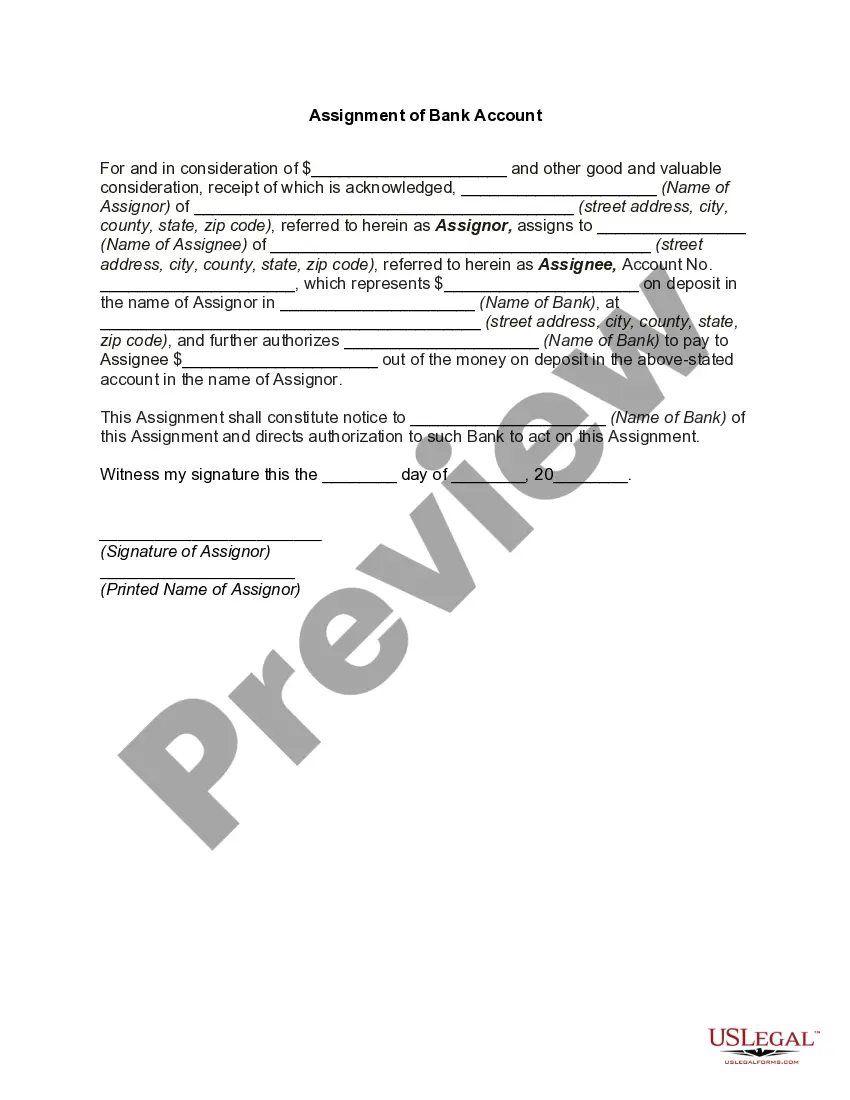
Get your form ready online
Our built-in tools help you complete, sign, share, and store your documents in one place.
Make edits, fill in missing information, and update formatting in US Legal Forms—just like you would in MS Word.
Download a copy, print it, send it by email, or mail it via USPS—whatever works best for your next step.
Sign and collect signatures with our SignNow integration. Send to multiple recipients, set reminders, and more. Go Premium to unlock E-Sign.
If this form requires notarization, complete it online through a secure video call—no need to meet a notary in person or wait for an appointment.
We protect your documents and personal data by following strict security and privacy standards.

Make edits, fill in missing information, and update formatting in US Legal Forms—just like you would in MS Word.

Download a copy, print it, send it by email, or mail it via USPS—whatever works best for your next step.

Sign and collect signatures with our SignNow integration. Send to multiple recipients, set reminders, and more. Go Premium to unlock E-Sign.

If this form requires notarization, complete it online through a secure video call—no need to meet a notary in person or wait for an appointment.

We protect your documents and personal data by following strict security and privacy standards.
Looking for another form?







Form popularity
FAQ
Due diligence reports typically include an executive summary, company overview, purpose of due diligence, financial analysis, legal review, operational assessment, market analysis, regulatory compliance, asset information, growth prospects, recommendations, and appendix.
Job Qualifications for Due Diligence The career path of a financial analyst working in due diligence usually begins with a few years of experience in the financial sector. Data analysis and accounting are some of the most common areas that future analysts embark on before entering financial due diligence.
“So, as a point of view, I think you start with the basic four P's of due diligence—people, philosophy, process, and performance.
Timeline and Costs for the Due Diligence Process A typical due diligence process typically takes between 4 and 20 weeks, with an imperfectly positive correlation between due diligence time and transaction size. In terms of costs, the best way to reduce costs is to invest in a virtual data room.
Conducting proper due diligence is a critical step in the New York City real estate buying process. It comes as the final step before the signing of the contract of sale and typically lasts 5-7 business days. Your buyer's agent has advised you on the type of property, layout, and even some basic flaws.
In New York, the due diligence must be completed before the contract is signed on most if not all residential transactions. Unlike many other states which gives the purchaser a right of rescission after a certain period of time after the contract is signed to conduct due diligence, New York does not.
Due diligence by individual investors is voluntary. However, broker-dealers are legally obligated to conduct due diligence on a security before selling it.
Hart Island, located in the Bronx, is the only location the City currently uses to bury the bodies of the unclaimed or unidentified. Most individuals buried on Hart Island (approximately 62 percent in 2018) have a next of kin who opted for a public burial.
Frequently Asked Questions About Unclaimed Funds How Long Does New York State Hold Unclaimed Funds? There is no time limit for claiming unclaimed funds in New York. The state holds these funds in trust indefinitely until they are claimed by the rightful owner or heirs.
