Assignment Due Form For Funeral Home In Bronx
Description
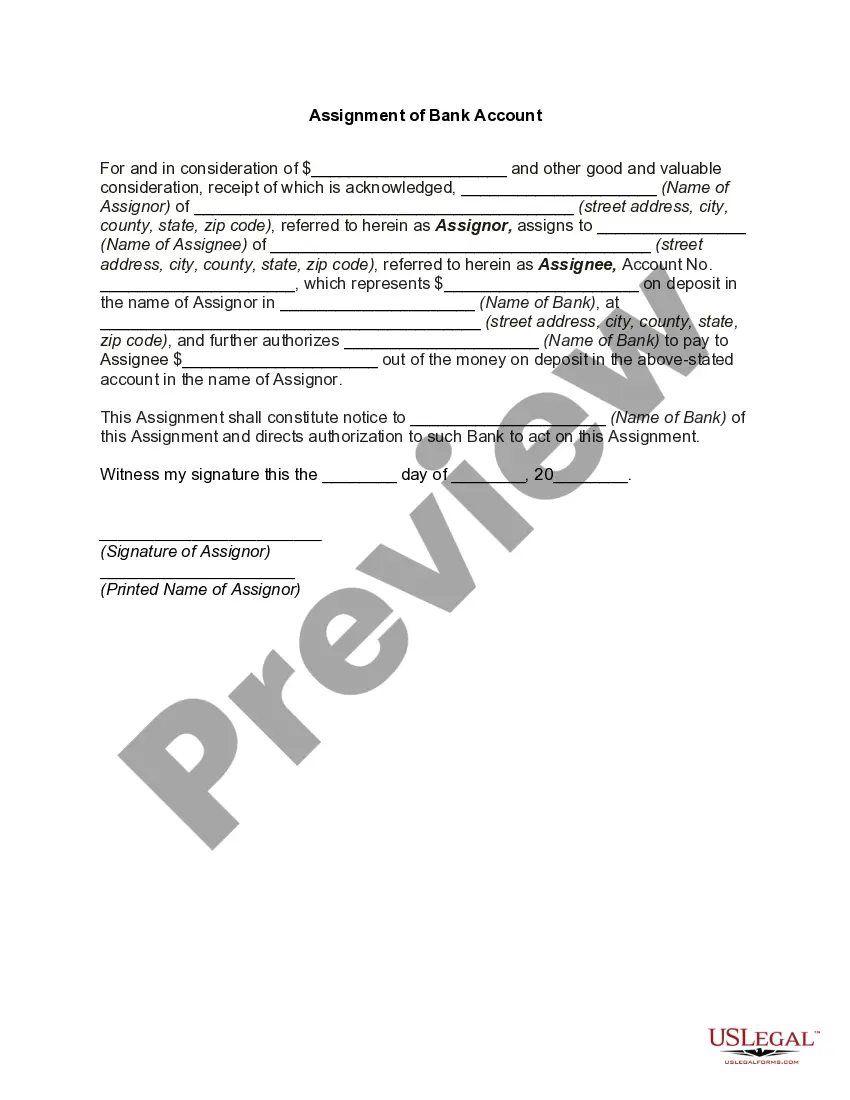
Get your form ready online
Our built-in tools help you complete, sign, share, and store your documents in one place.
Make edits, fill in missing information, and update formatting in US Legal Forms—just like you would in MS Word.
Download a copy, print it, send it by email, or mail it via USPS—whatever works best for your next step.
Sign and collect signatures with our SignNow integration. Send to multiple recipients, set reminders, and more. Go Premium to unlock E-Sign.
If this form requires notarization, complete it online through a secure video call—no need to meet a notary in person or wait for an appointment.
We protect your documents and personal data by following strict security and privacy standards.

Make edits, fill in missing information, and update formatting in US Legal Forms—just like you would in MS Word.

Download a copy, print it, send it by email, or mail it via USPS—whatever works best for your next step.

Sign and collect signatures with our SignNow integration. Send to multiple recipients, set reminders, and more. Go Premium to unlock E-Sign.

If this form requires notarization, complete it online through a secure video call—no need to meet a notary in person or wait for an appointment.

We protect your documents and personal data by following strict security and privacy standards.
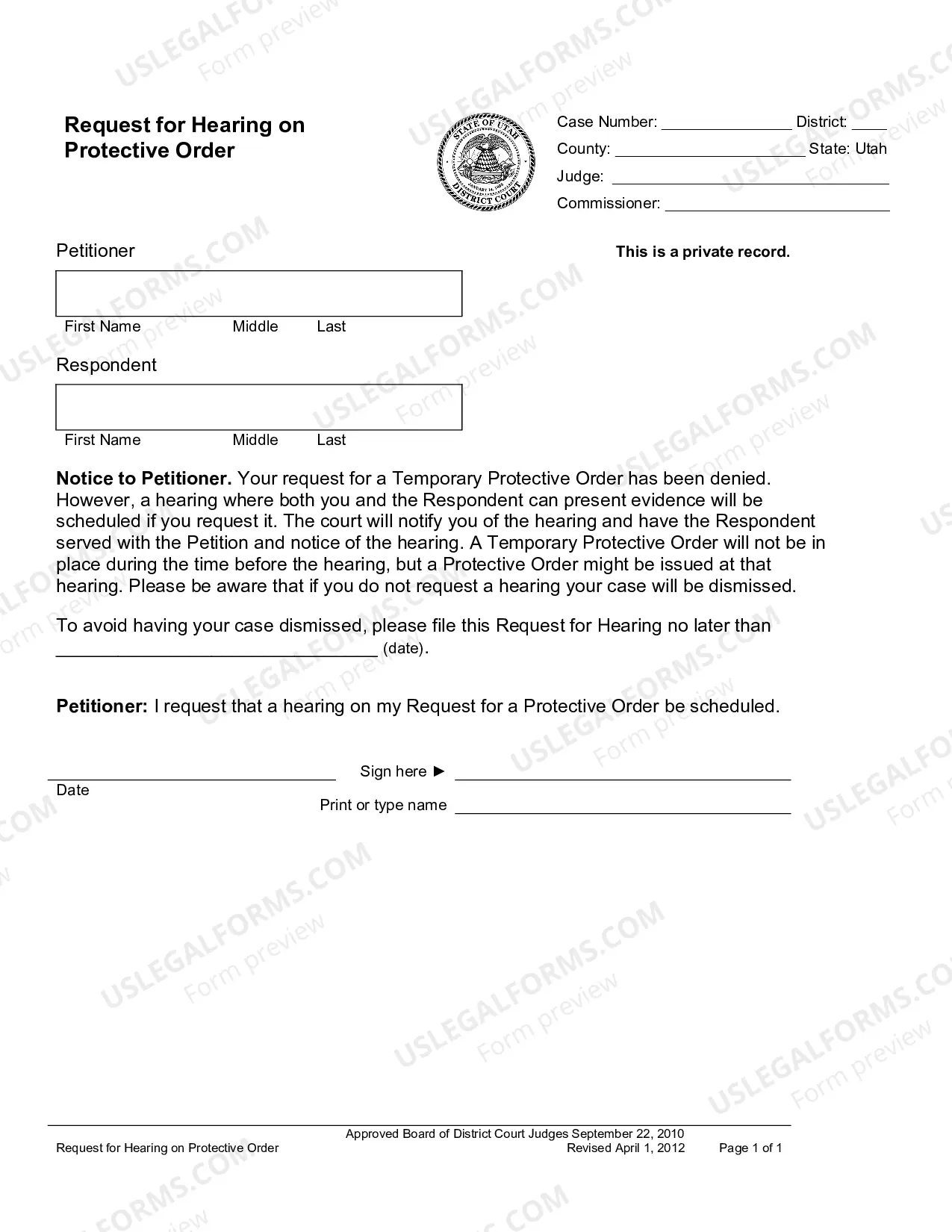
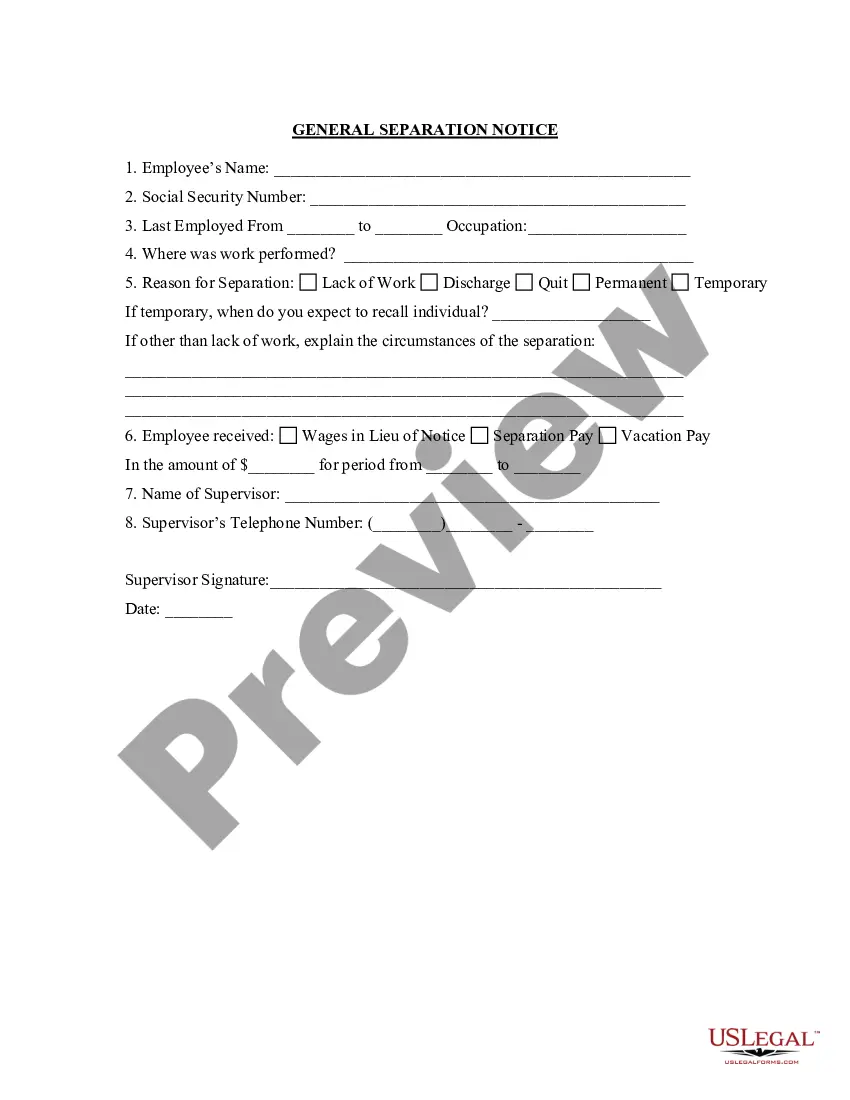
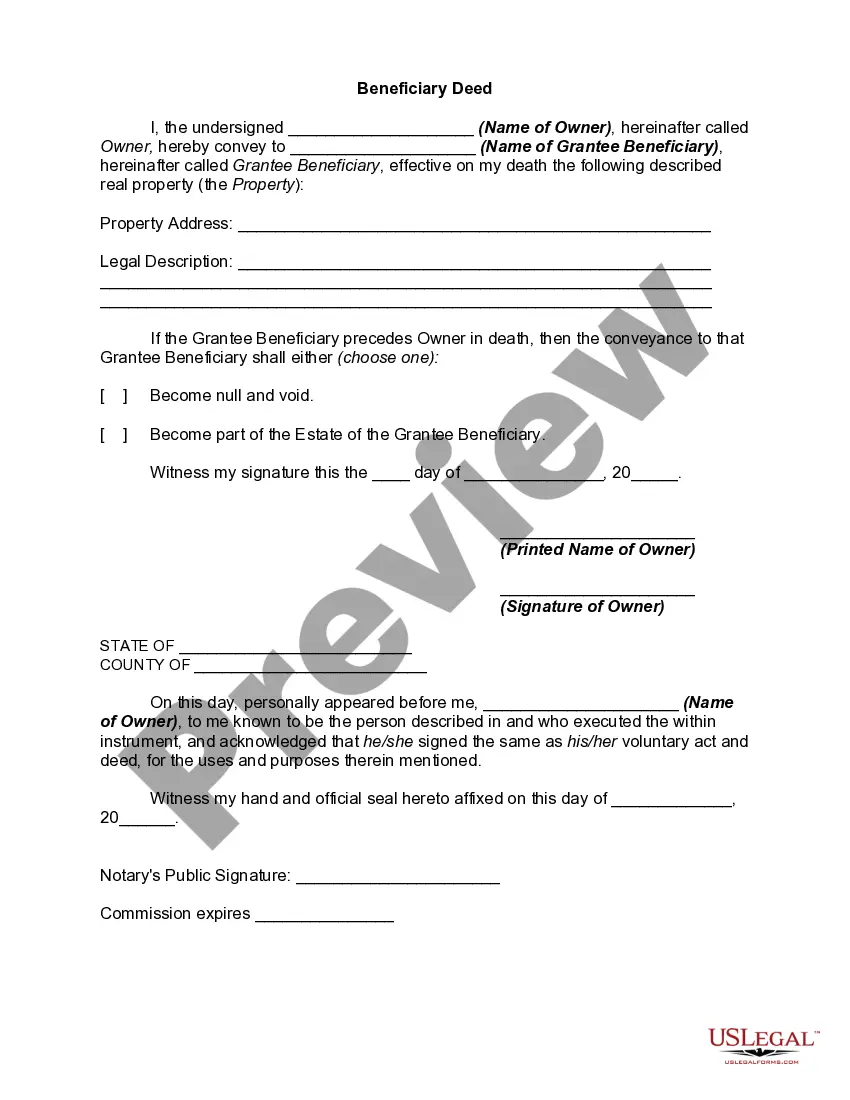
Looking for another form?




Form popularity
FAQ
Among the funeral documents needed are various basic and fundamental papers like the birth and death certificates of your loved one, their social security card and the cremation or burial forms. You may also need the cremation deed, the military discharge documents and the insurance details, if applicable.
When a consumer wishes to assign an insurance policy to a funeral home to fund a preneed funeral contract, it is necessary to file an assignment form with the insurance company to transfer ownership of the policy.
First, the family or next of kin must authorize the body to be cremated. The crematorium operator prepares the body and removes any jewelry, medical devices (i.e. pacemakers), prostheses, and implants.
Obtain legal pronouncement of death from an attending doctor/hospice nurse or call 911. Choose a funeral home. Arrange transportation of the body to the funeral home (or coroner if an autopsy is required). Arrange embalming and preparation of the body if desired.
Funeral directors must register their license with the New York State Department of Health on a biennial basis to work lawfully as a funeral director in New York State. All registrations expire on June 30 of even years.
In the quickest examples, where plans have already been put in place, a funeral service can be held within 48 hours of the person's passing. But, where no plans have been agreed, if there are scheduling difficulties or if a coroner is required to report, it can take a month and sometimes longer, to organise a funeral.
The responsibility to make your funeral decisions goes to the following people, in order: a person you appoint in a written document that meets the requirements of New York law. your spouse or domestic partner. any of your adult children.

