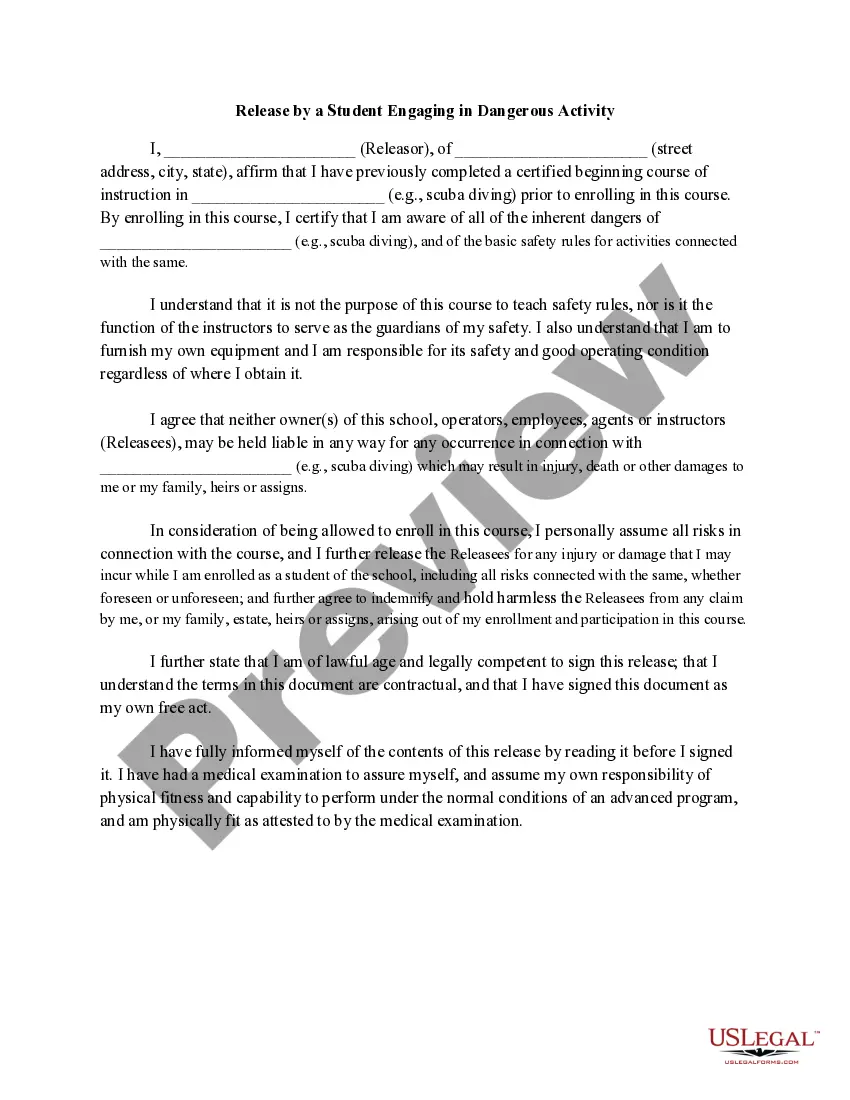
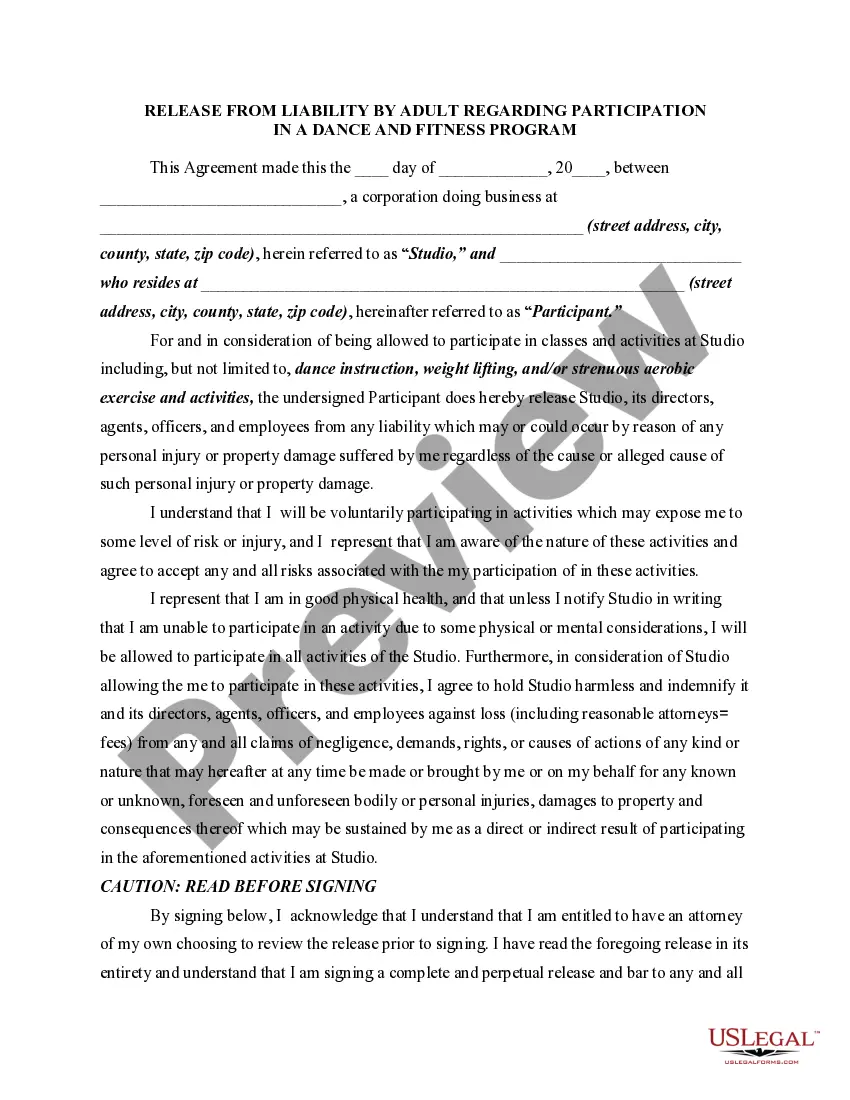
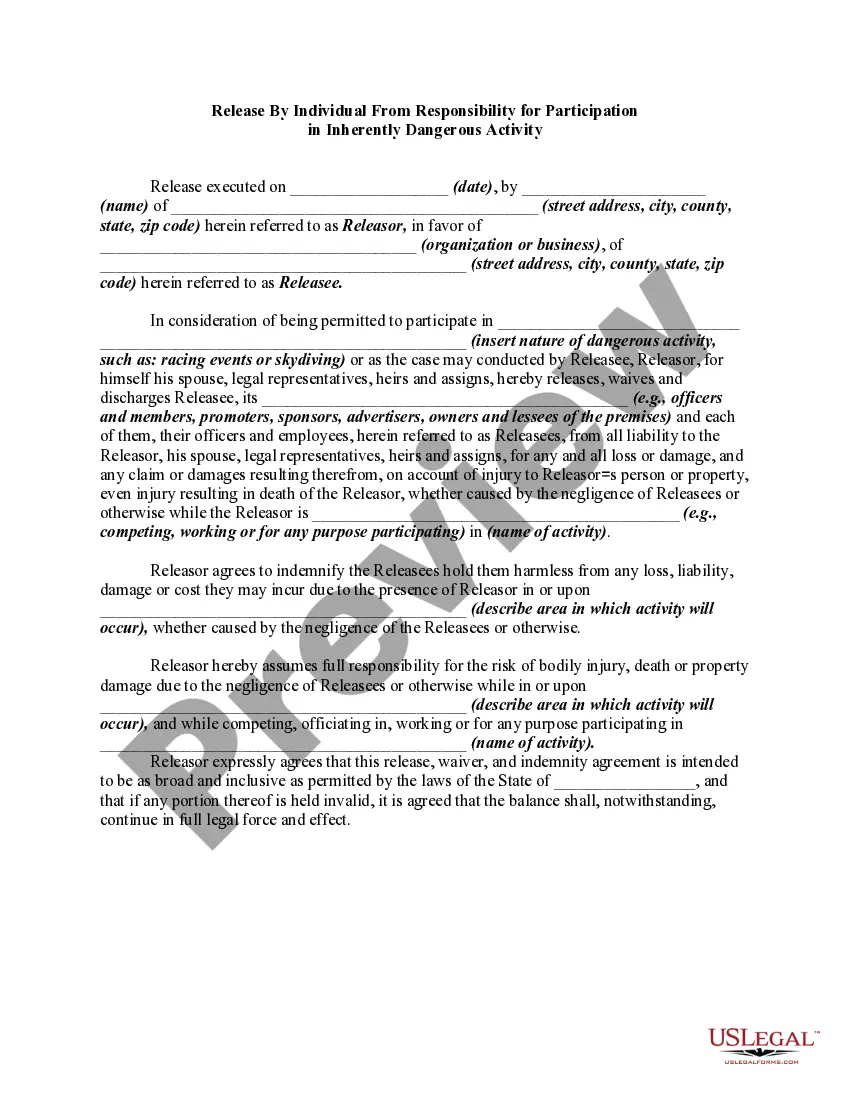
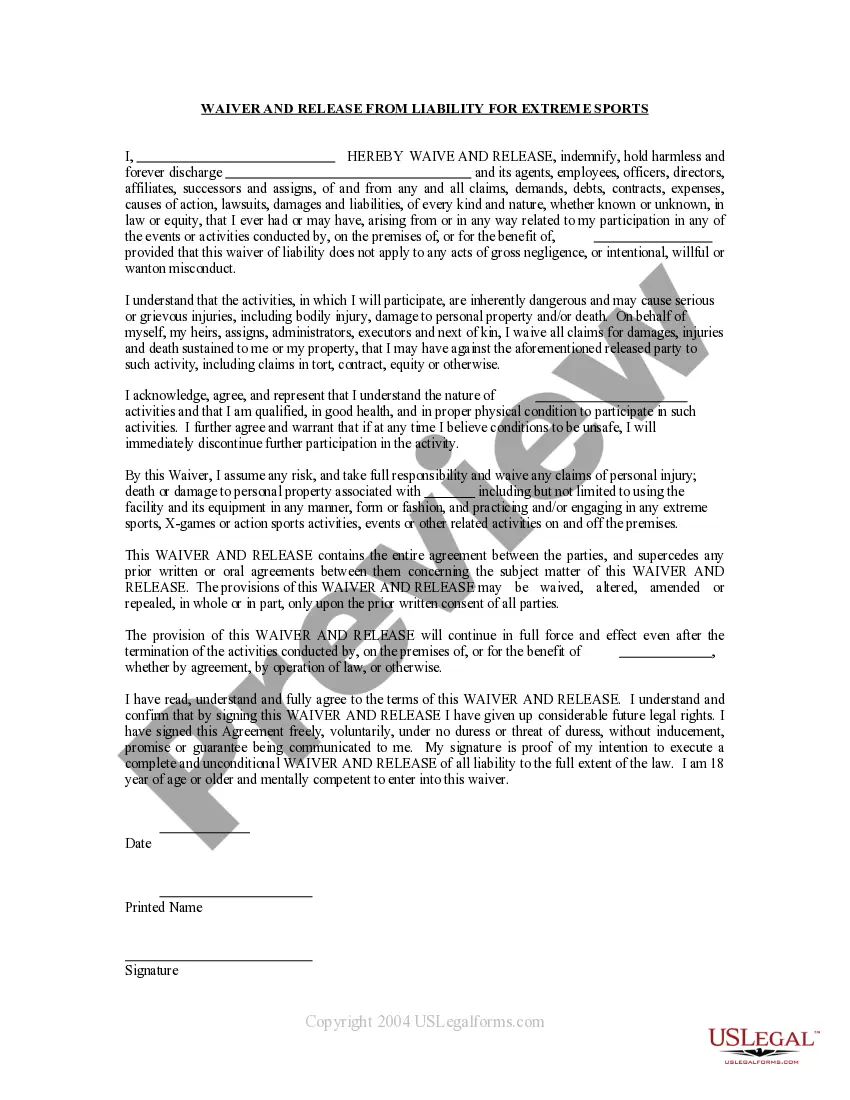
High Risk Activity Form Air Force In Texas
Description

Get your form ready online
Our built-in tools help you complete, sign, share, and store your documents in one place.
Make edits, fill in missing information, and update formatting in US Legal Forms—just like you would in MS Word.
Download a copy, print it, send it by email, or mail it via USPS—whatever works best for your next step.
Sign and collect signatures with our SignNow integration. Send to multiple recipients, set reminders, and more. Go Premium to unlock E-Sign.
If this form requires notarization, complete it online through a secure video call—no need to meet a notary in person or wait for an appointment.
We protect your documents and personal data by following strict security and privacy standards.

Make edits, fill in missing information, and update formatting in US Legal Forms—just like you would in MS Word.

Download a copy, print it, send it by email, or mail it via USPS—whatever works best for your next step.

Sign and collect signatures with our SignNow integration. Send to multiple recipients, set reminders, and more. Go Premium to unlock E-Sign.

If this form requires notarization, complete it online through a secure video call—no need to meet a notary in person or wait for an appointment.

We protect your documents and personal data by following strict security and privacy standards.
Looking for another form?








Form popularity
FAQ
High risk construction work includes: work that involves a risk of a person falling more than two metres. work on a telecommunication tower. demolition of an element of a structure that is load-bearing or otherwise related to the physical integrity of the structure.
Indoor exercise — like going to the gym or swimming in an indoor pool– are relatively high-risk activities.
Physical and Mental Screening If you are coming from an Air Force component, you will need to obtain an AF Form 422, Notification of Air Force Member's Qualification Status, with a mandatory eligibility statement to assess your physical and mental standards.
An AF Form 55 is a United States Air Force form is used for documenting the completion of initial and recurring safety training. The for serves as an employee safety and and health record, to be kept in the workplace and update the training as necessary.
Supervisors must discuss the requirement for personnel who plan on engaging in high- risk activities such as flying civil aircraft, hang gliding, sky diving, parasailing, white-water rafting, motorcycle and auto-racing, scuba diving, bungee jumping, ATV's, helicopter flying, dirt biking, hot air ballooning, hunting, ...
High risk activities are activities that have higher stakes or consequences for an individual or group. Whatever happens during the activity may affect the group's dynamic and development after the activity is over.
High risk activities are activities that have higher stakes or consequences for an individual or group. Whatever happens during the activity may affect the group's dynamic and development after the activity is over.
Risk Assessment ATV OperationsVolleyballUltimate Frisbee/Speedball Heli & Cat Skiing Football Hang Gliding and Paragliding Triathalons Motorcycle Racing Spearfishing Skydiving Scuba Diving/Snorkeling Rock Climbing3 more rows
High risk work includes: scaffolding work (as defined in the regulations) dogging and rigging work. operating certain types of cranes and hoists.
1. Build a fire. Play with knives. Whether your child carries a pocketknife camping or helps cut veggies in the kitchen, he'll get a jump start on learning positive risk taking skills. Take something apart. Make a new friend. Climb a tree. Cross the street. Stay home alone. Volunteer.
