High Risk Activity Form Afi In Pima
Description
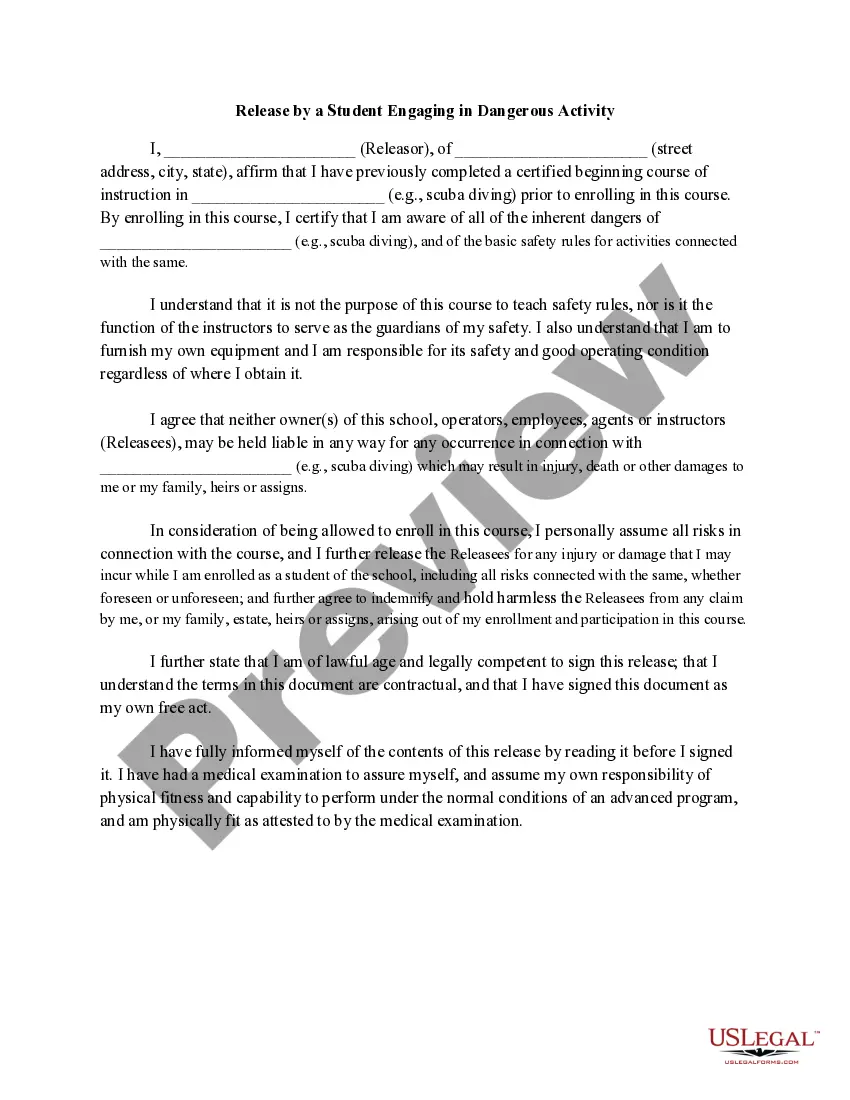

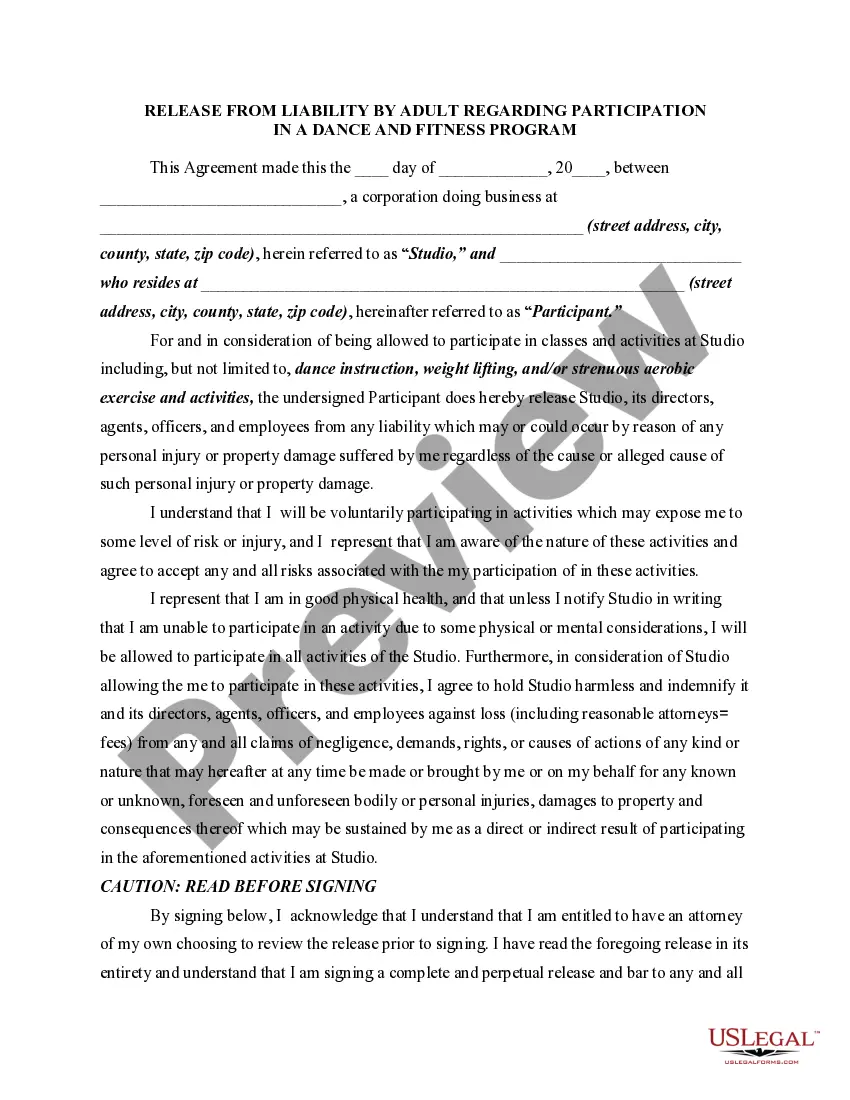
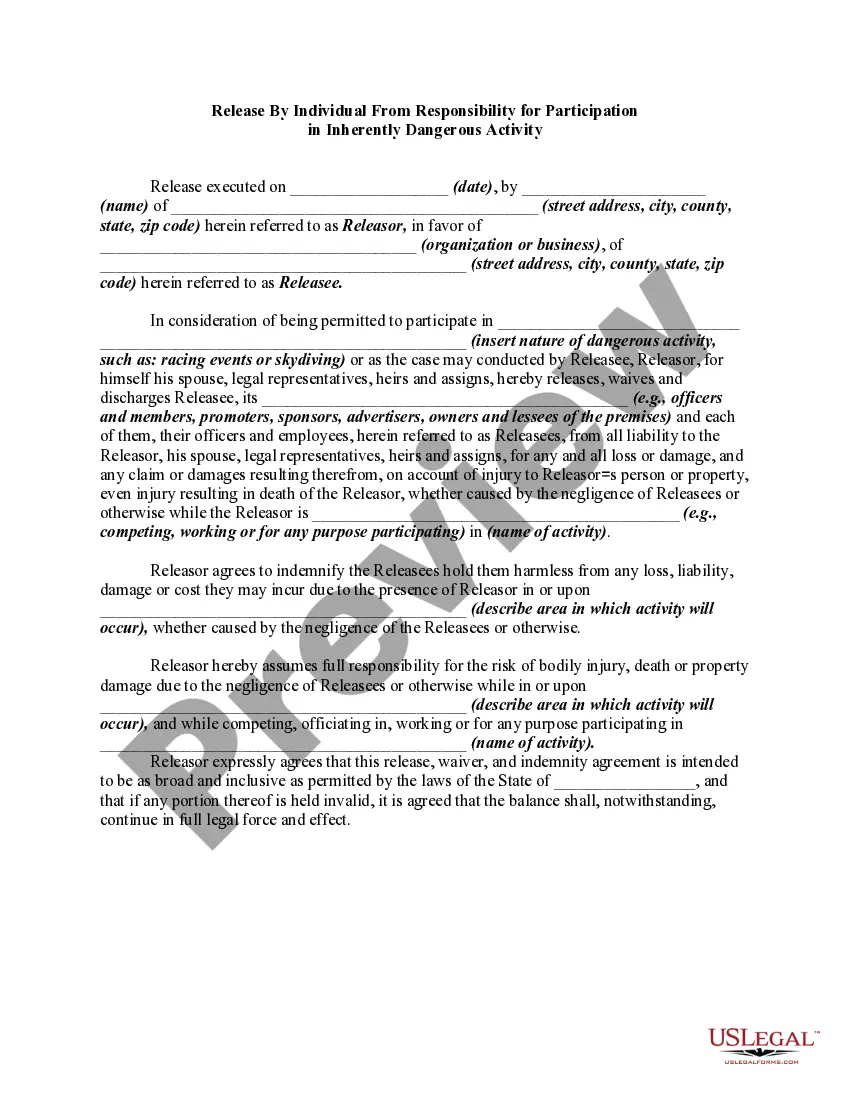
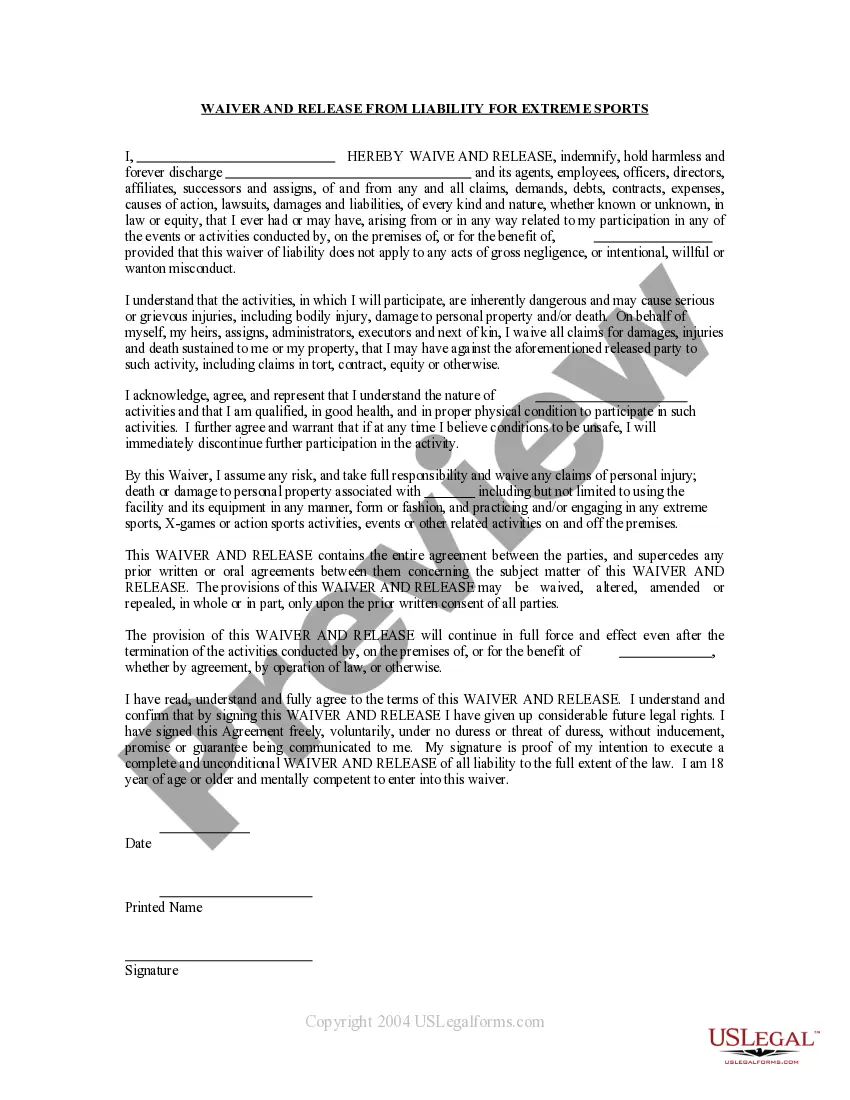
Get your form ready online
Our built-in tools help you complete, sign, share, and store your documents in one place.
Make edits, fill in missing information, and update formatting in US Legal Forms—just like you would in MS Word.
Download a copy, print it, send it by email, or mail it via USPS—whatever works best for your next step.
Sign and collect signatures with our SignNow integration. Send to multiple recipients, set reminders, and more. Go Premium to unlock E-Sign.
If this form requires notarization, complete it online through a secure video call—no need to meet a notary in person or wait for an appointment.
We protect your documents and personal data by following strict security and privacy standards.

Make edits, fill in missing information, and update formatting in US Legal Forms—just like you would in MS Word.

Download a copy, print it, send it by email, or mail it via USPS—whatever works best for your next step.

Sign and collect signatures with our SignNow integration. Send to multiple recipients, set reminders, and more. Go Premium to unlock E-Sign.

If this form requires notarization, complete it online through a secure video call—no need to meet a notary in person or wait for an appointment.

We protect your documents and personal data by following strict security and privacy standards.
Looking for another form?







Form popularity
FAQ
Examples of high risk activities include experiential exercises, relationship building discussions, bonding activities, or confronting and resolving a group issue.
1. Build a fire. Play with knives. Whether your child carries a pocketknife camping or helps cut veggies in the kitchen, he'll get a jump start on learning positive risk taking skills. Take something apart. Make a new friend. Climb a tree. Cross the street. Stay home alone. Volunteer.
High-risk behaviors are defined as acts that increase the risk of disease or injury, which can subsequently lead to disability, death, or social problems. The most common high-risk behaviors include violence, alcoholism, tobacco use disorder, risky sexual behaviors, and eating disorders.
Rock Climbing, 2 and 4-wheel on and off-road driving, scuba diving, extreme skiing/snow boarding, bungee jumping, bull riding, and others are now part of many ACC members' off-duty recreation and all have significant inherent risks.
High risk work includes: scaffolding work (as defined in the regulations) dogging and rigging work. operating certain types of cranes and hoists.
Armed Forces Personnel. Firefighters. Offshore workers. People who work at heights (e.g roofers and scaffolders)
Some examples of high-risk activities are flying civil aircraft, hang gliding, skydiving, mixed martial arts (MMA) fighting, parasailing, white-water rafting, motorcycle and auto racing, scuba diving, bungee jumping, bronco and bull riding, and extreme sports or any activity identified by the commander.
An AF Form 55 is a United States Air Force form is used for documenting the completion of initial and recurring safety training. The for serves as an employee safety and and health record, to be kept in the workplace and update the training as necessary.
