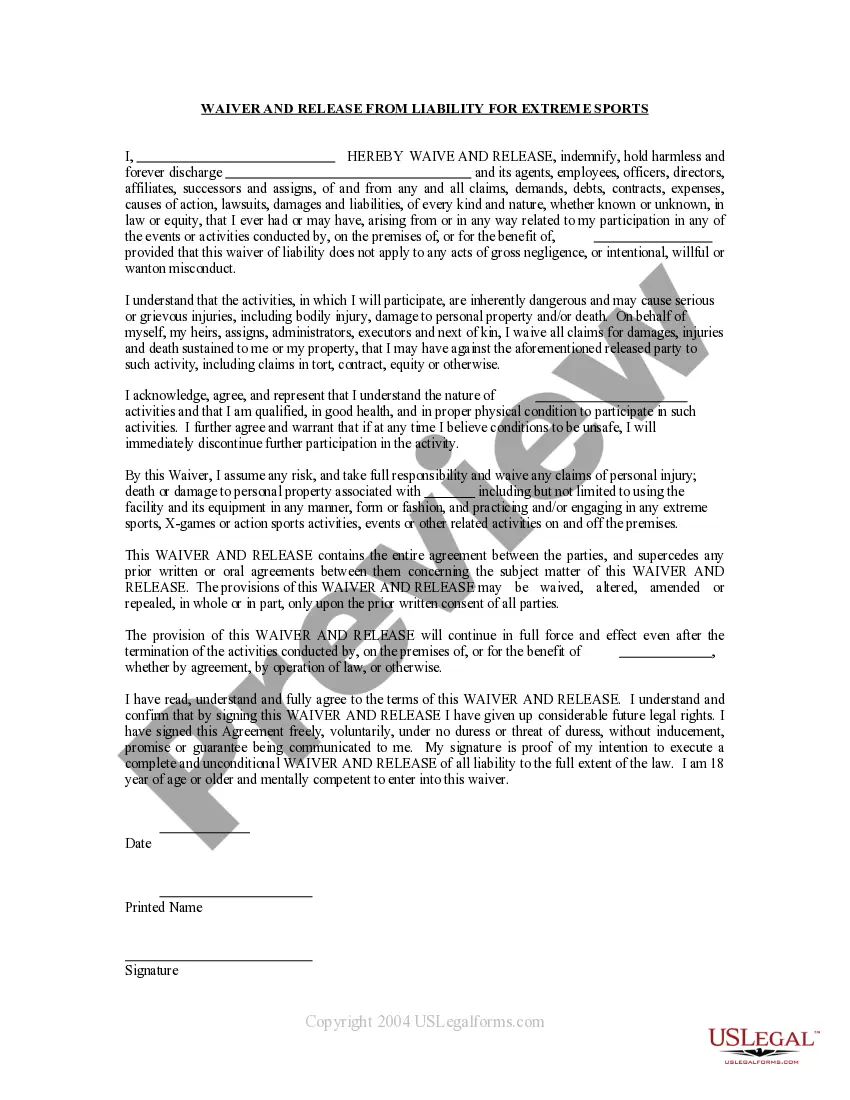
Dangerous Activity With Torts In Maryland
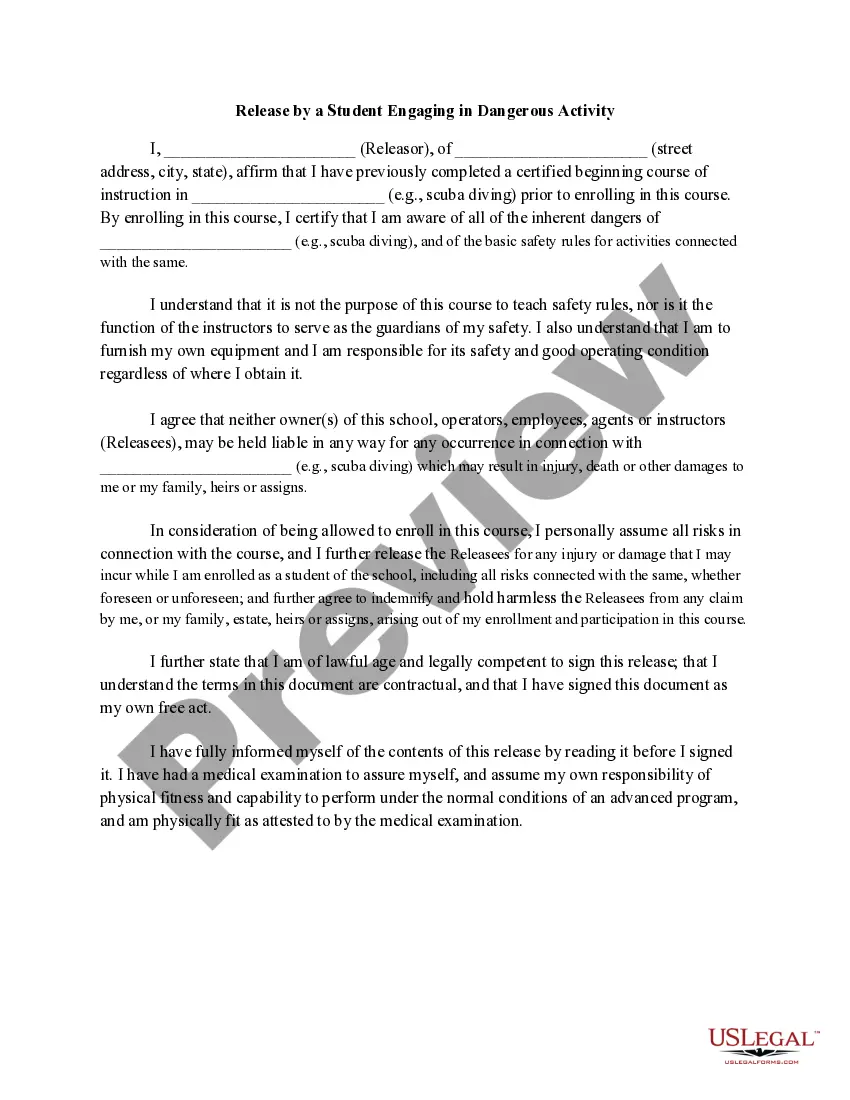
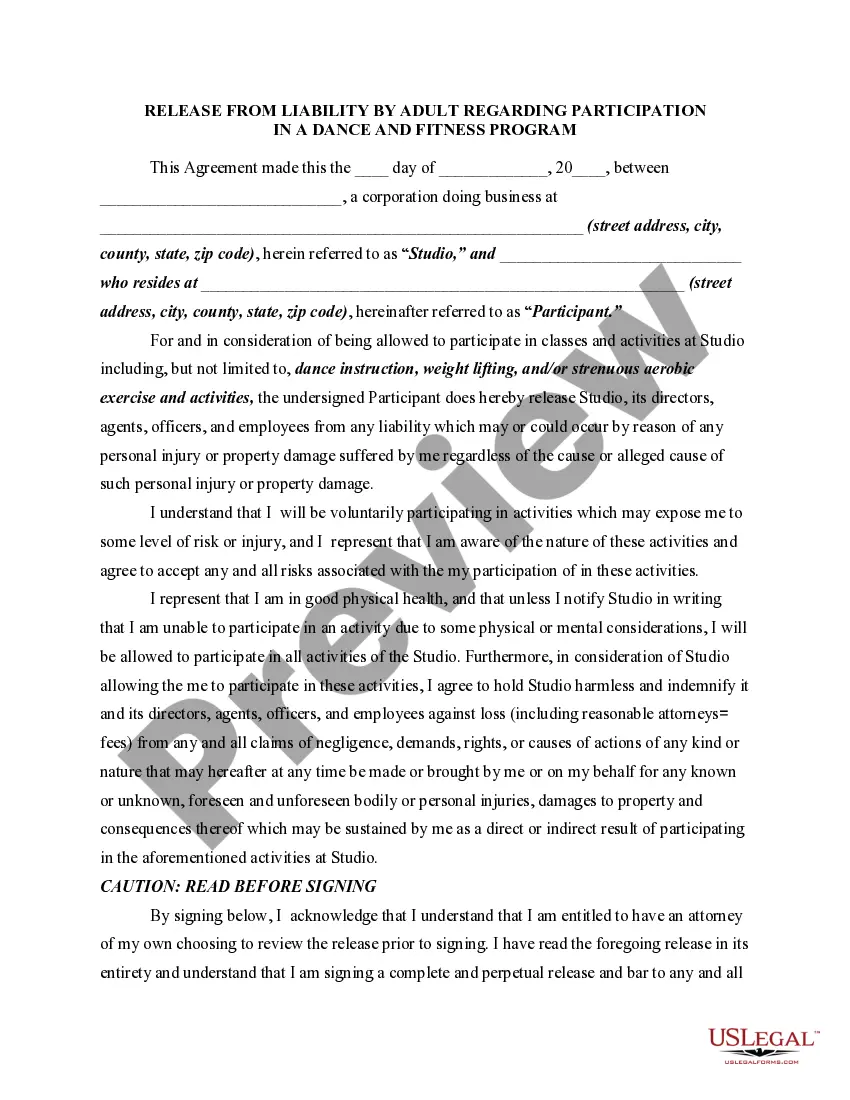
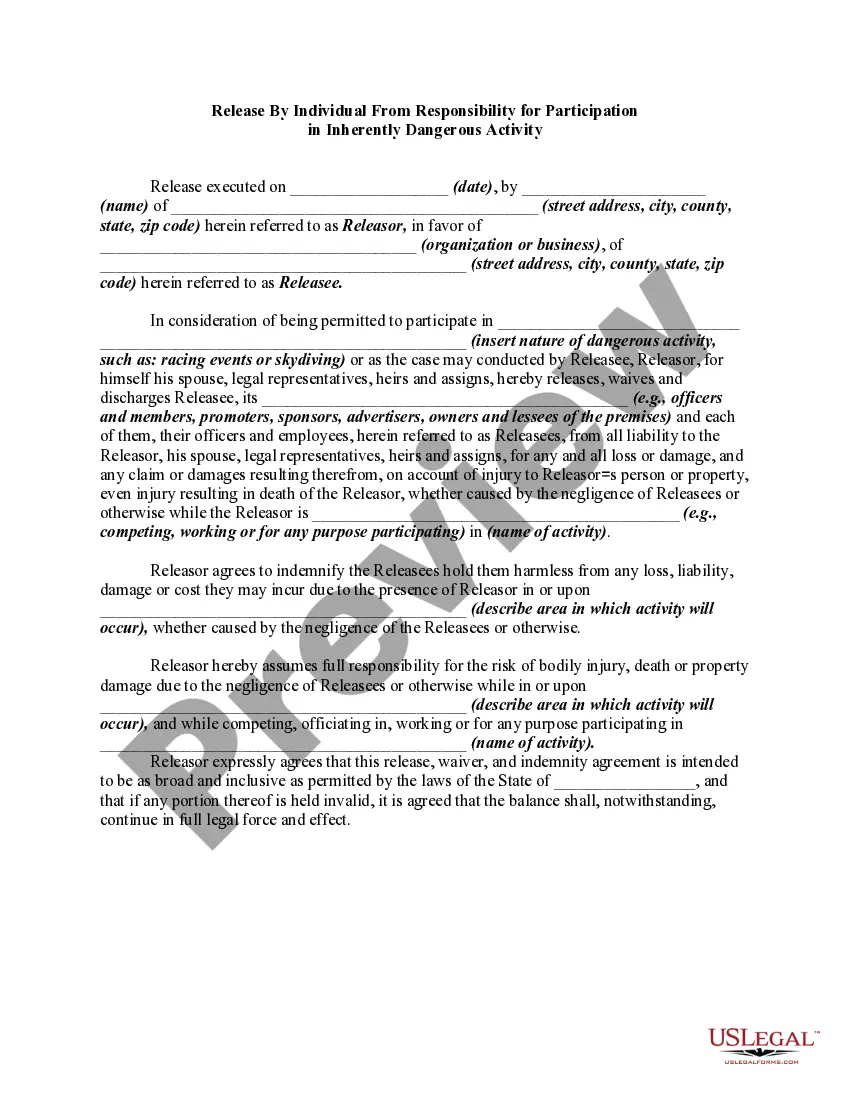
Description
Get your form ready online
Our built-in tools help you complete, sign, share, and store your documents in one place.
Make edits, fill in missing information, and update formatting in US Legal Forms—just like you would in MS Word.
Download a copy, print it, send it by email, or mail it via USPS—whatever works best for your next step.
Sign and collect signatures with our SignNow integration. Send to multiple recipients, set reminders, and more. Go Premium to unlock E-Sign.
If this form requires notarization, complete it online through a secure video call—no need to meet a notary in person or wait for an appointment.
We protect your documents and personal data by following strict security and privacy standards.

Make edits, fill in missing information, and update formatting in US Legal Forms—just like you would in MS Word.

Download a copy, print it, send it by email, or mail it via USPS—whatever works best for your next step.

Sign and collect signatures with our SignNow integration. Send to multiple recipients, set reminders, and more. Go Premium to unlock E-Sign.

If this form requires notarization, complete it online through a secure video call—no need to meet a notary in person or wait for an appointment.

We protect your documents and personal data by following strict security and privacy standards.
Looking for another form?








Form popularity
FAQ
Intentional Torts In that case, they may be guilty of an intentional tort. Intentional torts can be challenging because the victim has to prove that the defendant intended to cause harm by their actions.
How to file a Maryland State Tort Claim. To file a new claim, please complete the STO's Electronic Notice of Claim Form (NOC). For additional claim information, please visit the STO's Insurance Website. The form is for State claims, only.
In Maryland, for most civil actions you have a period of three years after the act which caused you the harm to file a lawsuit. However, by law some types of cases have a different limitation period. For example, the limitation period for assault, libel, or slander is one year.
As an injured party, you can collect non-economic damages for pain, suffering, inconvenience, physical impairment, disfigurement, loss of consortium, or other non pecuniary injuries in ance with Maryland law.
If you or someone you love have been injured due to someone else's actions (or inaction), remember that you may be entitled to seek compensation through a tort claim under Maryland law. An attorney can also advise you whether the state's evidence secured supports your claim or if more evidence is needed.
What Is the Maryland Statute of Limitations for a Personal Injury Claim? The statute of limitations on personal injury lawsuits in Maryland is 3 years.
Dangerous Thing– As per the rules laid down, the liability of escape of a thing from an individual's land will arise only when the thing which is collected is a dangerous thing that is a thing which likely causes damage or injury to other people in person or their property on its escape.
The second and third elements of negligence (breach and causation) tend to be the most difficult to prove. Showing a direct link between someone's action or inaction and the injuries you suffered can be challenging. It will also most likely be what the insurance company focuses on.
