Overpayment With Social Security In Phoenix
Description
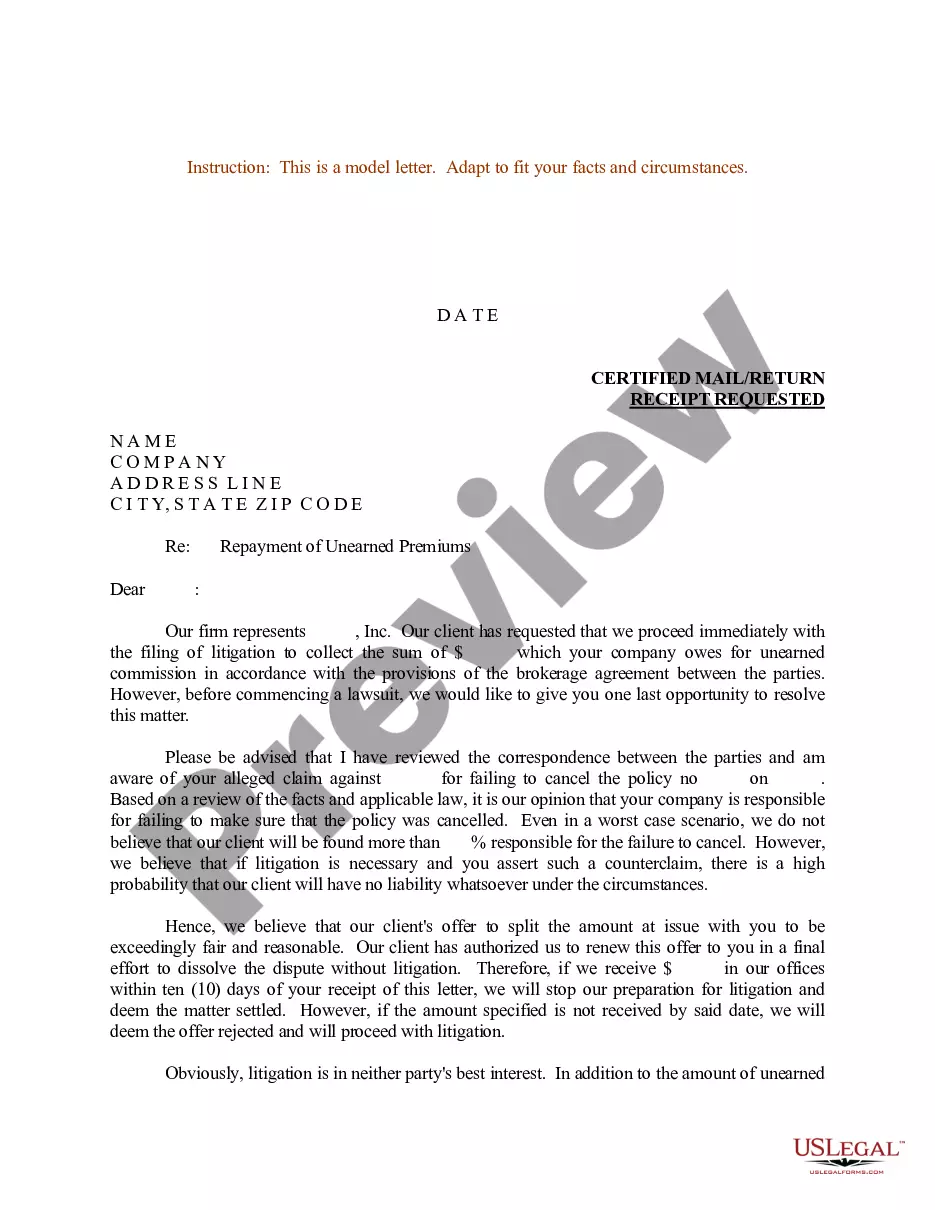
Get your form ready online
Our built-in tools help you complete, sign, share, and store your documents in one place.
Make edits, fill in missing information, and update formatting in US Legal Forms—just like you would in MS Word.
Download a copy, print it, send it by email, or mail it via USPS—whatever works best for your next step.
Sign and collect signatures with our SignNow integration. Send to multiple recipients, set reminders, and more. Go Premium to unlock E-Sign.
If this form requires notarization, complete it online through a secure video call—no need to meet a notary in person or wait for an appointment.
We protect your documents and personal data by following strict security and privacy standards.

Make edits, fill in missing information, and update formatting in US Legal Forms—just like you would in MS Word.

Download a copy, print it, send it by email, or mail it via USPS—whatever works best for your next step.

Sign and collect signatures with our SignNow integration. Send to multiple recipients, set reminders, and more. Go Premium to unlock E-Sign.

If this form requires notarization, complete it online through a secure video call—no need to meet a notary in person or wait for an appointment.

We protect your documents and personal data by following strict security and privacy standards.
Looking for another form?


Form popularity
FAQ
Extended Repayment Period: Social Security now allows beneficiaries more time to repay overpayments, reducing the monthly payback amount to better accommodate financial situations. Withholding Adjustments: Social Security may adjust the amount they withhold to as little as $10 per month to recover overpayments.
If you change your mind about receiving benefits, you may be able to withdraw your Social Security claim if it has been less than 12 months since you were first entitled to benefits.
1912.1Can a civil suit be used to recover overpayments? Yes, a civil suit can be used to recover an overpayment. A civil suit is a legal proceeding that can be filed in a Federal court of law.

