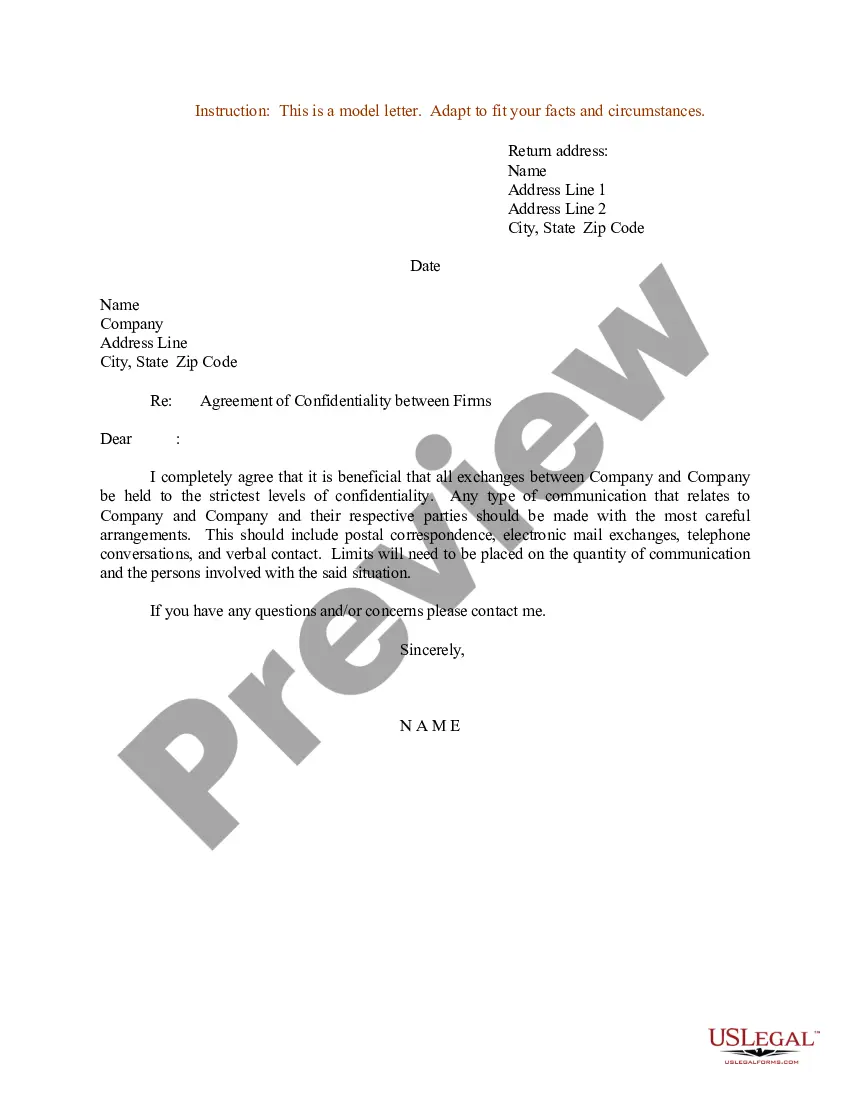
Agreement Confidentiality Between For Research Participants In Massachusetts
Description
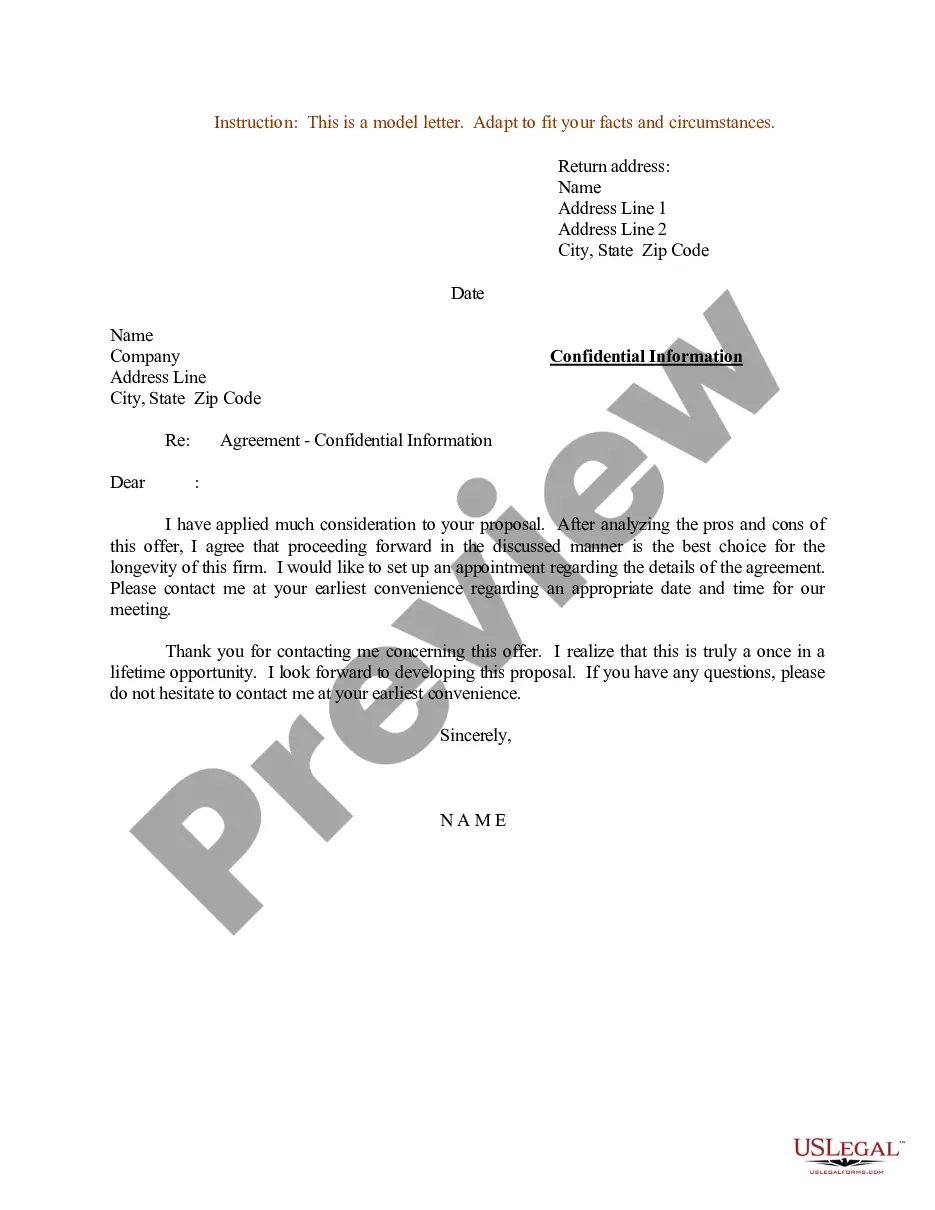

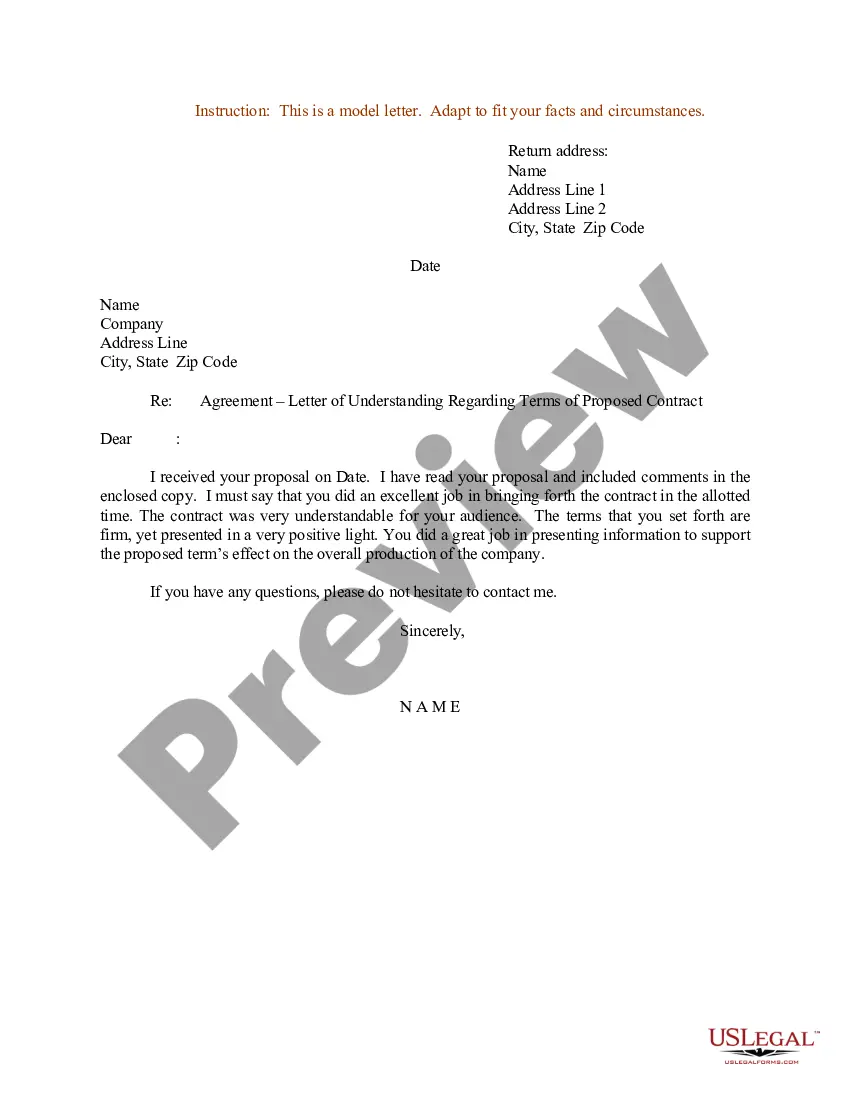
Get your form ready online
Our built-in tools help you complete, sign, share, and store your documents in one place.
Make edits, fill in missing information, and update formatting in US Legal Forms—just like you would in MS Word.
Download a copy, print it, send it by email, or mail it via USPS—whatever works best for your next step.
Sign and collect signatures with our SignNow integration. Send to multiple recipients, set reminders, and more. Go Premium to unlock E-Sign.
If this form requires notarization, complete it online through a secure video call—no need to meet a notary in person or wait for an appointment.
We protect your documents and personal data by following strict security and privacy standards.

Make edits, fill in missing information, and update formatting in US Legal Forms—just like you would in MS Word.

Download a copy, print it, send it by email, or mail it via USPS—whatever works best for your next step.

Sign and collect signatures with our SignNow integration. Send to multiple recipients, set reminders, and more. Go Premium to unlock E-Sign.

If this form requires notarization, complete it online through a secure video call—no need to meet a notary in person or wait for an appointment.

We protect your documents and personal data by following strict security and privacy standards.
Looking for another form?

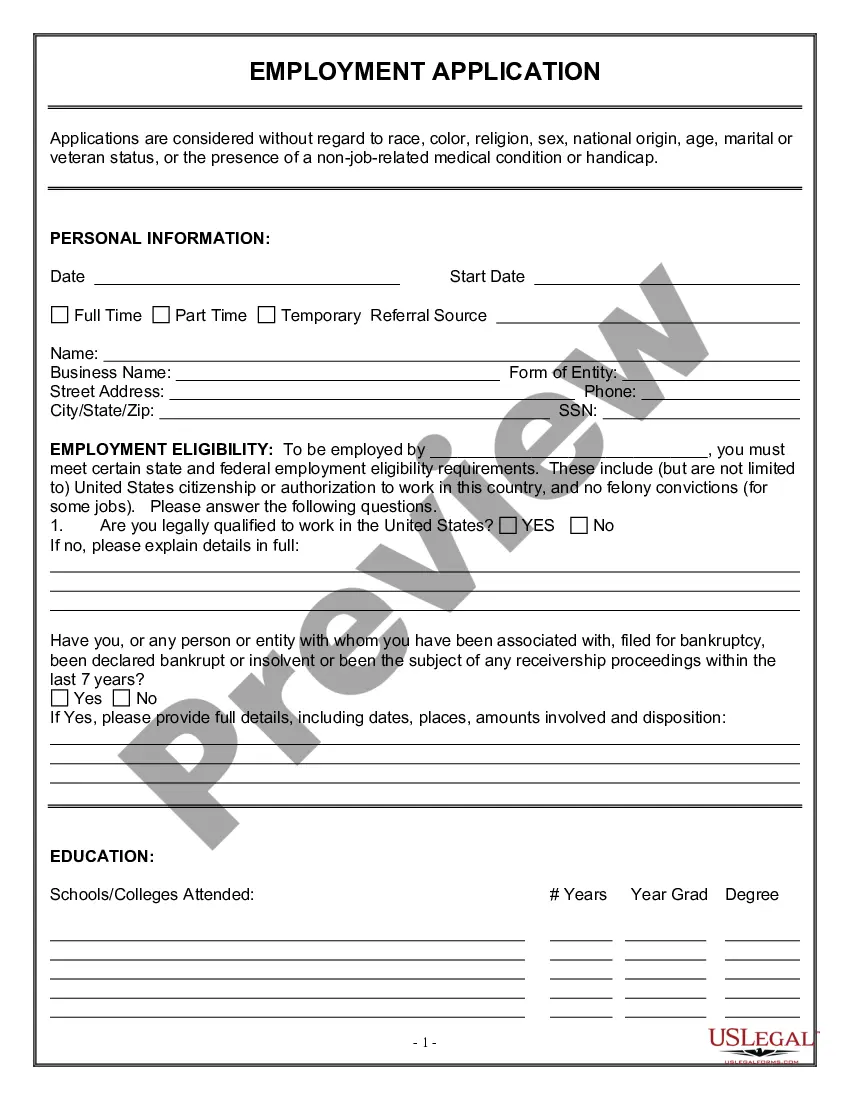



Form popularity
FAQ
The nature of a focus group is such that confidentiality cannot be guaranteed. The researchers must explain to participants the procedures in place to maintain confidentiality of the research data and they must inform participants not to repeat what is said in the focus group to others.
Storing participant paper records in a locked cabinet: Storing participant paper records in a locked cabinet is a good practice for maintaining confidentiality. This physical security measure helps protect sensitive information from unauthorized individuals and reduces the risk of accidental disclosure.
Guidelines for data confidentiality Encrypt sensitive files. Manage data access. Physically secure devices and paper documents. Securely dispose of data, devices, and paper records. Manage data acquisition. Manage data utilization. Manage devices.
Massachusetts General Hospital adheres to the requirements outlined by the Health Insurance Portability and Accountability Act (HIPAA), which ensures security and privacy of an individual's medical records and promotes privacy and trust between patients and their health care providers.
A confidentiality agreement should include the names and addresses of the parties to the contract. Consider also including: Reason for the agreement: Explain why you're sharing this information. The information disclosed: Be specific about the subject matter and what exactly is included in the agreement.
I, (name of recipient) (the “Recipient”), agree as follows: To keep all the research information shared with me confidential by not discussing or sharing the research information in any form or format (e.g. disks, tapes, transcripts) with anyone other than the Principal Investigator(s);
In most cases, confidentiality can be ensured by using good data collection and storage practices. You should make certain that all members of the study team have been trained in these issues and understand not to discuss participants outside of the research context.
What steps can you take to protect your research participants from harm or discomfort? Identify and minimize risks. Obtain informed consent. Protect confidentiality and anonymity. Follow ethical guidelines and regulations. Monitor and respond to issues. Respect and acknowledge your participants. Here's what else to consider.
An NDA constitutes a legally binding agreement, albeit without the same level of scrutiny as a non-compete clause. It solely restricts the use of information rather than overall competition. Typically, the agreement will specify that the employer is entitled to injunctive relief in the event of a breach.
A HIPAA violation refers to the failure to comply with HIPAA rules, which can include unauthorized access, use, or disclosure of Protected Health Information (PHI), failure to provide patients with access to their PHI, lack of safeguards to protect PHI, failure to conduct regular risk assessments, or insufficient ...