Forged Document In Court In Wayne
Description

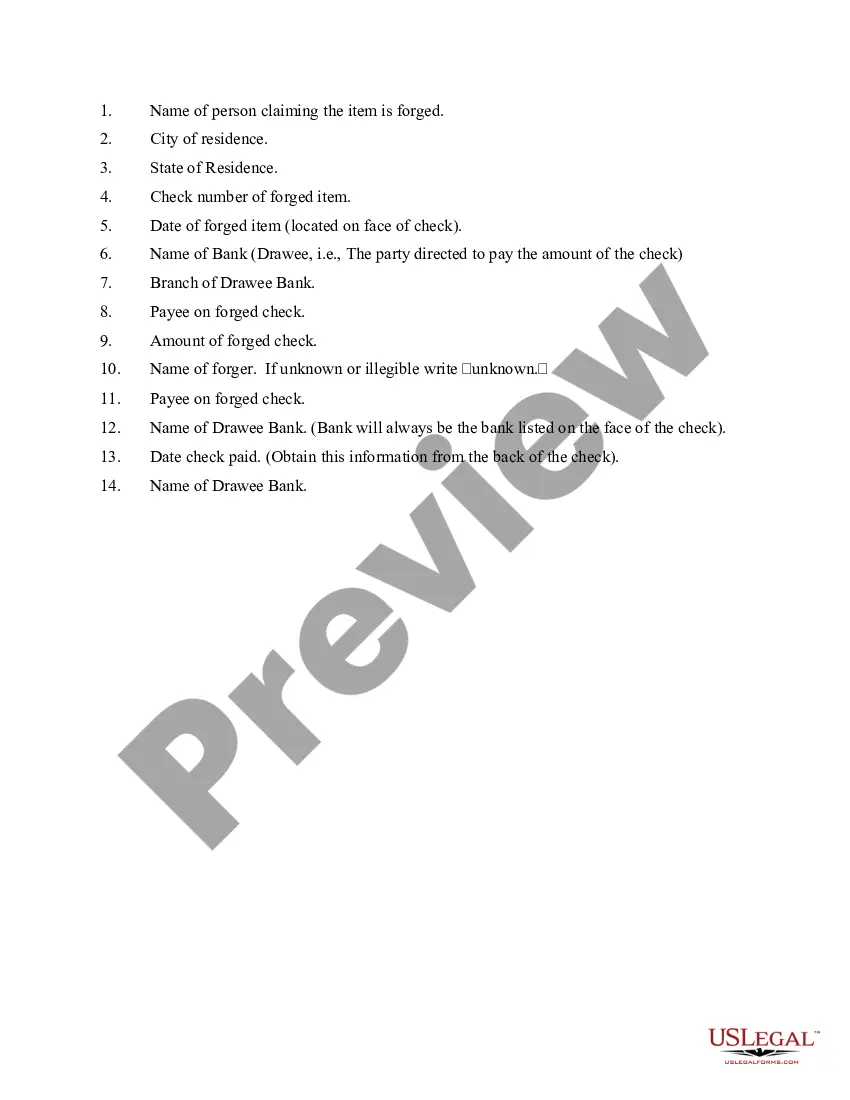
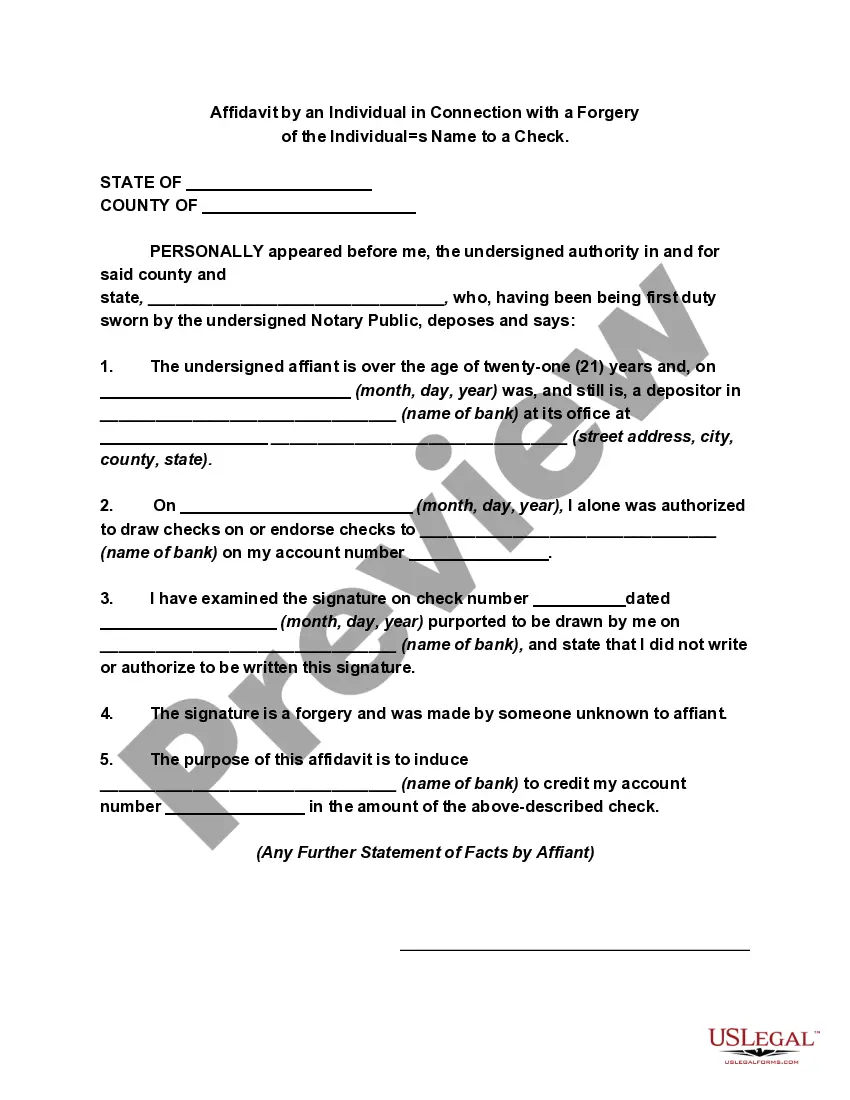
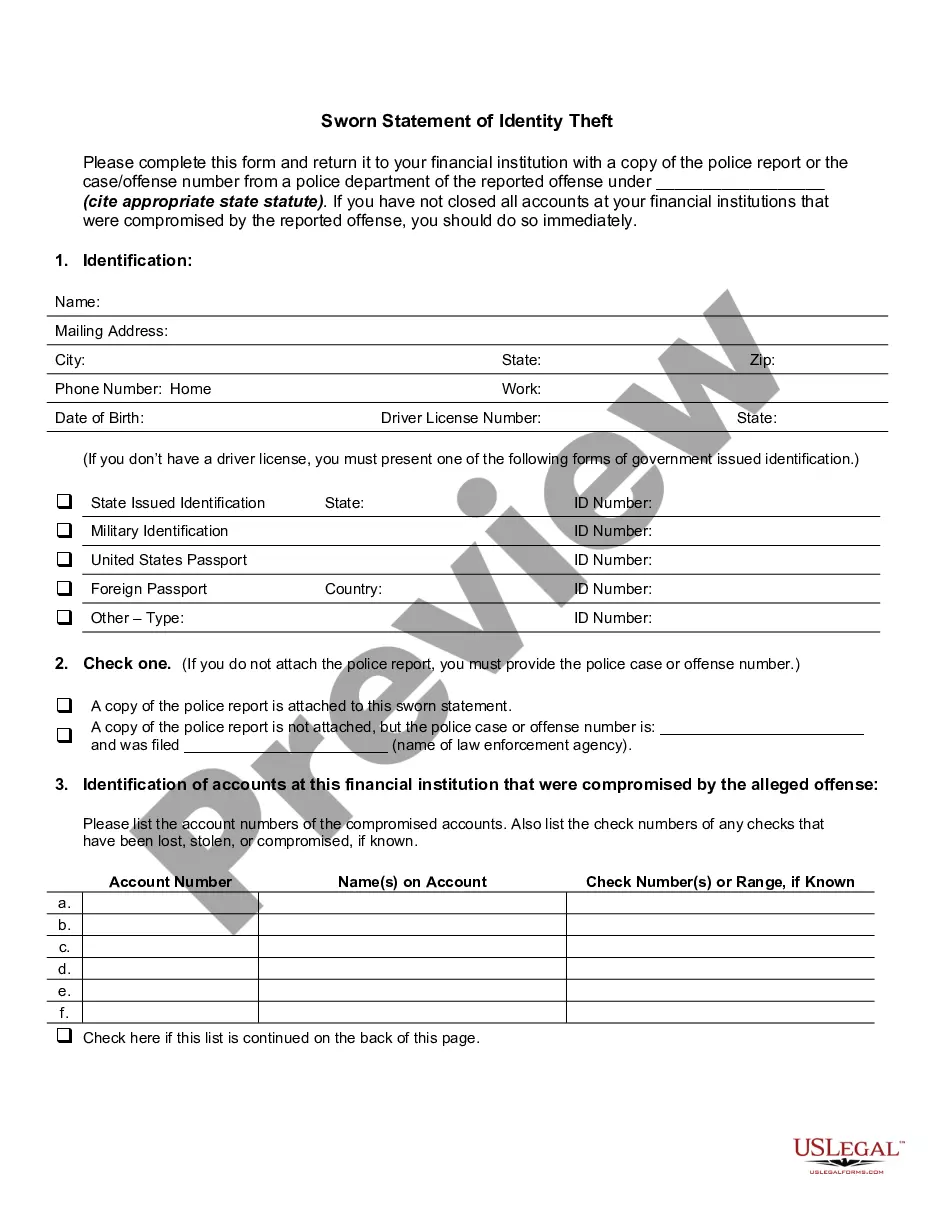
Get your form ready online
Our built-in tools help you complete, sign, share, and store your documents in one place.
Make edits, fill in missing information, and update formatting in US Legal Forms—just like you would in MS Word.
Download a copy, print it, send it by email, or mail it via USPS—whatever works best for your next step.
Sign and collect signatures with our SignNow integration. Send to multiple recipients, set reminders, and more. Go Premium to unlock E-Sign.
If this form requires notarization, complete it online through a secure video call—no need to meet a notary in person or wait for an appointment.
We protect your documents and personal data by following strict security and privacy standards.

Make edits, fill in missing information, and update formatting in US Legal Forms—just like you would in MS Word.

Download a copy, print it, send it by email, or mail it via USPS—whatever works best for your next step.

Sign and collect signatures with our SignNow integration. Send to multiple recipients, set reminders, and more. Go Premium to unlock E-Sign.

If this form requires notarization, complete it online through a secure video call—no need to meet a notary in person or wait for an appointment.

We protect your documents and personal data by following strict security and privacy standards.
Looking for another form?



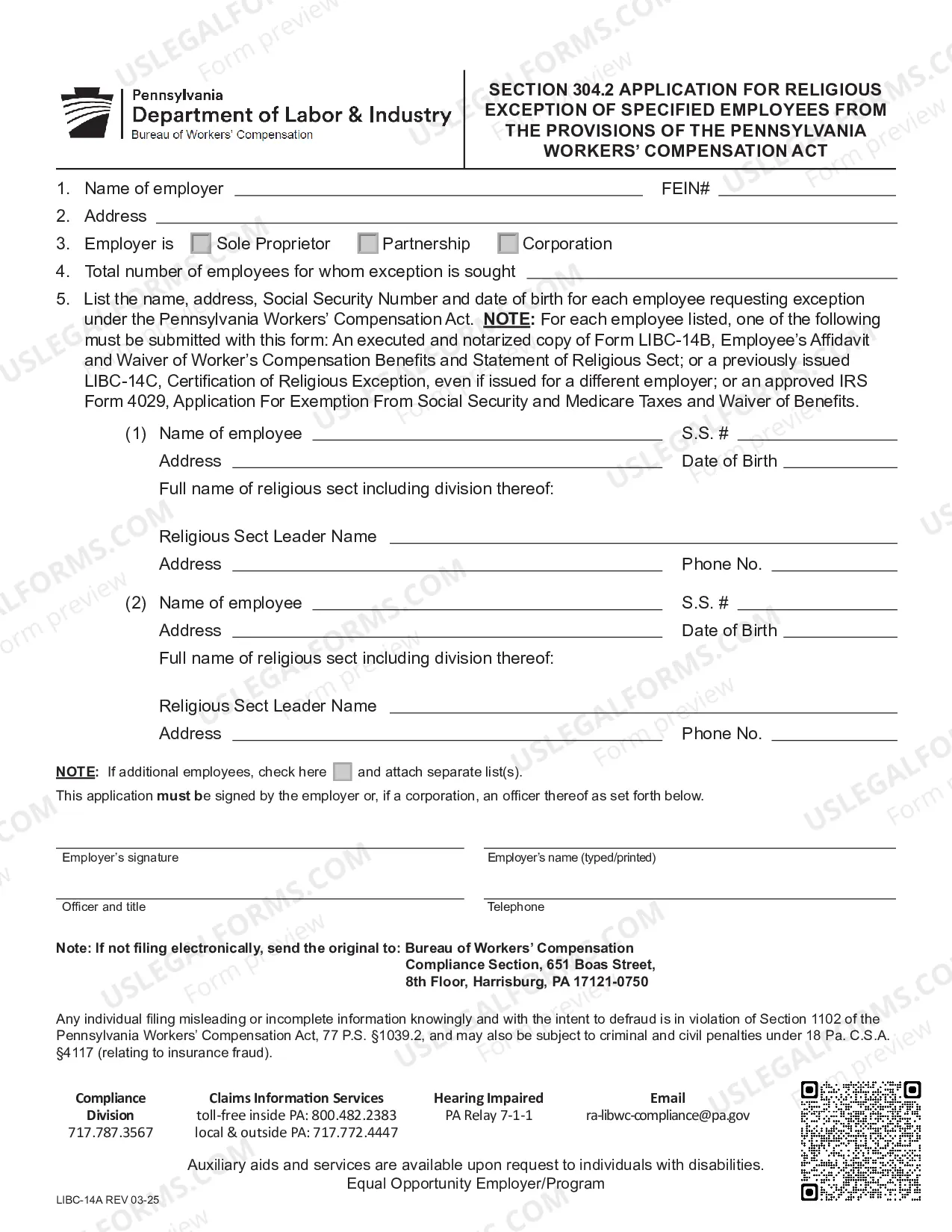





Form popularity
FAQ
Although they're two different things, signature forgery and identity theft normally go hand-in-hand. The forger can use the signature to open bank accounts, commit a crime, or sign contracts using the victim's name.
Forged documents, on the other hand, are authentic but have alterations. For instance, someone alters a photo or changes the name or birthdate printed on an ID. They can even make an entire document look like a different government agency issued it.
The punishment for forgery varies from place to place. In most states, a person convicted of misdemeanor must face a jail sentence of at least one year. However, a conviction for felony must face an imprisonment more than one year.
Any person who forges any document or electronic record is guilty of an offence which, unless otherwise stated, is a felony and he is liable, unless owing to the circumstances of the forgery or the nature of the thing forged some other punishment is provided, to imprisonment for three years.
These days, you can detect document fraud thanks to artificial intelligence (AI) and machine learning to analyze metadata, visual structure, and internal integrity for signs of forgery.
Forgery is a criminal offense. Generally, forgery charges are charged at the state level, but they can be charged as federal crimes in certain circumstances. The details of your case determine whether the case will be tried in state or federal court and the applicable laws.
Forgery, in law, making of a false writing with an intent to defraud. Writing, to be forgery, must either have legal significance or be commonly relied upon in business transactions. It need not be handwriting; the law of forgery covers printing, engraving, and typewriting as well.
A counterfeit is an item that uses someone else's trademark without their permission. By making or selling a counterfeit, criminals seek to profit unfairly from the trademark owner's reputation. Counterfeiting is a fraudulent imitation (a forgery) of a trusted brand and product, and it is a serious crime.
Signature forgery refers to the act of falsely replicating another person's signature.
Document forgery is the act of creating a document from scratch, imitating a genuine one.
