Forgery Forensics In Washington
Description

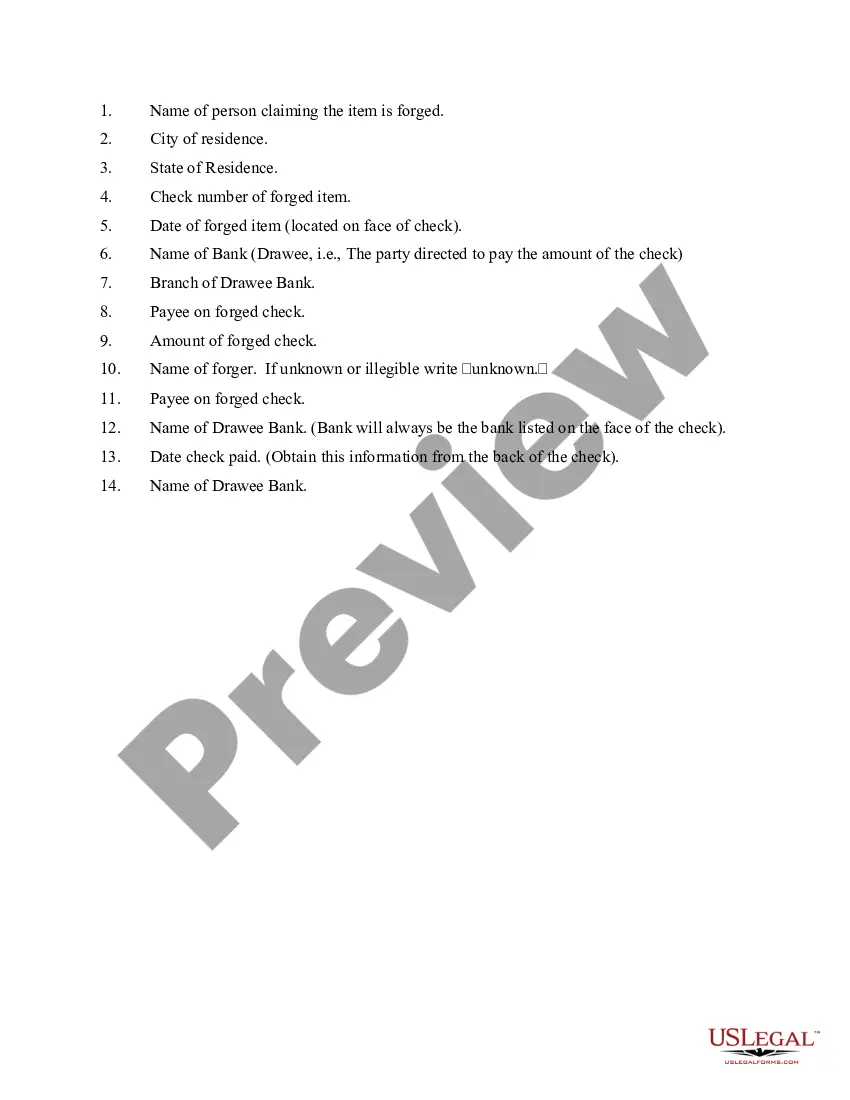
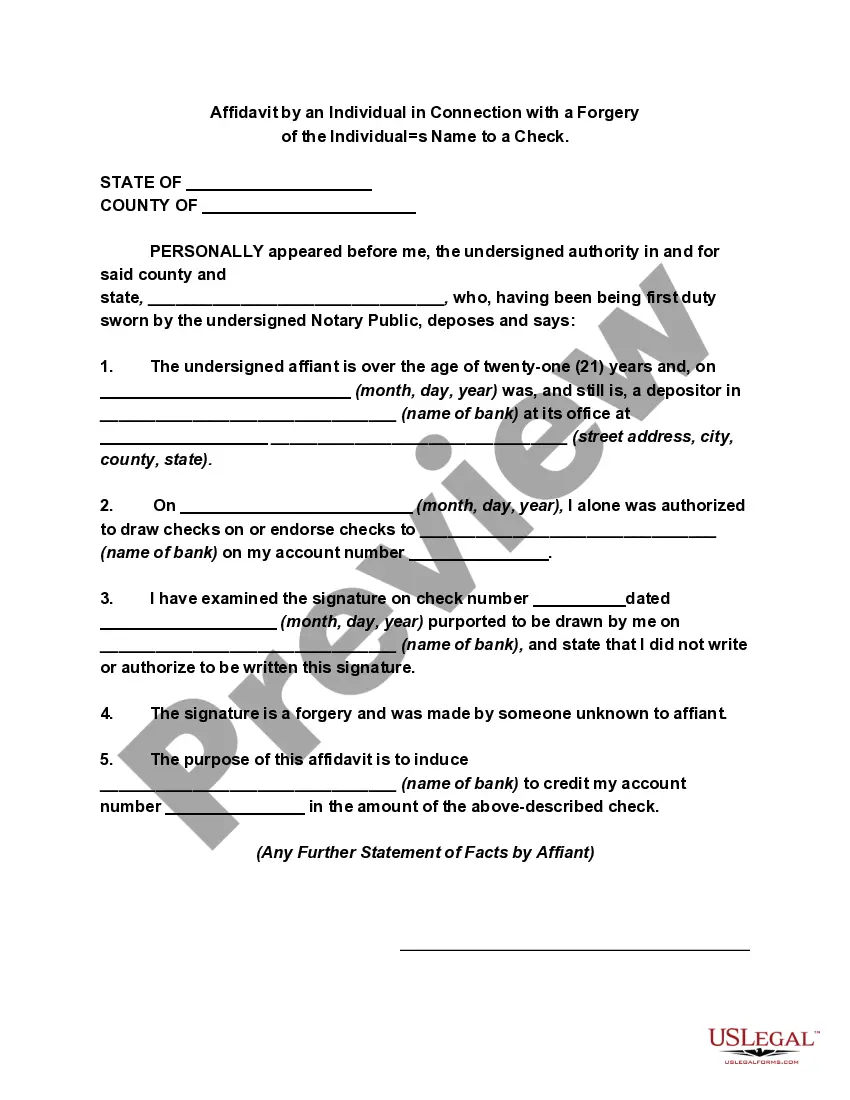
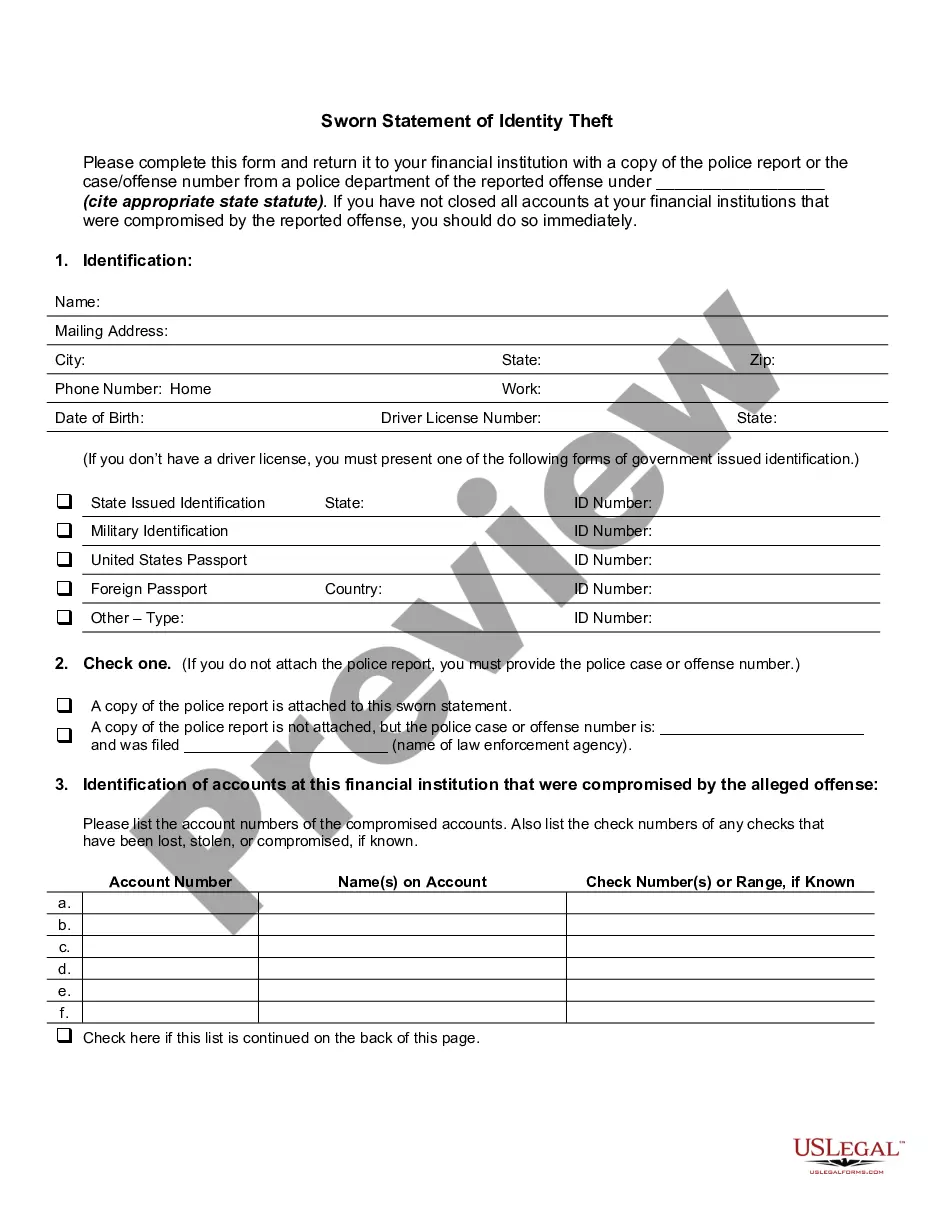
Get your form ready online
Our built-in tools help you complete, sign, share, and store your documents in one place.
Make edits, fill in missing information, and update formatting in US Legal Forms—just like you would in MS Word.
Download a copy, print it, send it by email, or mail it via USPS—whatever works best for your next step.
Sign and collect signatures with our SignNow integration. Send to multiple recipients, set reminders, and more. Go Premium to unlock E-Sign.
If this form requires notarization, complete it online through a secure video call—no need to meet a notary in person or wait for an appointment.
We protect your documents and personal data by following strict security and privacy standards.

Make edits, fill in missing information, and update formatting in US Legal Forms—just like you would in MS Word.

Download a copy, print it, send it by email, or mail it via USPS—whatever works best for your next step.

Sign and collect signatures with our SignNow integration. Send to multiple recipients, set reminders, and more. Go Premium to unlock E-Sign.

If this form requires notarization, complete it online through a secure video call—no need to meet a notary in person or wait for an appointment.

We protect your documents and personal data by following strict security and privacy standards.
Looking for another form?





Form popularity
FAQ
Forgeries are defined as any deliberate alteration of a document made with intent to deceive. The term forgery is used when a genuine document has been altered by deletion, addition, or substitution. Deletion is accomplished by erasure, scraping, or bleaching.
The agency will require a high school diploma or GED and completion of 720 hours of training within the first six months of hire through the law enforcement academy, or a regional or state training facility if it's a small agency.
Overall, forensic science and CSI are closely related, but while CSI focuses on the gathering and analysis of physical evidence at a crime scene, forensic science encompasses a wider range of scientific techniques and specialties used to analyze and interpret evidence in order to solve crimes.
Forgery is considered a class C felony in the State of Washington. As such it is punishable by up to 5 years in prison and a fine of up to $10,000.
Positions typically require a Bachelor of Science degree in forensic science, natural science, or closely related field which includes a minimum of 20 semester hours or 30 quarter hours of chemistry and 5 semester or 8 quarter hours of physics.
Getting a certificate or degree in a CSI-related field is the first step towards becoming a crime scene investigator in Washington. The following certificates and associate degree programs in crime scene investigation may be found in Washington and online: Associate of Science in Criminology and Forensic Technology.
India Code: Section Details. Whoever commits forgery, intending that the 1 document or electronic record forged shall be used for the purpose of cheating, shall be punished with imprisonment of either description for a term which may extend to seven years, and shall also be liable to fine.
Defenses Against Forgery Charges Lack of fraudulent intent — If you did not have the intention to defraud, you may have a valid defense to forgery charges. Document Lacks Legal Significance — To be considered forgery, the document in question must have some sort of legal importance.
Proving forgery in court can be challenging since it often requires the testimony of an expert who has conducted a detailed examination of various elements of a document, such as the paper, they typed fonts, the date, handwriting and time sequences all in the context of the content of the document.
The first two degrees are felonies and the third degree amounts to a misdemeanor. The first degree forgery involves the actual presentation or use of any falsely made, altered or possessed document with the intent to deceive or defraud. The second degree forgery does not require use or presentation of the documents.
