Forgery Forensic Files In Virginia
Description

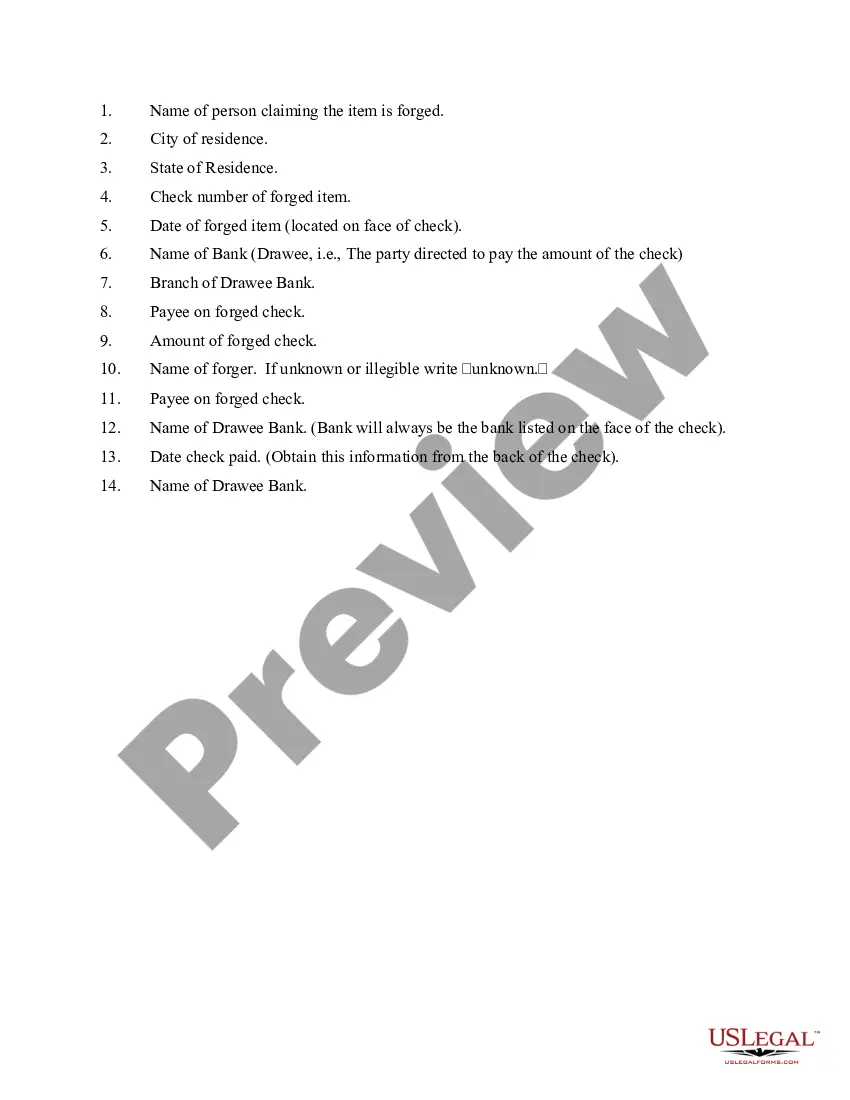
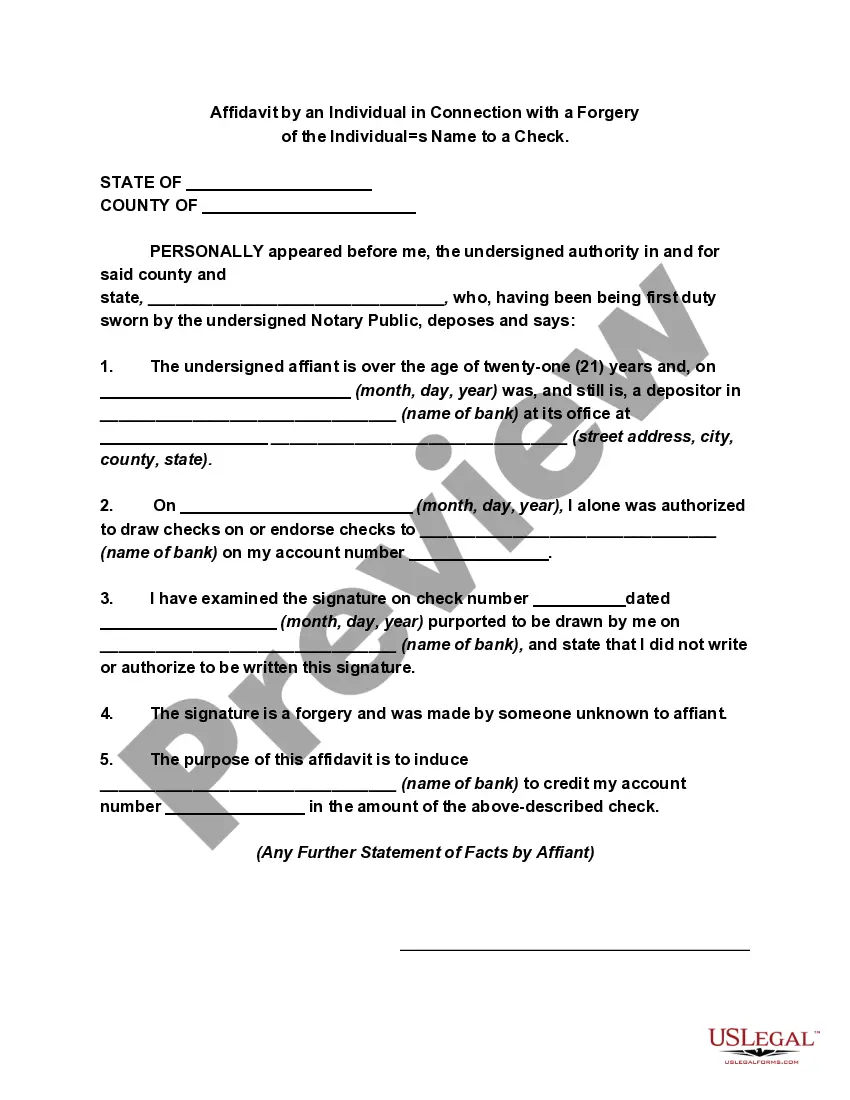
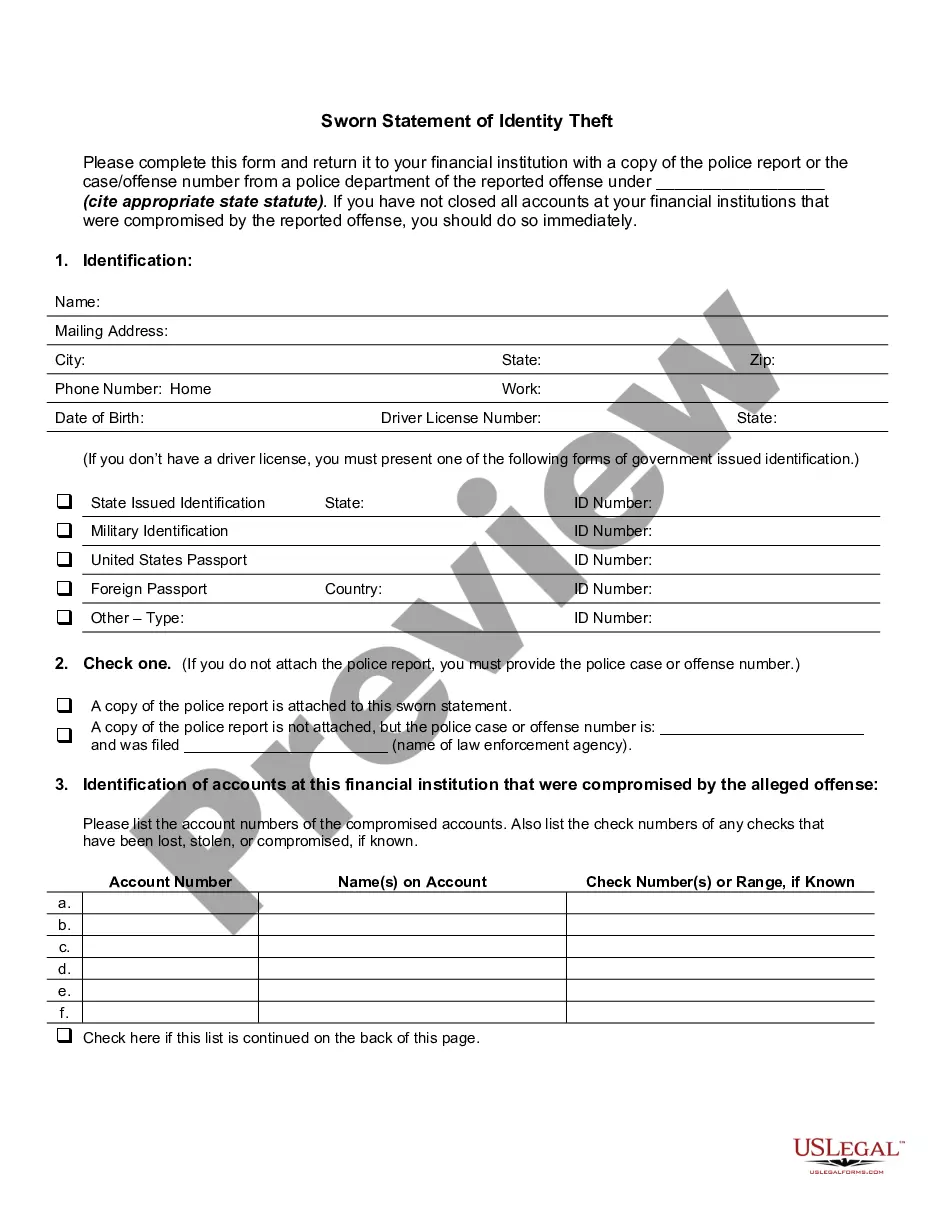
Get your form ready online
Our built-in tools help you complete, sign, share, and store your documents in one place.
Make edits, fill in missing information, and update formatting in US Legal Forms—just like you would in MS Word.
Download a copy, print it, send it by email, or mail it via USPS—whatever works best for your next step.
Sign and collect signatures with our SignNow integration. Send to multiple recipients, set reminders, and more. Go Premium to unlock E-Sign.
If this form requires notarization, complete it online through a secure video call—no need to meet a notary in person or wait for an appointment.
We protect your documents and personal data by following strict security and privacy standards.

Make edits, fill in missing information, and update formatting in US Legal Forms—just like you would in MS Word.

Download a copy, print it, send it by email, or mail it via USPS—whatever works best for your next step.

Sign and collect signatures with our SignNow integration. Send to multiple recipients, set reminders, and more. Go Premium to unlock E-Sign.

If this form requires notarization, complete it online through a secure video call—no need to meet a notary in person or wait for an appointment.

We protect your documents and personal data by following strict security and privacy standards.
Looking for another form?








Form popularity
FAQ
Inconsistencies in signature appearance: The most common indicator is inconsistency between signatures. Look for variations in style, and it'll be easy to detect forgery. Pressure or shaky lines: Most forgers change the pen pressure and speed to replicate a signature. Analyze these factors to check for inconsistency.
Investigators analyze and compare various traits, such as the appearance of letters, of suspicious documents with known samples to help identify the author of the document. Investigators might also be asked to detect changes that may have occurred in an original document.
Under Virginia Code § 18.2-168, it is unlawful to forge a public record, certificate, return, or attestation of any public officer or public employee when such document may be used as legal proof, or to utter or attempt to use as true such a forged record or document knowing it to be forged.
§ 18.2-172. If any person forge any writing, other than such as is mentioned in §§ 18.2-168 and 18.2-170, to the prejudice of another's right, or utter, or attempt to employ as true, such forged writing, knowing it to be forged, he shall be guilty of a Class 5 felony.
Documentation is also an important area of investigation. The apparent authenticity of many spurious pieces is bolstered by false documents to attest to the point of origin, former owners, and expert opinions concerning the pieces. A careful examination of these records often detects the forgery.
It is a Class 4 felony to forge public records in violation of Section 18.2-168. Upon conviction, the punishment can include a prison sentence between two and 10 years as well as criminal fines up to $100,000. The laws against forgery of coins or banknotes appear at Code of Virginia Section 18.2-170.
Traced forgeries are generally created by one of three methods: “transmitted light,” “carbon intermediate,” or “pressure indented image.” While tracings may not normally present much of a challenge to the document examiner trying to determine genuineness, the ability to identify the perpetrator is totally precluded.
Active forgery detection methods, such as digital watermarking and digital signatures, and passive forgery detection techniques, including copy-move, splicing, and retouching, are used to verify digital evidence.
If any person forge, or keep or conceal any instrument for the purpose of forging, the seal of the Commonwealth, the seal of a court, or of any public office, or body politic or corporate in this Commonwealth, he shall be guilty of a Class 4 felony.
