Forgery Forensics In Utah
Description

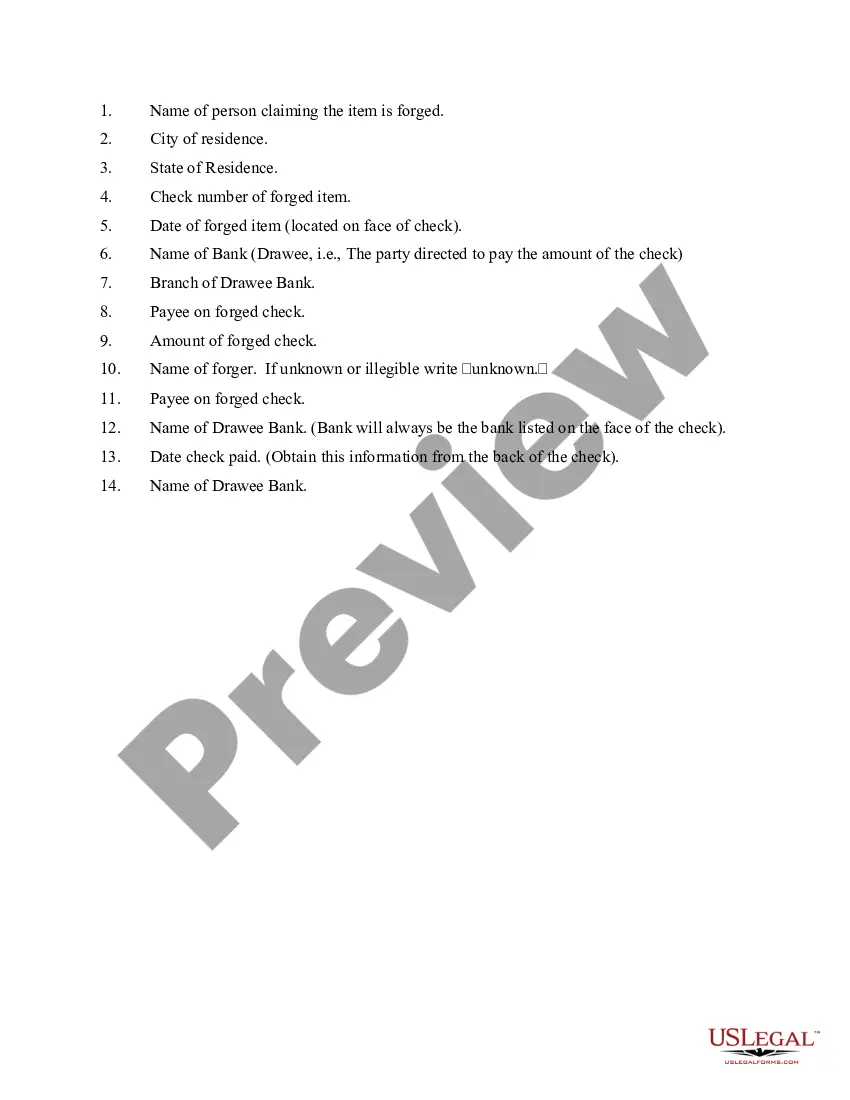
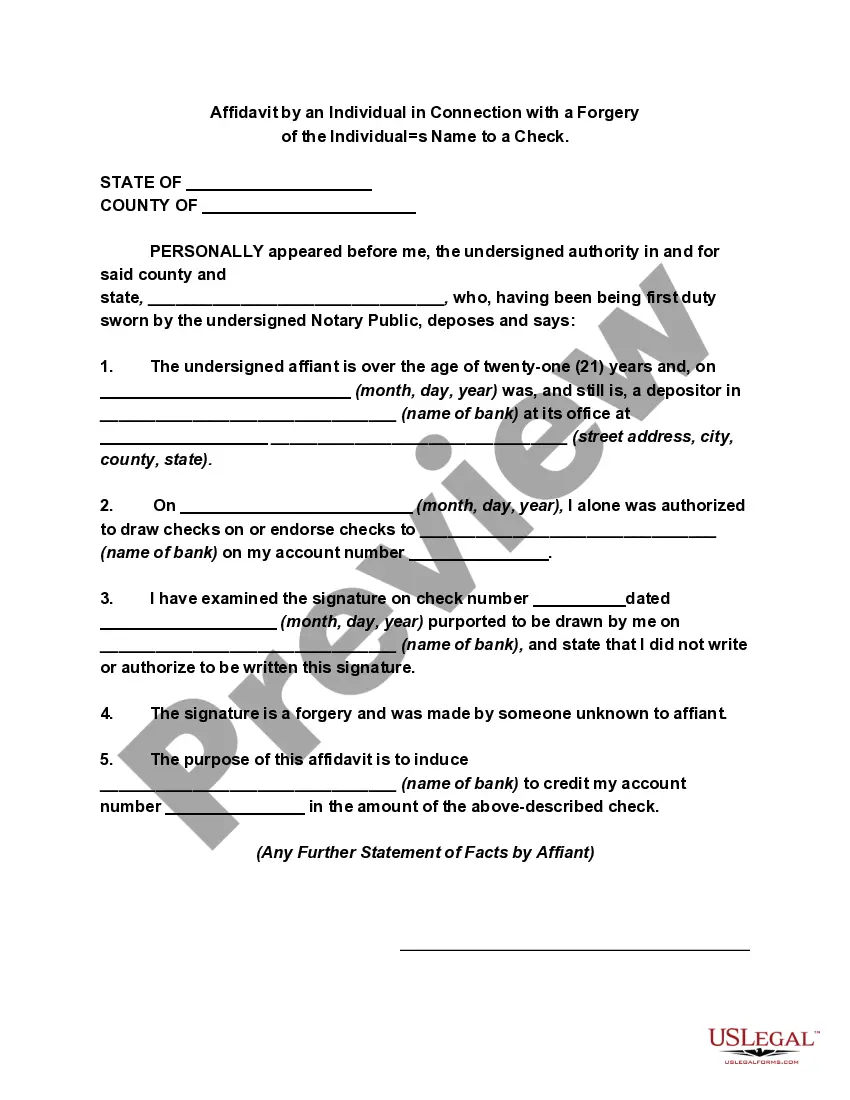
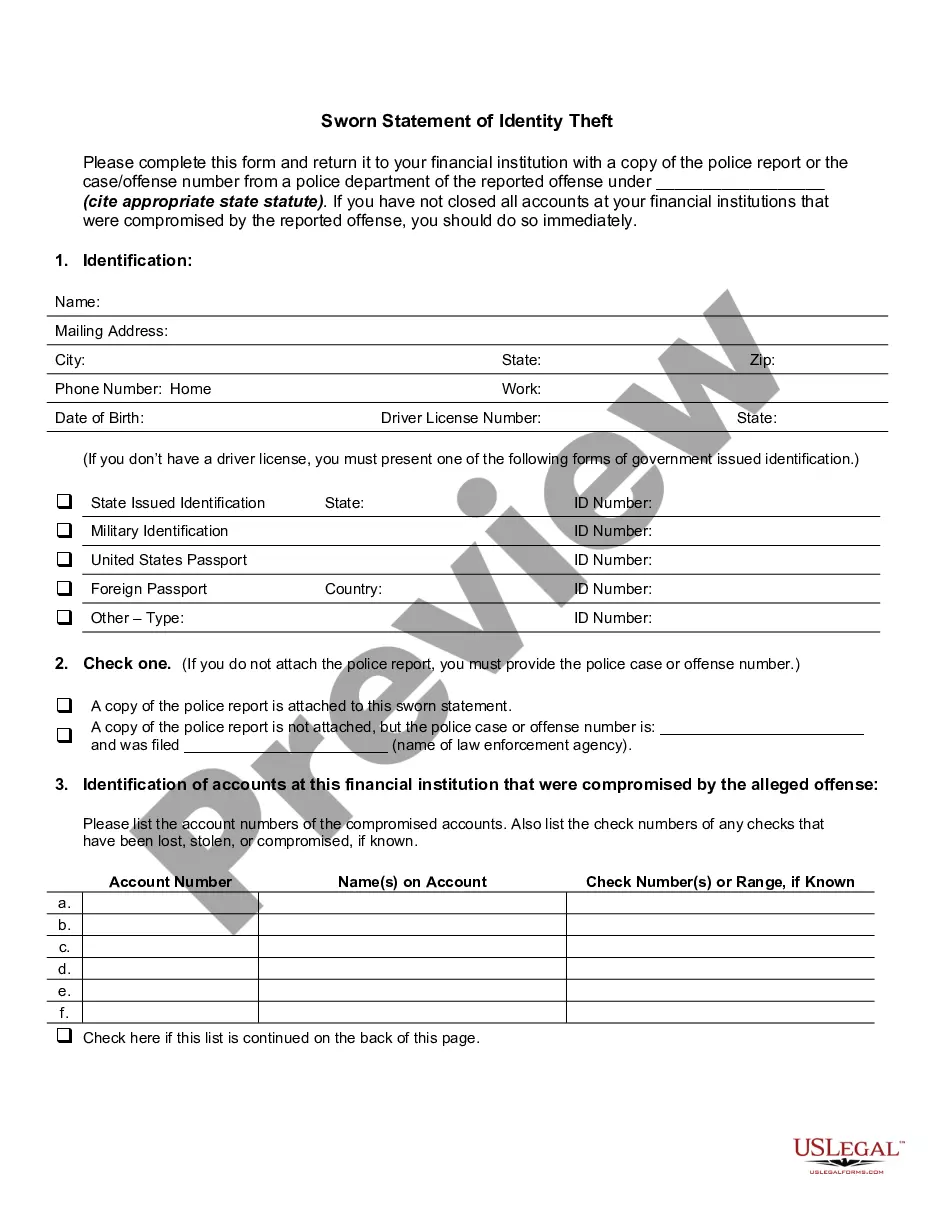
Get your form ready online
Our built-in tools help you complete, sign, share, and store your documents in one place.
Make edits, fill in missing information, and update formatting in US Legal Forms—just like you would in MS Word.
Download a copy, print it, send it by email, or mail it via USPS—whatever works best for your next step.
Sign and collect signatures with our SignNow integration. Send to multiple recipients, set reminders, and more. Go Premium to unlock E-Sign.
If this form requires notarization, complete it online through a secure video call—no need to meet a notary in person or wait for an appointment.
We protect your documents and personal data by following strict security and privacy standards.

Make edits, fill in missing information, and update formatting in US Legal Forms—just like you would in MS Word.

Download a copy, print it, send it by email, or mail it via USPS—whatever works best for your next step.

Sign and collect signatures with our SignNow integration. Send to multiple recipients, set reminders, and more. Go Premium to unlock E-Sign.

If this form requires notarization, complete it online through a secure video call—no need to meet a notary in person or wait for an appointment.

We protect your documents and personal data by following strict security and privacy standards.
Looking for another form?






Form popularity
FAQ
What are the three types of forgery? Three common types of forgery are signature forgery, art forgery, and document forgery. Each of these types of forgery involves different methods of creating or altering documents, signifiers, and objects with the intent to deceive.
Forgeries are defined as any deliberate alteration of a document made with intent to deceive. The term forgery is used when a genuine document has been altered by deletion, addition, or substitution. Deletion is accomplished by erasure, scraping, or bleaching.
India Code: Section Details. Whoever commits forgery, intending that the 1 document or electronic record forged shall be used for the purpose of cheating, shall be punished with imprisonment of either description for a term which may extend to seven years, and shall also be liable to fine.
76-6-502. Possession of forged writing or device for a forgery writing. "Device" means any equipment, mechanism, material, or program. "Writing" means the same as that term is defined in Section 76-6-501.
Utah Code provision 53-3-810 outlines a Class C, Class A and Felony 3 crimes for using a ID in Utah. Class C Misdemeanor: It is a class C misdemeanor to: (a) lend or knowingly permit the use of an identification card issued to the individual, by an individual not entitled to the identification card.
Statute of Frauds Exceptions in Utah Admission of contract: if both parties admit that the contract exists, the agreement can be upheld by the courts, as Utah law allows that the statute of frauds defense is waived due to the admission.
Ten Day Summons A plaintiff uses this kind of summons if they want to serve the defendant before filing a case with the court. The plaintiff must file the complaint with the court within 10 days after the defendant was served with the summons and complaint.
Visit the Courthouse and Render a Record Request Courts in the state of Utah provide local guidelines on the process of searching through their court case records. Most district courts provide self-help public terminals where requesters can search and view cases using the case number or party names.
76-6-502. Possession of forged writing or device for a forgery writing. "Device" means any equipment, mechanism, material, or program. "Writing" means the same as that term is defined in Section 76-6-501.
Forgery -- Elements of offense -- "Writing" defined. (c) a check, an issue of stocks, bonds, or any other instrument or writing representing an interest in or claim against property, or a pecuniary interest in or claim against any person or enterprise.
