Fake Forged Document In Suffolk
Description

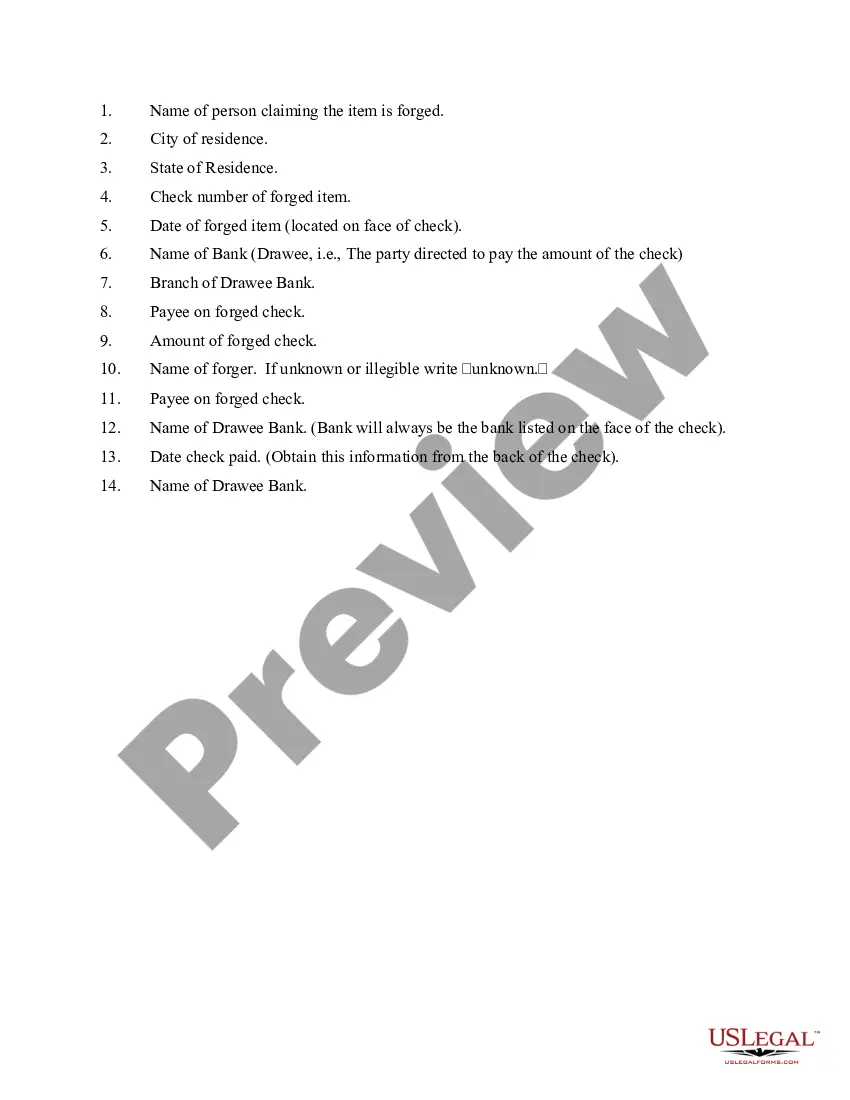
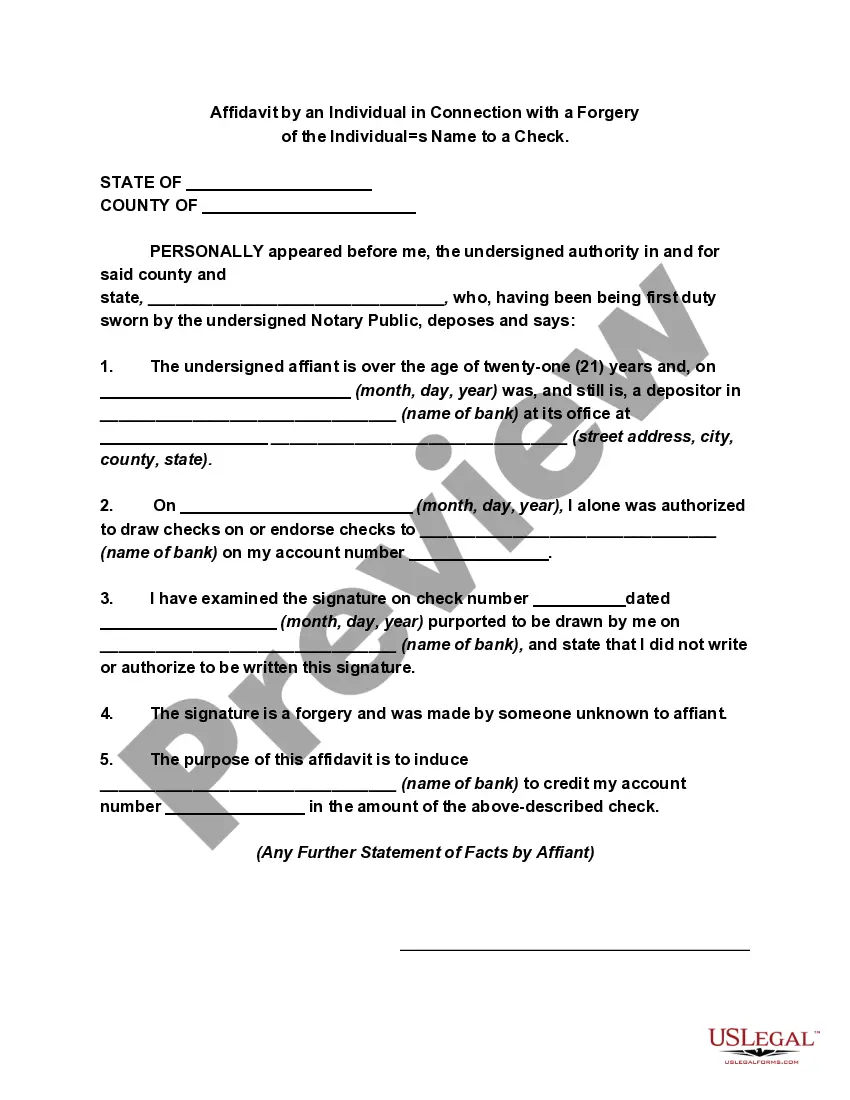
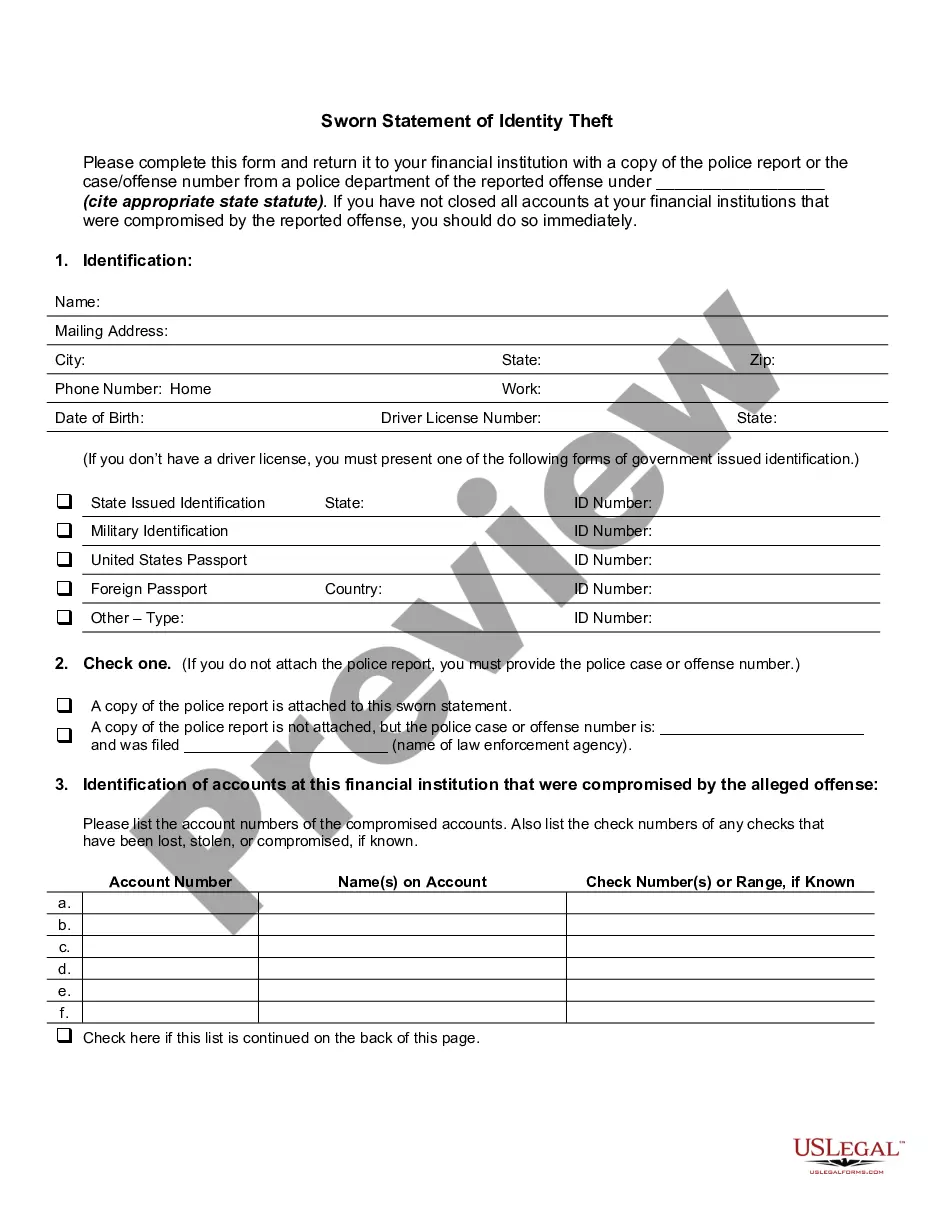
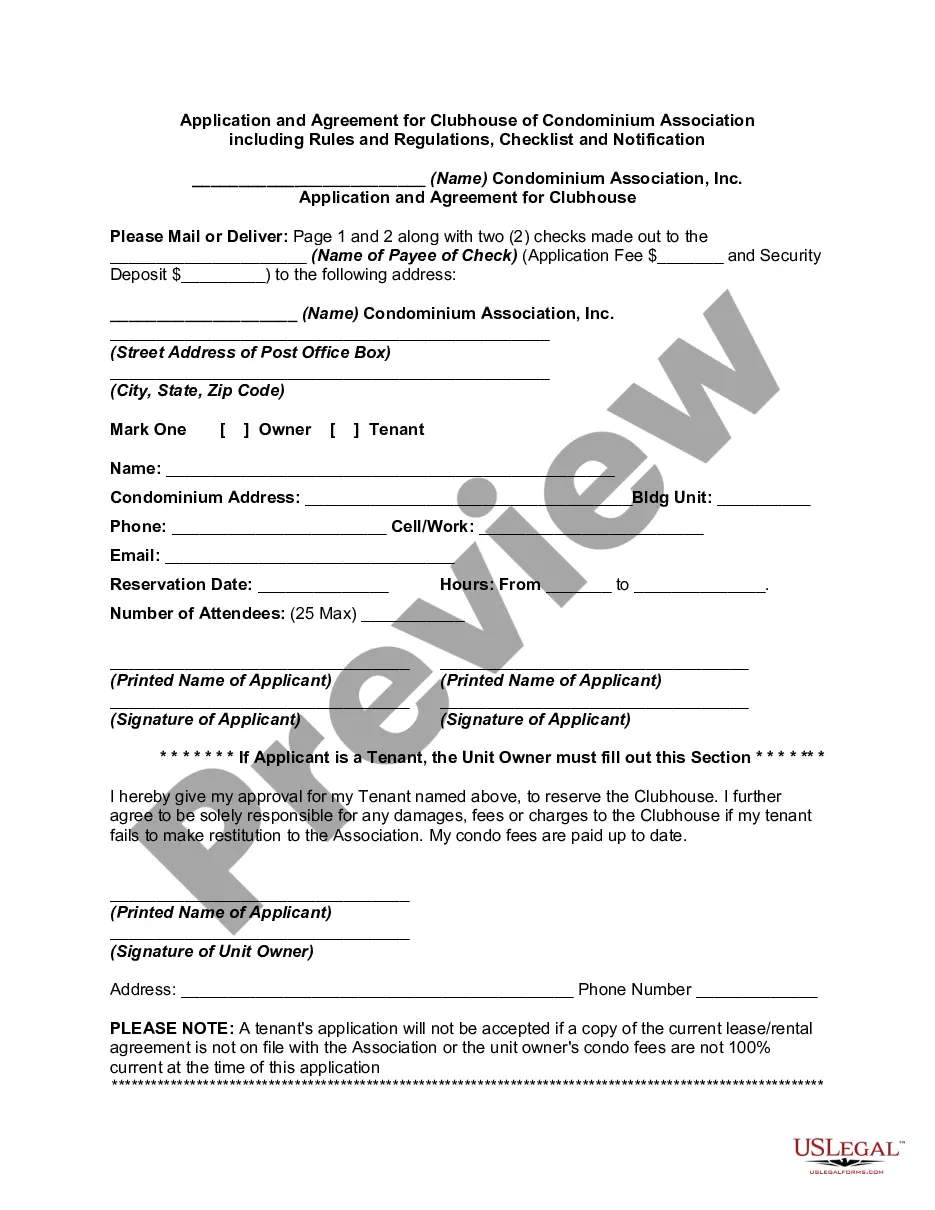
Get your form ready online
Our built-in tools help you complete, sign, share, and store your documents in one place.
Make edits, fill in missing information, and update formatting in US Legal Forms—just like you would in MS Word.
Download a copy, print it, send it by email, or mail it via USPS—whatever works best for your next step.
Sign and collect signatures with our SignNow integration. Send to multiple recipients, set reminders, and more. Go Premium to unlock E-Sign.
If this form requires notarization, complete it online through a secure video call—no need to meet a notary in person or wait for an appointment.
We protect your documents and personal data by following strict security and privacy standards.

Make edits, fill in missing information, and update formatting in US Legal Forms—just like you would in MS Word.

Download a copy, print it, send it by email, or mail it via USPS—whatever works best for your next step.

Sign and collect signatures with our SignNow integration. Send to multiple recipients, set reminders, and more. Go Premium to unlock E-Sign.

If this form requires notarization, complete it online through a secure video call—no need to meet a notary in person or wait for an appointment.

We protect your documents and personal data by following strict security and privacy standards.
Looking for another form?








Form popularity
FAQ
On the face of it, forgery and counterfeit are synonyms for – but they're not actually the same thing, especially when you're talking about falsified identity documents. Here's a look at what separates the three types of phoney documents and how spotting them requires different approaches.
A textbook definition of forgery is the making of a false document with the intent that it should be used or acted upon as if it's genuine. Therefore, the falsification of document includes altering a genuine document in any material part.
Distinction between Forgery and Making a False Document Section 464 focuses on the act of creating a false document, while forgery under Section 463 deals with the broader act of falsifying documents with the intent to cause harm, including its legal consequences.
Signature variation: Note significant changes in the signature's style. Digital analysis: Verify digital signatures through encryption methods. Witness testimony: Seek input from witnesses present during signing. Expert opinion: Consult forensic handwriting experts or document examiners.
Report to Action Fraud If you've been scammed, defrauded or experienced cyber crime, report it to Action Fraud online or by calling 0300 123 2040.
Contacting our Anti-Corruption and Fraud Hotline on 0800 00 2870. Phoning the SARS Contact Centre on 0800 00 SARS (7277) Visiting your nearest SARS branch to verify the information.
The power of ReportFraud.ftc Your report is shared with more than 2,800 law enforcers. We can't resolve your individual report, but we use reports to investigate and bring cases against fraud, scams, and bad business practices.
The national cybercrime hotline number is 155260. File your online fraud complaint at Keep validating documents ready to substantiate your claim.
