Forged Document In Court In Santa Clara
Description

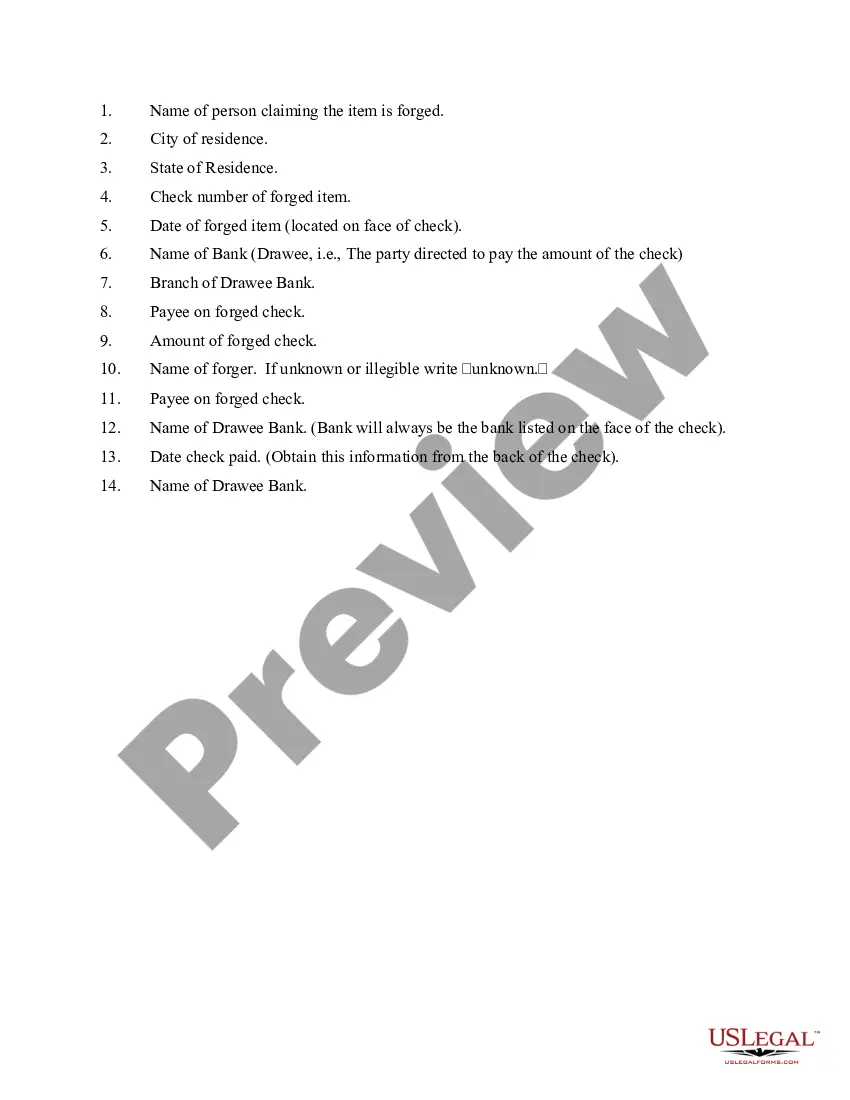
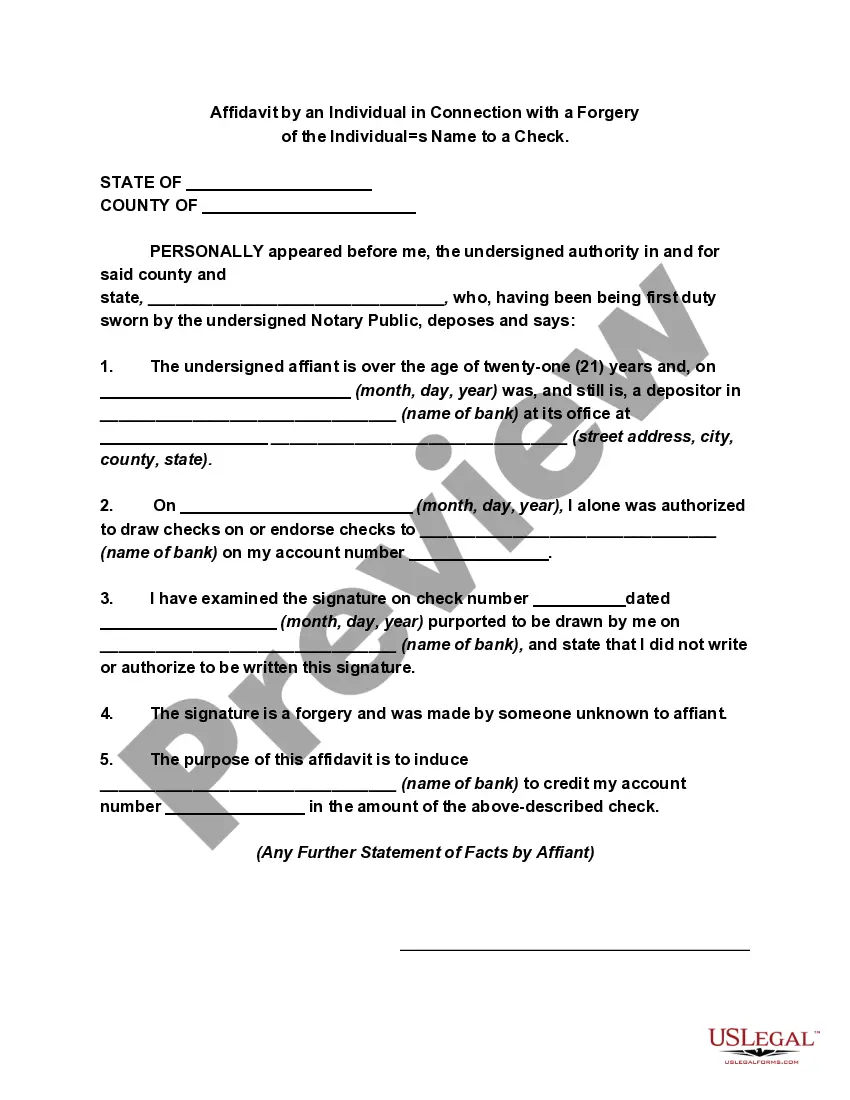
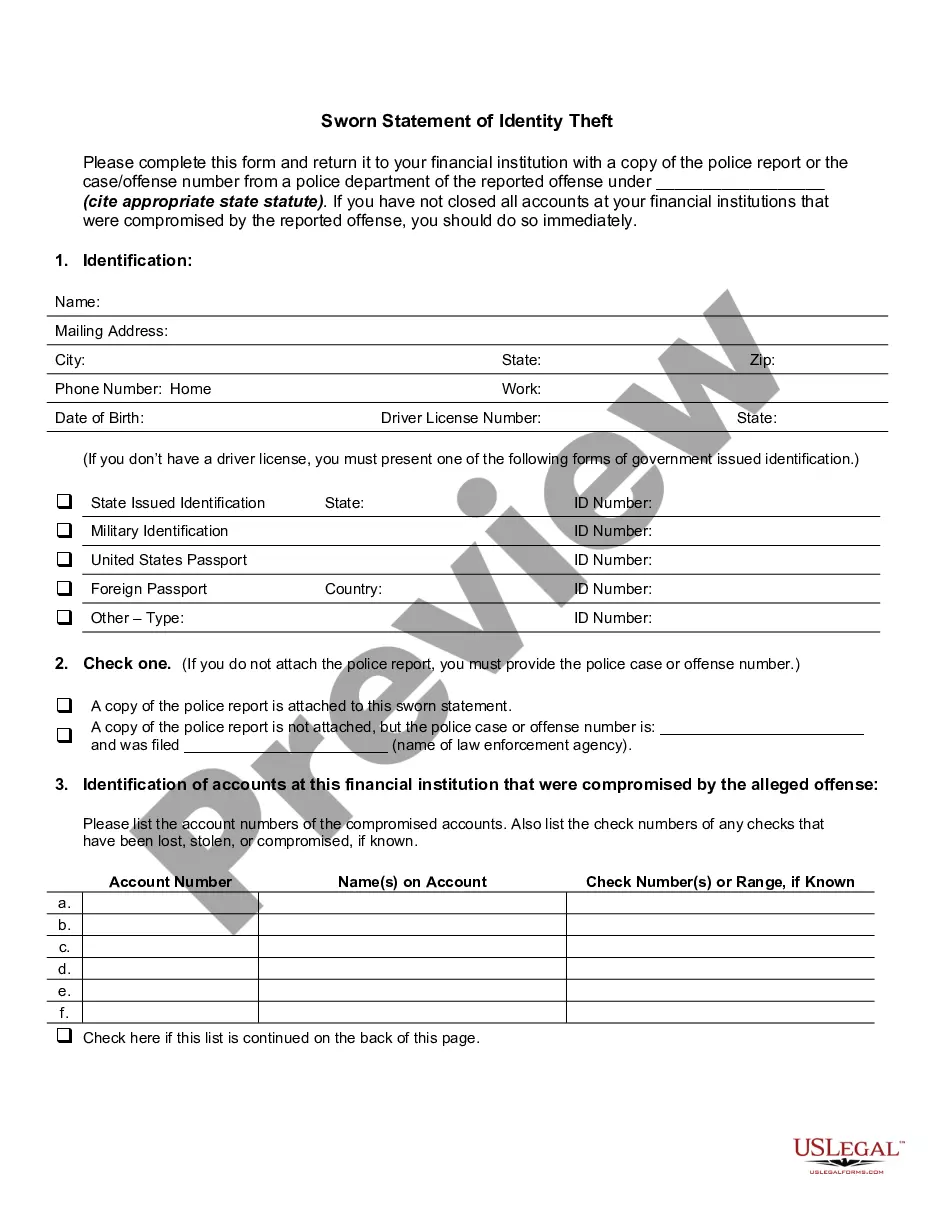
Get your form ready online
Our built-in tools help you complete, sign, share, and store your documents in one place.
Make edits, fill in missing information, and update formatting in US Legal Forms—just like you would in MS Word.
Download a copy, print it, send it by email, or mail it via USPS—whatever works best for your next step.
Sign and collect signatures with our SignNow integration. Send to multiple recipients, set reminders, and more. Go Premium to unlock E-Sign.
If this form requires notarization, complete it online through a secure video call—no need to meet a notary in person or wait for an appointment.
We protect your documents and personal data by following strict security and privacy standards.

Make edits, fill in missing information, and update formatting in US Legal Forms—just like you would in MS Word.

Download a copy, print it, send it by email, or mail it via USPS—whatever works best for your next step.

Sign and collect signatures with our SignNow integration. Send to multiple recipients, set reminders, and more. Go Premium to unlock E-Sign.

If this form requires notarization, complete it online through a secure video call—no need to meet a notary in person or wait for an appointment.

We protect your documents and personal data by following strict security and privacy standards.
Looking for another form?



Form popularity
FAQ
Document forgery is the act of creating a document from scratch, imitating a genuine one.
A counterfeit is an item that uses someone else's trademark without their permission. By making or selling a counterfeit, criminals seek to profit unfairly from the trademark owner's reputation. Counterfeiting is a fraudulent imitation (a forgery) of a trusted brand and product, and it is a serious crime.
Forgery refers to the fraudulent creation or alteration of a document with the intent to deceive others. This could involve signing someone else's name or altering an existing document in a way that misrepresents the truth.
Penal Code § 115 PC makes it a crime knowingly to file, register, or record a false or forged document in any public office within the state. Doing so is a felony punishable by up to three years in jail or prison. The language of the statute reads that: 115.
Forgery, in law, making of a false writing with an intent to defraud. Writing, to be forgery, must either have legal significance or be commonly relied upon in business transactions. It need not be handwriting; the law of forgery covers printing, engraving, and typewriting as well.
Signature forgery refers to the act of falsely replicating another person's signature.
California Penal Code § 476 prohibits check fraud. This occurs when you make, pass, utter, or publish a or fraudulent check seeking to obtain something of value.
Simple Forgery: The act of imitating someone else's signature for fraudulent or deceptive purposes. Simulated Forgery: A more sophisticated form where technology is used to duplicate the signature. Traced Forgery: Involves using a genuine signature as a template to create a forged one.
Penalties If charged as a misdemeanor, the defendant can be sentenced to up to a year in jail, restitution to the victim and substantial court fines. If charged as a felony, the defendant can potentially be sentenced to up to three years in prison, in addition to fines and restitution.
Forgery can refer to a completely fabricated document or a document that has been altered to show fraudulent information. Forging or counterfeiting a document is a criminal offense, as is knowingly using or possessing a forged or counterfeit document.
