Forgery Forensics In Pennsylvania
Description

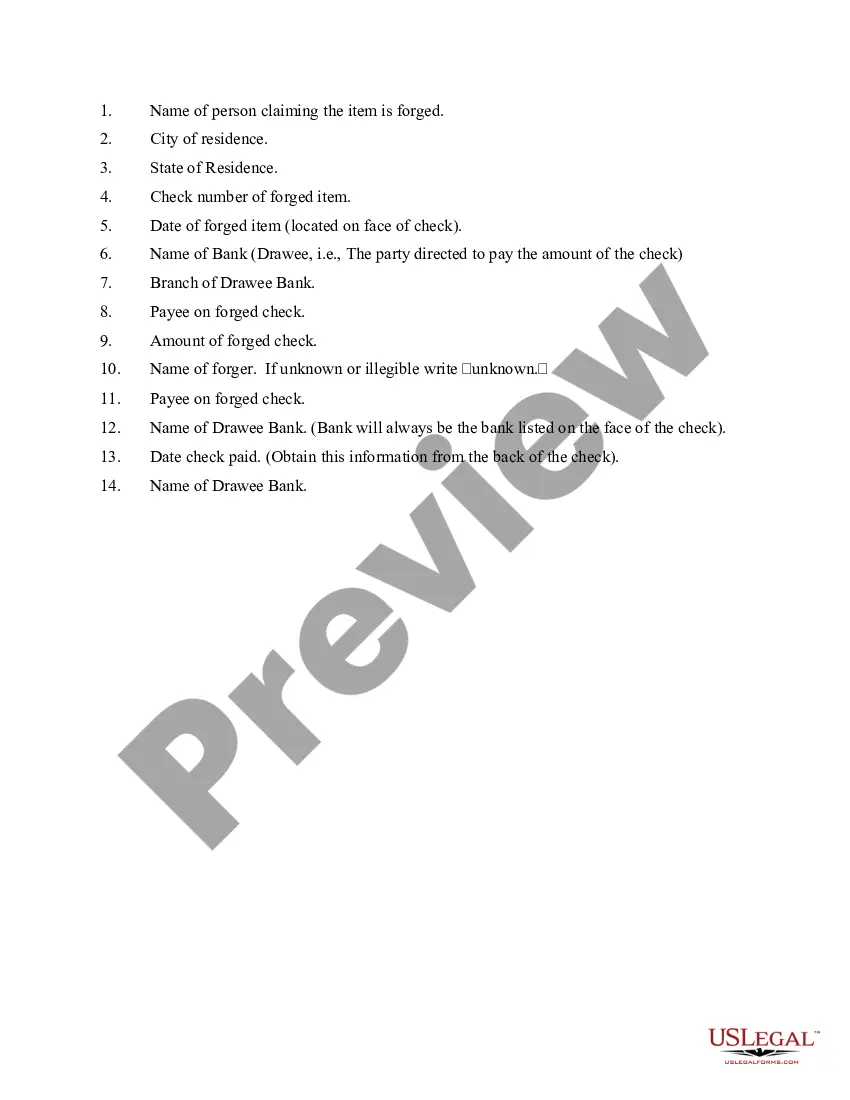
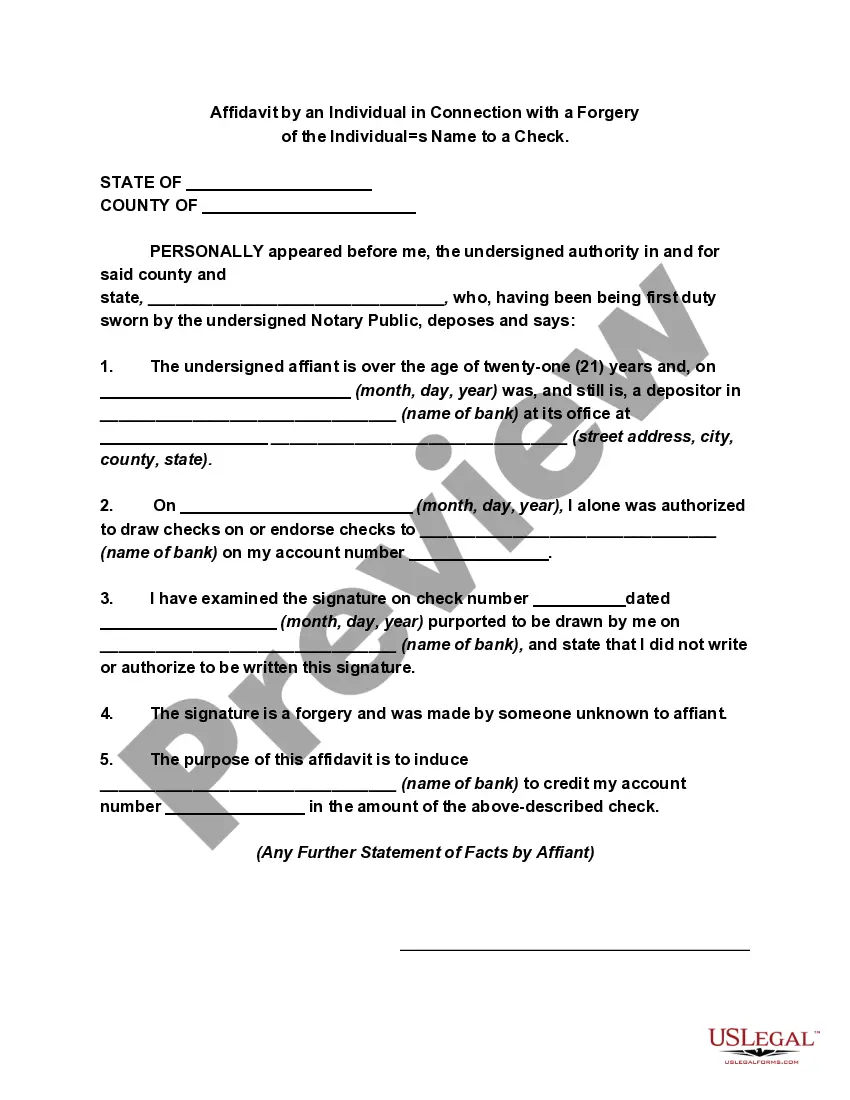
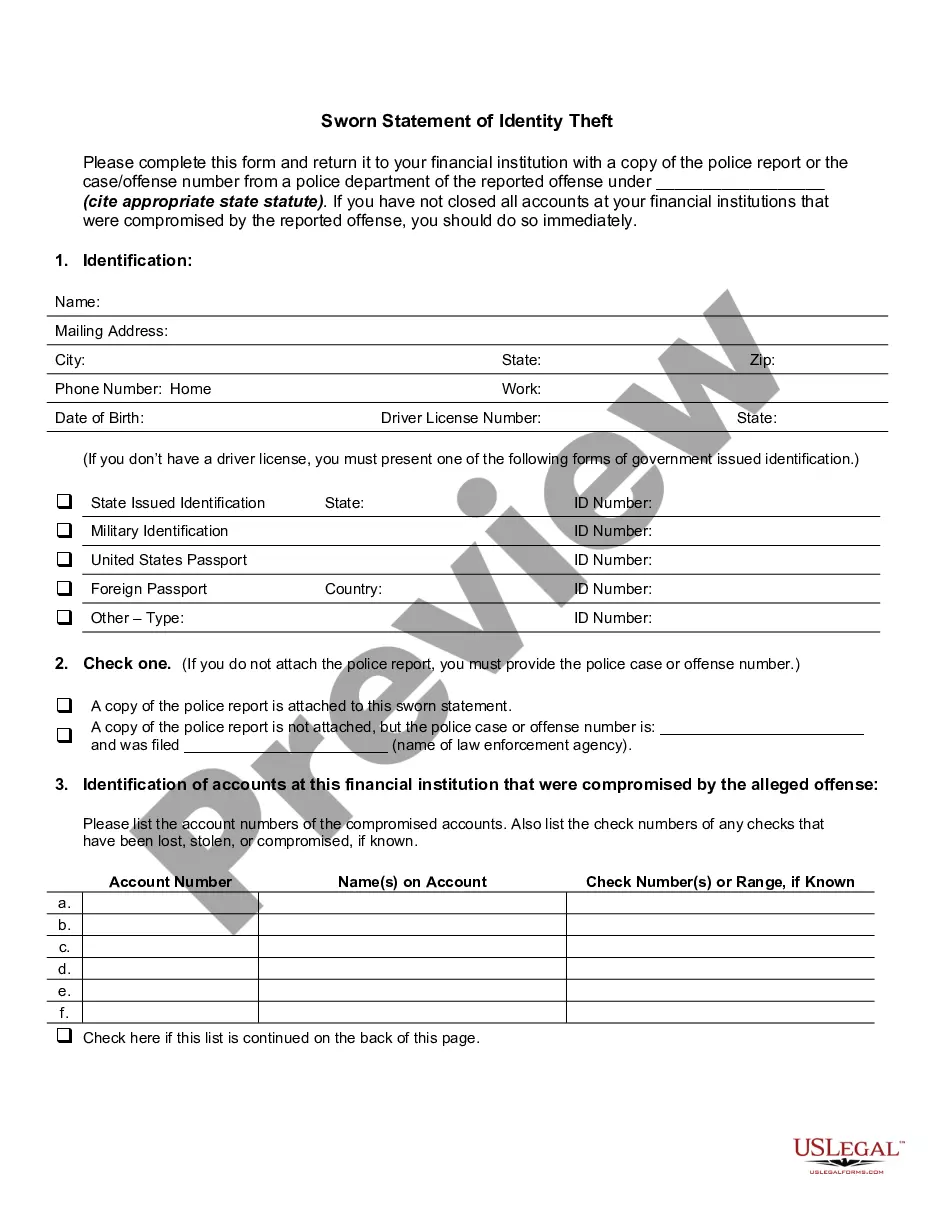
Get your form ready online
Our built-in tools help you complete, sign, share, and store your documents in one place.
Make edits, fill in missing information, and update formatting in US Legal Forms—just like you would in MS Word.
Download a copy, print it, send it by email, or mail it via USPS—whatever works best for your next step.
Sign and collect signatures with our SignNow integration. Send to multiple recipients, set reminders, and more. Go Premium to unlock E-Sign.
If this form requires notarization, complete it online through a secure video call—no need to meet a notary in person or wait for an appointment.
We protect your documents and personal data by following strict security and privacy standards.

Make edits, fill in missing information, and update formatting in US Legal Forms—just like you would in MS Word.

Download a copy, print it, send it by email, or mail it via USPS—whatever works best for your next step.

Sign and collect signatures with our SignNow integration. Send to multiple recipients, set reminders, and more. Go Premium to unlock E-Sign.

If this form requires notarization, complete it online through a secure video call—no need to meet a notary in person or wait for an appointment.

We protect your documents and personal data by following strict security and privacy standards.
Looking for another form?





Form popularity
FAQ
What is a Bad Check? The Pennsylvania Crimes Code (18 PA C.S. § 4105) sets forth that a person commits an offense if he issues or passes a check knowing that it will not be honored by the drawee.
Crimes and Offenses § 4101. Forgery. (3) utters any writing which he knows to be forged in a manner specified in paragraphs (1) or (2) of this subsection. (b) Definition.
Forgery is a felony of the third degree if the writing is or purports to be a will, deed, contract, release, commercial instrument, or other document evidencing, creating, transferring, altering, terminating or otherwise affecting legal relations. Otherwise forgery is a misdemeanor of the first degree.
5101. Obstructing administration of law or other governmental function. 5102. Obstructing or impeding the administration of justice by picketing, etc.
Forgeries are defined as any deliberate alteration of a document made with intent to deceive. The term forgery is used when a genuine document has been altered by deletion, addition, or substitution. Deletion is accomplished by erasure, scraping, or bleaching.
§ 3124.1. Sexual assault. Except as provided in section 3121 (relating to ) or 3123 (relating to involuntary deviate sexual intercourse), a person commits a felony of the second degree when that person engages in sexual intercourse or deviate sexual intercourse with a complainant without the complainant's consent.
Upon conviction, a defendant will be sentenced to a seven year imprisonment sentence and/or a fine of up to $15,000. All other instances of forgery will be charged as a first degree misdemeanor, punishable by up to five years in prison and/or a fine of $10,000.
