Forgery For Documents In Pennsylvania
Description

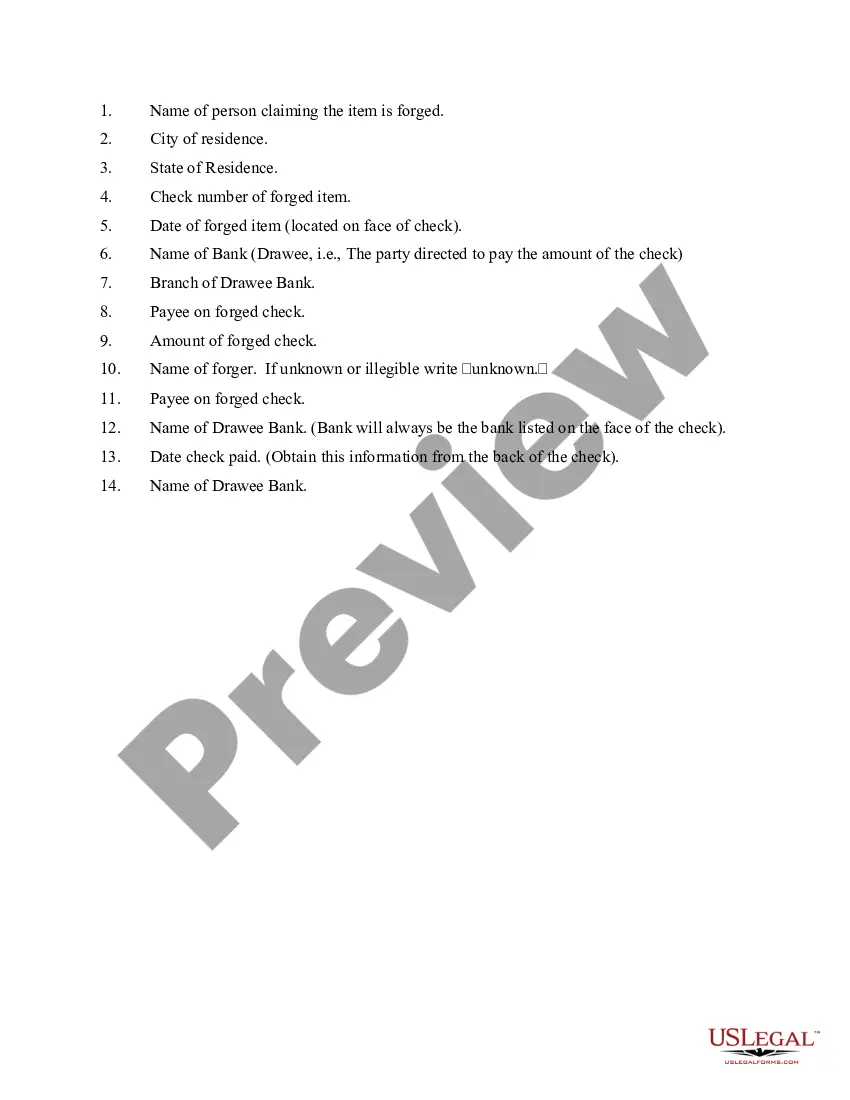
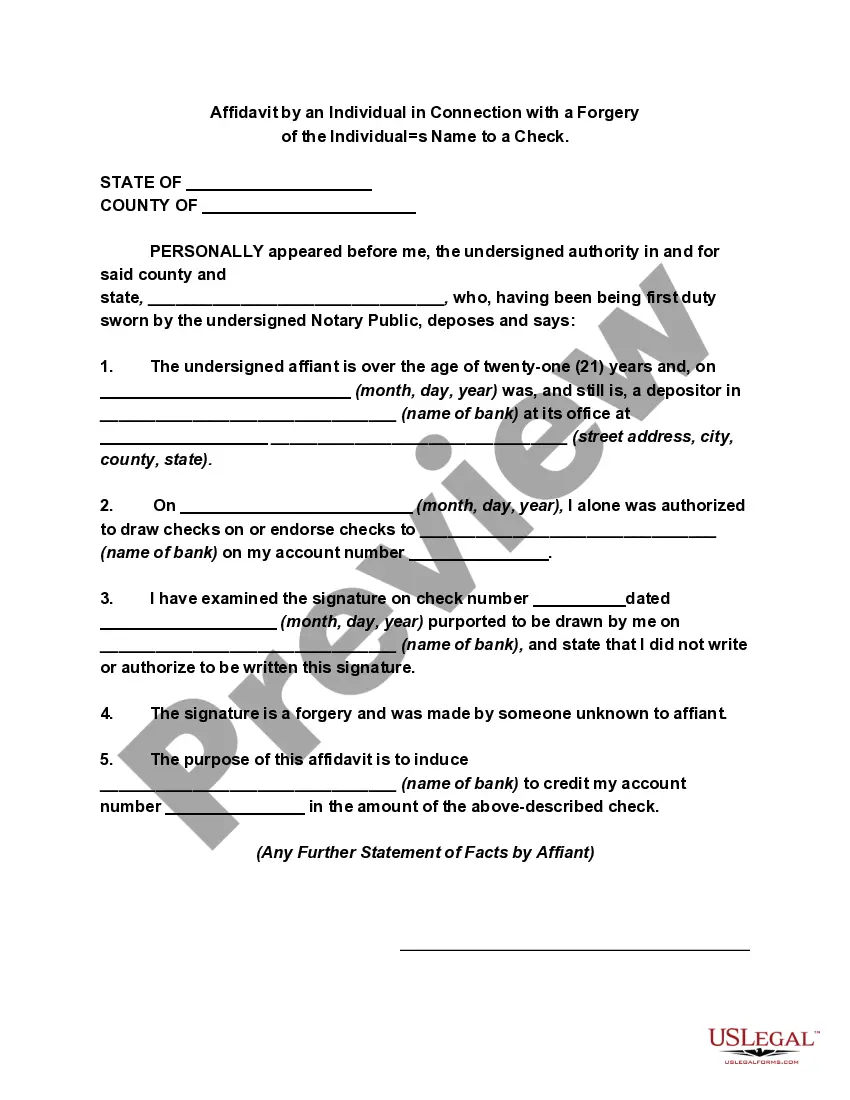
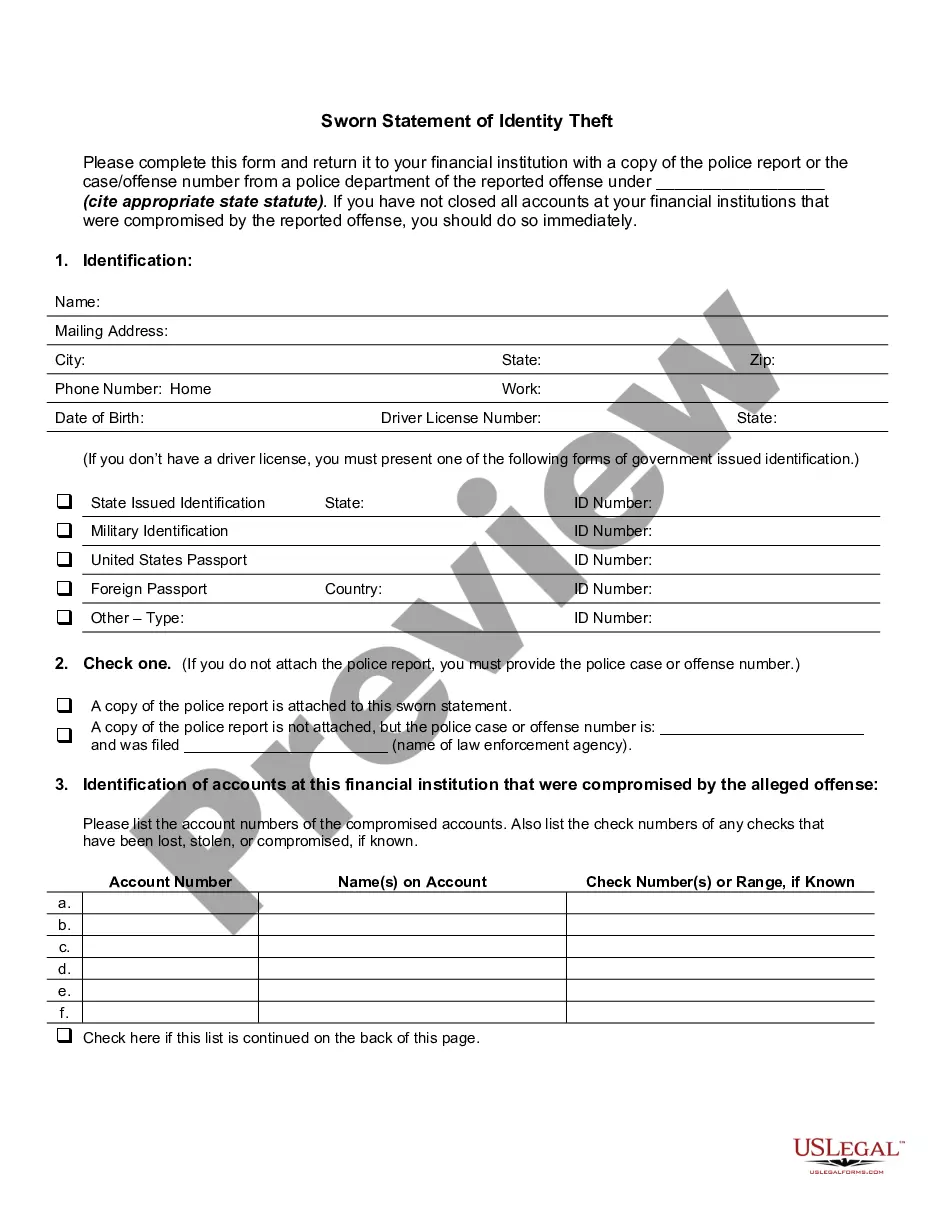
Get your form ready online
Our built-in tools help you complete, sign, share, and store your documents in one place.
Make edits, fill in missing information, and update formatting in US Legal Forms—just like you would in MS Word.
Download a copy, print it, send it by email, or mail it via USPS—whatever works best for your next step.
Sign and collect signatures with our SignNow integration. Send to multiple recipients, set reminders, and more. Go Premium to unlock E-Sign.
If this form requires notarization, complete it online through a secure video call—no need to meet a notary in person or wait for an appointment.
We protect your documents and personal data by following strict security and privacy standards.

Make edits, fill in missing information, and update formatting in US Legal Forms—just like you would in MS Word.

Download a copy, print it, send it by email, or mail it via USPS—whatever works best for your next step.

Sign and collect signatures with our SignNow integration. Send to multiple recipients, set reminders, and more. Go Premium to unlock E-Sign.

If this form requires notarization, complete it online through a secure video call—no need to meet a notary in person or wait for an appointment.

We protect your documents and personal data by following strict security and privacy standards.
Looking for another form?






Form popularity
FAQ
False evidence, fabricated evidence, forged evidence, evidence or tainted evidence is information created or obtained illegally in order to sway the verdict in a court case.
N. 1) the crime of creating a false document, altering a document, or writing a false signature for the illegal benefit of the person making the forgery.
Proving forgery in court can be challenging since it often requires the testimony of an expert who has conducted a detailed examination of various elements of a document, such as the paper, they typed fonts, the date, handwriting and time sequences all in the context of the content of the document.
Forgery is the unauthorized altering of a written document with the intent to defraud a person, organization or government entity. Forgery is a form of fraud and is a crime under section 470 of the California Penal Code.
Tampering with a certain legal instrument may be forbidden by law in some jurisdictions but such an offense is not related to forgery unless the tampered legal instrument was actually used in the course of the crime to defraud another person or entity.
Whoever commits forgery shall be punished with imprisonment of either description for a term which may extend to two years, or with fine, or with both.
It may depend on the circumstances, but if you're facing charges of forgery, it's probably a pretty big deal to you. This white-collar crime is taken seriously by law enforcement and can result in some serious penalties.
India Code: Section Details. Whoever commits forgery, intending that the 1 document or electronic record forged shall be used for the purpose of cheating, shall be punished with imprisonment of either description for a term which may extend to seven years, and shall also be liable to fine.
Section 4106.0 - Title 18 - CRIMES AND OFFENSES. § 4106. Access device fraud. (3) possesses an access device knowing that it is counterfeit, altered, incomplete or belongs to another person who has not authorized its possession.
