Forged Document In Court In Pennsylvania
Description

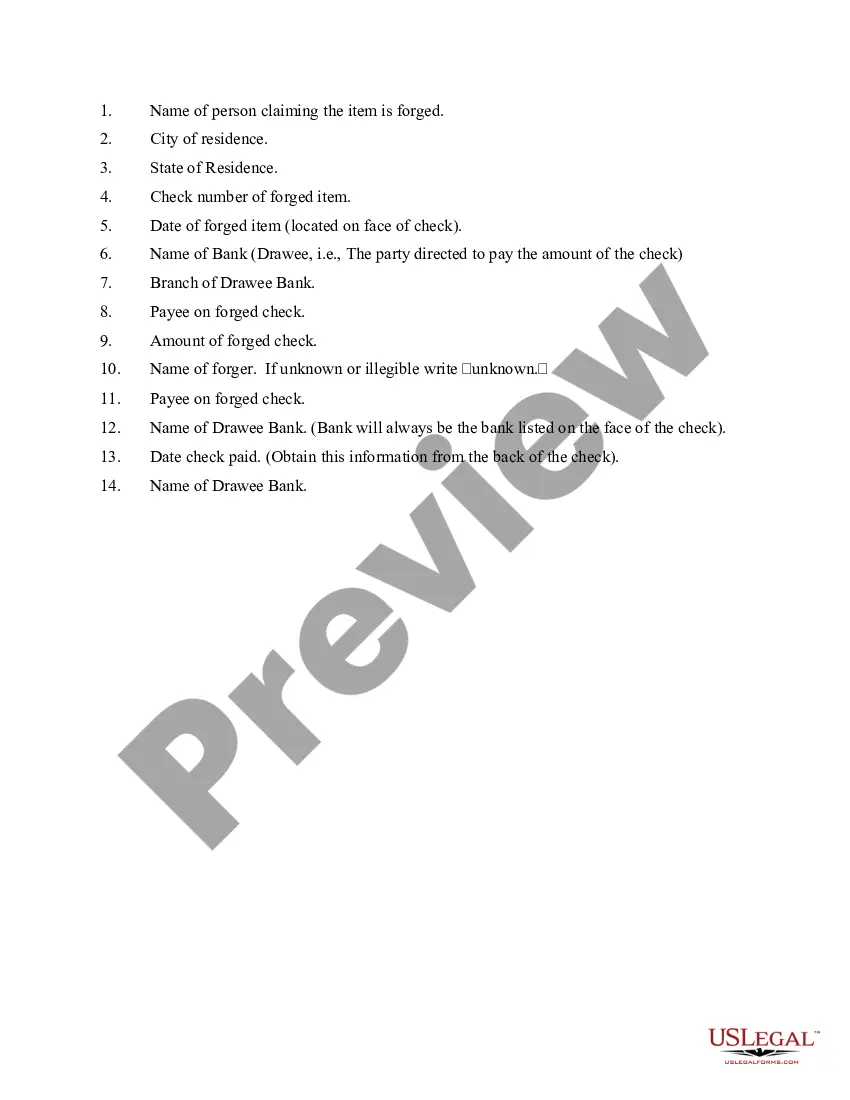
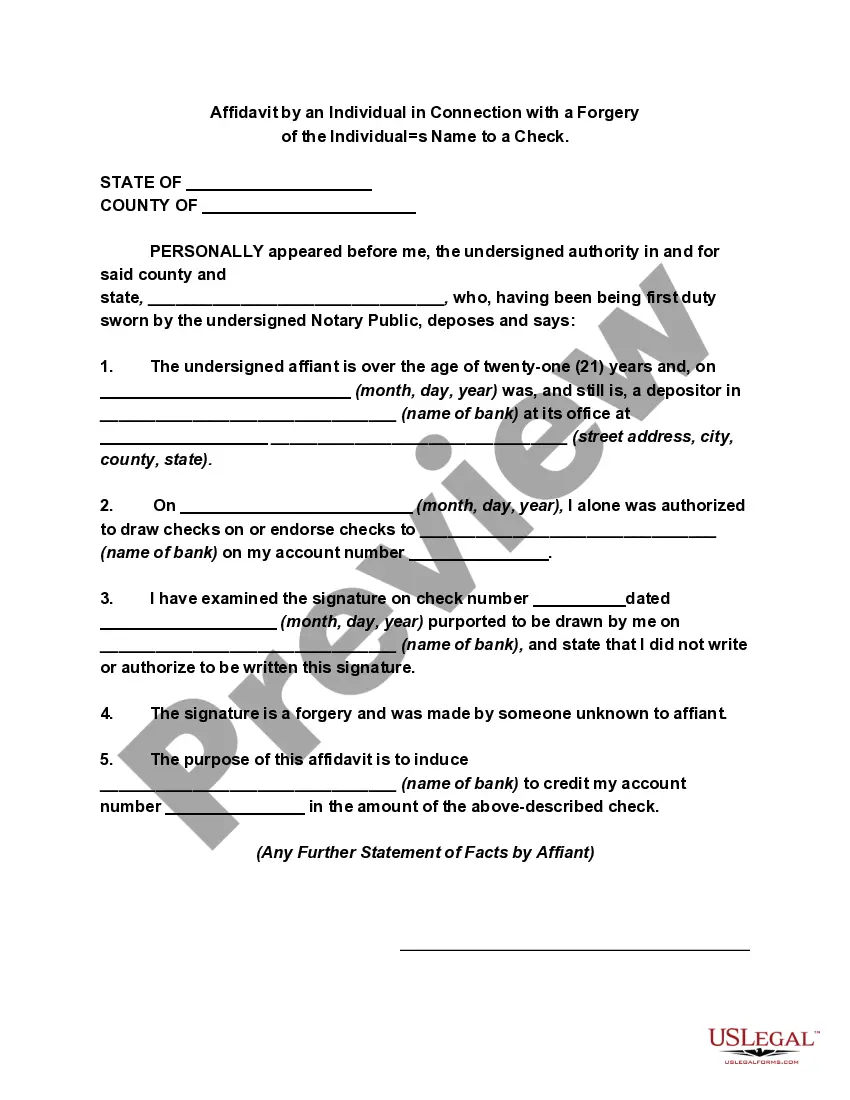
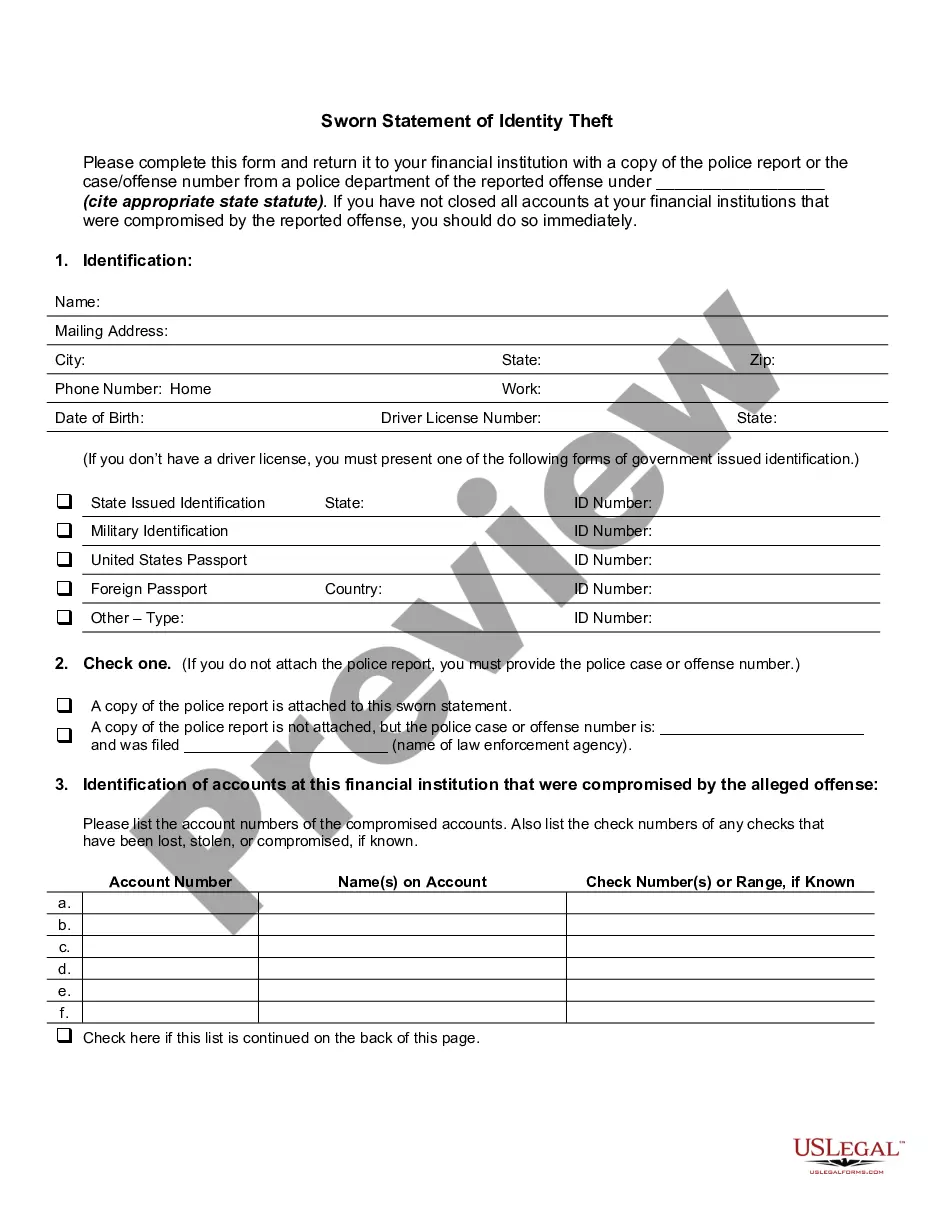
Get your form ready online
Our built-in tools help you complete, sign, share, and store your documents in one place.
Make edits, fill in missing information, and update formatting in US Legal Forms—just like you would in MS Word.
Download a copy, print it, send it by email, or mail it via USPS—whatever works best for your next step.
Sign and collect signatures with our SignNow integration. Send to multiple recipients, set reminders, and more. Go Premium to unlock E-Sign.
If this form requires notarization, complete it online through a secure video call—no need to meet a notary in person or wait for an appointment.
We protect your documents and personal data by following strict security and privacy standards.

Make edits, fill in missing information, and update formatting in US Legal Forms—just like you would in MS Word.

Download a copy, print it, send it by email, or mail it via USPS—whatever works best for your next step.

Sign and collect signatures with our SignNow integration. Send to multiple recipients, set reminders, and more. Go Premium to unlock E-Sign.

If this form requires notarization, complete it online through a secure video call—no need to meet a notary in person or wait for an appointment.

We protect your documents and personal data by following strict security and privacy standards.
Looking for another form?









Form popularity
FAQ
Proving forgery in court can be challenging since it often requires the testimony of an expert who has conducted a detailed examination of various elements of a document, such as the paper, they typed fonts, the date, handwriting and time sequences all in the context of the content of the document.
False evidence, fabricated evidence, forged evidence, evidence or tainted evidence is information created or obtained illegally in order to sway the verdict in a court case.
Signature variation: Note significant changes in the signature's style. Digital analysis: Verify digital signatures through encryption methods. Witness testimony: Seek input from witnesses present during signing. Expert opinion: Consult forensic handwriting experts or document examiners.
Tampering with a certain legal instrument may be forbidden by law in some jurisdictions but such an offense is not related to forgery unless the tampered legal instrument was actually used in the course of the crime to defraud another person or entity.
Forgery is the unauthorized altering of a written document with the intent to defraud a person, organization or government entity. Forgery is a form of fraud and is a crime under section 470 of the California Penal Code.
India Code: Section Details. Whoever commits forgery, intending that the 1 document or electronic record forged shall be used for the purpose of cheating, shall be punished with imprisonment of either description for a term which may extend to seven years, and shall also be liable to fine.
Forgery, in law, making of a false writing with an intent to defraud. Writing, to be forgery, must either have legal significance or be commonly relied upon in business transactions. It need not be handwriting; the law of forgery covers printing, engraving, and typewriting as well.
Perjury. (a) Offense defined. --A person is guilty of perjury, a felony of the third degree, if in any official proceeding he makes a false statement under oath or equivalent affirmation, or swears or affirms the truth of a statement previously made, when the statement is material and he does not believe it to be true.
§471. Obligations or securities of United States. Whoever, with intent to defraud, falsely makes, forges, counterfeits, or alters any obligation or other security of the United States, shall be fined under this title or imprisoned not more than 20 years, or both.
Forgery, in law, making of a false writing with an intent to defraud. Writing, to be forgery, must either have legal significance or be commonly relied upon in business transactions. It need not be handwriting; the law of forgery covers printing, engraving, and typewriting as well.
