Forgery Forensic Files In New York
Description

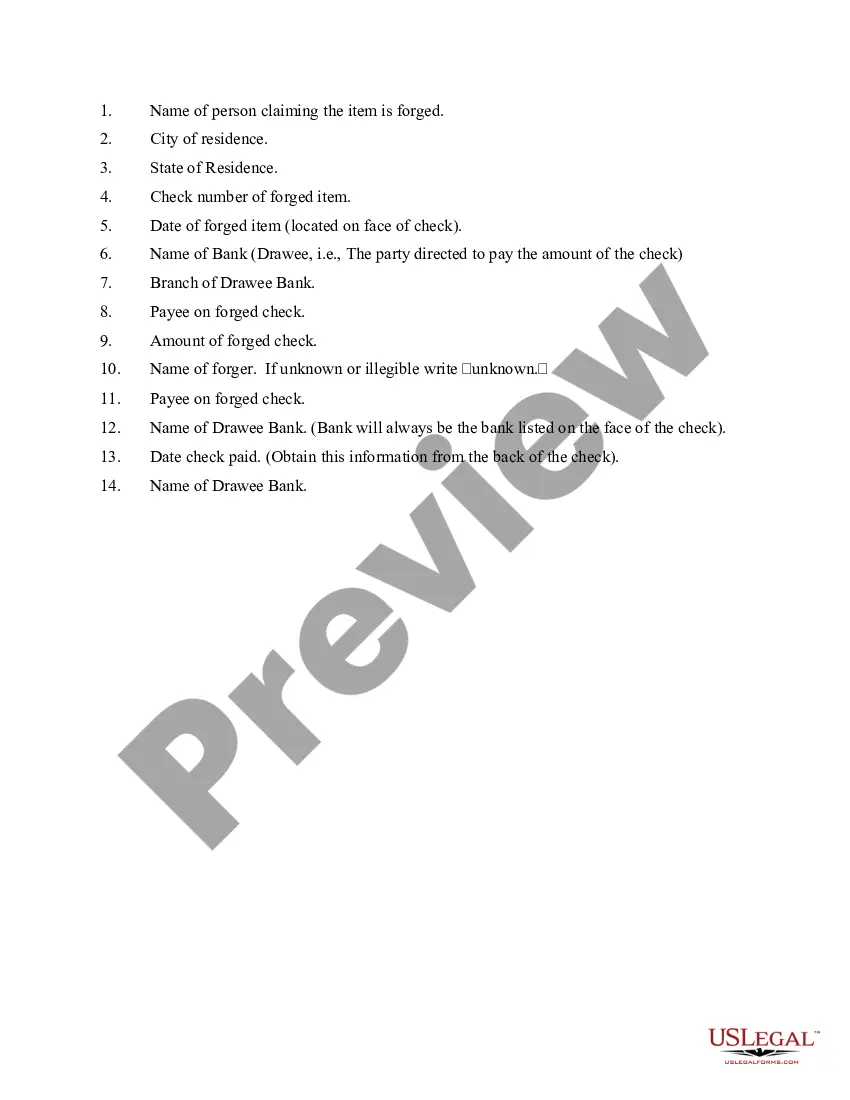
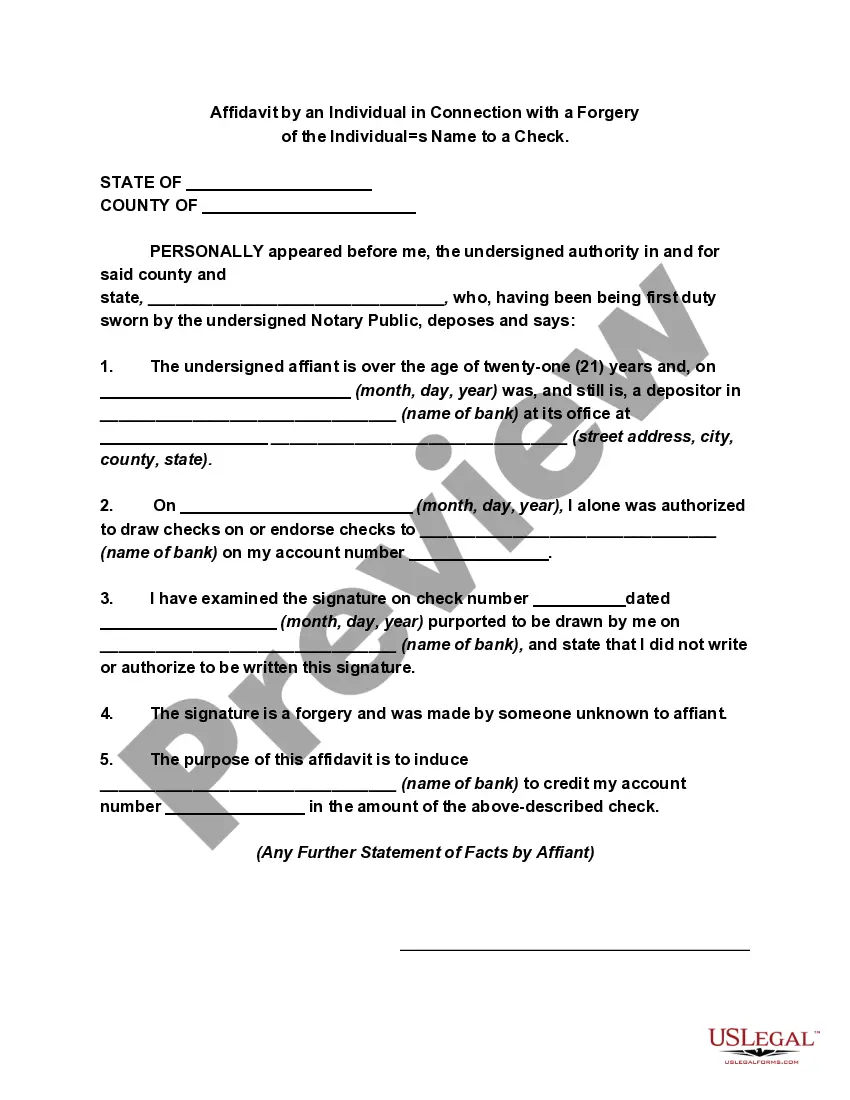
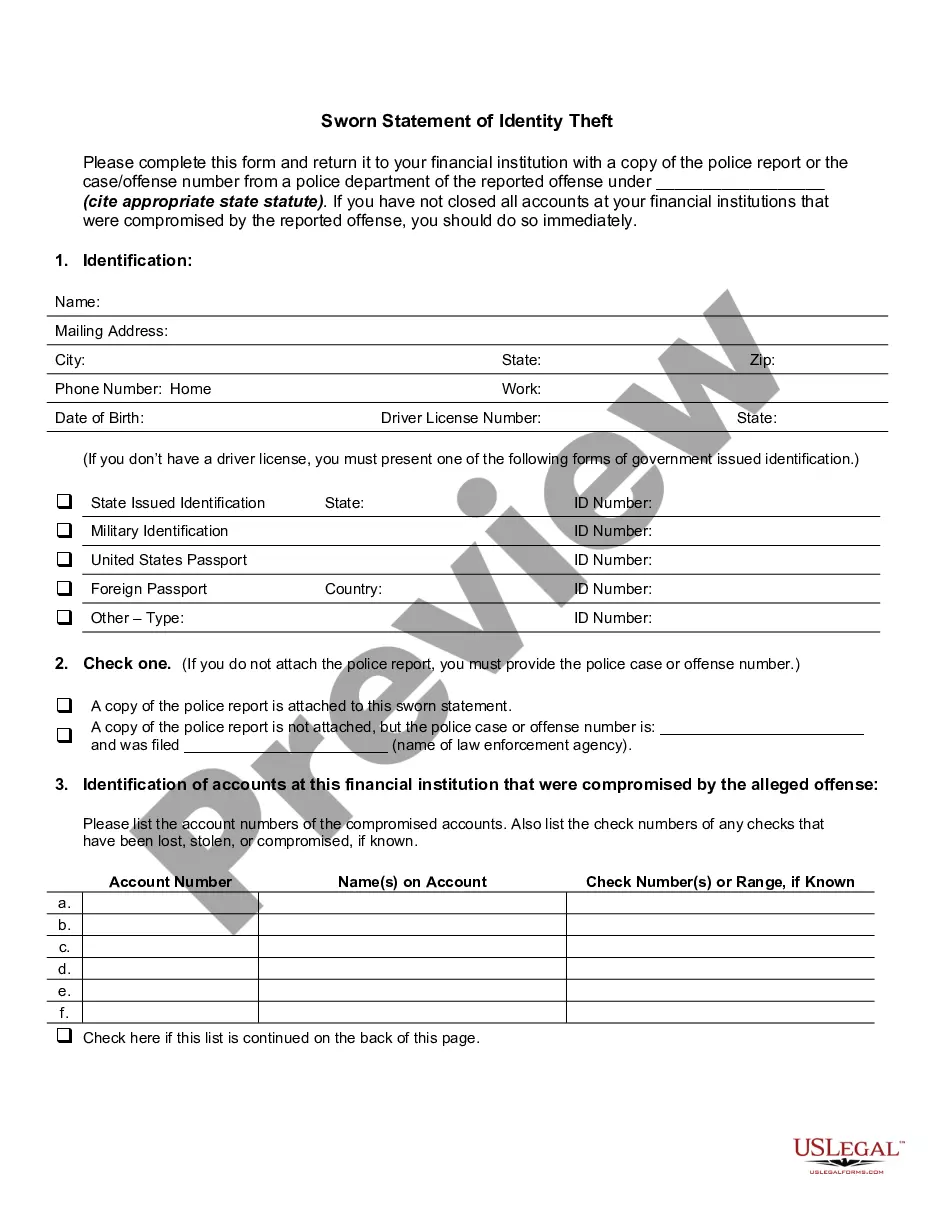
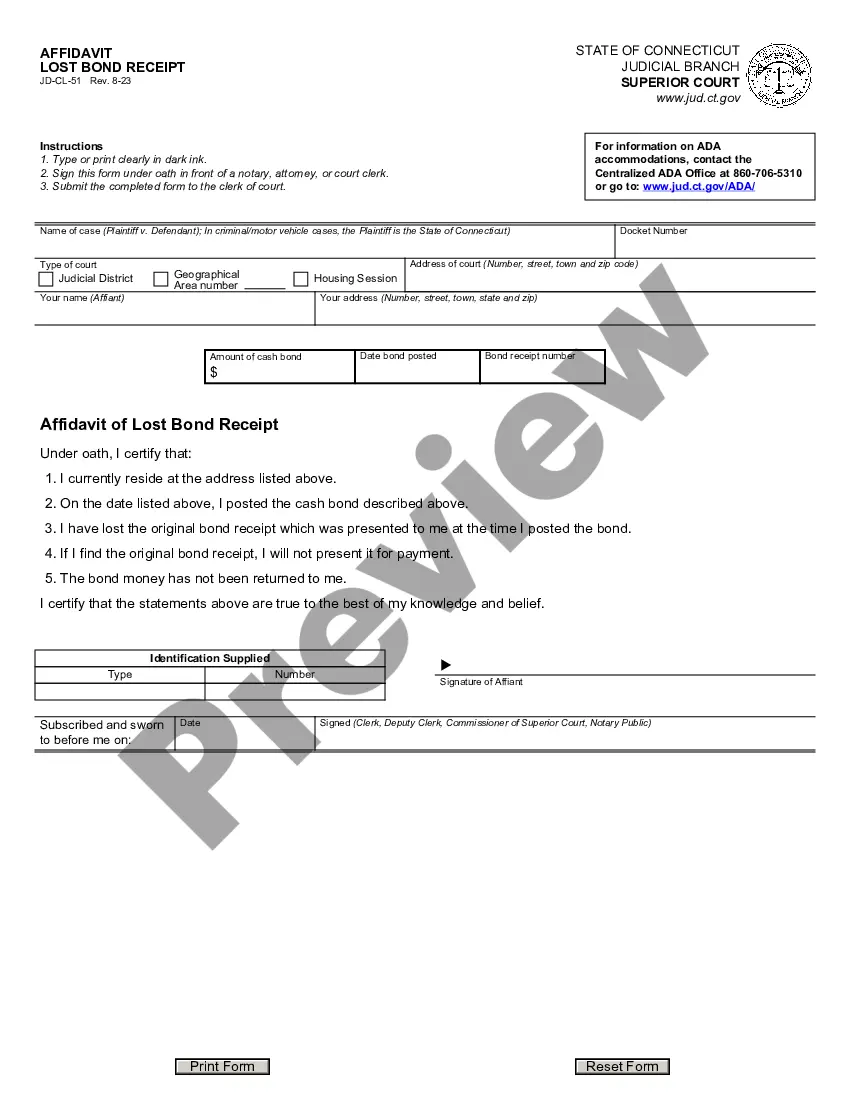
Get your form ready online
Our built-in tools help you complete, sign, share, and store your documents in one place.
Make edits, fill in missing information, and update formatting in US Legal Forms—just like you would in MS Word.
Download a copy, print it, send it by email, or mail it via USPS—whatever works best for your next step.
Sign and collect signatures with our SignNow integration. Send to multiple recipients, set reminders, and more. Go Premium to unlock E-Sign.
If this form requires notarization, complete it online through a secure video call—no need to meet a notary in person or wait for an appointment.
We protect your documents and personal data by following strict security and privacy standards.

Make edits, fill in missing information, and update formatting in US Legal Forms—just like you would in MS Word.

Download a copy, print it, send it by email, or mail it via USPS—whatever works best for your next step.

Sign and collect signatures with our SignNow integration. Send to multiple recipients, set reminders, and more. Go Premium to unlock E-Sign.

If this form requires notarization, complete it online through a secure video call—no need to meet a notary in person or wait for an appointment.

We protect your documents and personal data by following strict security and privacy standards.
Looking for another form?









Form popularity
FAQ
In New York, the statute of limitations for most non-violent felonies, including fraud, is generally five years. This five-year window begins when the fraud is committed, but there are exceptions. If the fraud involves an ongoing scheme or conspiracy, the statute may not start until the scheme ends.
If the amount of the forged check was below the statutory threshold amount, the offender may be charged with a misdemeanor with a punishment of up to a year in jail. If the forged check is above a threshold amount, the offender would be charged with a felony, and the punishment could be over a year in prison.
Different types of cases have different statutes of limitation. Under the New York statute of limitations, plaintiffs must file personal injury claims within three years, while fraud cases have a six-year statute. Most civil legal actions have a three-year statute of limitations.
Statute of Frauds Exceptions The main exception to the statute of frauds in New York is called the “part performance” exception. Essentially, the two terms refer to the same thing. Part performance refers to when one party relies on an agreement and takes action to perform his or her part of the agreement.
That means the statute of limitations is five years. Falsifying business records is typically a misdemeanor, but it becomes a felony under New York Law if it was done to commit or conceal another crime.
Forgery in the Second Degree is a New York crime that prohibits anyone from creating, completing, or altering certain written documents for the purpose of defrauding or deceiving another person or entity. Forgery in the Second Degree is a Class D felony.
No Statute of Limitations (first and second degree) Arson (first degree) Conspiracy (first degree) Criminal possession or sale of a controlled substance (first degree) Kidnapping (first degree) Aggravated enterprise corruption. Terrorism (if risk of death or serious physical injury)
The punishment for forgery varies from place to place. In most states, a person convicted of misdemeanor must face a jail sentence of at least one year. However, a conviction for felony must face an imprisonment more than one year.
Simple Forgery: The act of imitating someone else's signature for fraudulent or deceptive purposes. Simulated Forgery: A more sophisticated form where technology is used to duplicate the signature. Traced Forgery: Involves using a genuine signature as a template to create a forged one.
Any person who forges any document or electronic record is guilty of an offence which, unless otherwise stated, is a felony and he is liable, unless owing to the circumstances of the forgery or the nature of the thing forged some other punishment is provided, to imprisonment for three years.
