Forgery Forensics Definition In Minnesota
Description

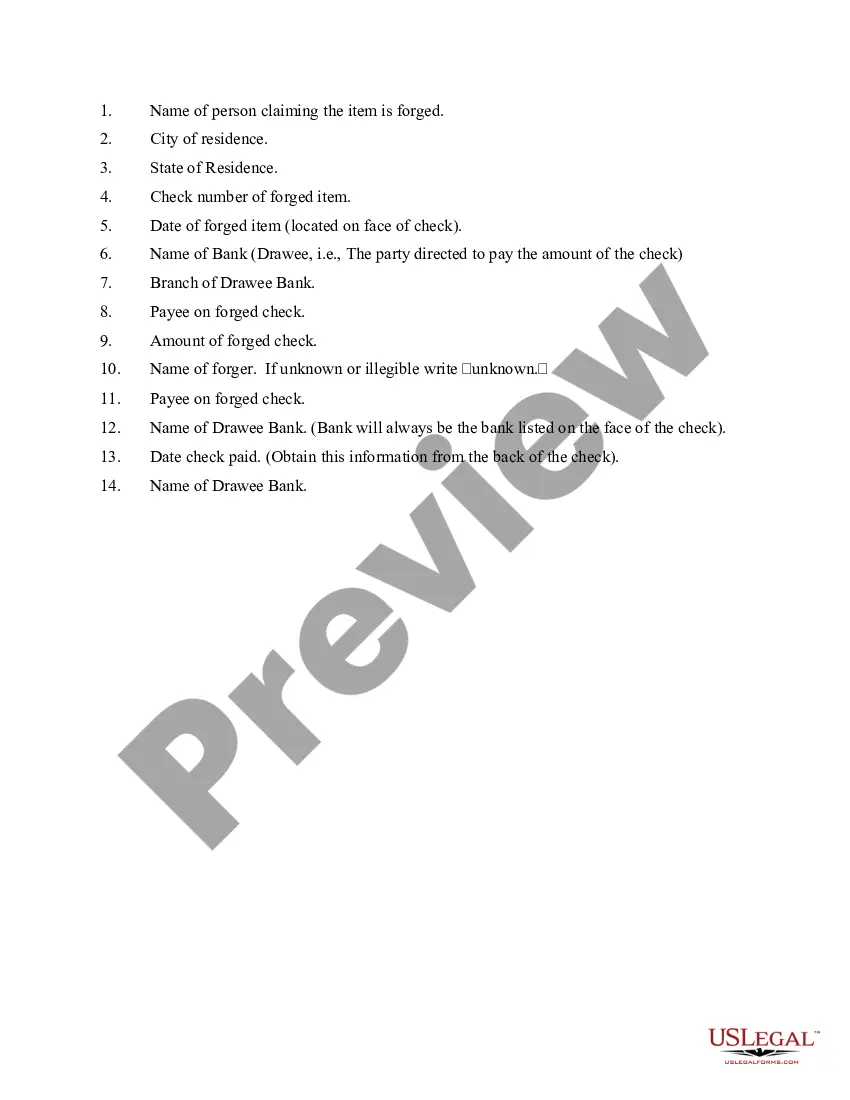
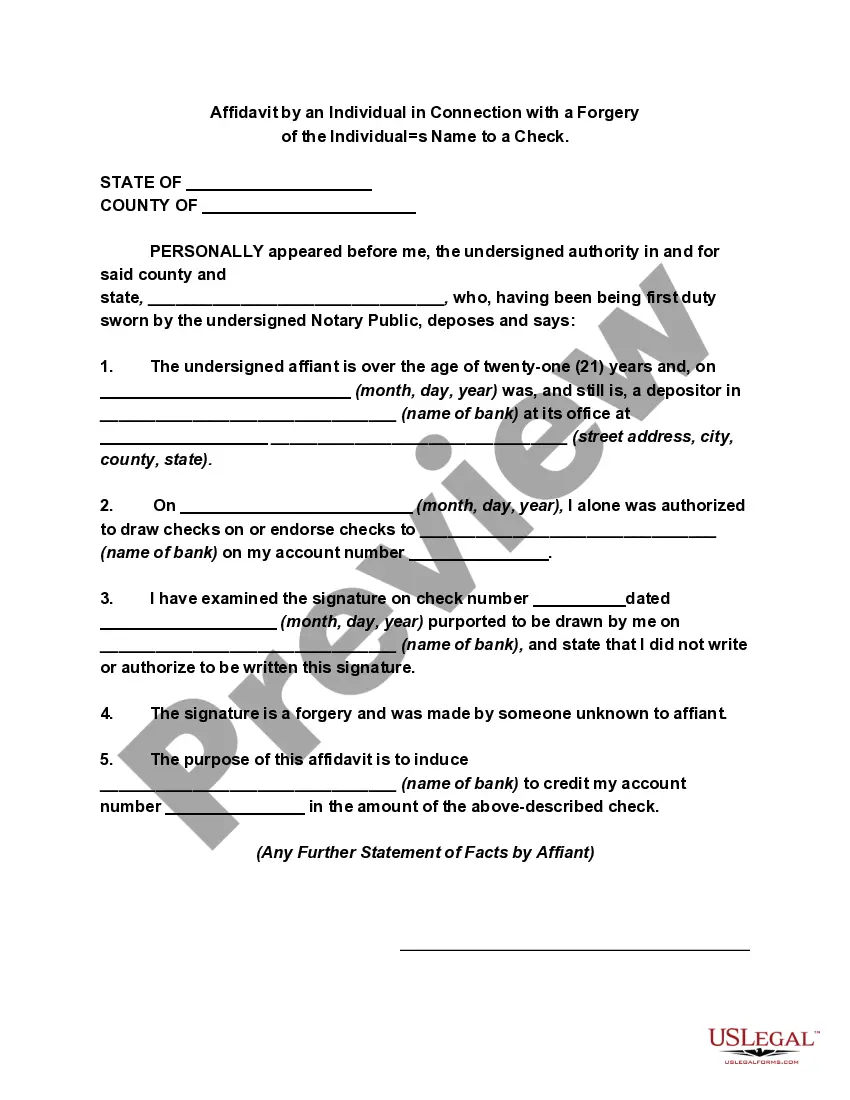
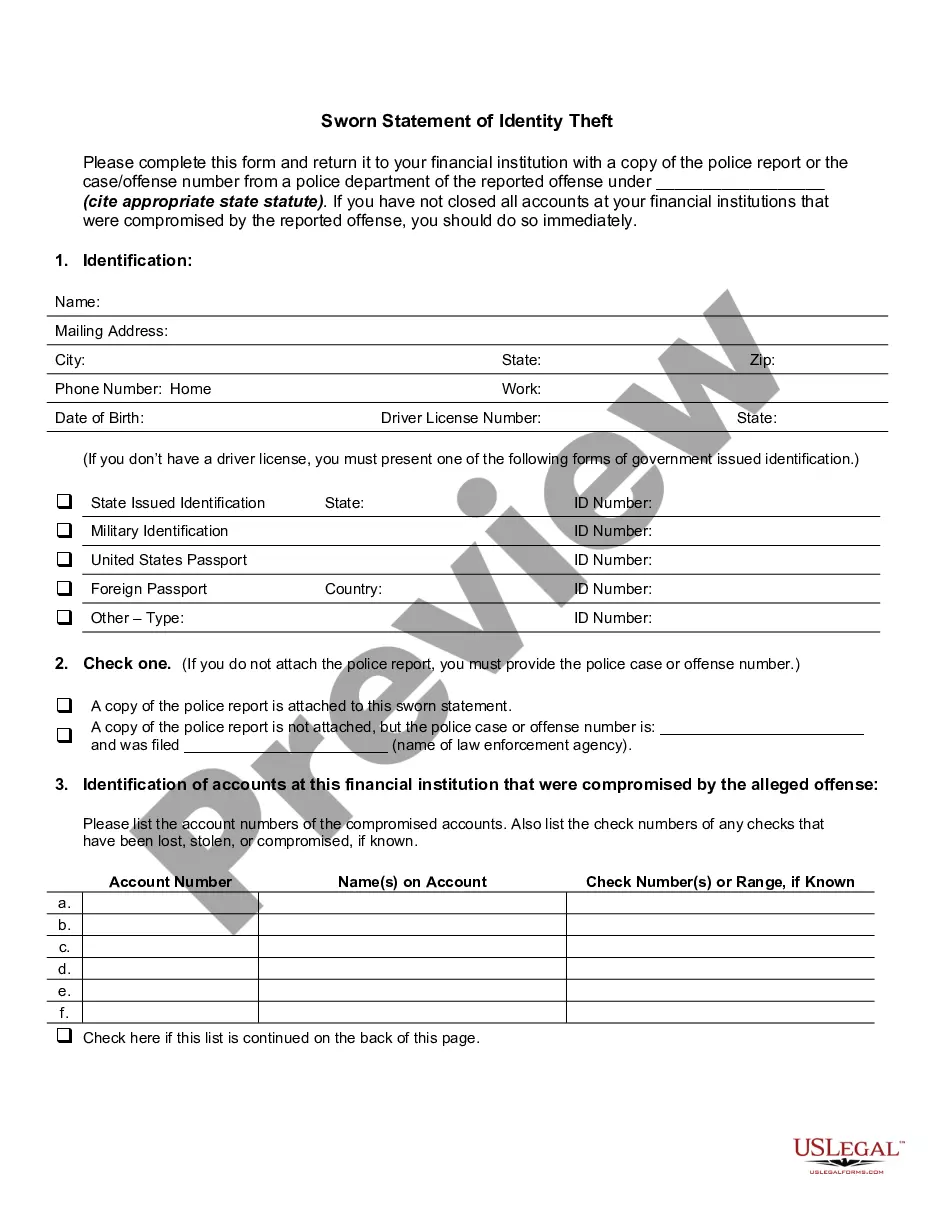
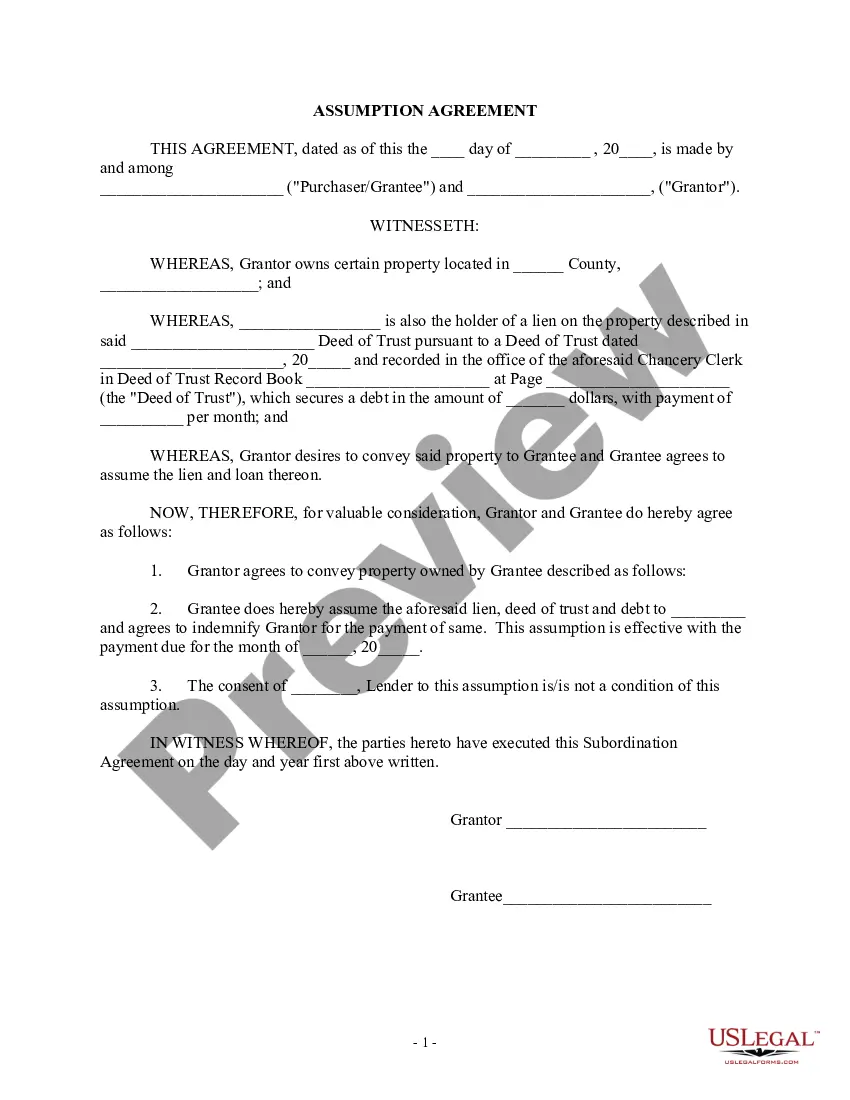
Get your form ready online
Our built-in tools help you complete, sign, share, and store your documents in one place.
Make edits, fill in missing information, and update formatting in US Legal Forms—just like you would in MS Word.
Download a copy, print it, send it by email, or mail it via USPS—whatever works best for your next step.
Sign and collect signatures with our SignNow integration. Send to multiple recipients, set reminders, and more. Go Premium to unlock E-Sign.
If this form requires notarization, complete it online through a secure video call—no need to meet a notary in person or wait for an appointment.
We protect your documents and personal data by following strict security and privacy standards.

Make edits, fill in missing information, and update formatting in US Legal Forms—just like you would in MS Word.

Download a copy, print it, send it by email, or mail it via USPS—whatever works best for your next step.

Sign and collect signatures with our SignNow integration. Send to multiple recipients, set reminders, and more. Go Premium to unlock E-Sign.

If this form requires notarization, complete it online through a secure video call—no need to meet a notary in person or wait for an appointment.

We protect your documents and personal data by following strict security and privacy standards.
Looking for another form?







Form popularity
FAQ
What are the three types of forgery? Three common types of forgery are signature forgery, art forgery, and document forgery. Each of these types of forgery involves different methods of creating or altering documents, signifiers, and objects with the intent to deceive.
A person who with fraudulent intent uses a false or fictitious name or address, or makes a material false statement, or fails to disclose a security interest, or conceals any other material fact, in an application for a certificate of title or submits a false, forged, or fictitious document in support of an application ...
Forgery, in law, making of a false writing with an intent to defraud. Writing, to be forgery, must either have legal significance or be commonly relied upon in business transactions. It need not be handwriting; the law of forgery covers printing, engraving, and typewriting as well.
Forgery Is a Felony Offense in Minnesota Forgery is generally treated as a felony in Minnesota. Upon a conviction, you could face as much as three years in state prison, a fine of no more than $5,000, or a combination of the two. The court has wide latitude on how to determine the sentence for a forgery conviction.
609.63 FORGERY. (7) destroys a writing or object to prevent it from being produced at a trial, hearing, or other proceeding authorized by law.
As a general rule in Minnesota, theft is a felony if the value of the stolen property is over $1,000. Felonies, by definition, are crimes that can lead to a year or more in state prison. If someone steals property worth between $1,000 and $5,000, they can face a five-year prison sentence and up to a $10,000 fine.
"Felony" means a crime for which a sentence of imprisonment for one year or more may be imposed.
Any motor vehicle may be equipped with not to exceed two spot lamps and every lighted spot lamp shall be so aimed and used upon approaching another vehicle that no part of the high-intensity portion of the beam will be directed on the road surface to the left of the center of the vehicle, nor more than 100 feet ahead ...
In Minnesota, the statute of limitations varies depending on the type of crime. Some crimes, such as those resulting in the death of the victim, sexual assault of an adult or minor, kidnapping, and labor trafficking of an individual under the age of 18, have no statute of limitations.