Forgery Forged Document In Mecklenburg
Description

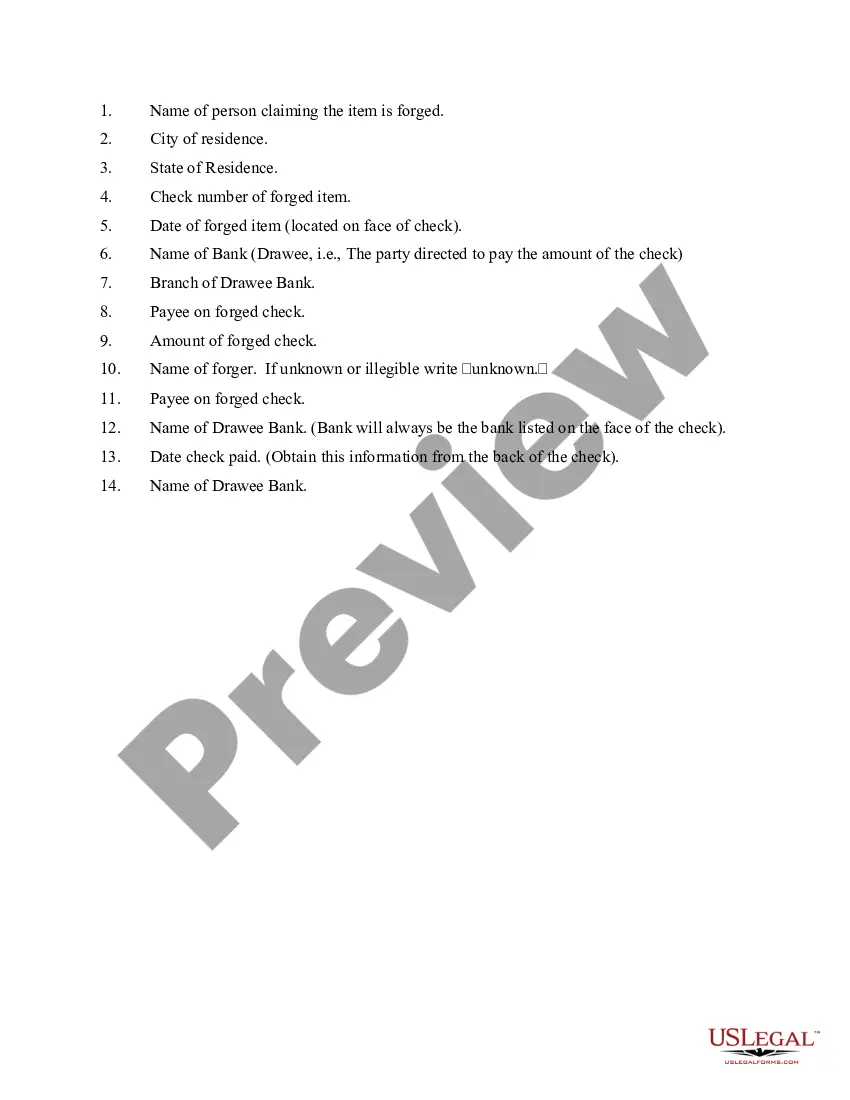
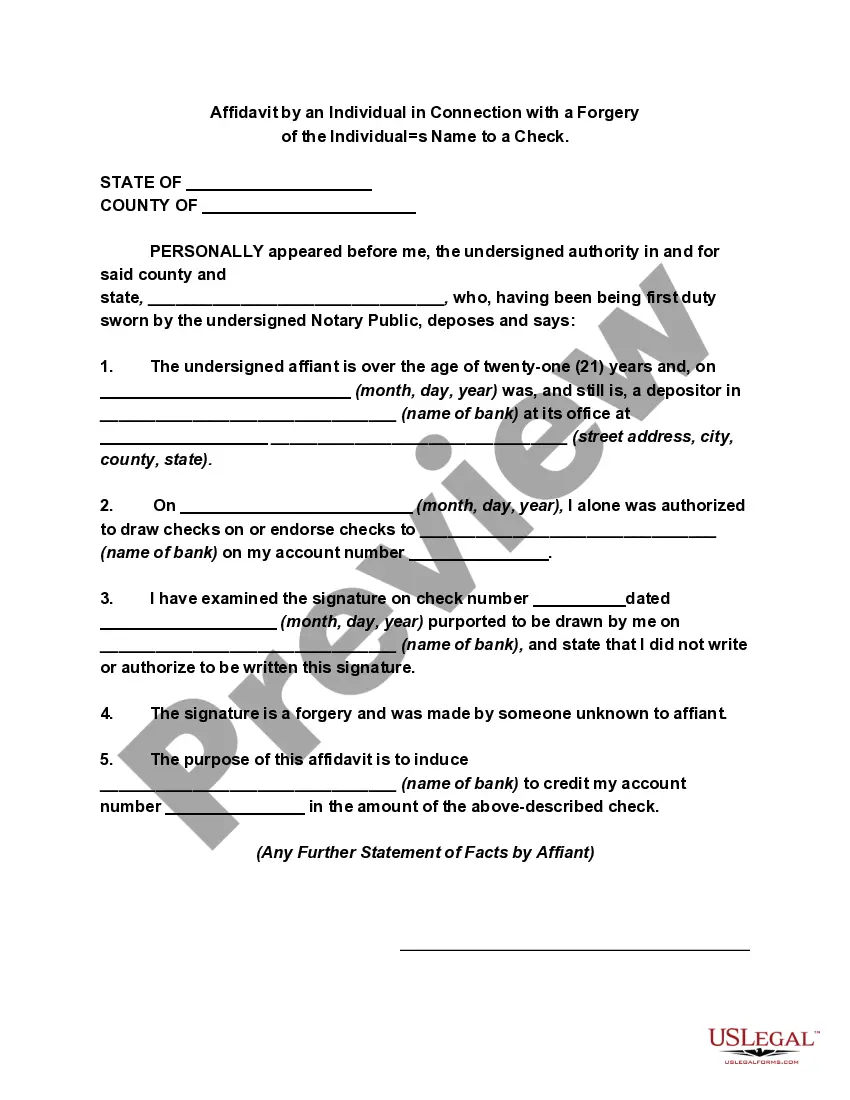
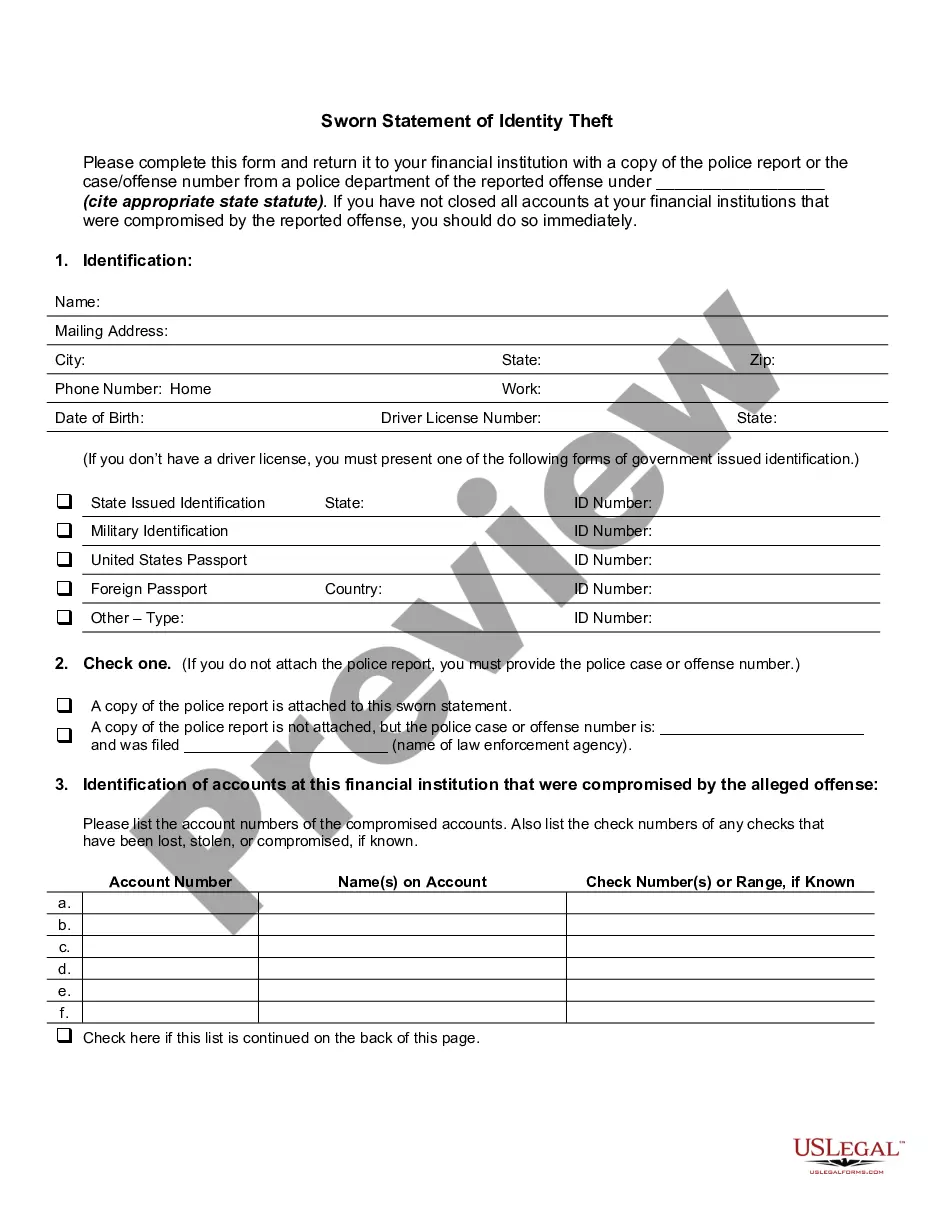
Get your form ready online
Our built-in tools help you complete, sign, share, and store your documents in one place.
Make edits, fill in missing information, and update formatting in US Legal Forms—just like you would in MS Word.
Download a copy, print it, send it by email, or mail it via USPS—whatever works best for your next step.
Sign and collect signatures with our SignNow integration. Send to multiple recipients, set reminders, and more. Go Premium to unlock E-Sign.
If this form requires notarization, complete it online through a secure video call—no need to meet a notary in person or wait for an appointment.
We protect your documents and personal data by following strict security and privacy standards.

Make edits, fill in missing information, and update formatting in US Legal Forms—just like you would in MS Word.

Download a copy, print it, send it by email, or mail it via USPS—whatever works best for your next step.

Sign and collect signatures with our SignNow integration. Send to multiple recipients, set reminders, and more. Go Premium to unlock E-Sign.

If this form requires notarization, complete it online through a secure video call—no need to meet a notary in person or wait for an appointment.

We protect your documents and personal data by following strict security and privacy standards.
Looking for another form?


Form popularity
FAQ
Consent: Prove that you had permission to sign or alter the document in question. Authenticity: Show that the signature or instrument is genuine and not forged. Coercion: Argue that you were forced to forge the document under threat or duress.
Forgery is a criminal offense. Generally, forgery charges are charged at the state level, but they can be charged as federal crimes in certain circumstances. The details of your case determine whether the case will be tried in state or federal court and the applicable laws.
How to combat document forgery Start with advanced security measures. Utilize digital document verification systems. Update and audit your workflow. Comply with legal and regulatory measures. Conduct regular education and training.
Defenses Against Forgery Charges Lack of fraudulent intent — If you did not have the intention to defraud, you may have a valid defense to forgery charges. Document Lacks Legal Significance — To be considered forgery, the document in question must have some sort of legal importance.
What are the three types of forgery? Three common types of forgery are signature forgery, art forgery, and document forgery. Each of these types of forgery involves different methods of creating or altering documents, signifiers, and objects with the intent to deceive.
Safeguarding personal information: Protect documents and sensitive materials that could give ideas to forgers. Technology-based prevention: Utilize digital signatures and pick highly secure e-signature platforms like Blueink that use two-factor authentication.
Types of Forgery and Punishments in North Carolina The punishment is a fine of 4 to 10 months in prison, a fine to be set by the judge, or both.
Skilled forgery The hardest type of forgeries to detect, these signatures are produced by criminals who have spent a lot of time practicing and have the ability to replicate the actual signatures in a way that looks both accurate and relatively fluent to the eye.
Forgery, in law, making of a false writing with an intent to defraud. Writing, to be forgery, must either have legal significance or be commonly relied upon in business transactions. It need not be handwriting; the law of forgery covers printing, engraving, and typewriting as well.
If d documents are produced by amateurs there are some key slip-ups you can spot. Numbers missing or not adding up. Data entry errors. Altered elements. Edited logos.
