Forgery Forged Instrument In Los Angeles
Description

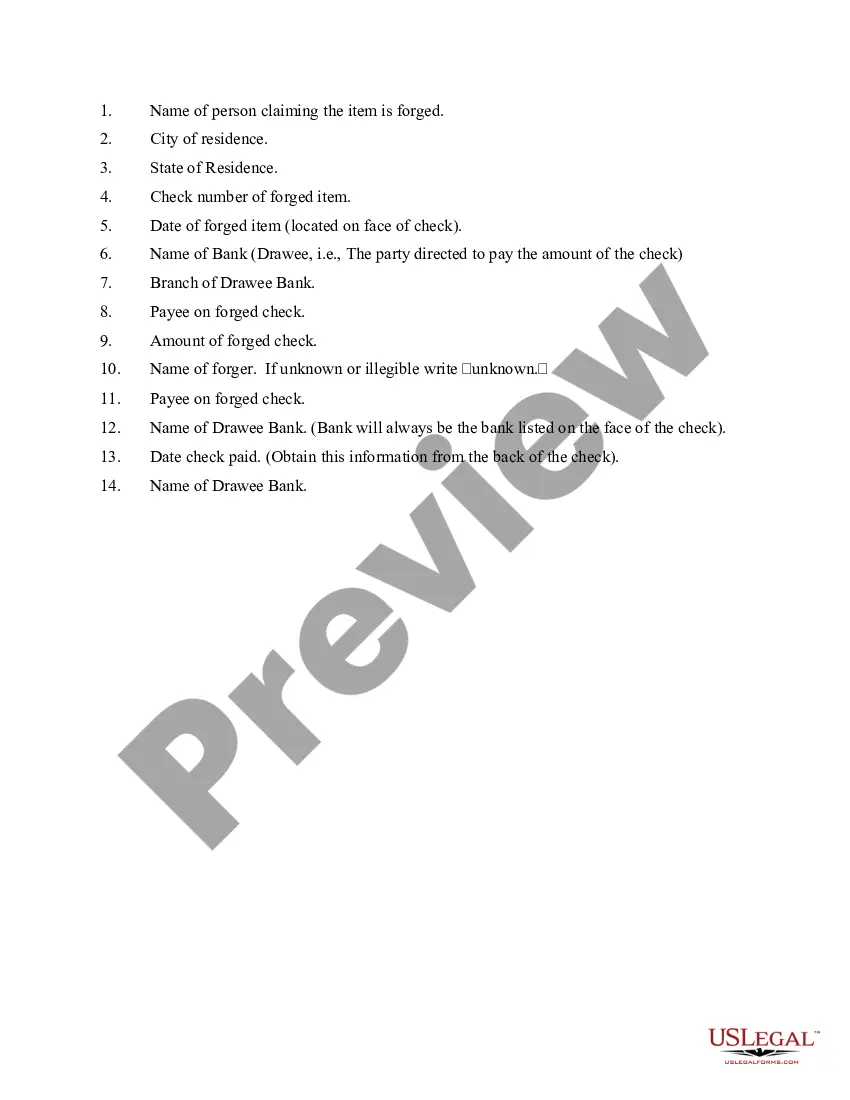
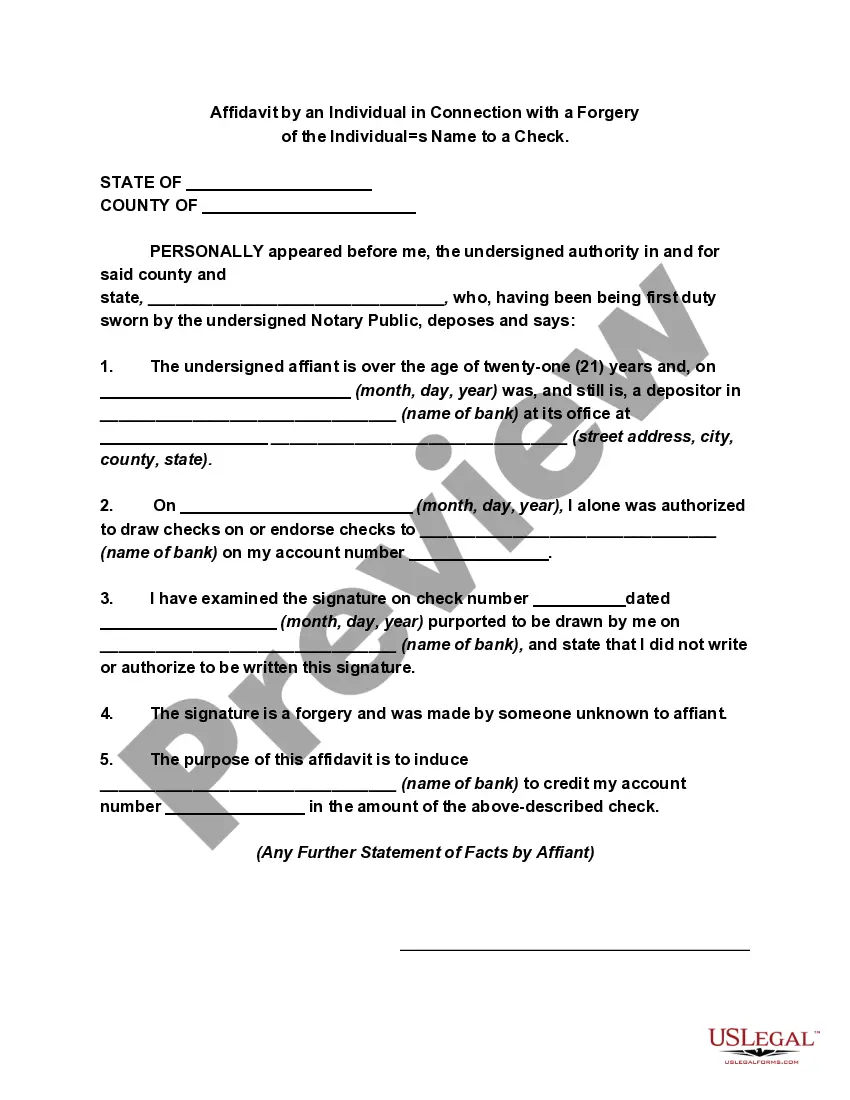
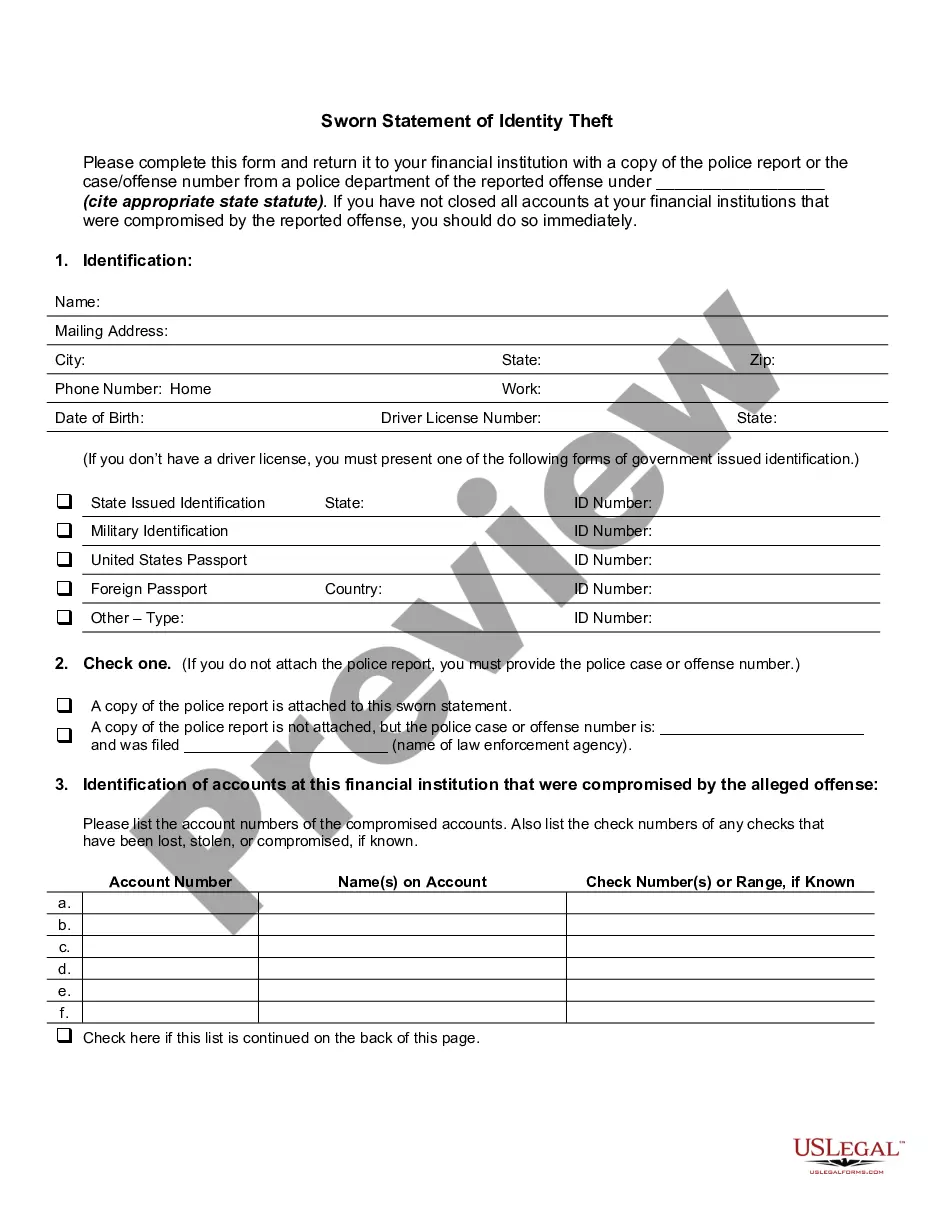
Get your form ready online
Our built-in tools help you complete, sign, share, and store your documents in one place.
Make edits, fill in missing information, and update formatting in US Legal Forms—just like you would in MS Word.
Download a copy, print it, send it by email, or mail it via USPS—whatever works best for your next step.
Sign and collect signatures with our SignNow integration. Send to multiple recipients, set reminders, and more. Go Premium to unlock E-Sign.
If this form requires notarization, complete it online through a secure video call—no need to meet a notary in person or wait for an appointment.
We protect your documents and personal data by following strict security and privacy standards.

Make edits, fill in missing information, and update formatting in US Legal Forms—just like you would in MS Word.

Download a copy, print it, send it by email, or mail it via USPS—whatever works best for your next step.

Sign and collect signatures with our SignNow integration. Send to multiple recipients, set reminders, and more. Go Premium to unlock E-Sign.

If this form requires notarization, complete it online through a secure video call—no need to meet a notary in person or wait for an appointment.

We protect your documents and personal data by following strict security and privacy standards.
Looking for another form?







Form popularity
FAQ
Whoever, with intent to defraud, falsely makes, forges, counterfeits, or alters any obligation or other security of the United States, shall be fined under this title or imprisoned not more than 20 years, or both.
Current through the 2023 Legislative Session. Whenever, by any of the provisions of this Code, an intent to defraud is required in order to constitute any offense, it is sufficient if an intent appears to defraud any person, association, or body politic or corporate, whatever. Enacted 1872.
Penal Code 470 PC is a “wobbler” that can be charged as a misdemeanor or felony crime based on the amount of loss and the defendant's criminal record. A conviction for felony forgery can result in up to three years in prison, a $10,000 fine, and victim restitution.
The first two degrees are felonies and the third degree amounts to a misdemeanor. The first degree forgery involves the actual presentation or use of any falsely made, altered or possessed document with the intent to deceive or defraud. The second degree forgery does not require use or presentation of the documents.
(a) Every person who feloniously steals, takes, carries, leads, or drives away any horse, mare, gelding, any bovine animal, any caprine animal, mule, jack, jenny, sheep, lamb, hog, sow, boar, gilt, barrow, or pig, which is the personal property of another, or who fraudulently appropriates that same property which has ...
California Penal Code § 470a PC makes it a crime to alter, falsify, forge or duplicate a driver's license or a government-issued identification card. Doing so is a felony punishable by up to three years in jail or prison.
Second-Degree Criminal Possession of a Forged Instrument Examples might include: Forged checks or credit card receipts. driver's licenses or state IDs. Altered legal documents like wills or deeds.
A FORGED INSTRUMENT means a written instrument which has been falsely made, completed or altered. 6 The words "written instrument," "falsely made," "falsely completed," and "falsely altered" used in the definition of "forged instrument" also have their own special meanings.
California Penal Code § 476 prohibits check fraud. This occurs when you make, pass, utter, or publish a or fraudulent check seeking to obtain something of value.
One example of forgery is when someone signs another person's name to a document without their permission or knowledge. Another example of forgery is when someone creates a false government document, such as a driver's license.
