Forgery With Written Instrument Arizona In King
Description

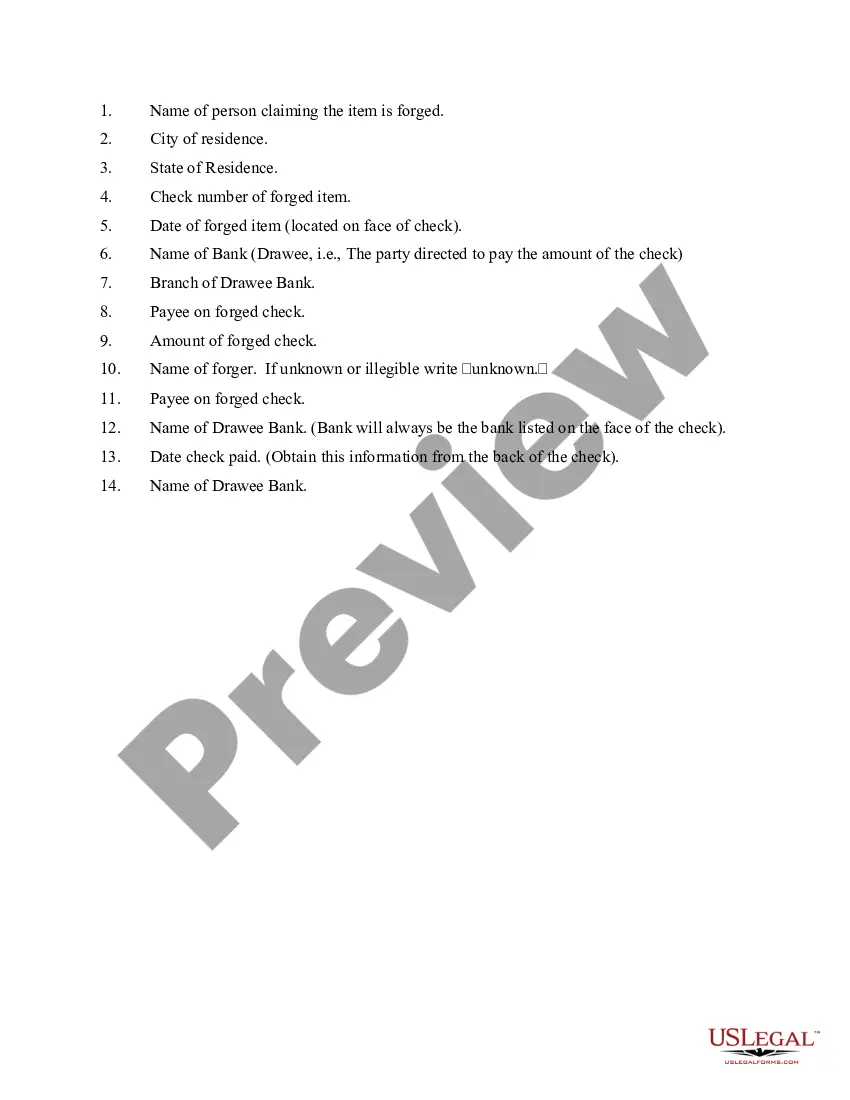
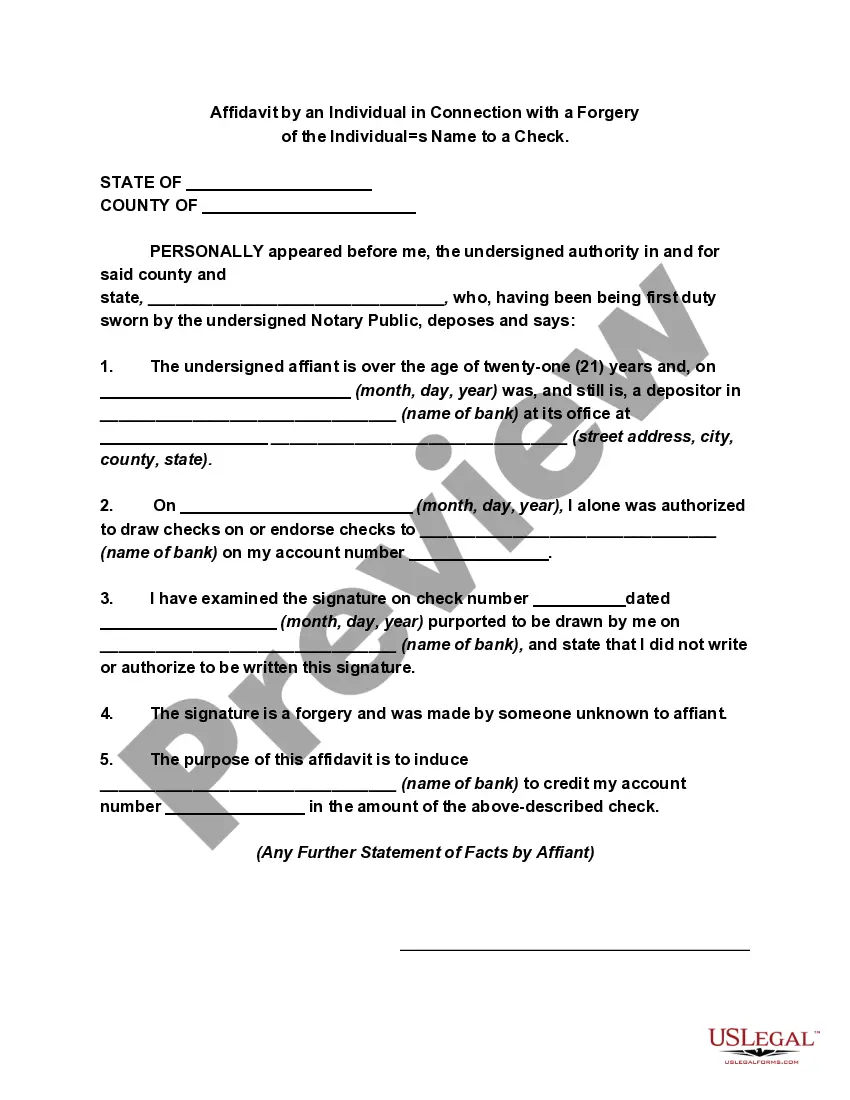
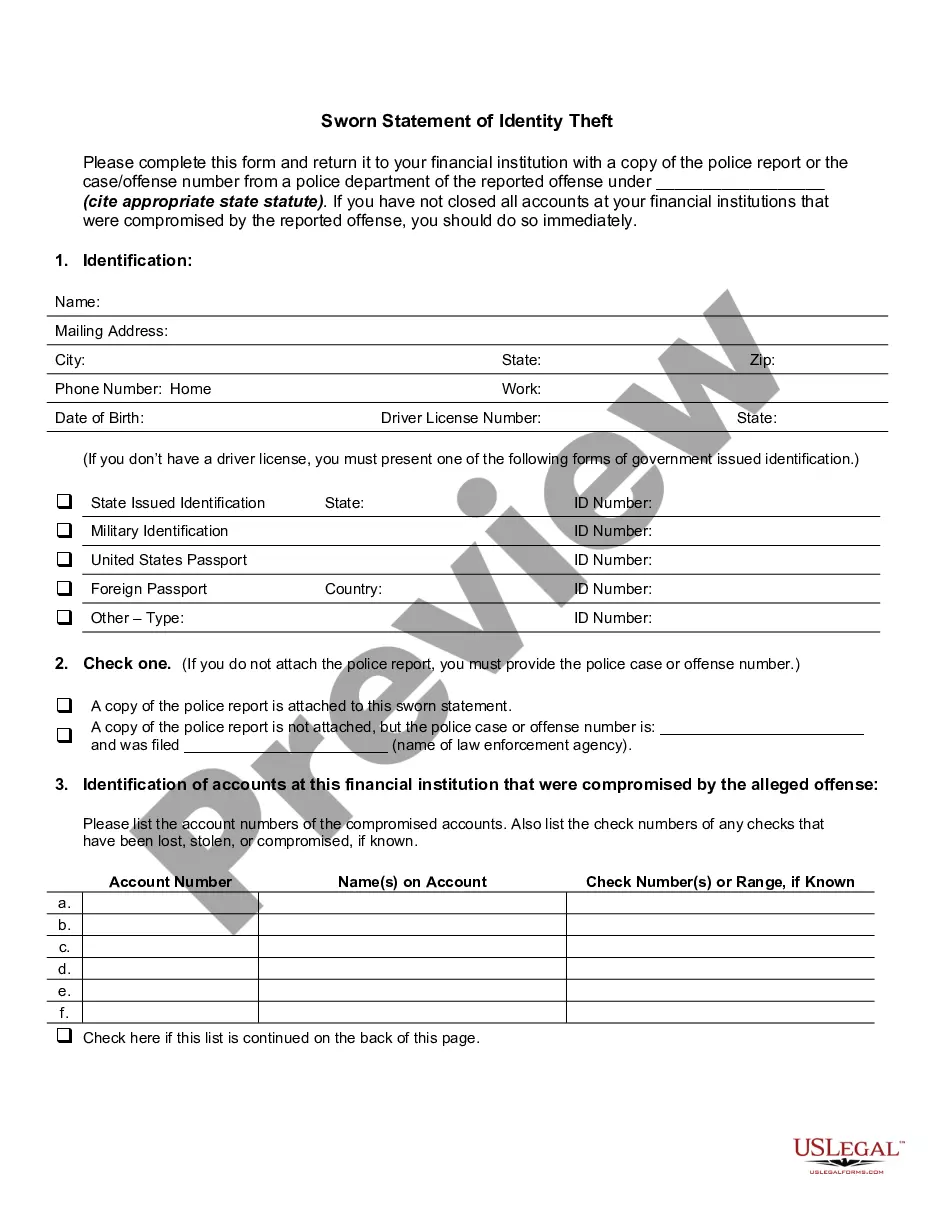
Get your form ready online
Our built-in tools help you complete, sign, share, and store your documents in one place.
Make edits, fill in missing information, and update formatting in US Legal Forms—just like you would in MS Word.
Download a copy, print it, send it by email, or mail it via USPS—whatever works best for your next step.
Sign and collect signatures with our SignNow integration. Send to multiple recipients, set reminders, and more. Go Premium to unlock E-Sign.
If this form requires notarization, complete it online through a secure video call—no need to meet a notary in person or wait for an appointment.
We protect your documents and personal data by following strict security and privacy standards.

Make edits, fill in missing information, and update formatting in US Legal Forms—just like you would in MS Word.

Download a copy, print it, send it by email, or mail it via USPS—whatever works best for your next step.

Sign and collect signatures with our SignNow integration. Send to multiple recipients, set reminders, and more. Go Premium to unlock E-Sign.

If this form requires notarization, complete it online through a secure video call—no need to meet a notary in person or wait for an appointment.

We protect your documents and personal data by following strict security and privacy standards.
Looking for another form?




Form popularity
FAQ
Steps Place a piece of tracing paper over the original signature. Use a pencil to lightly trace the signature. Place the tracing paper over the blank spot where you want to copy the signature. Make a signature impression. Remove the tracing paper and write the signature in pen.
Under ARS 13-2002, a person commits if, with intent to defraud, the person: Falsely makes, completes or alters a written instrument; or. Knowingly possesses a forged instrument; or. Offers or presents, whether accepted or not, a forged instrument or one that contains false information.
Intent: The intent behind forgery is usually financial gain but may also be done to influence a person's opinion or to defraud another. In some cases, document forgery may be done simply to cause harm. Impersonation: In some cases, forgers may impersonate someone else in order to commit their crime.
Forgery is committed when: a person signs in another's name with the intent to defraud; a person alters the name, amount or payee's name with intent to defraud. Although a crime of forgery is committed, only the forged signature is considered invalid.
A forgery offense can be committed in the following ways: By signing someone else's name without the other person's authority (California Penal Code Section 470(a) PC) By counterfeiting or forging another person's handwriting or seal on a document (California Penal Code Section 470(b) PC)
To be convicted of Criminal Possession of Forgery Device in Arizona the prosecution must proof the following: You possessed or made any item that could be used in forgery; and. Your intent for use of that item by you or another person was to commit forgery.
Forgery, in law, making of a false writing with an intent to defraud. Writing, to be forgery, must either have legal significance or be commonly relied upon in business transactions. It need not be handwriting; the law of forgery covers printing, engraving, and typewriting as well.
Second-Degree Criminal Possession of a Forged Instrument Examples might include: Forged checks or credit card receipts. driver's licenses or state IDs. Altered legal documents like wills or deeds.
Forgery – This crime is a Level 6 felony that carries a fine of up to $10,000 and a prison sentence that ranges from two to eight years.
A forgery, as defined by Arizona law, is committed by a person creating a false “written instrument” or falsely altering such an instrument in the attempt to defraud another person. Even the knowing possession of such a document is considered forgery and can be treated as such.
