Types Of Forgery In Documents In Georgia
Description

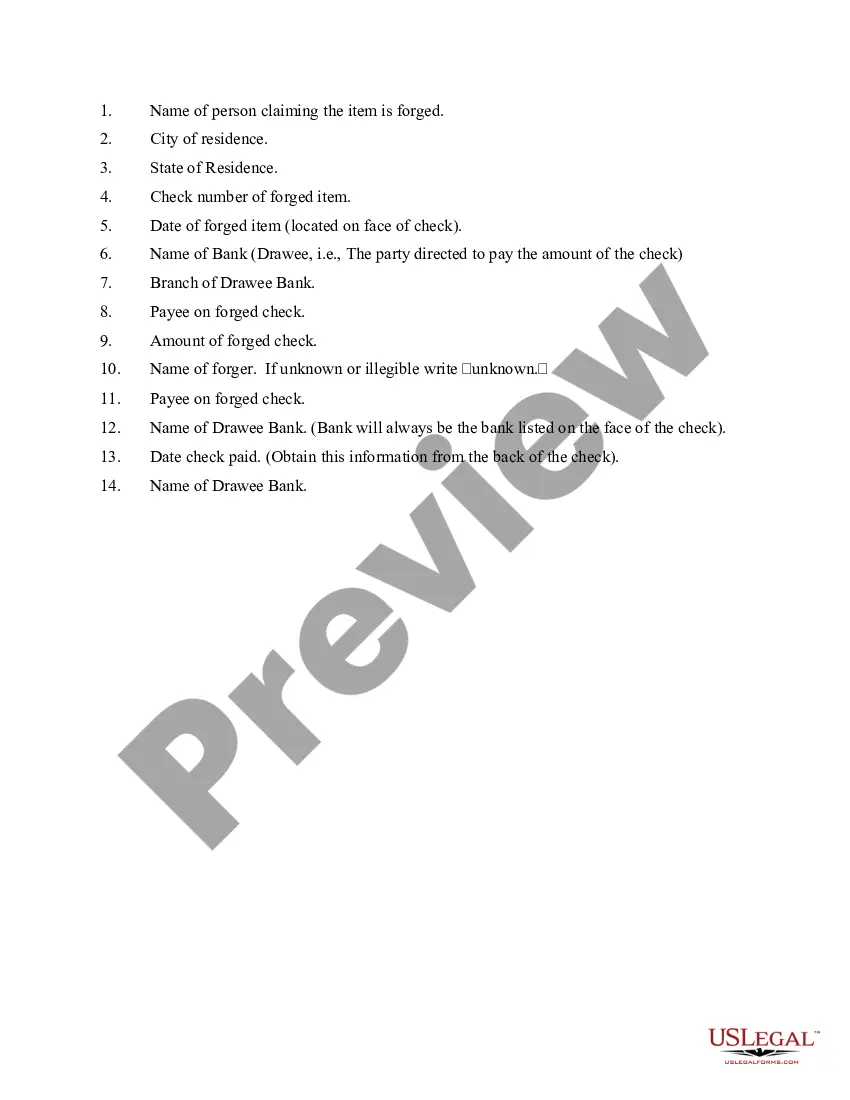
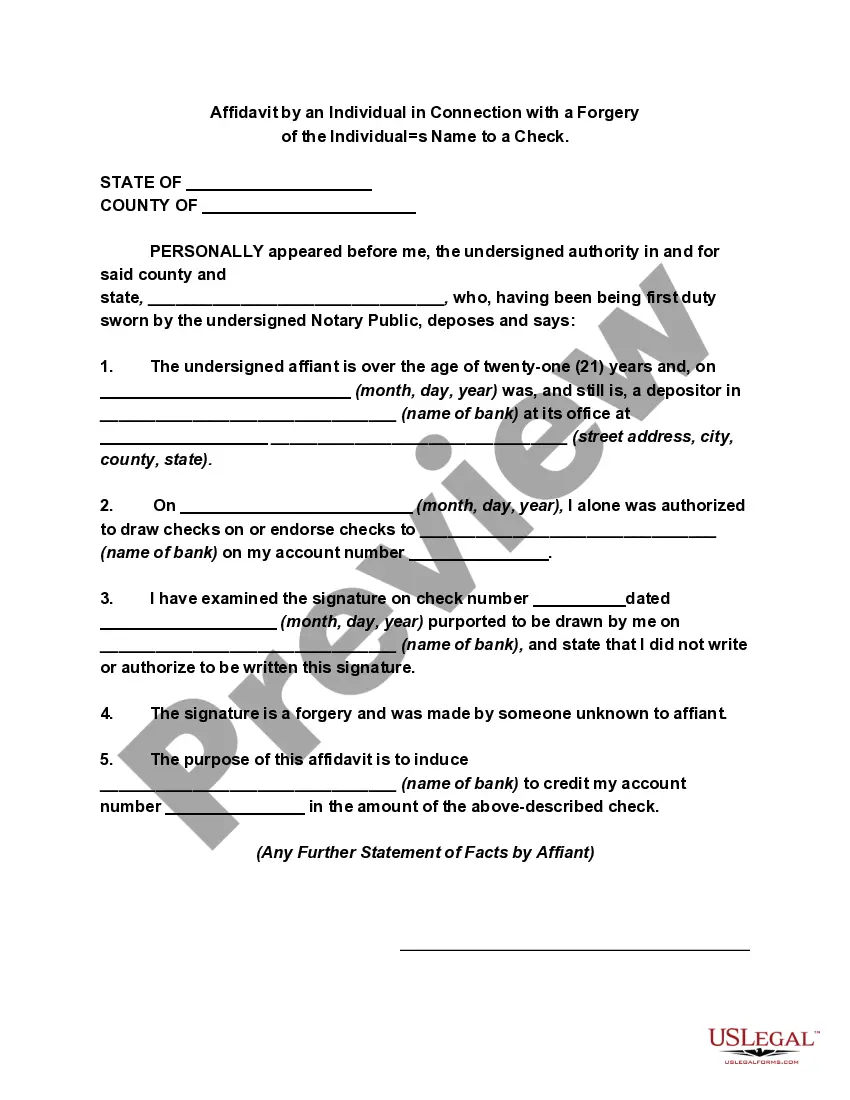
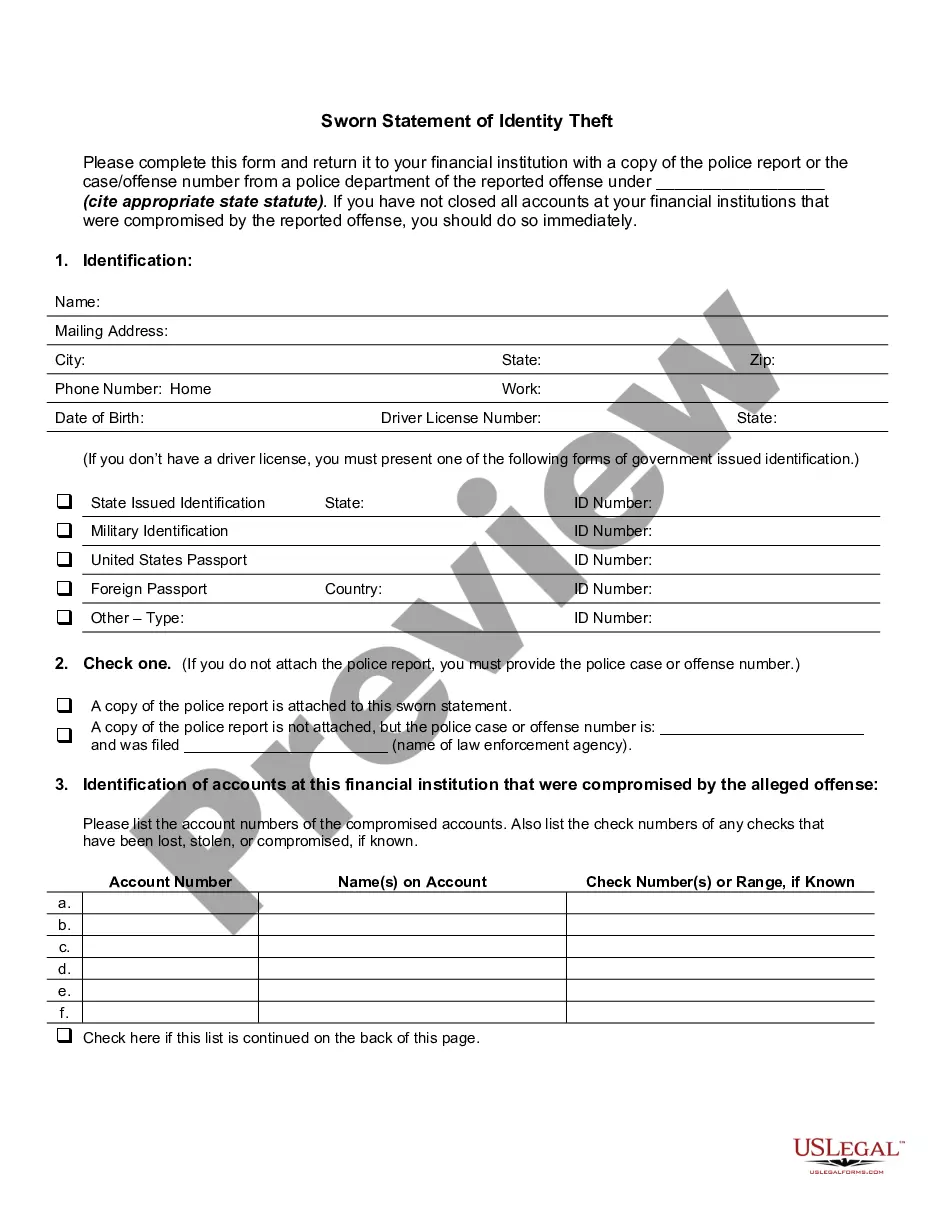
Get your form ready online
Our built-in tools help you complete, sign, share, and store your documents in one place.
Make edits, fill in missing information, and update formatting in US Legal Forms—just like you would in MS Word.
Download a copy, print it, send it by email, or mail it via USPS—whatever works best for your next step.
Sign and collect signatures with our SignNow integration. Send to multiple recipients, set reminders, and more. Go Premium to unlock E-Sign.
If this form requires notarization, complete it online through a secure video call—no need to meet a notary in person or wait for an appointment.
We protect your documents and personal data by following strict security and privacy standards.

Make edits, fill in missing information, and update formatting in US Legal Forms—just like you would in MS Word.

Download a copy, print it, send it by email, or mail it via USPS—whatever works best for your next step.

Sign and collect signatures with our SignNow integration. Send to multiple recipients, set reminders, and more. Go Premium to unlock E-Sign.

If this form requires notarization, complete it online through a secure video call—no need to meet a notary in person or wait for an appointment.

We protect your documents and personal data by following strict security and privacy standards.
Looking for another form?








Form popularity
FAQ
What are the three types of forgery? Three common types of forgery are signature forgery, art forgery, and document forgery. Each of these types of forgery involves different methods of creating or altering documents, signifiers, and objects with the intent to deceive.
Skilled forgery The hardest type of forgeries to detect, these signatures are produced by criminals who have spent a lot of time practicing and have the ability to replicate the actual signatures in a way that looks both accurate and relatively fluent to the eye.
(d) A person commits the offense of forgery in the third degree when with the intent to defraud he or she knowingly: (1) Makes, alters, possesses, utters, or delivers any check written in the amount of $1,500.00 or more in a fictitious name or in such manner that the check as made or altered purports to have been made ...
Traced forgeries are generally created by one of three methods: “transmitted light,” “carbon intermediate,” or “pressure indented image.” While tracings may not normally present much of a challenge to the document examiner trying to determine genuineness, the ability to identify the perpetrator is totally precluded.
(a) A person commits the offense of forgery in the second degree when with the intent to defraud he knowingly makes, alters, or possesses any writing in a fictitious name or in such manner that the writing as made or altered purports to have been made by another person, at another time, with different provisions, or by ...
What are the three types of forgery? Three common types of forgery are signature forgery, art forgery, and document forgery. Each of these types of forgery involves different methods of creating or altering documents, signifiers, and objects with the intent to deceive.
Forgery in the first, second, and third degree are all punished as a felony with a prison term between one and five years for second and third degree. The prison term is between one and fifteen years for first-degree forgery in Georgia.
Forgery, in law, making of a false writing with an intent to defraud. Writing, to be forgery, must either have legal significance or be commonly relied upon in business transactions. It need not be handwriting; the law of forgery covers printing, engraving, and typewriting as well.
What are the three types of forgery? Three common types of forgery are signature forgery, art forgery, and document forgery. Each of these types of forgery involves different methods of creating or altering documents, signifiers, and objects with the intent to deceive.
