Fake Documents For Bank Loan In Dallas
Description

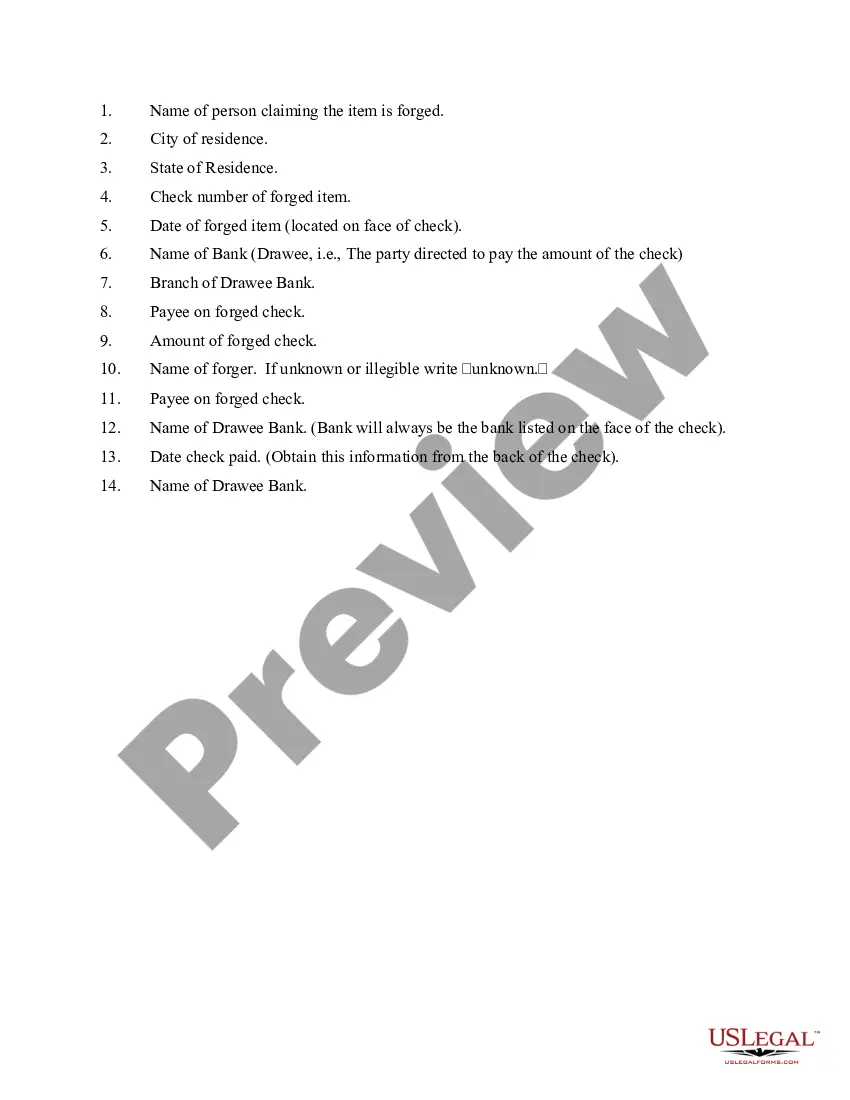
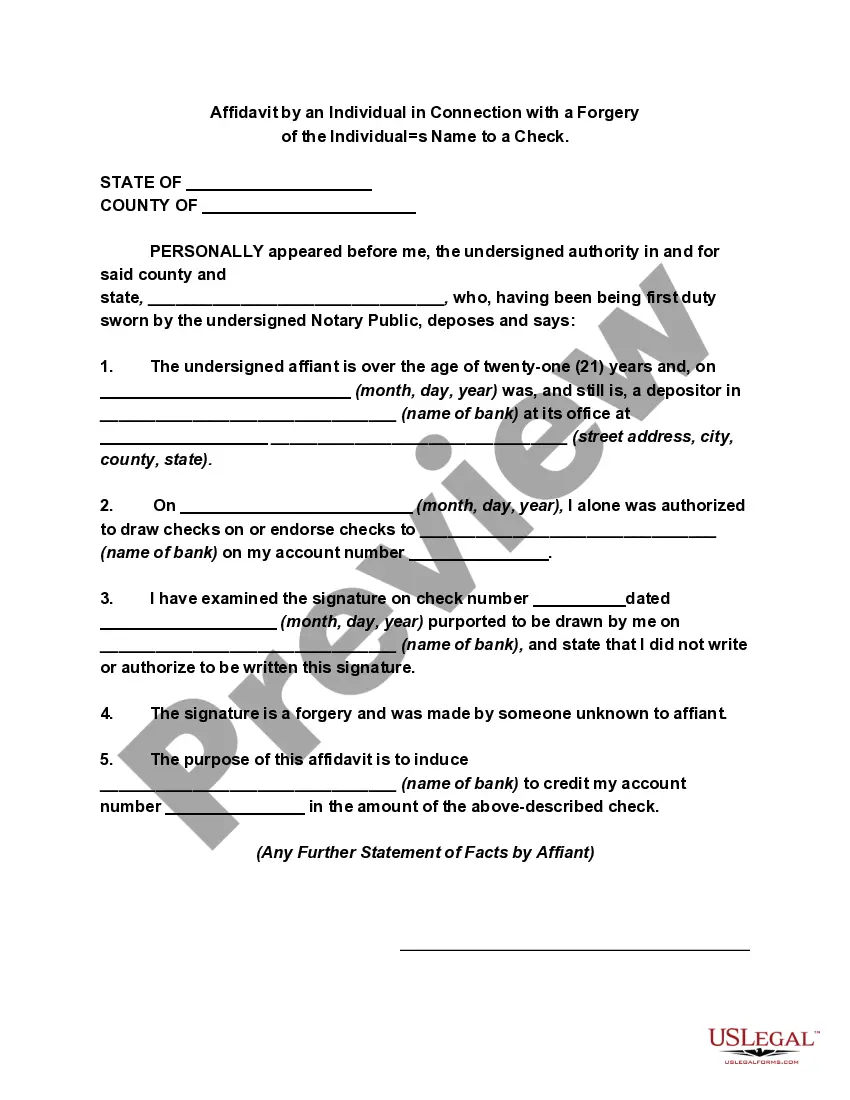
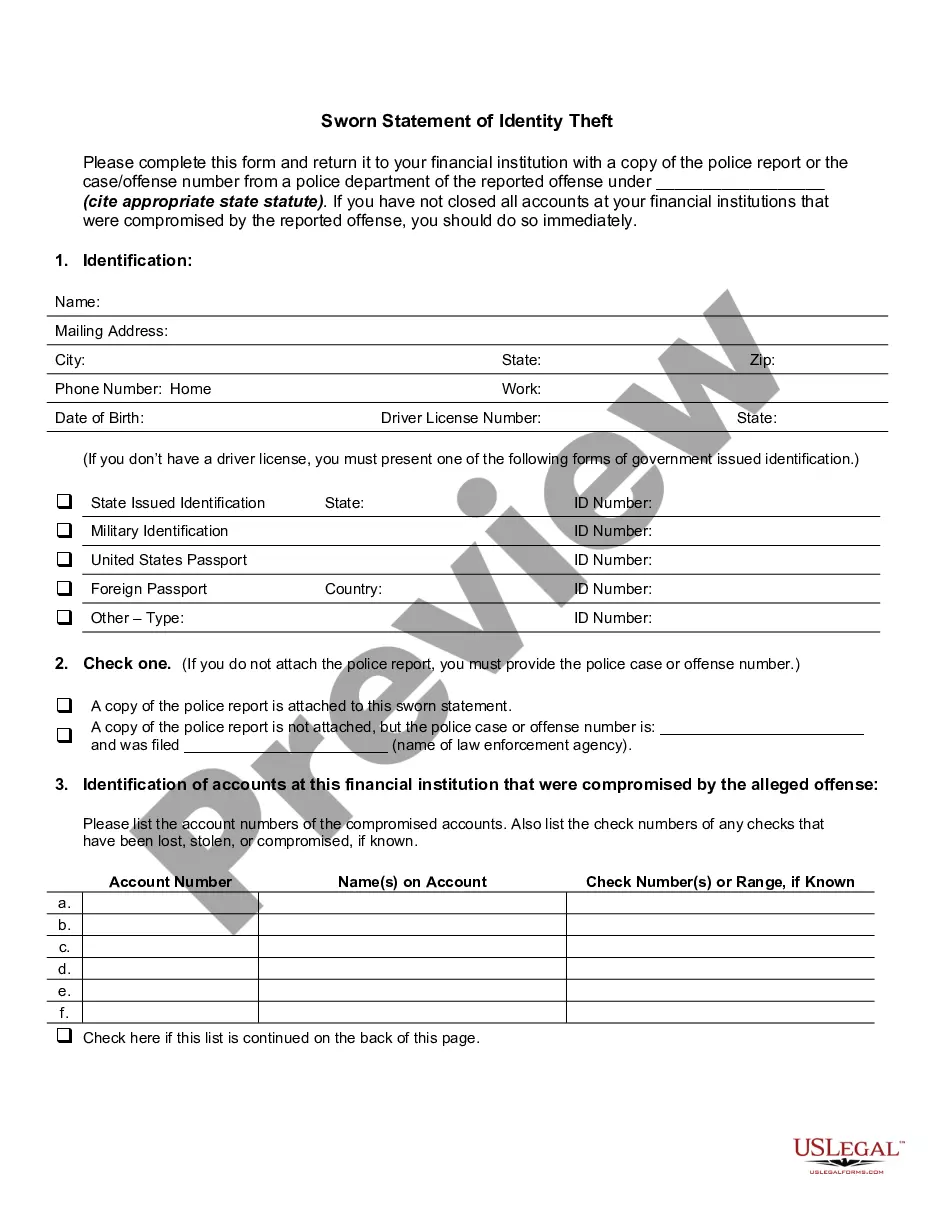
Get your form ready online
Our built-in tools help you complete, sign, share, and store your documents in one place.
Make edits, fill in missing information, and update formatting in US Legal Forms—just like you would in MS Word.
Download a copy, print it, send it by email, or mail it via USPS—whatever works best for your next step.
Sign and collect signatures with our SignNow integration. Send to multiple recipients, set reminders, and more. Go Premium to unlock E-Sign.
If this form requires notarization, complete it online through a secure video call—no need to meet a notary in person or wait for an appointment.
We protect your documents and personal data by following strict security and privacy standards.

Make edits, fill in missing information, and update formatting in US Legal Forms—just like you would in MS Word.

Download a copy, print it, send it by email, or mail it via USPS—whatever works best for your next step.

Sign and collect signatures with our SignNow integration. Send to multiple recipients, set reminders, and more. Go Premium to unlock E-Sign.

If this form requires notarization, complete it online through a secure video call—no need to meet a notary in person or wait for an appointment.

We protect your documents and personal data by following strict security and privacy standards.
Looking for another form?







Form popularity
FAQ
Learn about the most common types of consumer fraud, how each type works, the warning signs, and how to protect yourself and others. Debt Collection Fraud. Elder Financial Exploitation. Financial and Investment Fraud. Holiday and Gift Card Scams. Identity Theft. Imposter Scams. Mortgage Fraud. Online and Digital Scams.
We are redirecting you to submit your report to the Consumer Financial Protection Bureau at nsumerfinance. CFPB handles complaints about debt collection, credit cards, credit reporting, and banking.
AML solutions for banks can use machine learning to identify patterns in customer transactions that are outside of the norm. For example, a solution might flag a transaction as suspicious if it is much larger than the customer's average transaction size.
Verifying involves cross-checking statement details against other financial documents, scrutinizing statement formatting for anomalies, confirming account ownership ties back to the customer, contacting the bank directly, and potentially leveraging technologies like OCR, AI and digital forensics to automate analysis.
The reason a lender will need to see your bank statements is to learn more about you as a person and what your spending habits are like. How you have acted lately and the presentation of this on your bank statements can be the difference in how much a lender will let you borrow, if anything at all.
Key indicators of bank statements Reviewing transaction history and identifying odd patterns helps spot potential manipulation in bank statements. Methods to detect s include checking for consistent formatting, verifying financial details, and identifying atypical round numbers.
To identify bank statements, check for inconsistent formatting, unusual transactions, and any errors or omissions in the document. Scrutinizing these details can help ensure authenticity.