Forging Documents For Mortgage In Arizona
Description

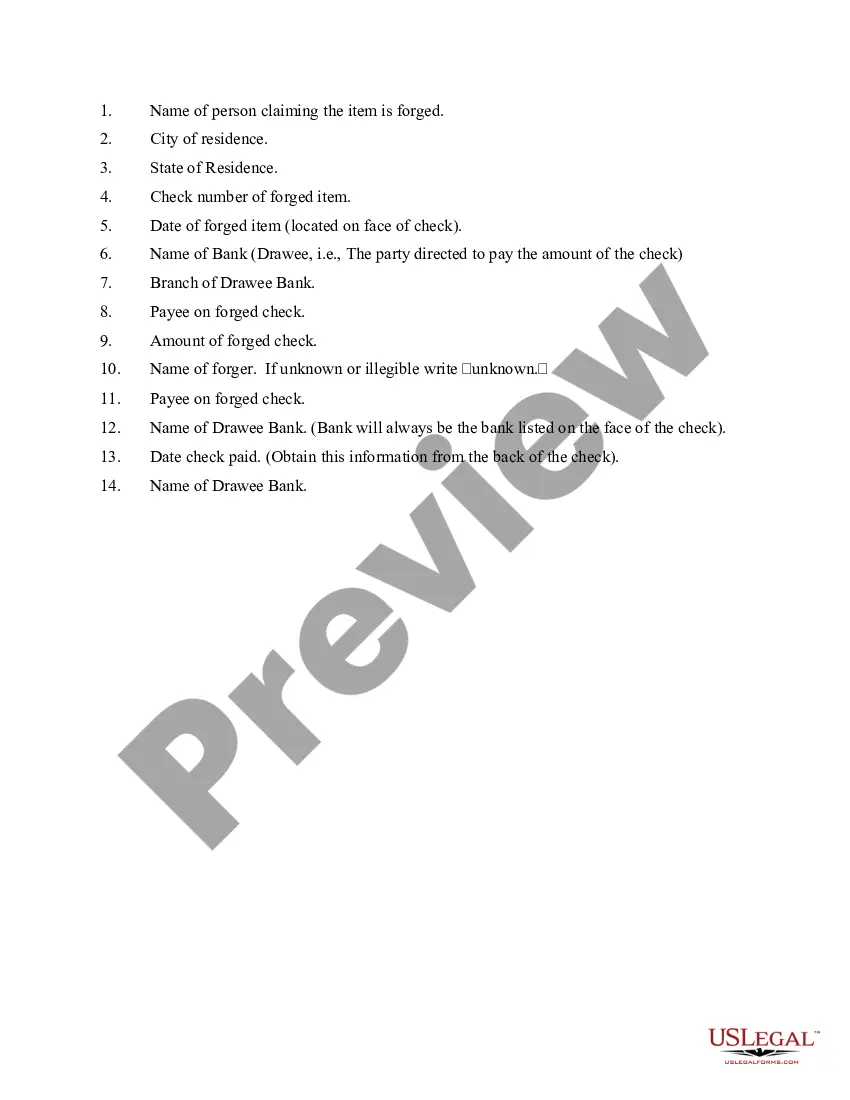
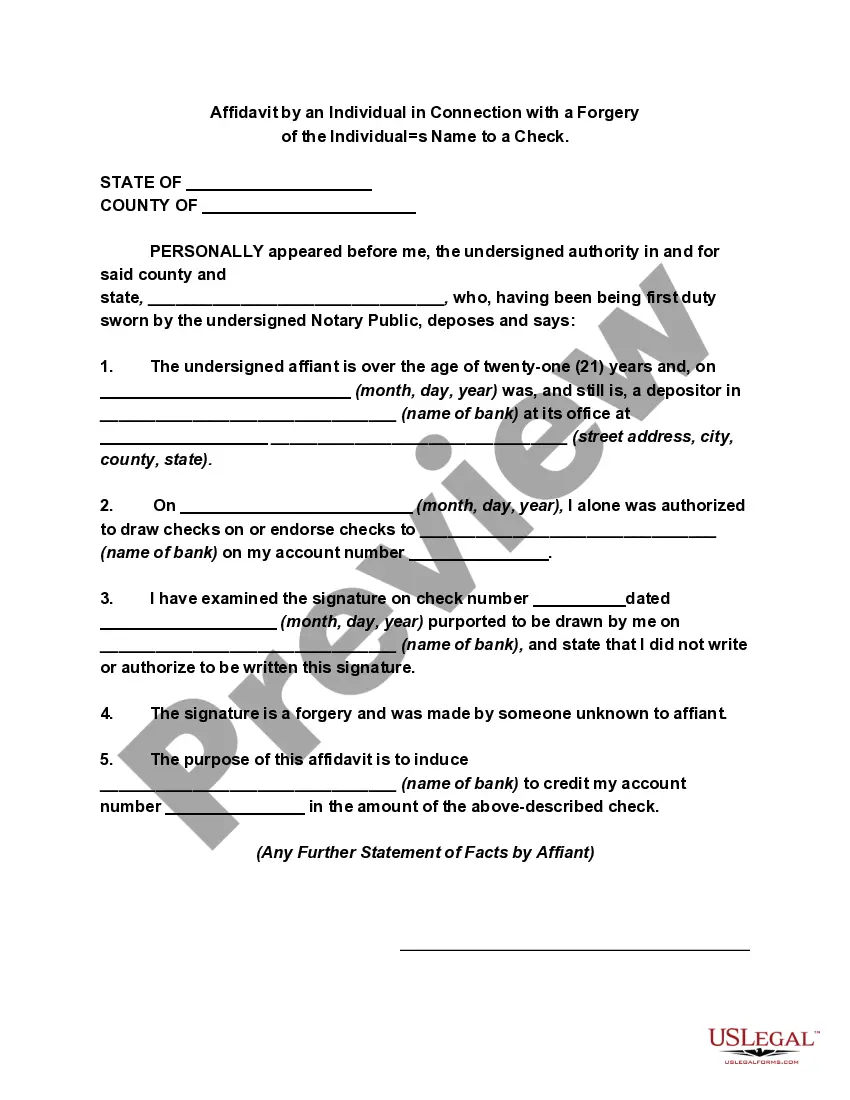
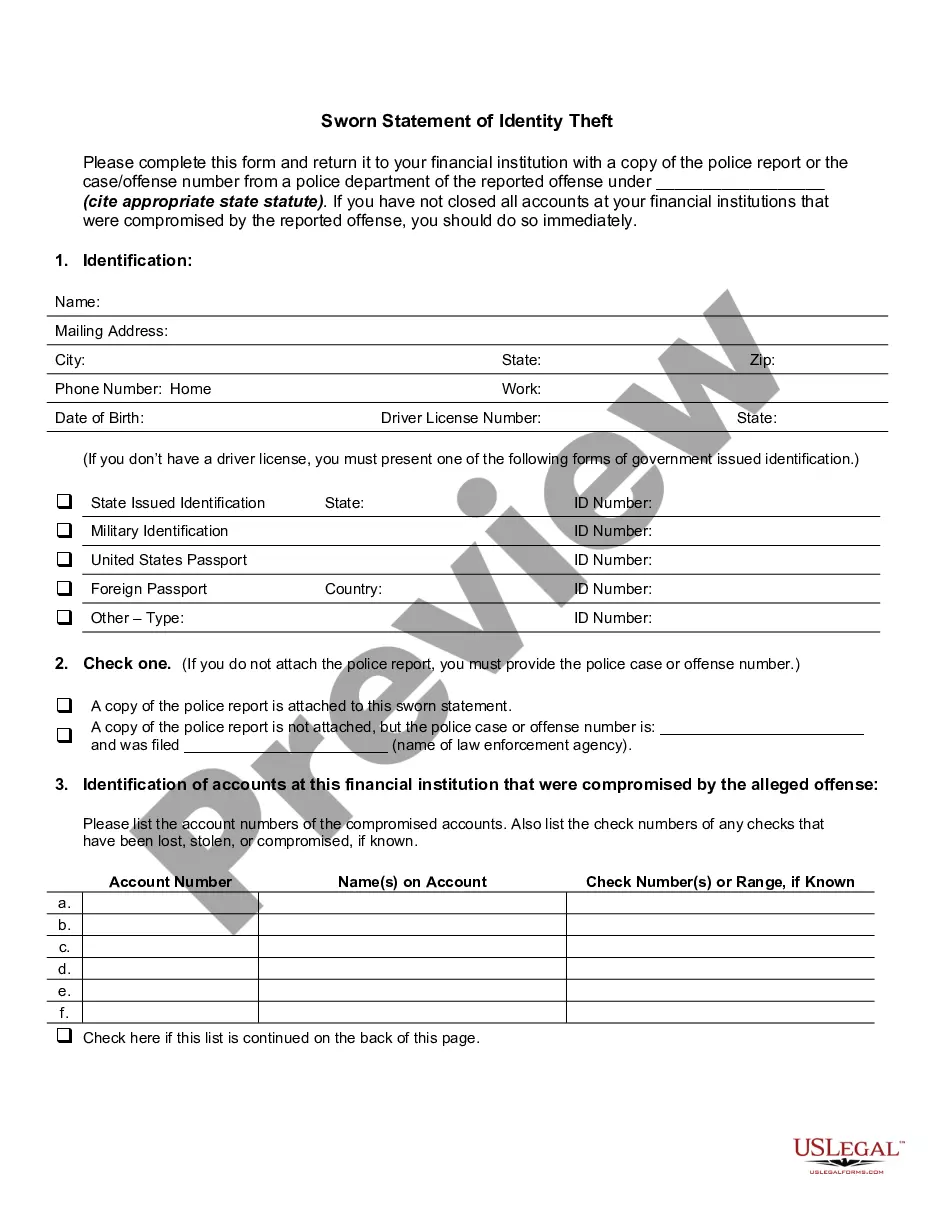
Get your form ready online
Our built-in tools help you complete, sign, share, and store your documents in one place.
Make edits, fill in missing information, and update formatting in US Legal Forms—just like you would in MS Word.
Download a copy, print it, send it by email, or mail it via USPS—whatever works best for your next step.
Sign and collect signatures with our SignNow integration. Send to multiple recipients, set reminders, and more. Go Premium to unlock E-Sign.
If this form requires notarization, complete it online through a secure video call—no need to meet a notary in person or wait for an appointment.
We protect your documents and personal data by following strict security and privacy standards.

Make edits, fill in missing information, and update formatting in US Legal Forms—just like you would in MS Word.

Download a copy, print it, send it by email, or mail it via USPS—whatever works best for your next step.

Sign and collect signatures with our SignNow integration. Send to multiple recipients, set reminders, and more. Go Premium to unlock E-Sign.

If this form requires notarization, complete it online through a secure video call—no need to meet a notary in person or wait for an appointment.

We protect your documents and personal data by following strict security and privacy standards.
Looking for another form?







Form popularity
FAQ
The most common individual mortgage fraud scams are identity theft and income/asset falsification. 6 Identity theft occurs when the real buyer fraudulently obtains financing using an unwilling and unaware victim's information, including Social Security numbers, birth dates, and addresses.
The standard jail time for a class 4 felony is a two and a half year prison term, which can be raised or lowered depending on the circumstances of the crime. The maximum prison term for forgery is three years and nine months, with a maximum fine of $150,000 and a maximum probation sentence of three years.
Learn about the most common types of consumer fraud, how each type works, the warning signs, and how to protect yourself and others. Debt Collection Fraud. Elder Financial Exploitation. Financial and Investment Fraud. Holiday and Gift Card Scams. Identity Theft. Imposter Scams. Mortgage Fraud. Online and Digital Scams.
The consequences of lying on your application are severe. You'll be denied the mortgage if they find any false information. Mortgage fraud is a crime, and you could face fines or even jail time. Plus, getting caught lying will damage your credit score and make it difficult to get any loans in the future.
However, starting December 15, 2024, new mortgage rules will expand eligibility for mortgage insurance to homes valued at up to $1.5 million. Under these rules, buyers will need to put down a minimum of 5% on the first $500,000 and 10% on the portion between $500,000 and $1.5 million.
Mortgage default happens when you don't follow the terms of your mortgage agreement, like missing a regular payment. When this happens, your bank has the legal right to recover the amount you owe them. This may eventually lead to the forced sale of your home.
