Ohio Deferred Comp Sign In In Travis
Description

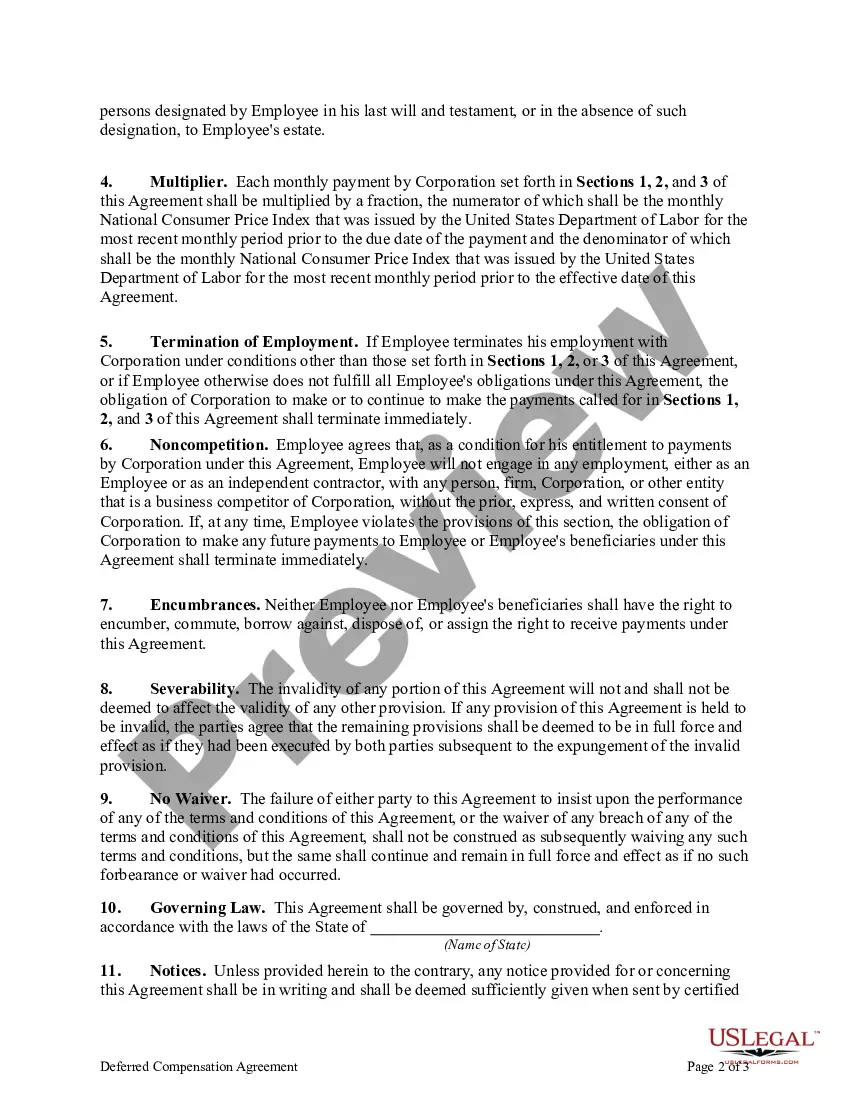
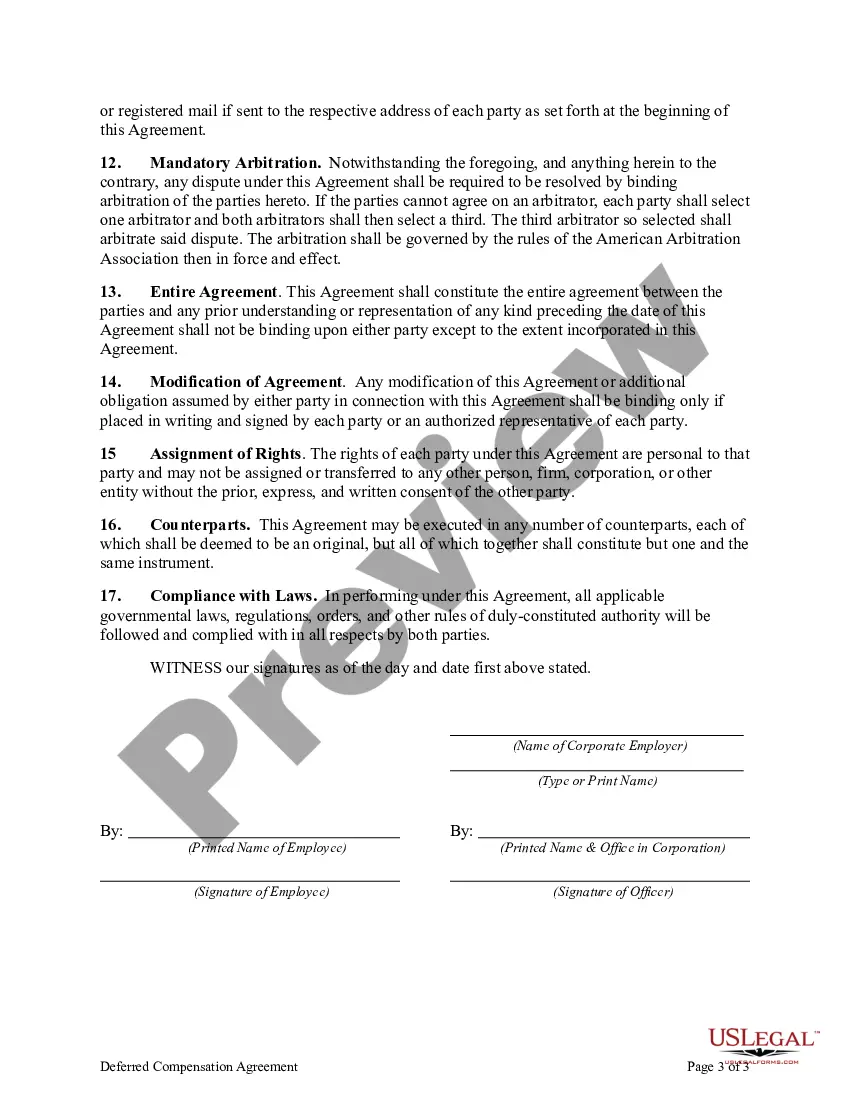

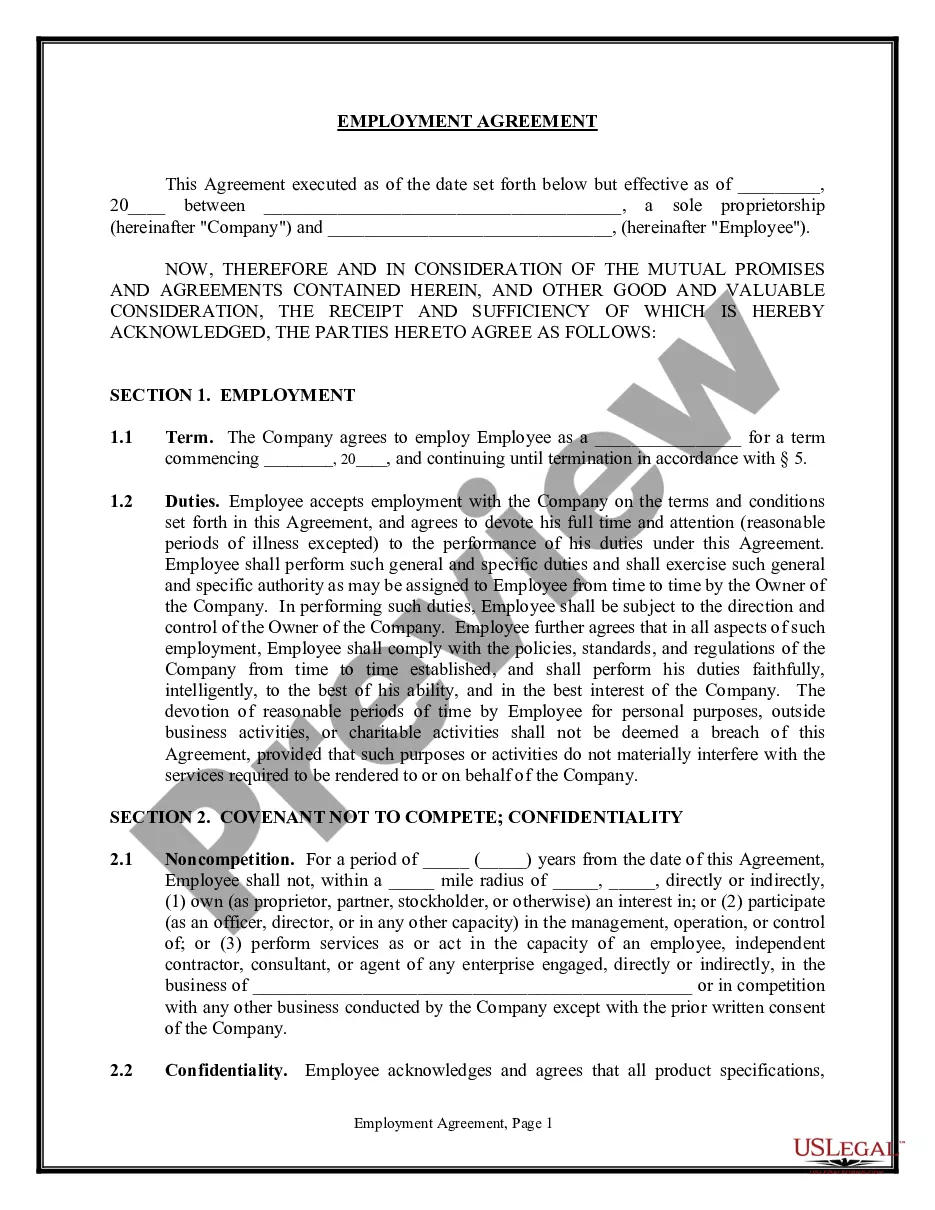
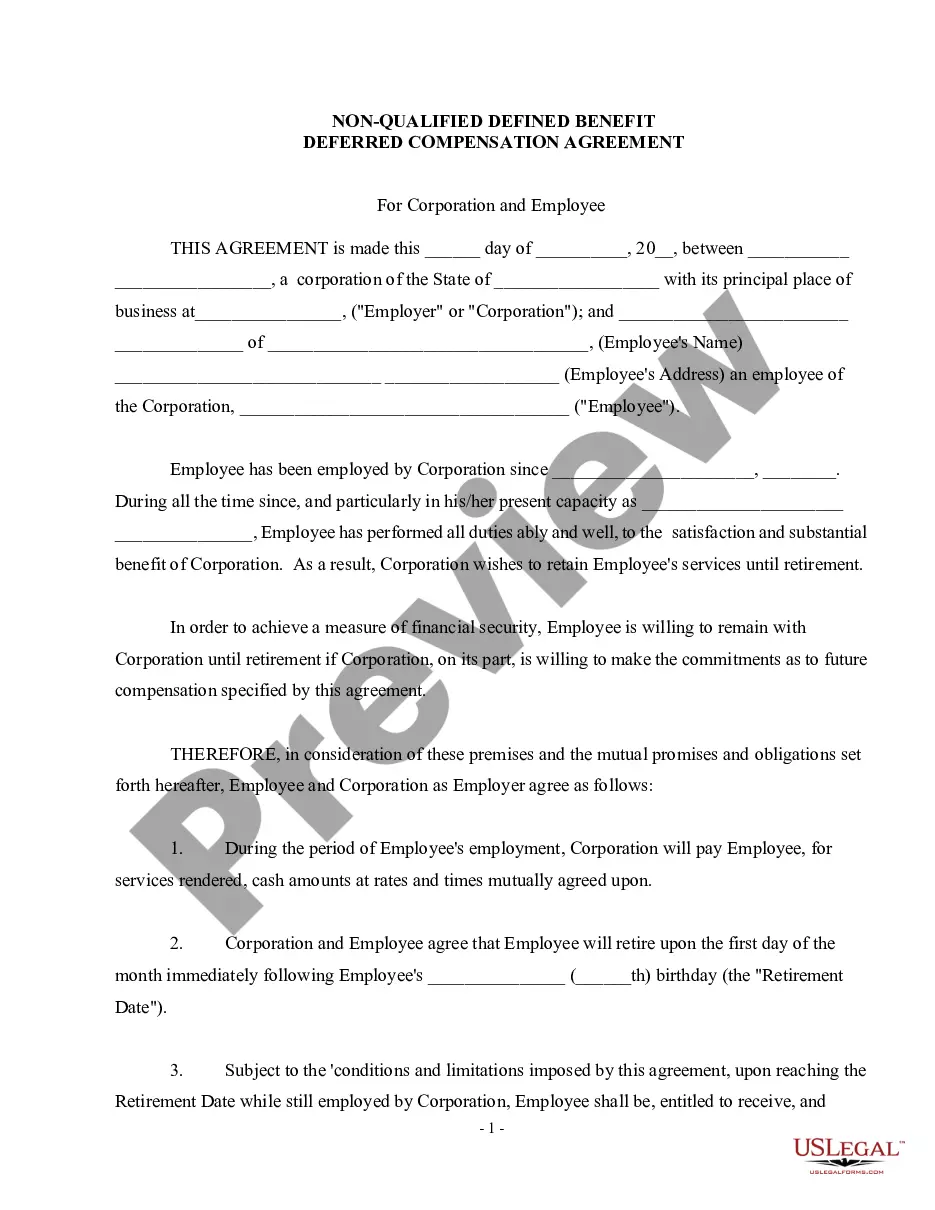
Get your form ready online
Our built-in tools help you complete, sign, share, and store your documents in one place.
Make edits, fill in missing information, and update formatting in US Legal Forms—just like you would in MS Word.
Download a copy, print it, send it by email, or mail it via USPS—whatever works best for your next step.
Sign and collect signatures with our SignNow integration. Send to multiple recipients, set reminders, and more. Go Premium to unlock E-Sign.
If this form requires notarization, complete it online through a secure video call—no need to meet a notary in person or wait for an appointment.
We protect your documents and personal data by following strict security and privacy standards.

Make edits, fill in missing information, and update formatting in US Legal Forms—just like you would in MS Word.

Download a copy, print it, send it by email, or mail it via USPS—whatever works best for your next step.

Sign and collect signatures with our SignNow integration. Send to multiple recipients, set reminders, and more. Go Premium to unlock E-Sign.

If this form requires notarization, complete it online through a secure video call—no need to meet a notary in person or wait for an appointment.

We protect your documents and personal data by following strict security and privacy standards.
Looking for another form?









Form popularity
FAQ
Bottom Line. The Ohio Deferred Compensation program offers a flexible and tax-advantaged way for state and local government employees to supplement their retirement savings. With options for both pre-tax and Roth contributions, participants can tailor their approach to suit their financial goals and tax preferences.
Contact ODJFS General - Family Assistance: Phone (614) 466-4815. Email Family_Assistance_Inquiries@jfs.ohio. Out-of-State Inquiries for TANF and SNAP: Email out_of_state_inquiries@jfs.ohio.
Ohio457@Nationwide.
Withdrawals may begin after ending your employment and the Program's receipt of your employer's verification that employment ended, final contribution, and the Withdrawal Election form. Distributions must satisfy certain minimum requirements after reaching the age required by the IRS.
Beginning in the calendar year you turn age 60, 61, 62 or 63 you can contribute $34,750. When you turn age 64, your contribution limit reverts to the Age 50+ catch-up amount.
Or you can roll over your account balance to a 457, 403(b), 401(k), or 401(a) plan if your new employer accepts this type of rollover. You may also roll over your account balance to a traditional or Roth IRA.
The Ohio Deferred Compensation program offers a flexible and tax-advantaged way for state and local government employees to supplement their retirement savings. With options for both pre-tax and Roth contributions, participants can tailor their approach to suit their financial goals and tax preferences.
Ohio Deferred Compensation is a supplemental 457(b) retirement plan for all Ohio public employees. It provides participants with educational tools, a diverse set of investment options, flexible savings and withdrawal options, as well as portability when changing jobs within the public sector.
