Deferred Comp Nyc Sign In In Suffolk
Description

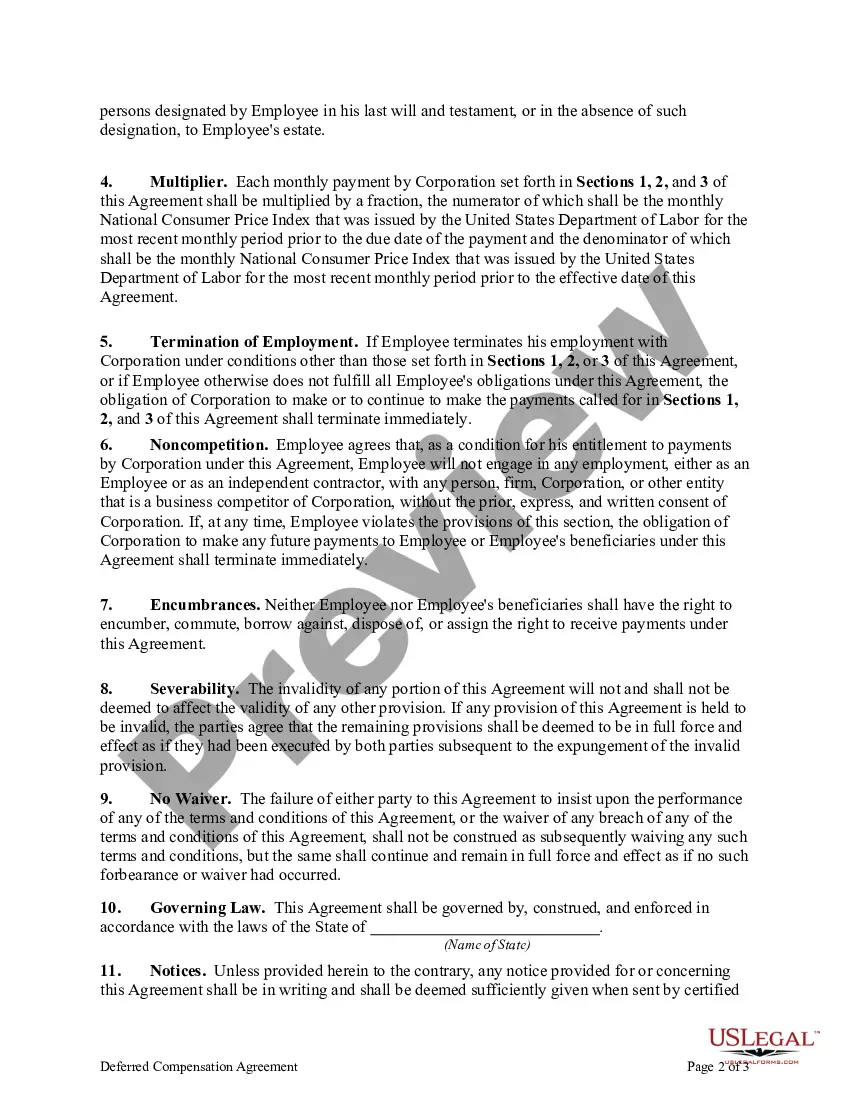
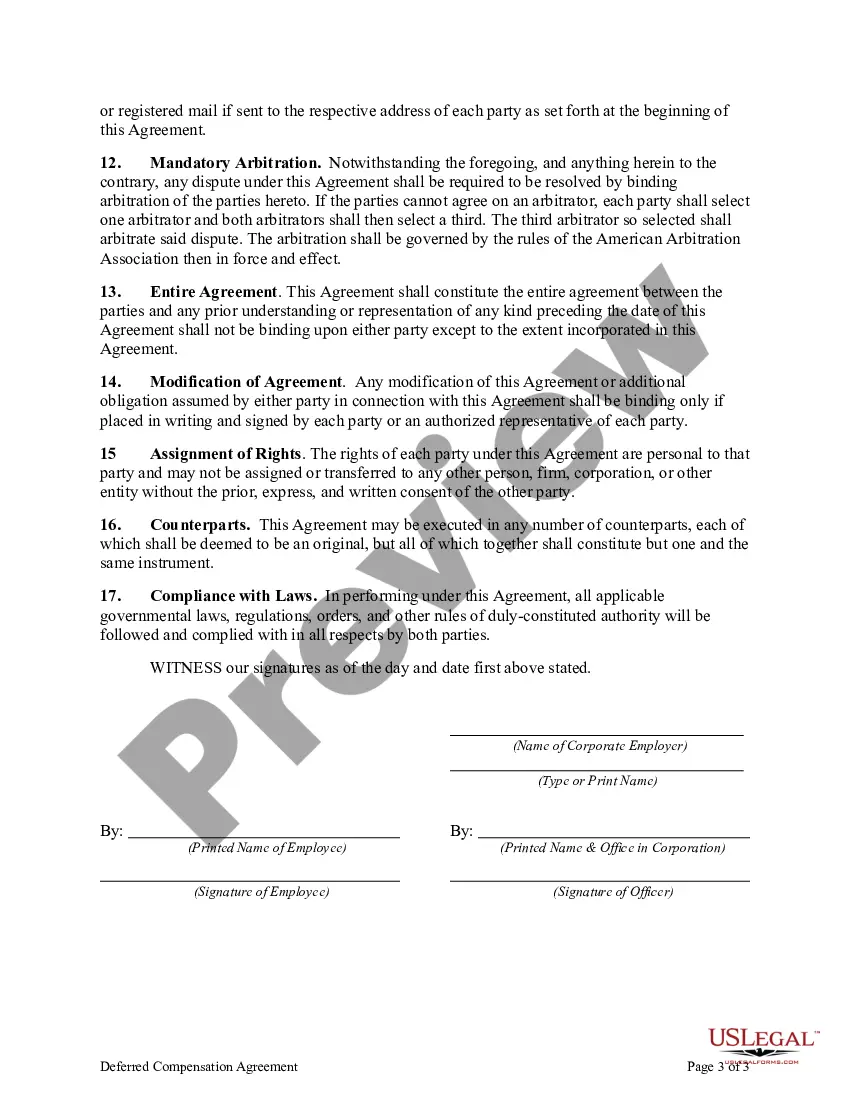

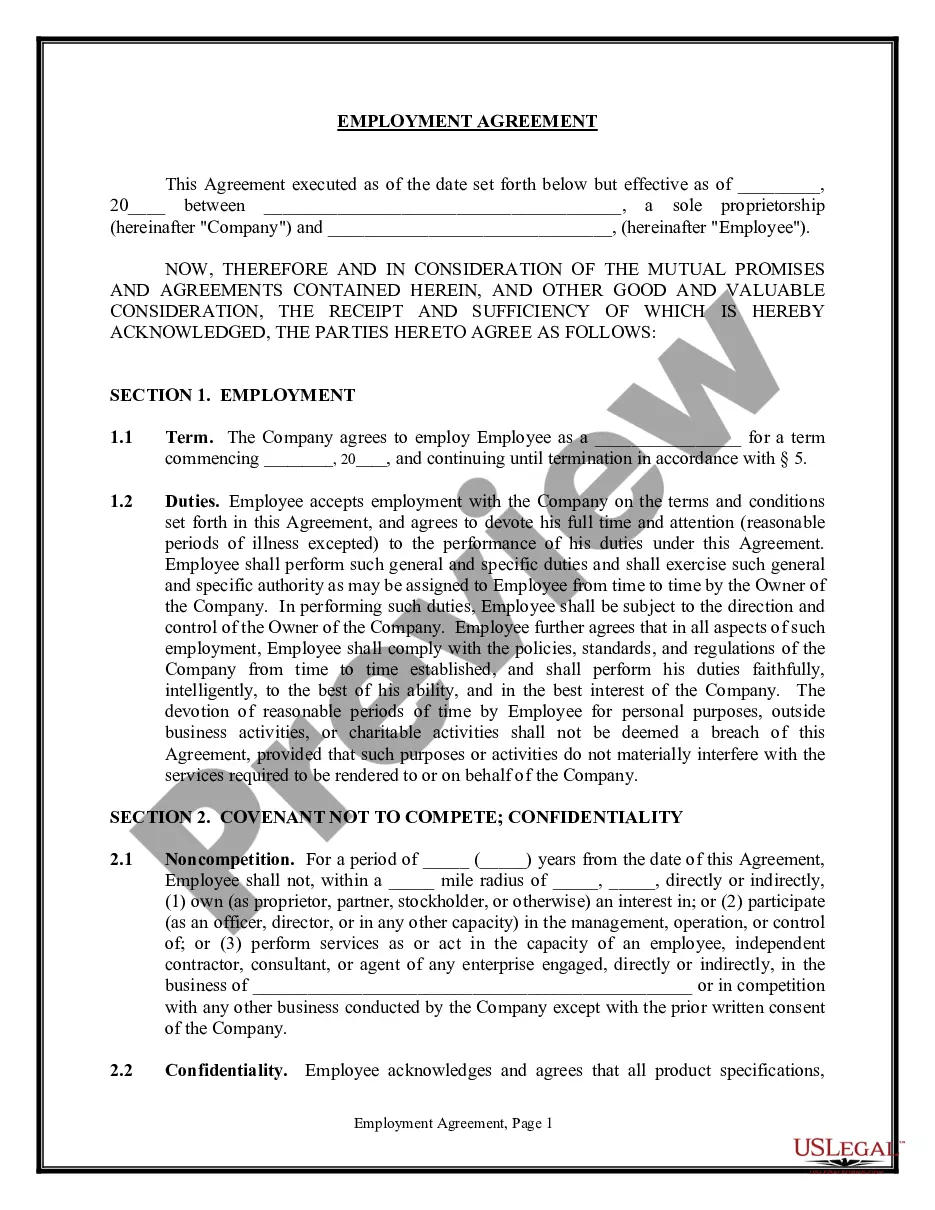
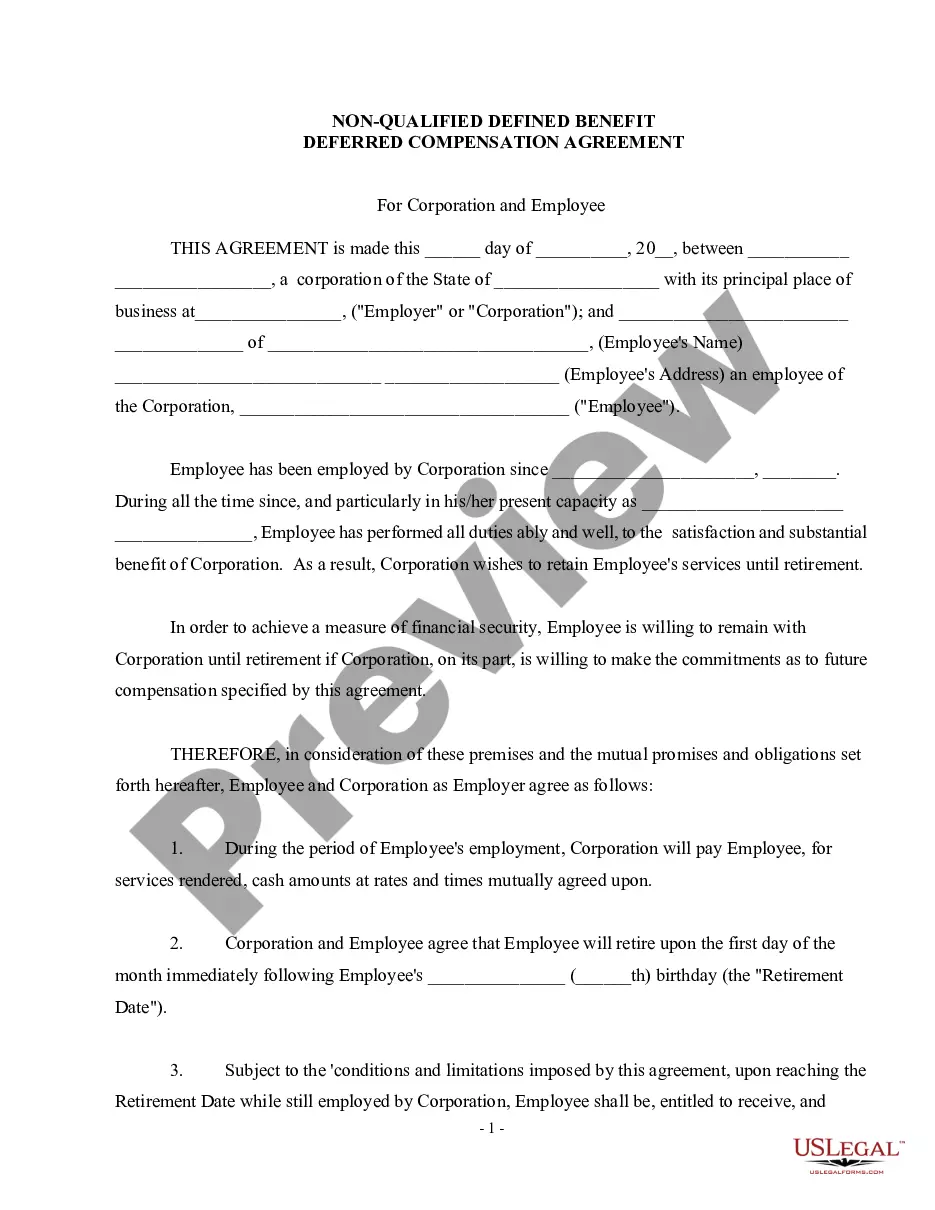
Get your form ready online
Our built-in tools help you complete, sign, share, and store your documents in one place.
Make edits, fill in missing information, and update formatting in US Legal Forms—just like you would in MS Word.
Download a copy, print it, send it by email, or mail it via USPS—whatever works best for your next step.
Sign and collect signatures with our SignNow integration. Send to multiple recipients, set reminders, and more. Go Premium to unlock E-Sign.
If this form requires notarization, complete it online through a secure video call—no need to meet a notary in person or wait for an appointment.
We protect your documents and personal data by following strict security and privacy standards.

Make edits, fill in missing information, and update formatting in US Legal Forms—just like you would in MS Word.

Download a copy, print it, send it by email, or mail it via USPS—whatever works best for your next step.

Sign and collect signatures with our SignNow integration. Send to multiple recipients, set reminders, and more. Go Premium to unlock E-Sign.

If this form requires notarization, complete it online through a secure video call—no need to meet a notary in person or wait for an appointment.

We protect your documents and personal data by following strict security and privacy standards.
Looking for another form?








Form popularity
FAQ
You will need your Social Security Number and PIN to enroll in the Plan online. You can also enroll by completing a DCP Enrollment Form. Enrollment consists of: Selecting your deferral percentage (the amount to be deducted from each paycheck).
Indirect Rollover: The Deferred Compensation Plan will accept eligible rollover distributions from an eligible retirement plan. This amount must have been received by you, from the previous plan, no longer than 60 days prior to deposit in the Deferred Compensation Plan.
Assets rolled into a 457 plan from an IRA or other eligible plan must be maintained and tracked in a separate account. Investment earnings that accrue on these assets must also be held in this separate account. The rules of the transmitting plan continue to apply, including the 10% early withdrawal penalty.
If you roll your DCP funds directly over into a traditional IRA or eligible retirement plan, the funds won't be taxed until you withdraw them. If you roll over into a Roth account, the rules could be different. Check with the IRS to learn how this choice will impact you.
Also, inherited Roth IRAs can only be rolled over into a Roth IRA, and inherited Roth 401(k)/403(b)/457(b) accounts can only be rolled into another Roth 401(k)/403(b)/457(b) account that accepts rollovers, or into Roth IRAs.
IRAs: You can roll over all or part of any distribution from your IRA except: A required minimum distribution or. A distribution of excess contributions and related earnings.
As always, you can speak with a Deferred Compensation Plan Customer Service Representative about the Plan and your account(s) on the phone by calling at (212) 306-7760, 9am to 5pm, Monday through Friday, except holidays.
The regular yearly contributions amount for Deferred Compensation will increase from $23,000 to $23,500. The catch-up contribution limit that generally applies for employees aged 50 and over remains at $7,500 for 2025 for a combined maximum contribution limit of $31,000 in 2025.
You also have the option to defer receiving your benefits until a later date, but only until you reach age 73. If you choose this option, benefit payments must begin no later than April 1 in the calendar year after you become age 73.
