New York State Deferred Compensation Plan Terms Of Withdrawal In Orange
Description

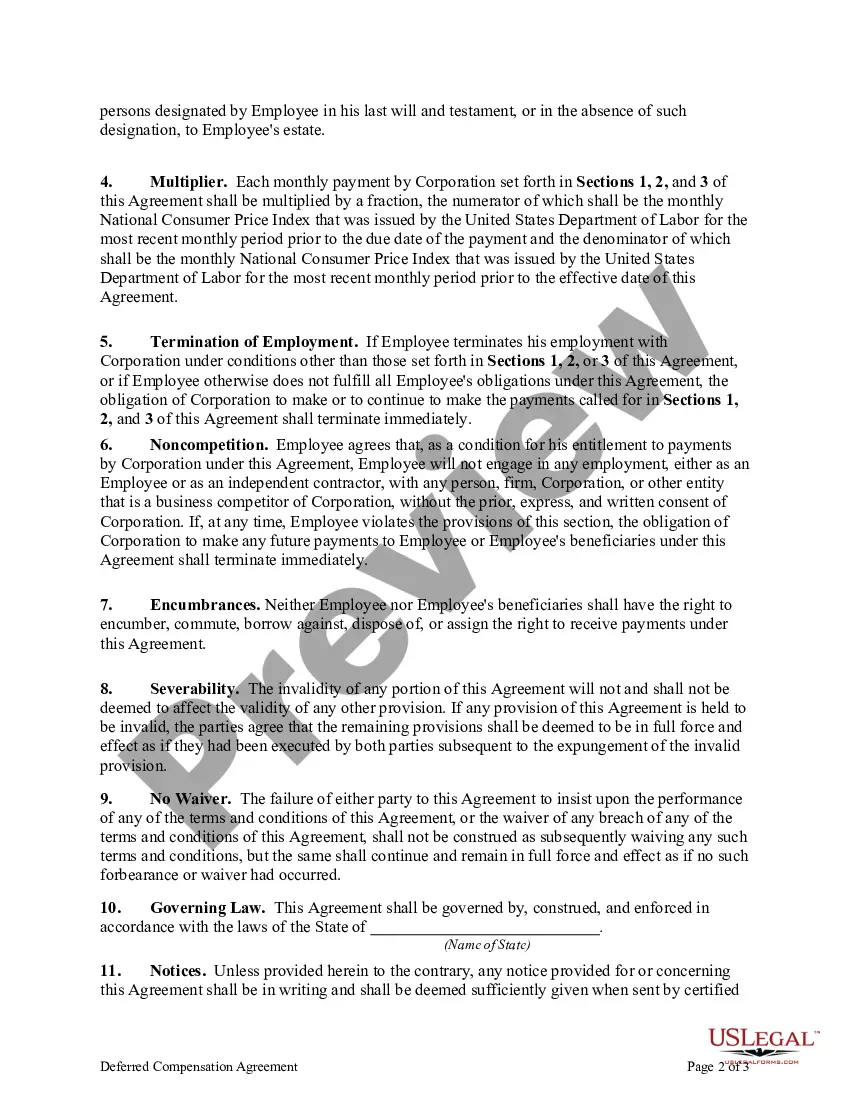
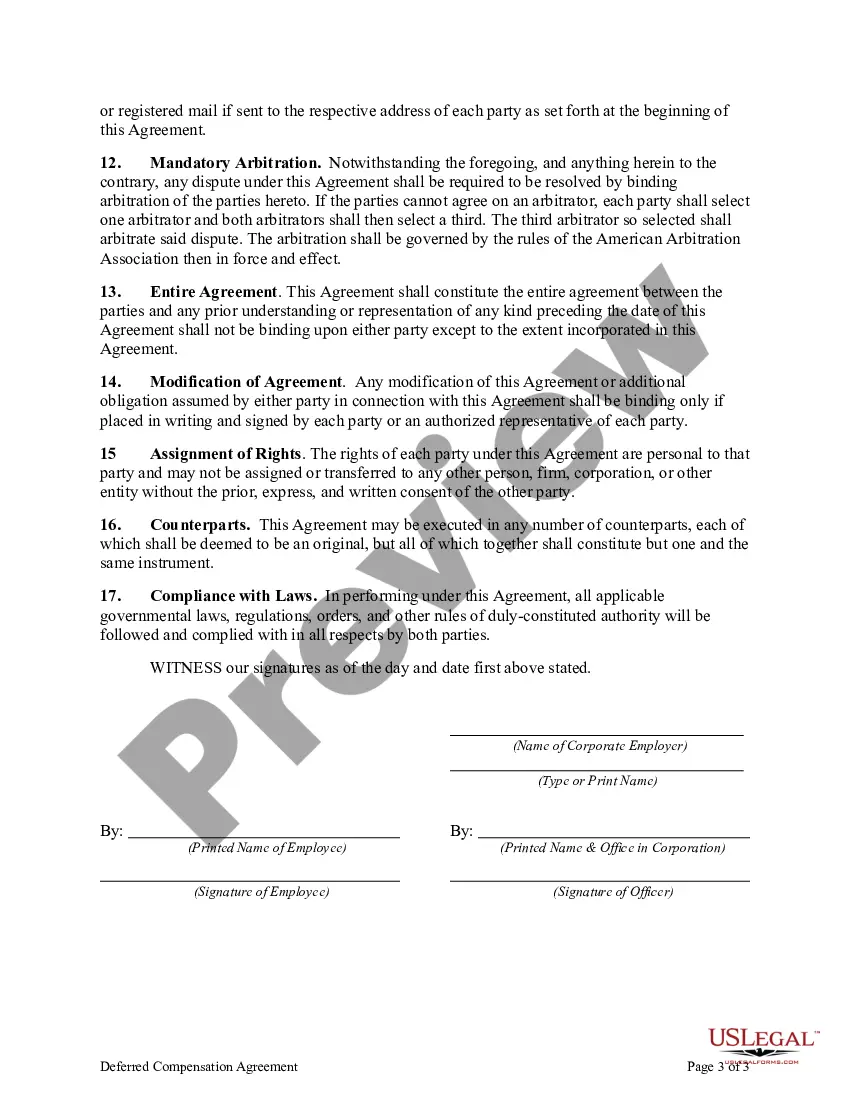

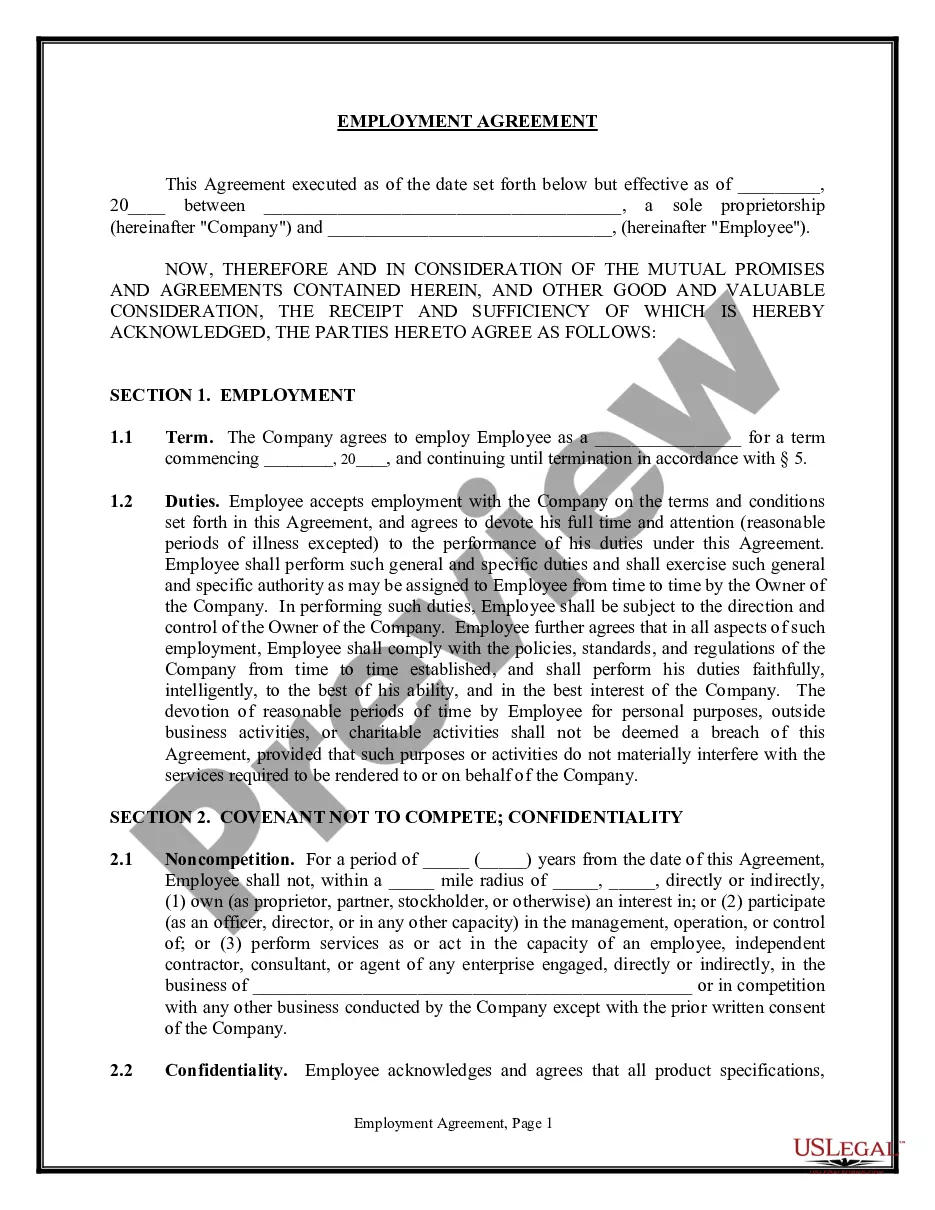
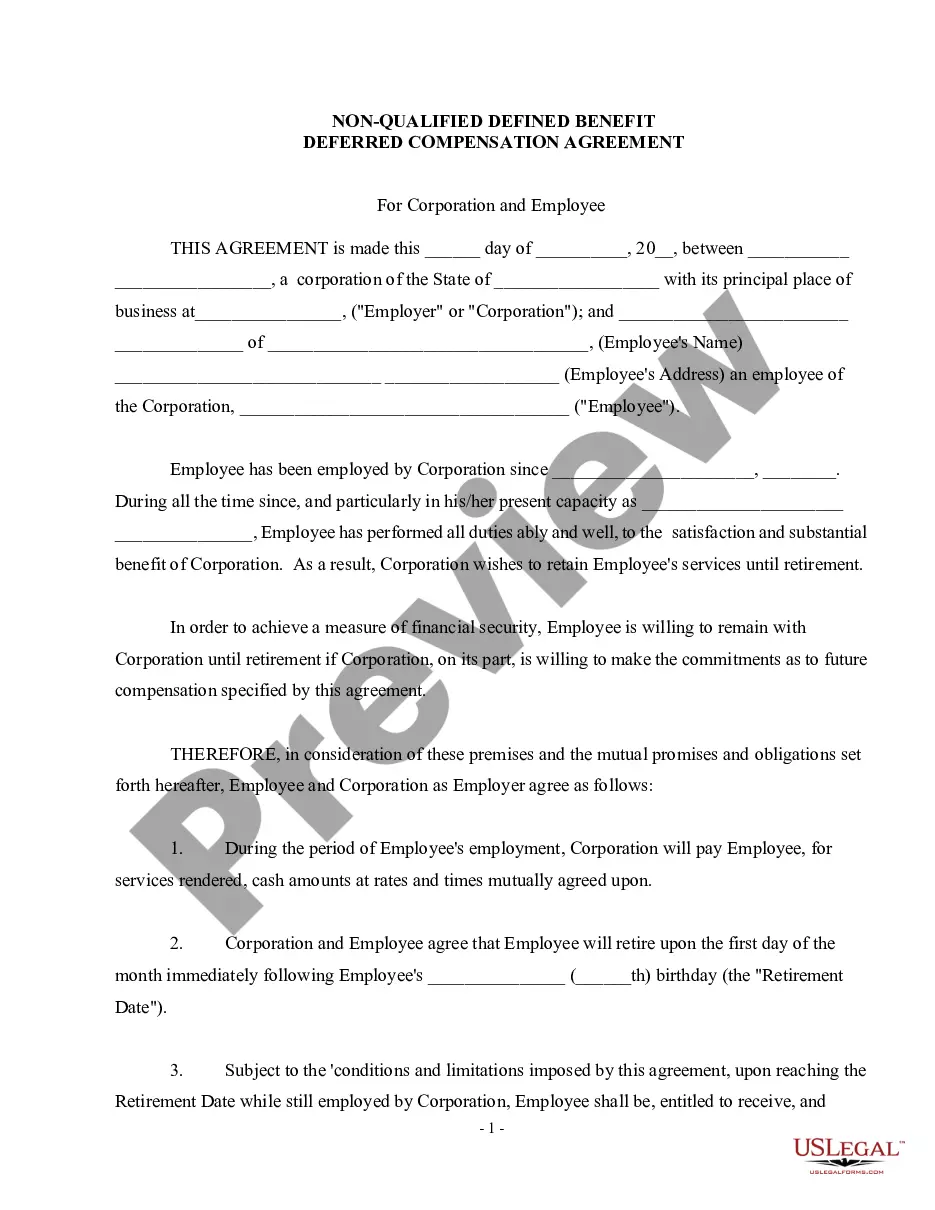
Get your form ready online
Our built-in tools help you complete, sign, share, and store your documents in one place.
Make edits, fill in missing information, and update formatting in US Legal Forms—just like you would in MS Word.
Download a copy, print it, send it by email, or mail it via USPS—whatever works best for your next step.
Sign and collect signatures with our SignNow integration. Send to multiple recipients, set reminders, and more. Go Premium to unlock E-Sign.
If this form requires notarization, complete it online through a secure video call—no need to meet a notary in person or wait for an appointment.
We protect your documents and personal data by following strict security and privacy standards.

Make edits, fill in missing information, and update formatting in US Legal Forms—just like you would in MS Word.

Download a copy, print it, send it by email, or mail it via USPS—whatever works best for your next step.

Sign and collect signatures with our SignNow integration. Send to multiple recipients, set reminders, and more. Go Premium to unlock E-Sign.

If this form requires notarization, complete it online through a secure video call—no need to meet a notary in person or wait for an appointment.

We protect your documents and personal data by following strict security and privacy standards.
Looking for another form?







Form popularity
FAQ
WHAT DOES DEFERRED COMPENSATION MEAN TO ME? It means that you may defer a portion of your salary on a pre-tax, or after-tax basis. The amount of your salary that you defer pre-tax to the Plan is not subject to current Federal or New York State income taxes.
You may keep your contributions in the Plan and continue to build savings for retirement. However, you may withdraw your contributions if you: Have a Plan account balance of less than $5,000, exclusive of any assets you may have in a rollover account, AND. Have not contributed to the Plan in the last two years, AND.
Yes. The Plan offers you an opportunity to defer benefit payments until as late as age 72 or as long as you're still working. When you retire you may be in a lower tax bracket. In addition, any earnings on your contributions will accumulate tax deferred until distribution.
Elective deferral limit The amount you can defer (including pre-tax and Roth contributions) to all your plans (not including 457(b) plans) is $23,000 in 2024 ($22,500 in 2023; $20,500 in 2022; $19,500 in 2020 and 2021; $19,000 in 2021).
With Roth 401(k)s, income taxes are not owed on the withdrawal of your contributions, but income taxes and the 10% penalty tax may apply on the withdrawal of earnings, unless an exception applies. It's important to keep taxes and penalties in mind when making an early withdrawal.
You can't borrow from an IRA, and early withdrawals could incur taxes and penalties.
The Plan differs from other defined contribution retirement plans (like a 401(k) or 403(b)), because it is designed and managed with public employees in mind. The New York State Deferred Compensation Board establishes and administers the Plan policies.
Upon severance from City service, or upon reaching age 59½, participants can begin receiving distributions at any time by either accessing their account online or submitting a Distribution Form to the Plan's Administrative Office. Participants can change or stop distributions at any time.
The regular yearly contributions amount for Deferred Compensation will increase from $23,000 to $23,500. The catch-up contribution limit that generally applies for employees aged 50 and over remains at $7,500 for 2025 for a combined maximum contribution limit of $31,000 in 2025.
