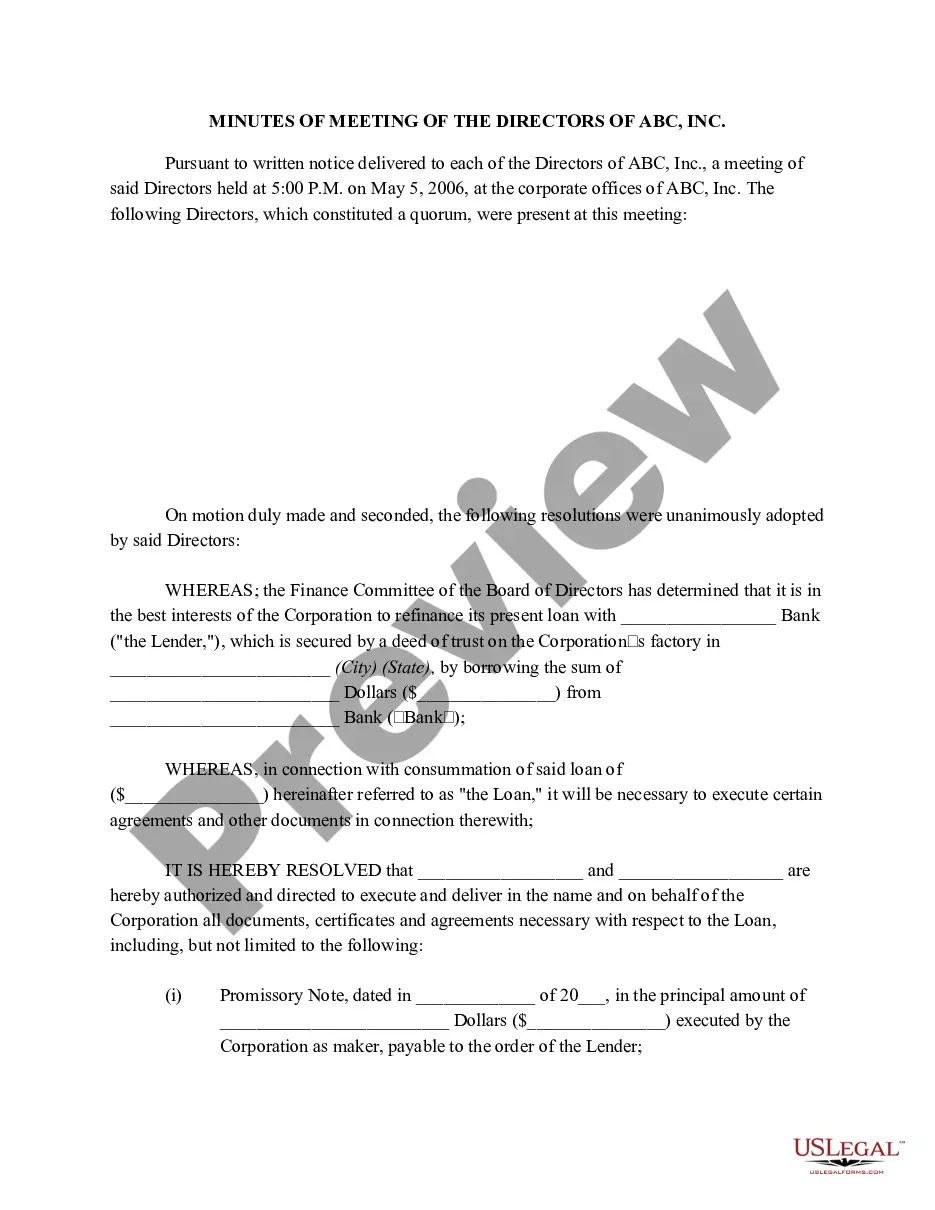
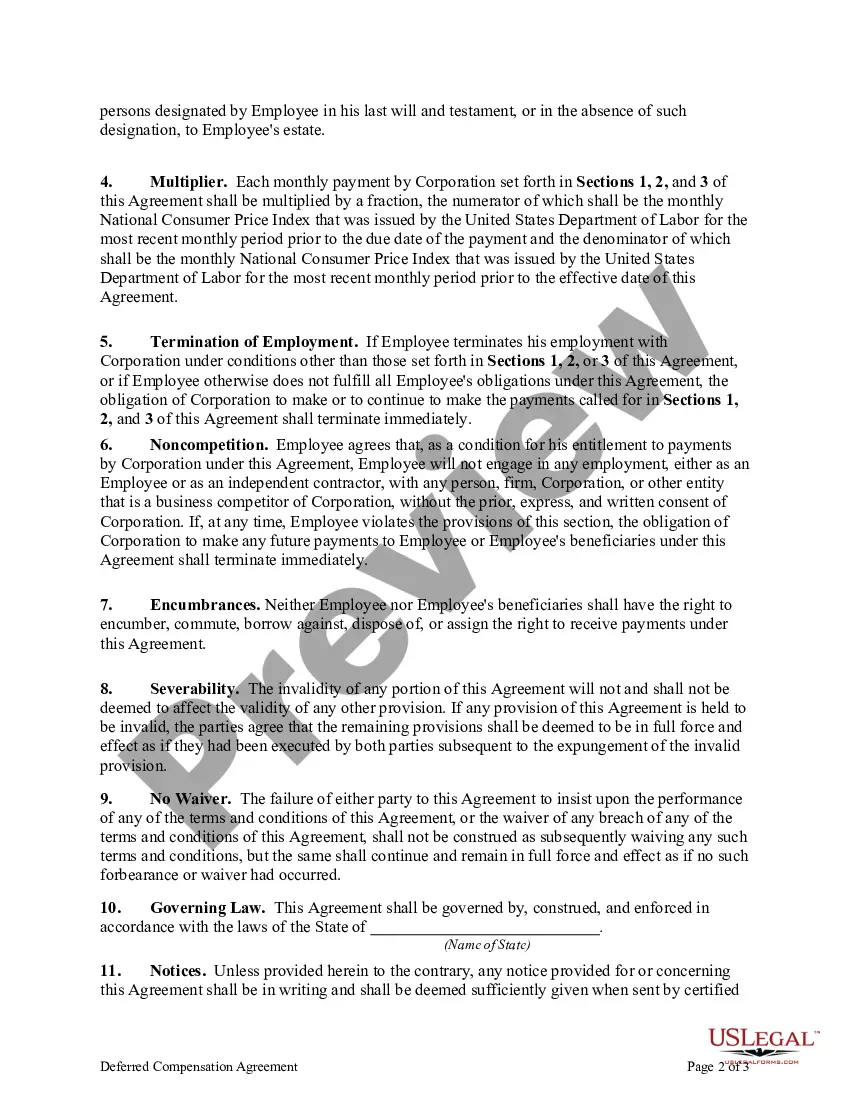
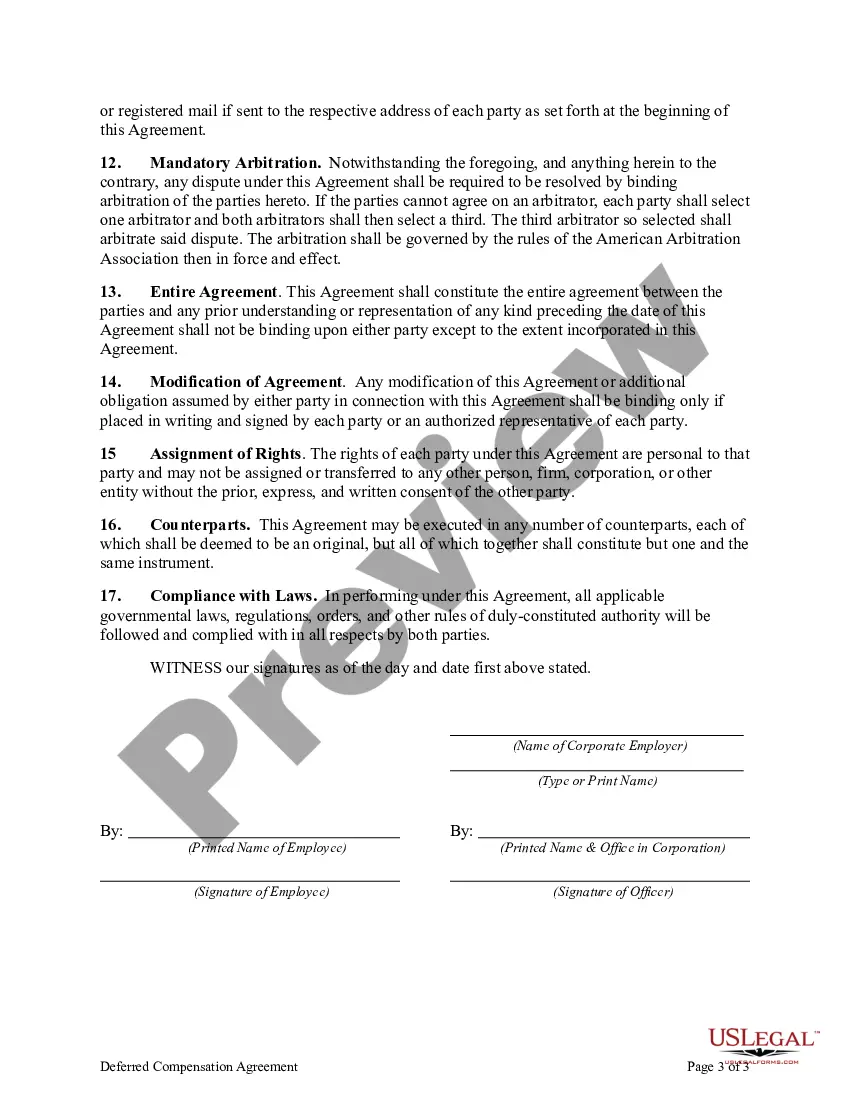
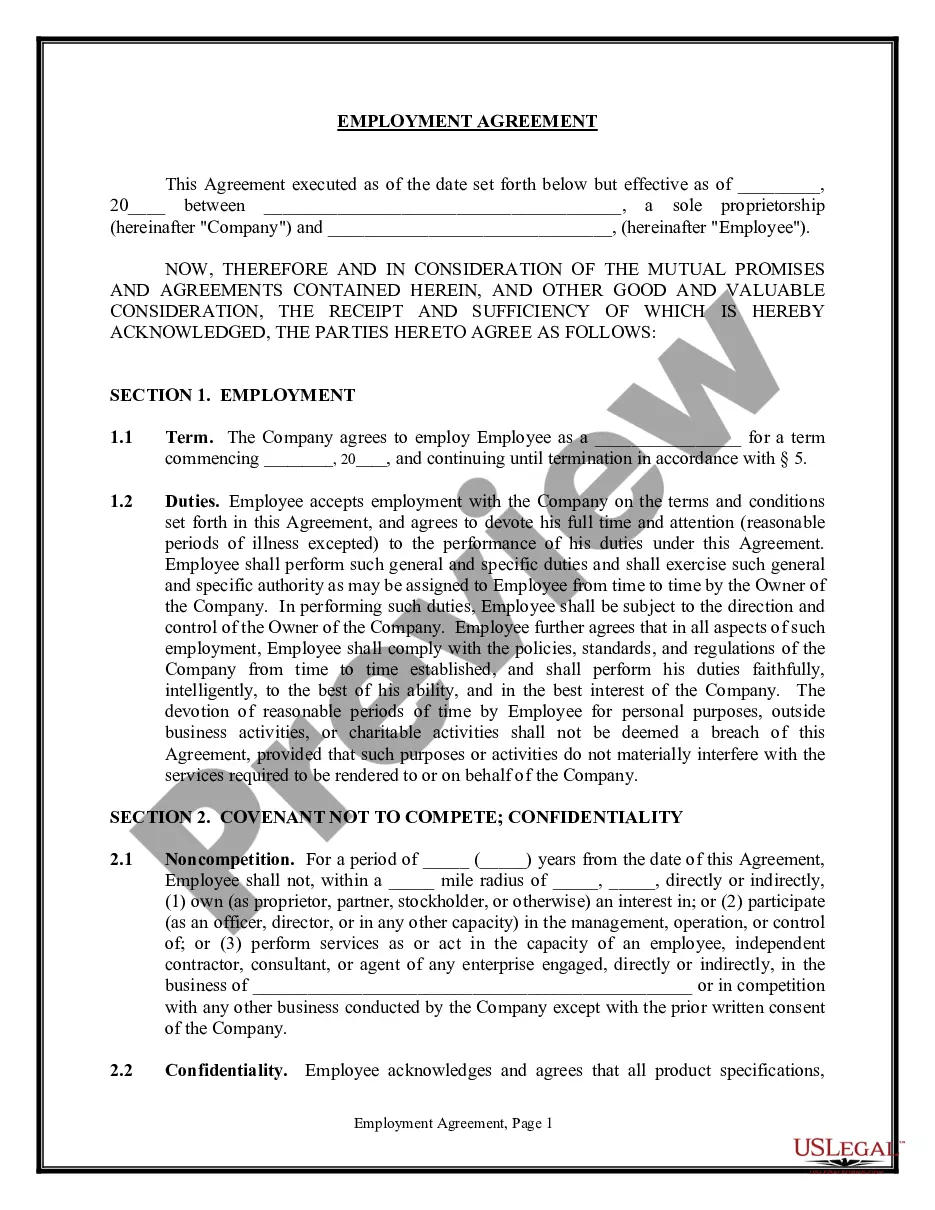
Deferred Compensation Plan For Highly Compensated Employees In Ohio
Description


Get your form ready online
Our built-in tools help you complete, sign, share, and store your documents in one place.
Make edits, fill in missing information, and update formatting in US Legal Forms—just like you would in MS Word.
Download a copy, print it, send it by email, or mail it via USPS—whatever works best for your next step.
Sign and collect signatures with our SignNow integration. Send to multiple recipients, set reminders, and more. Go Premium to unlock E-Sign.
If this form requires notarization, complete it online through a secure video call—no need to meet a notary in person or wait for an appointment.
We protect your documents and personal data by following strict security and privacy standards.

Make edits, fill in missing information, and update formatting in US Legal Forms—just like you would in MS Word.

Download a copy, print it, send it by email, or mail it via USPS—whatever works best for your next step.

Sign and collect signatures with our SignNow integration. Send to multiple recipients, set reminders, and more. Go Premium to unlock E-Sign.

If this form requires notarization, complete it online through a secure video call—no need to meet a notary in person or wait for an appointment.

We protect your documents and personal data by following strict security and privacy standards.
Looking for another form?






Form popularity
FAQ
A government 457(b) deferred compensation plan is a voluntary retirement savings plan that allows eligible employees to supplement any existing retirement/pension benefits by saving and investing pre-tax dollars through payroll deferrals.
The Ohio Deferred Compensation program offers a flexible and tax-advantaged way for state and local government employees to supplement their retirement savings. With options for both pre-tax and Roth contributions, participants can tailor their approach to suit their financial goals and tax preferences.
How much can I contribute? Traditional 457(b) 2025 Annual Regular Limit $23,500 (total limit includes both traditional and Roth contributions) 2025 Annual Age 50+ Catch-up Limit $31,000 (total limit includes both traditional and Roth contributions)7 more rows
Elective deferral limit The amount you can defer (including pre-tax and Roth contributions) to all your plans (not including 457(b) plans) is $23,000 in 2024 ($22,500 in 2023; $20,500 in 2022; $19,500 in 2020 and 2021; $19,000 in 2021).
Elective deferral limit The amount you can defer (including pre-tax and Roth contributions) to all your plans (not including 457(b) plans) is $23,000 in 2024 ($22,500 in 2023; $20,500 in 2022; $19,500 in 2020 and 2021; $19,000 in 2021).
Beginning in the calendar year you turn age 60, 61, 62 or 63 you can contribute $34,750. When you turn age 64, your contribution limit reverts to the Age 50+ catch-up amount.
Deferred Compensation is an extra tool public employees can use to prepare for retirement. Ohio Deferred Compensation is a supplemental 457(b) retirement plan for all Ohio public employees.
Are pensions or retirement income taxed in Ohio? In general, government pensions and retirement income are taxed in Ohio, but there are some exceptions. Social Security and some railroad retirement and military benefits are not taxed. Also, Ohio does not tax nonresidents' retirement income.