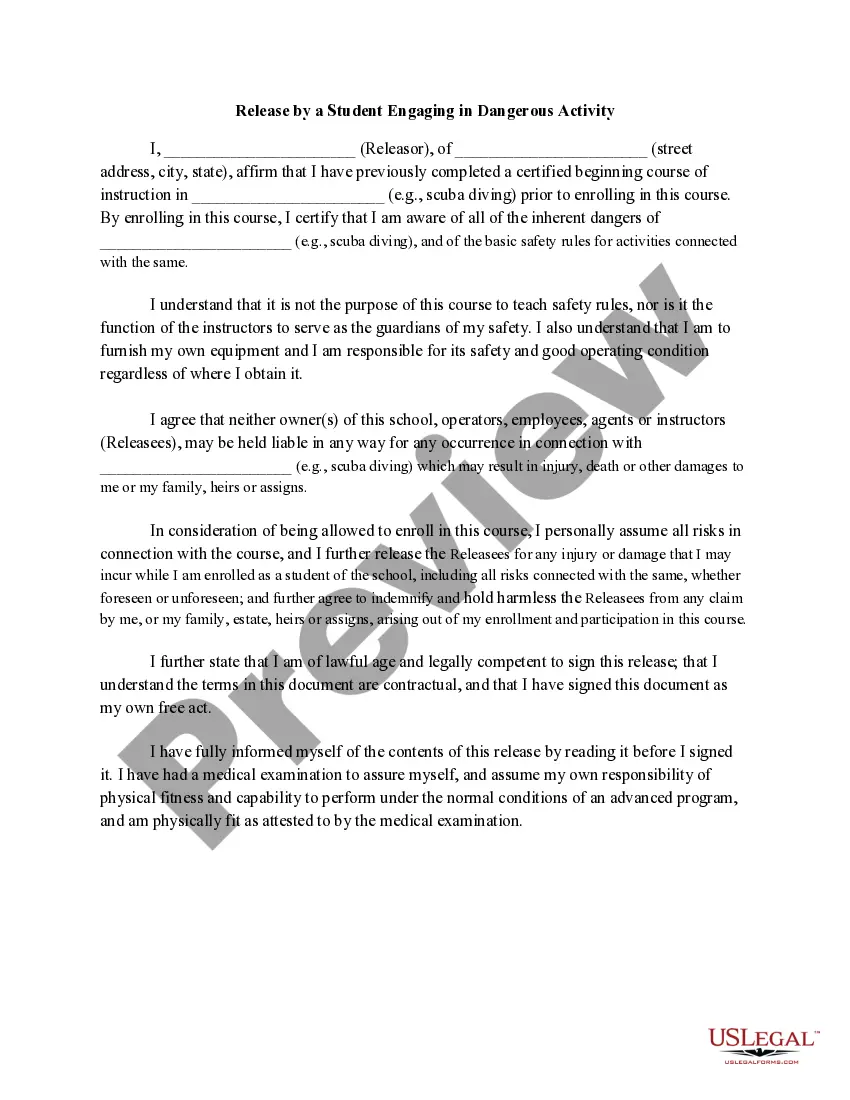
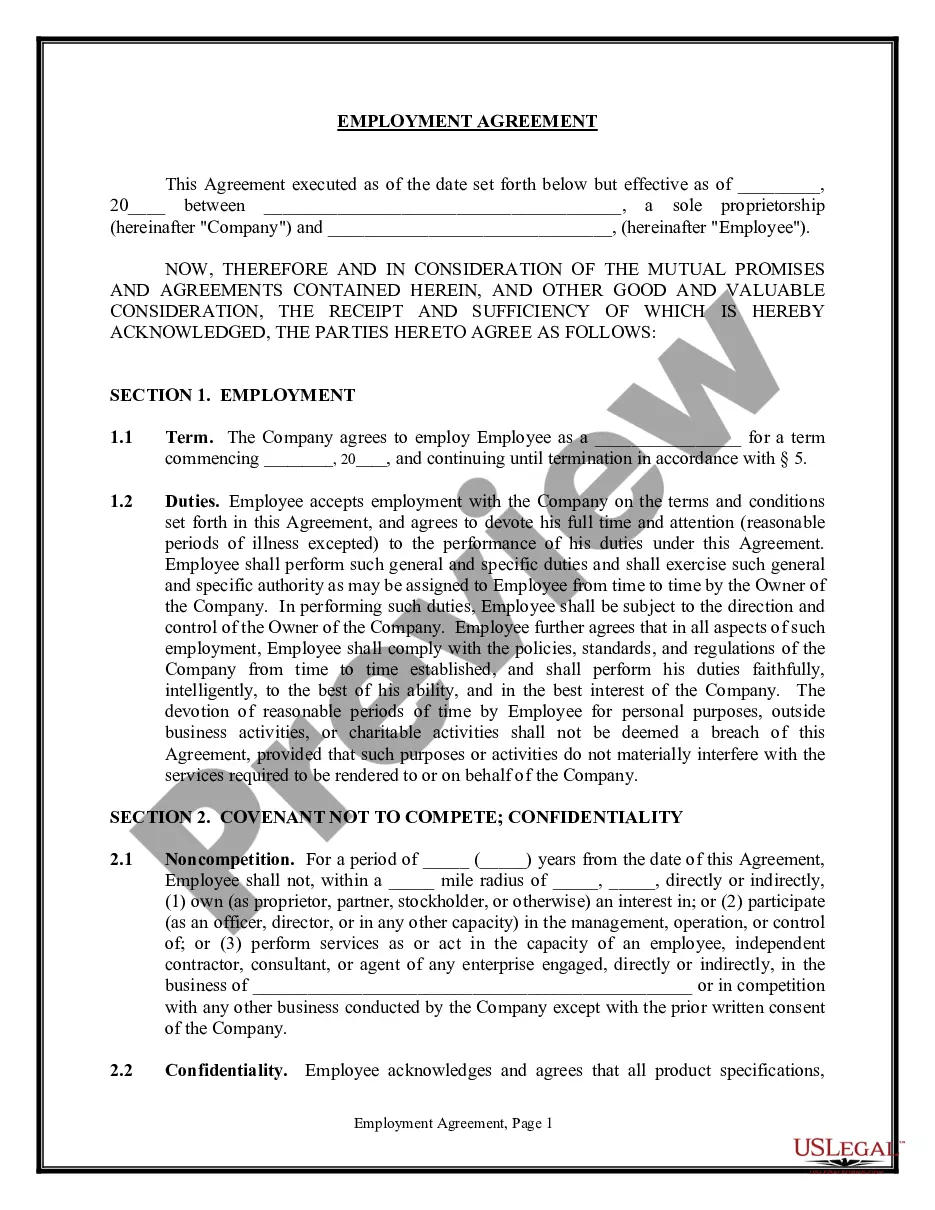
Deferred Compensation Plan For Self Employed In Maricopa
Description


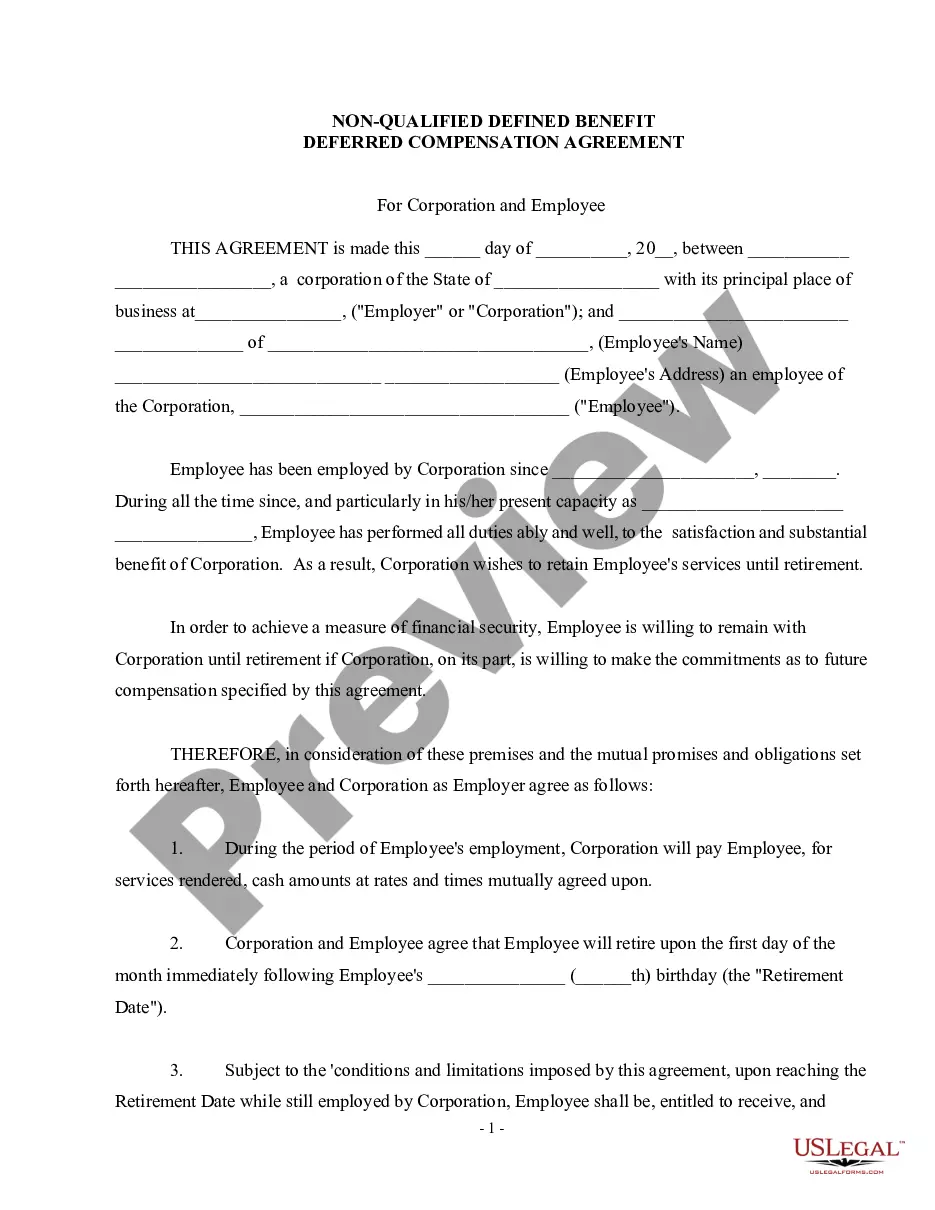
Get your form ready online
Our built-in tools help you complete, sign, share, and store your documents in one place.
Make edits, fill in missing information, and update formatting in US Legal Forms—just like you would in MS Word.
Download a copy, print it, send it by email, or mail it via USPS—whatever works best for your next step.
Sign and collect signatures with our SignNow integration. Send to multiple recipients, set reminders, and more. Go Premium to unlock E-Sign.
If this form requires notarization, complete it online through a secure video call—no need to meet a notary in person or wait for an appointment.
We protect your documents and personal data by following strict security and privacy standards.

Make edits, fill in missing information, and update formatting in US Legal Forms—just like you would in MS Word.

Download a copy, print it, send it by email, or mail it via USPS—whatever works best for your next step.

Sign and collect signatures with our SignNow integration. Send to multiple recipients, set reminders, and more. Go Premium to unlock E-Sign.

If this form requires notarization, complete it online through a secure video call—no need to meet a notary in person or wait for an appointment.

We protect your documents and personal data by following strict security and privacy standards.
Looking for another form?

Form popularity
FAQ
Form 1099-MISC - Nonqualified Deferred Compensation. How can we help? If you received a Form 1099-MISC Miscellaneous Income instead of a Form W-2 Wage and Tax Statement, the income you received is considered nonemployee compensation or self-employment income.
It isn't only corporations, whether public or closely held, that may and benefit from a deferred compensation plan. Sole proprietorships, partnerships and limited liability companies may also receive benefits from such a plan.
A deferred compensation plan is generally an addition to a company 401(k) plan and may be offered only to a few executives and other key employees as an incentive. Generally, those employees participate in both plans.
Any employer - including a sole proprietorship, partnership, corporation and nonprofit organization - with one or more employees may establish a SEP plan. This includes a self-employed business owner, regardless of whether he or she is the only employee of the business.
Risk of Forfeiture The possibility of forfeiture is one of the main risks of a deferred compensation plan, making it significantly less secure than a 401(k) plan.
When you're self-employed, you can save for retirement with tax-advantaged accounts like a SEP IRA, self-employed 401(k), SIMPLE IRA, or Fidelity Advantage 401(k)℠. A health savings plan (HSA) is another potential option for long-term savings, particularly since savings are not use it or lose it and can grow over time.
Hoosier START is the State of Indiana Public Employees' Deferred Compensation Plan. It is a supplemental retirement savings plan designed to help eligible public employees complement their Indiana Public Retirement System (INPRS) pension.
100% of the participant's includible compensation, or. the elective deferral limit ($23,000 in 2024; $22,500 in 2023; $20,500 in 2022; $19,500 in 2020 and in 2021).
The Florida Deferred Compensation Plan is an excellent way to increase retirement security. Contributions can be 457b Pre-Tax and/or 457b Roth (post-tax), and Participants benefit from exceptional investment options. The Florida Deferred Compensation Plan is offered to all State of Florida Government Employees.
A The Deferred Compensation Plan was created based on Internal Revenue Code section 457(b). Commonly called a 457 plan, the Deferred Compensation Plan allows eligible employees to supplement any existing retirement/pension benefits by contributing and investing pre-tax dollars through voluntary salary deferrals.