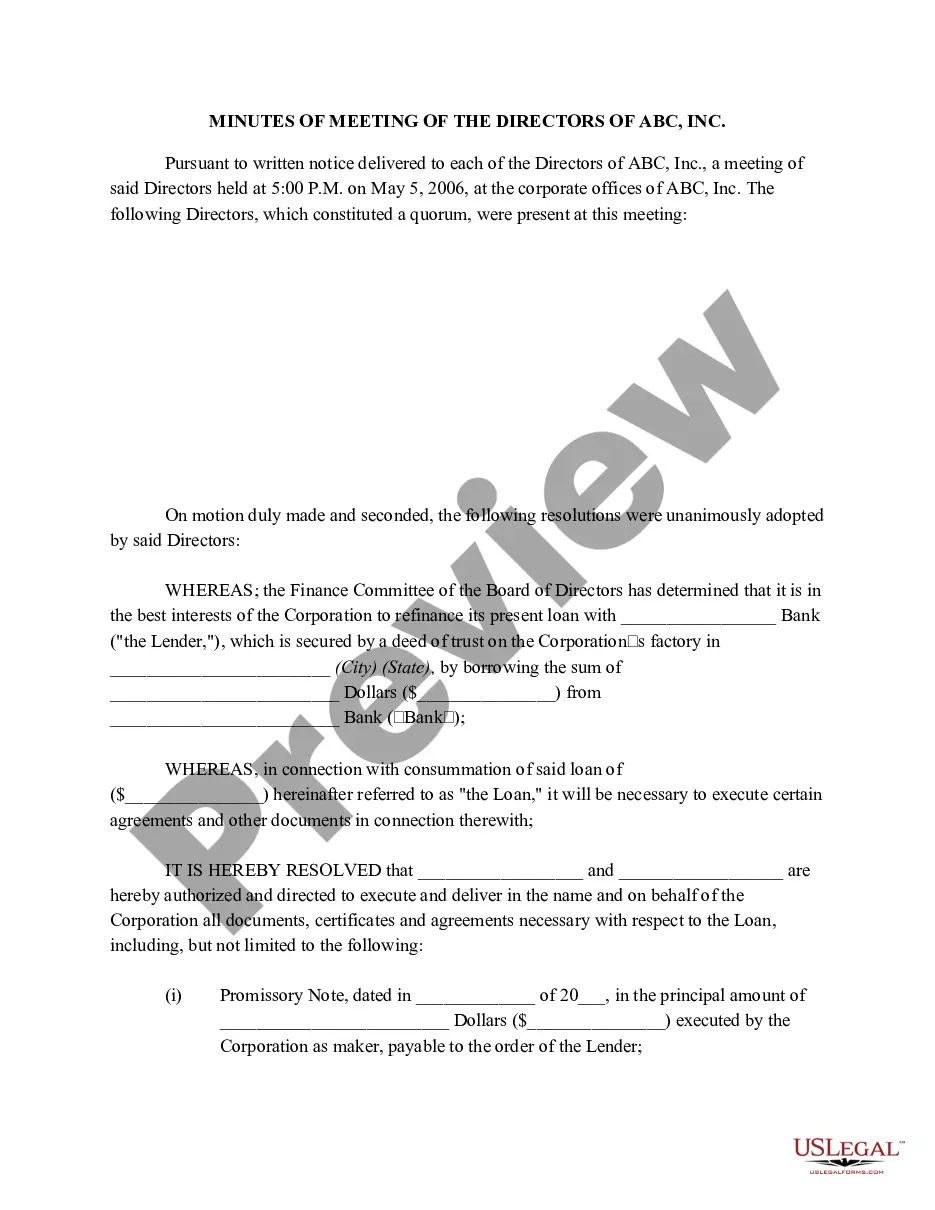
Deferred Compensation Plan For Executives In Allegheny
Description


Get your form ready online
Our built-in tools help you complete, sign, share, and store your documents in one place.
Make edits, fill in missing information, and update formatting in US Legal Forms—just like you would in MS Word.
Download a copy, print it, send it by email, or mail it via USPS—whatever works best for your next step.
Sign and collect signatures with our SignNow integration. Send to multiple recipients, set reminders, and more. Go Premium to unlock E-Sign.
If this form requires notarization, complete it online through a secure video call—no need to meet a notary in person or wait for an appointment.
We protect your documents and personal data by following strict security and privacy standards.

Make edits, fill in missing information, and update formatting in US Legal Forms—just like you would in MS Word.

Download a copy, print it, send it by email, or mail it via USPS—whatever works best for your next step.

Sign and collect signatures with our SignNow integration. Send to multiple recipients, set reminders, and more. Go Premium to unlock E-Sign.

If this form requires notarization, complete it online through a secure video call—no need to meet a notary in person or wait for an appointment.

We protect your documents and personal data by following strict security and privacy standards.
Looking for another form?








Form popularity
FAQ
To enroll in the Supplemental Contributions Plan, call the Plan Information Line at (800) 260-0659 or visit the CalPERS Supplemental Contributions Plan website for more information.
The Risks Of Deferred Compensation Plans The biggest downside to most of these plans is the risk of the company declaring bankruptcy. It is surprising that most, if not all, of these plans aren't in a trust that cannot be touched by creditors.
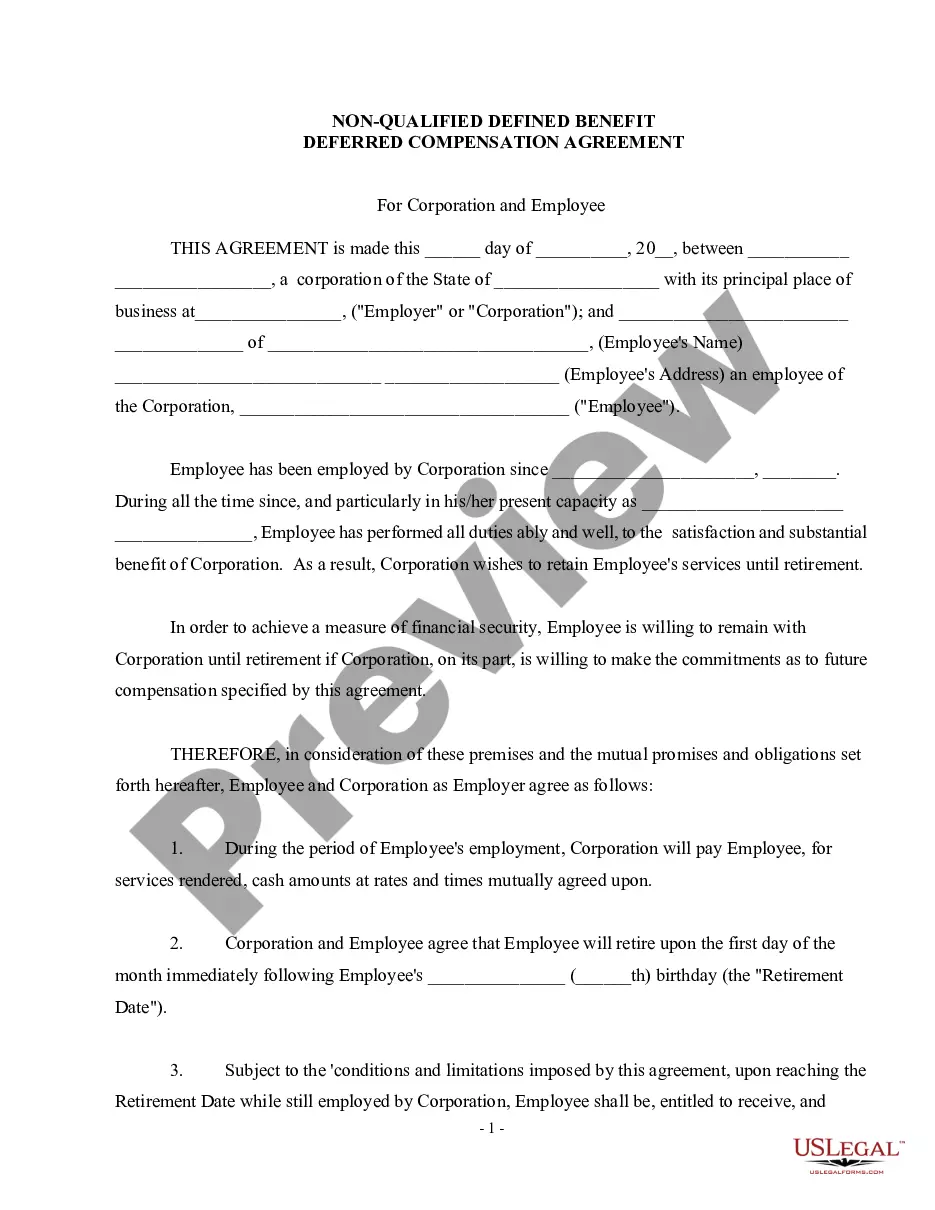
Deferred compensation is a financial arrangement where employees can elect to receive a portion of their income at a later date, typically during retirement. This provides individuals with a means to save for the future in a tax-advantaged manner.
Deferred compensation is often considered better than a 401(k) for highly-compensated executives looking to reduce their tax burden. Contribution limits on deferred compensation plans can also be much higher than 401(k) limits.
Deferred compensation is a written agreement between an employer and an employee where the employee voluntarily agrees to have part of their compensation withheld by the company, invested on their behalf, and given to them at some pre-specified point in the future.
401(k) plans and 403(b) plans offer very similar benefits. As such, one isn't really better than the other. The main difference is that each plan is offered to employees of different types of companies. Another key difference between the plans is that 403(b) plans also offer a $15,000 catch-up.
Roth IRA is a great option because your contributions are accessable if you need to get to them unlike the 401k.
From a high level, the sponsor of a 401(k) plan is the entity that establishes retirement plans for a company and its employees. Normally, the 401(k) plan sponsor is the employer itself, a union, or a selected employee of the firm.