Asset Purchase Agreement And Goodwill In Washington
Description

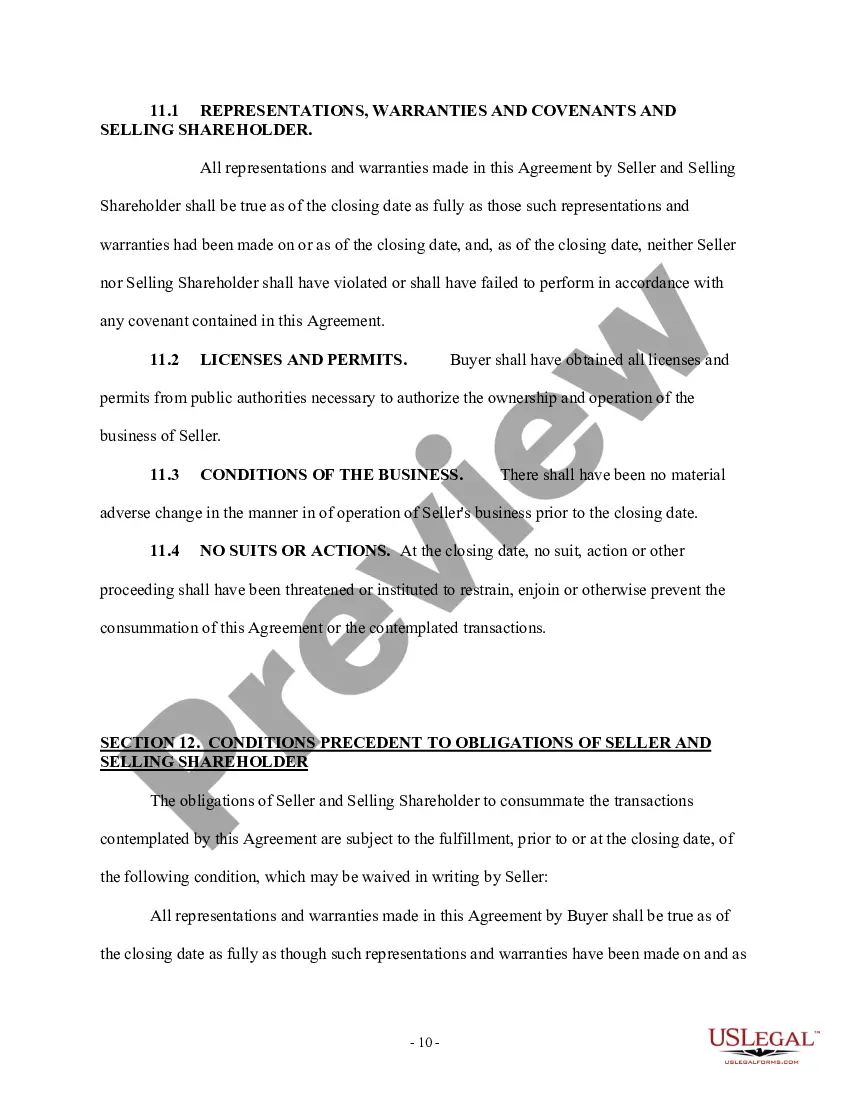


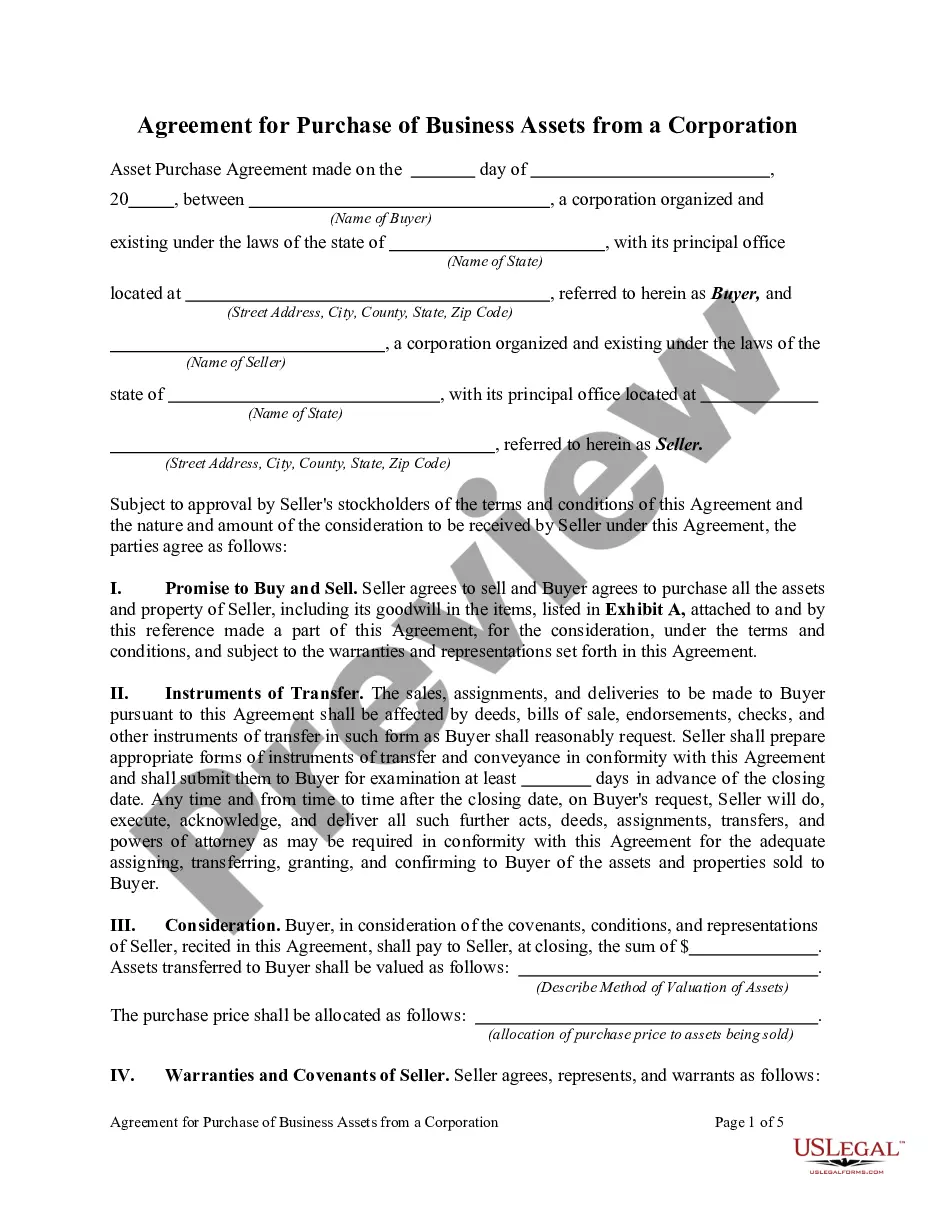
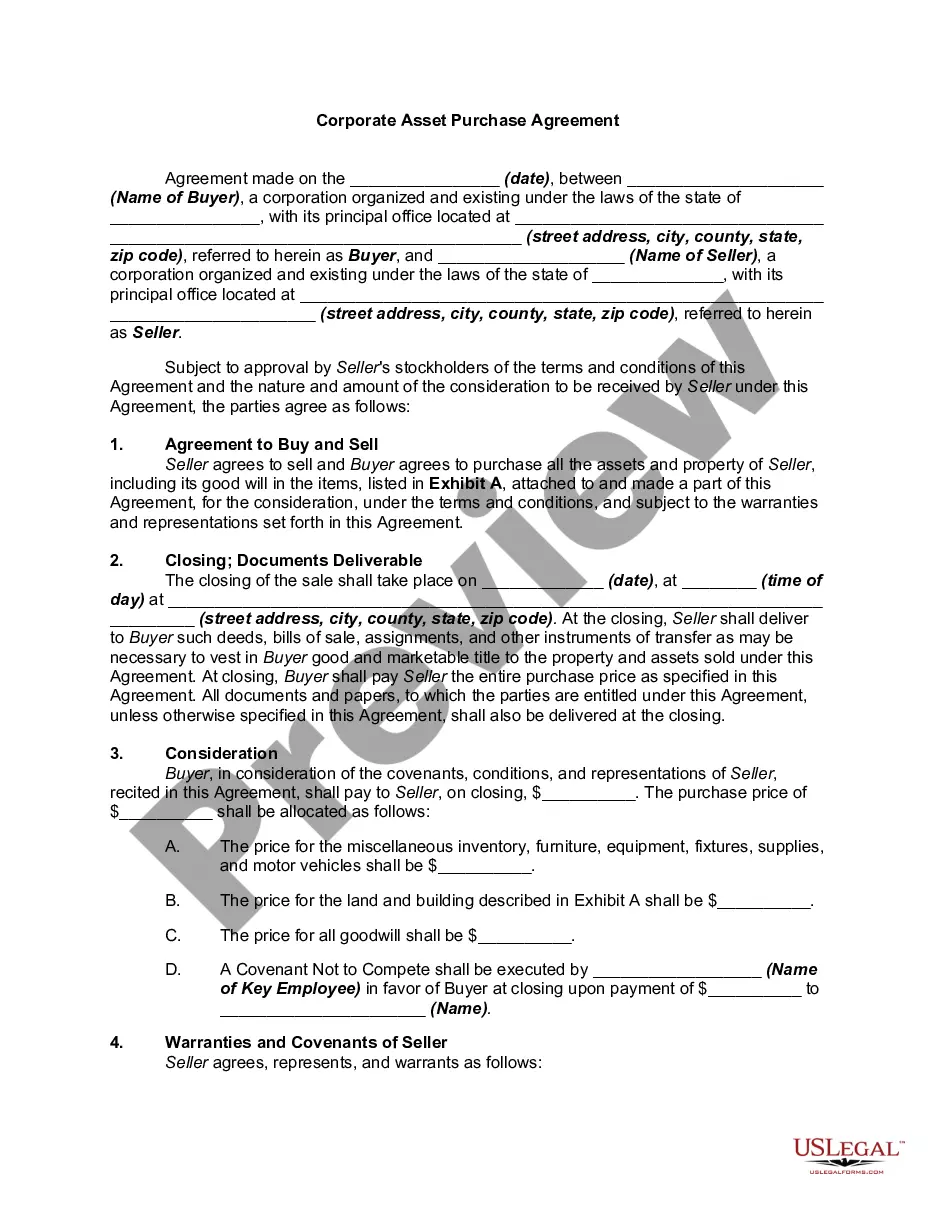
Get your form ready online
Our built-in tools help you complete, sign, share, and store your documents in one place.
Make edits, fill in missing information, and update formatting in US Legal Forms—just like you would in MS Word.
Download a copy, print it, send it by email, or mail it via USPS—whatever works best for your next step.
Sign and collect signatures with our SignNow integration. Send to multiple recipients, set reminders, and more. Go Premium to unlock E-Sign.
If this form requires notarization, complete it online through a secure video call—no need to meet a notary in person or wait for an appointment.
We protect your documents and personal data by following strict security and privacy standards.

Make edits, fill in missing information, and update formatting in US Legal Forms—just like you would in MS Word.

Download a copy, print it, send it by email, or mail it via USPS—whatever works best for your next step.

Sign and collect signatures with our SignNow integration. Send to multiple recipients, set reminders, and more. Go Premium to unlock E-Sign.

If this form requires notarization, complete it online through a secure video call—no need to meet a notary in person or wait for an appointment.

We protect your documents and personal data by following strict security and privacy standards.
Looking for another form?






Form popularity
FAQ
This is done by calculating the net assets of the subsidiary at acquisition and multiplying this by the percentage owned by the non-controlling interest. Under the fair value method, the non-controlling interest at acquisition will be higher, meaning that the goodwill figure is higher.
Goodwill is not only an intangible asset but also a capital asset. The value of goodwill refers to the amount over book value that one company pays when acquiring another. Goodwill is classified as a capital asset because it provides an ongoing revenue generation benefit for a period that extends beyond one year.
In many instances, a buyer in an asset transaction will not want to acquire any liabilities (other than contracted obligations for future performance). In those instances, the working capital adjustment will look only at current assets.
The biggest difference is that an SPA is the sale of all shares, and an APA is the sale of selected assets. Therefore, they are both different transactions and have different procedures.
