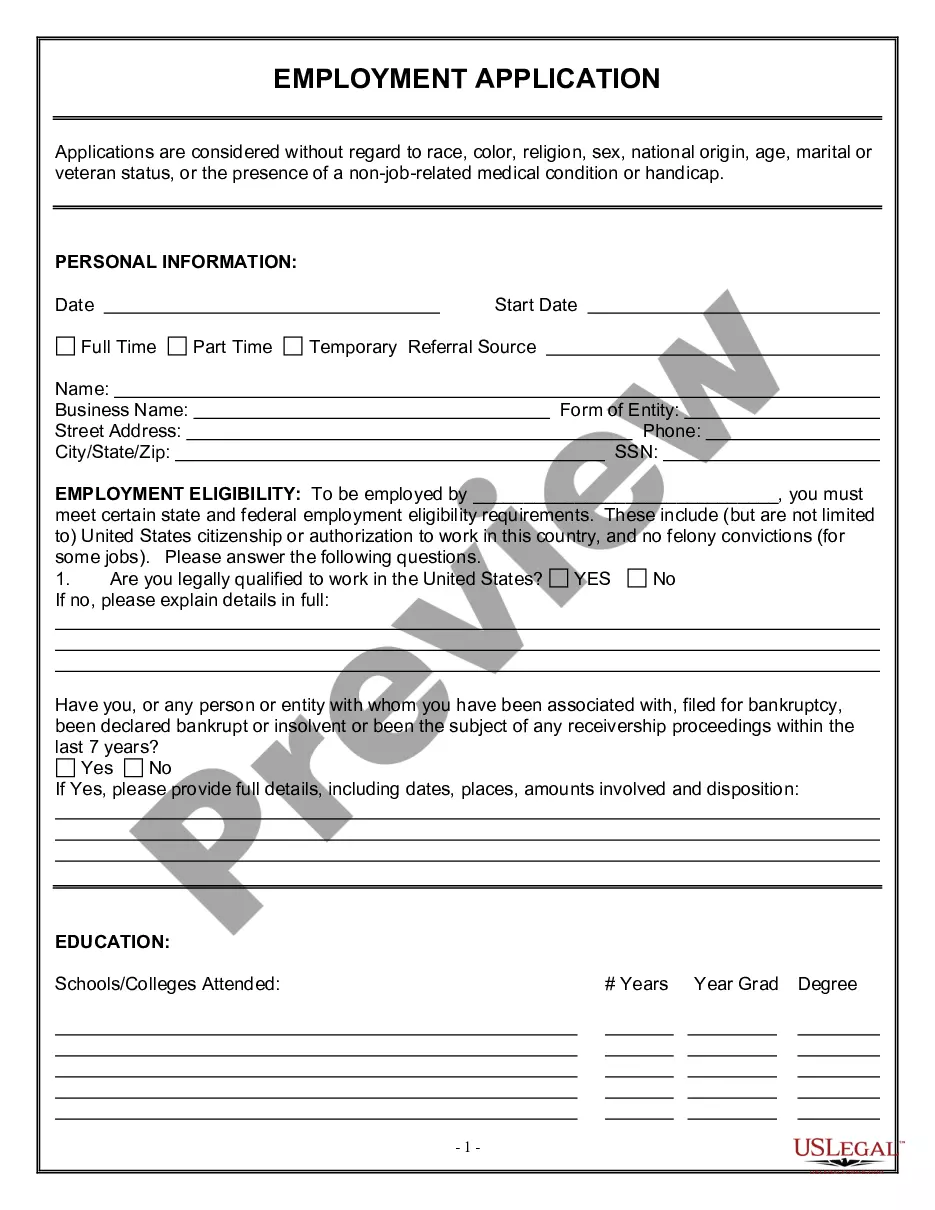
Difference Between Asset Sale And Business Sale In San Antonio
Description



Get your form ready online
Our built-in tools help you complete, sign, share, and store your documents in one place.
Make edits, fill in missing information, and update formatting in US Legal Forms—just like you would in MS Word.
Download a copy, print it, send it by email, or mail it via USPS—whatever works best for your next step.
Sign and collect signatures with our SignNow integration. Send to multiple recipients, set reminders, and more. Go Premium to unlock E-Sign.
If this form requires notarization, complete it online through a secure video call—no need to meet a notary in person or wait for an appointment.
We protect your documents and personal data by following strict security and privacy standards.

Make edits, fill in missing information, and update formatting in US Legal Forms—just like you would in MS Word.

Download a copy, print it, send it by email, or mail it via USPS—whatever works best for your next step.

Sign and collect signatures with our SignNow integration. Send to multiple recipients, set reminders, and more. Go Premium to unlock E-Sign.

If this form requires notarization, complete it online through a secure video call—no need to meet a notary in person or wait for an appointment.

We protect your documents and personal data by following strict security and privacy standards.
Looking for another form?









Form popularity
FAQ
Asset-specific rules can help you automate the management of assets, enabling you to take actions on assets with no manual action required. Using Asset Management Rules, you can take actions on assets to tag, expire, restrict, and more.
How to record disposal of assets Calculate the asset's depreciation amount. The first step is to ensure you have the accurate value of the asset recorded at the time of its disposal. Record the sale amount of the asset. Credit the asset. Remove all instances of the asset from other books. Confirm the accuracy of your work.
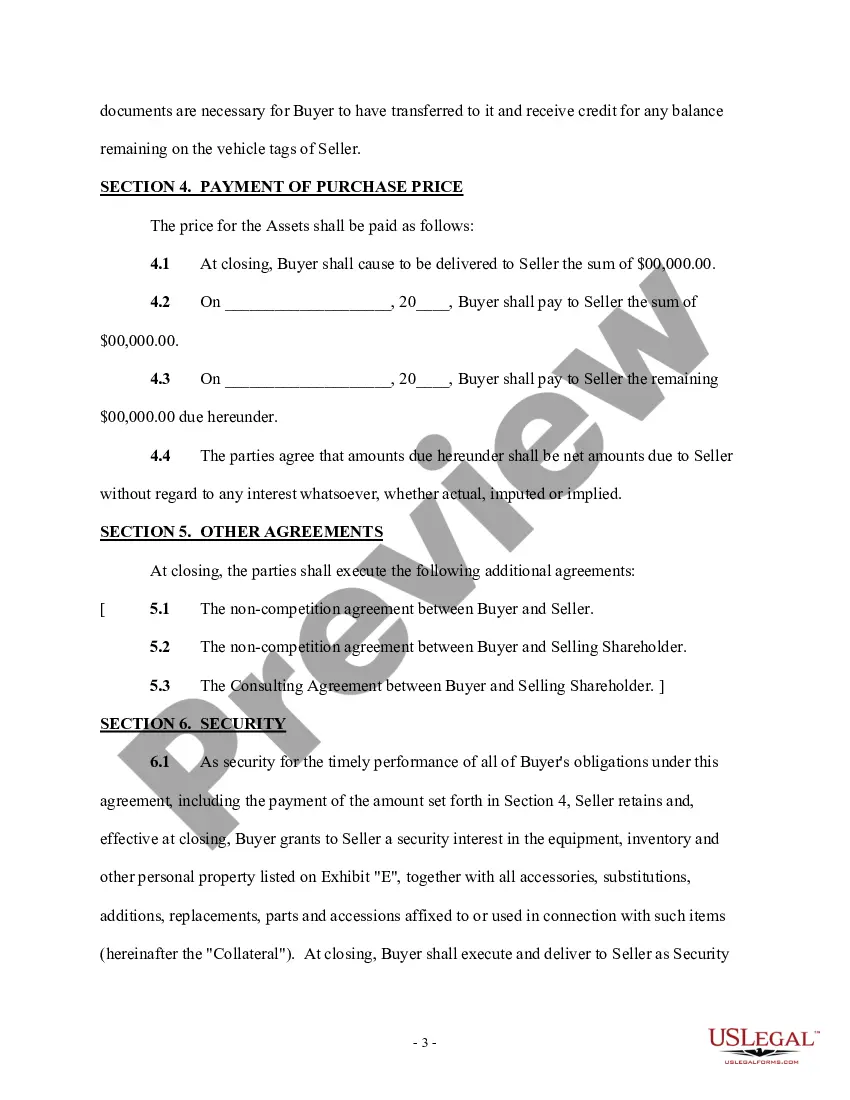
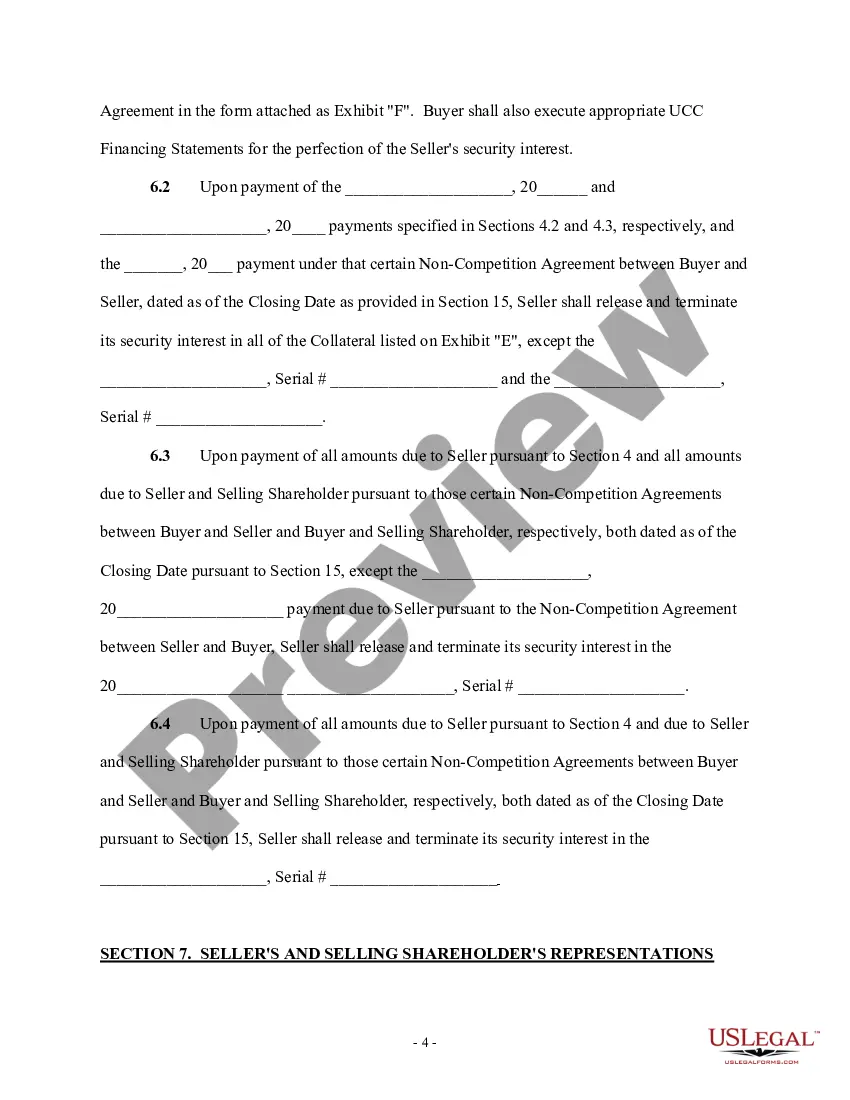
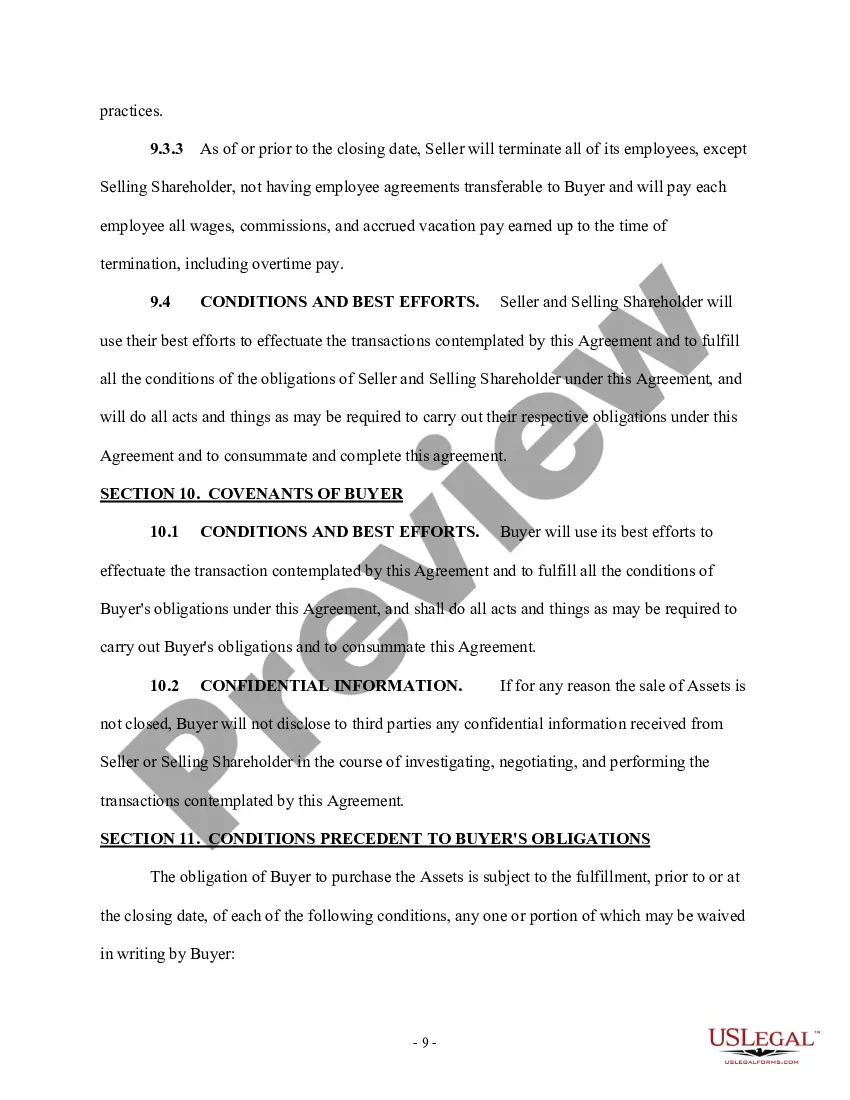
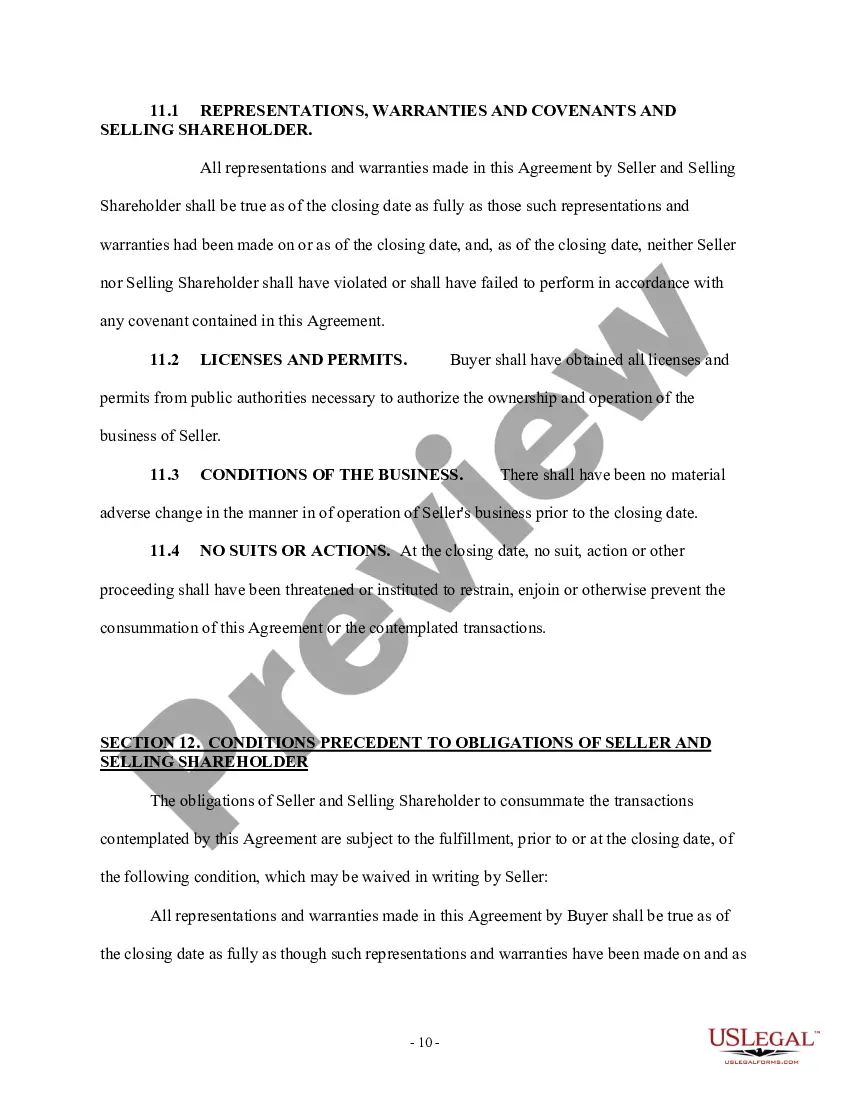
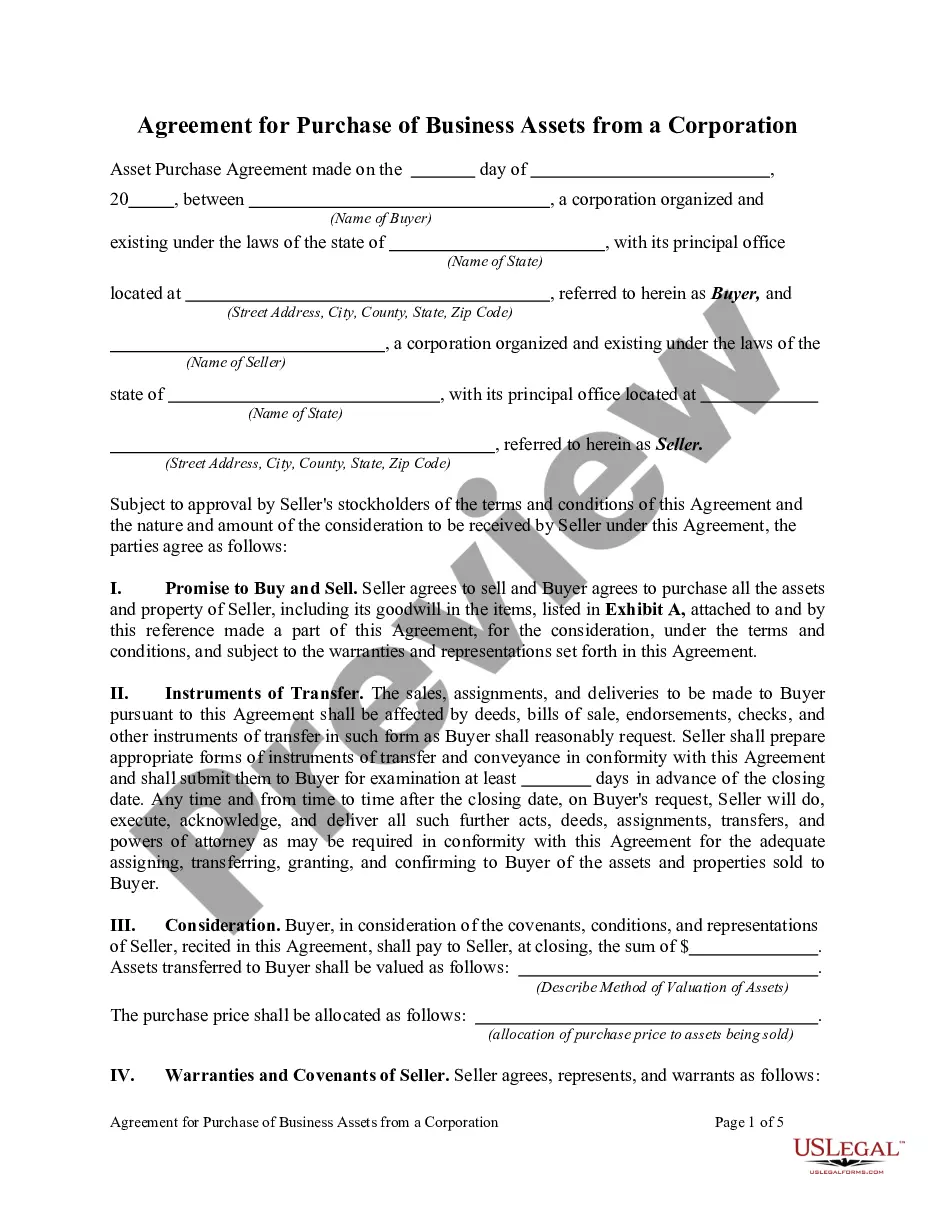
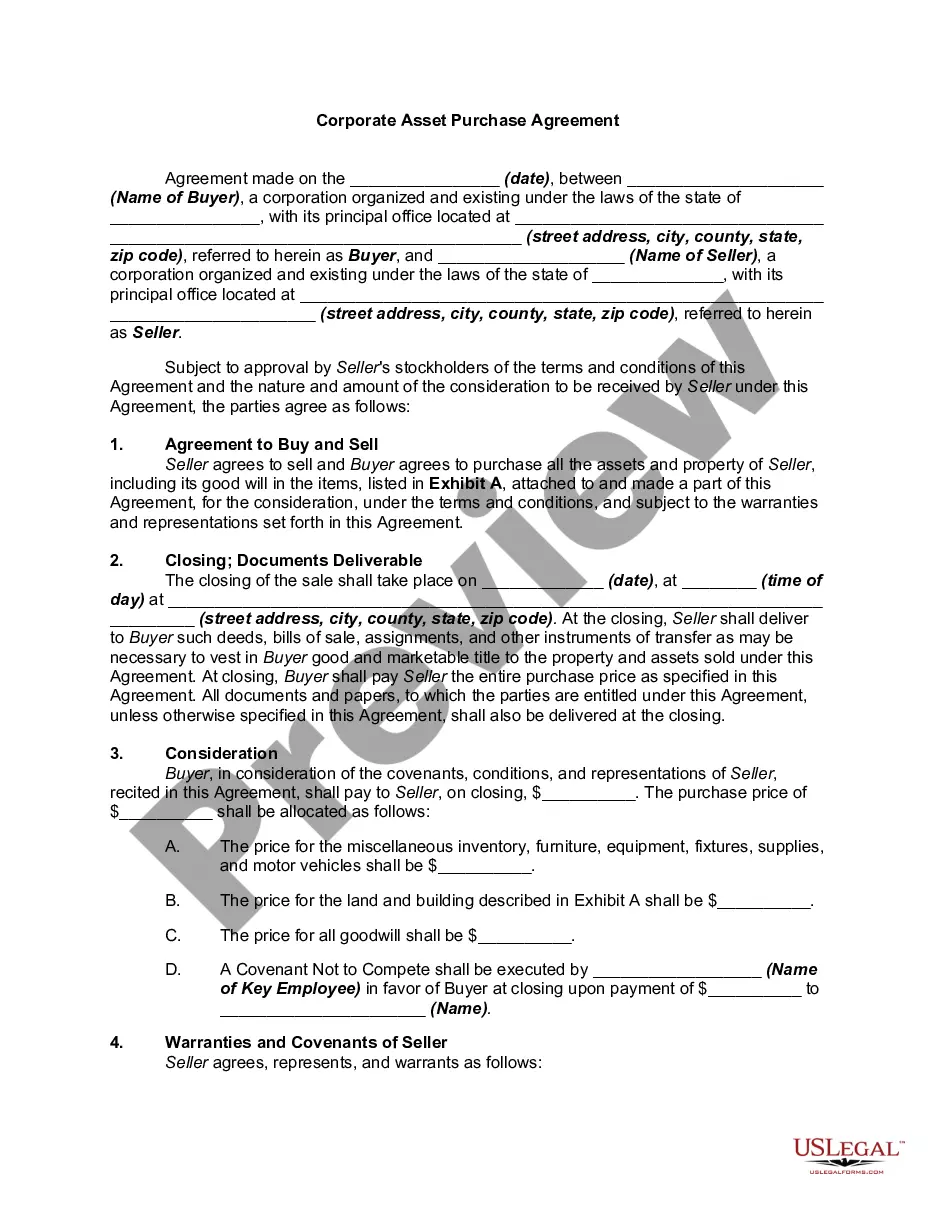
In an asset sale, the seller retains possession of the legal entity and the buyer purchases individual assets of the company, such as equipment, fixtures, leaseholds, licenses, goodwill, trade secrets, trade names, telephone numbers, and inventory.
In an asset sale, the seller retains possession of the legal entity and the buyer purchases individual assets of the company, such as equipment, fixtures, leaseholds, licenses, goodwill, trade secrets, trade names, telephone numbers, and inventory.
Key provisions of IFRS 5 relating to assets held for sale management is committed to a plan to sell. the asset is available for immediate sale. an active programme to locate a buyer is initiated. the sale is highly probable, within 12 months of classification as held for sale (subject to limited exceptions)
In an asset sale, the ownership of these acquired assets would change hands, with the buyer negotiating separately for each asset. In a stock sale, ownership of such assets does not change hands in the same way. The target still retains its ownership typically, even if the target has a new owner.
In an asset sale, the ownership of these acquired assets would change hands, with the buyer negotiating separately for each asset. In a stock sale, ownership of such assets does not change hands in the same way. The target still retains its ownership typically, even if the target has a new owner.
The sale of a business usually is not a sale of one asset. Instead, all the assets of the business are sold. Generally, when this occurs, each asset is treated as being sold separately for determining the treatment of gain or loss. A business usually has many assets.
Explore the three types of business buying behavior: Straight Rebuy, Modified Rebuy, and New Task. Learn how they influence B2B purchasing decisions. Understanding how businesses make purchasing decisions is more complex than it seems.