Asset Purchase Agreement With Earn Out Provision In Nevada
Description

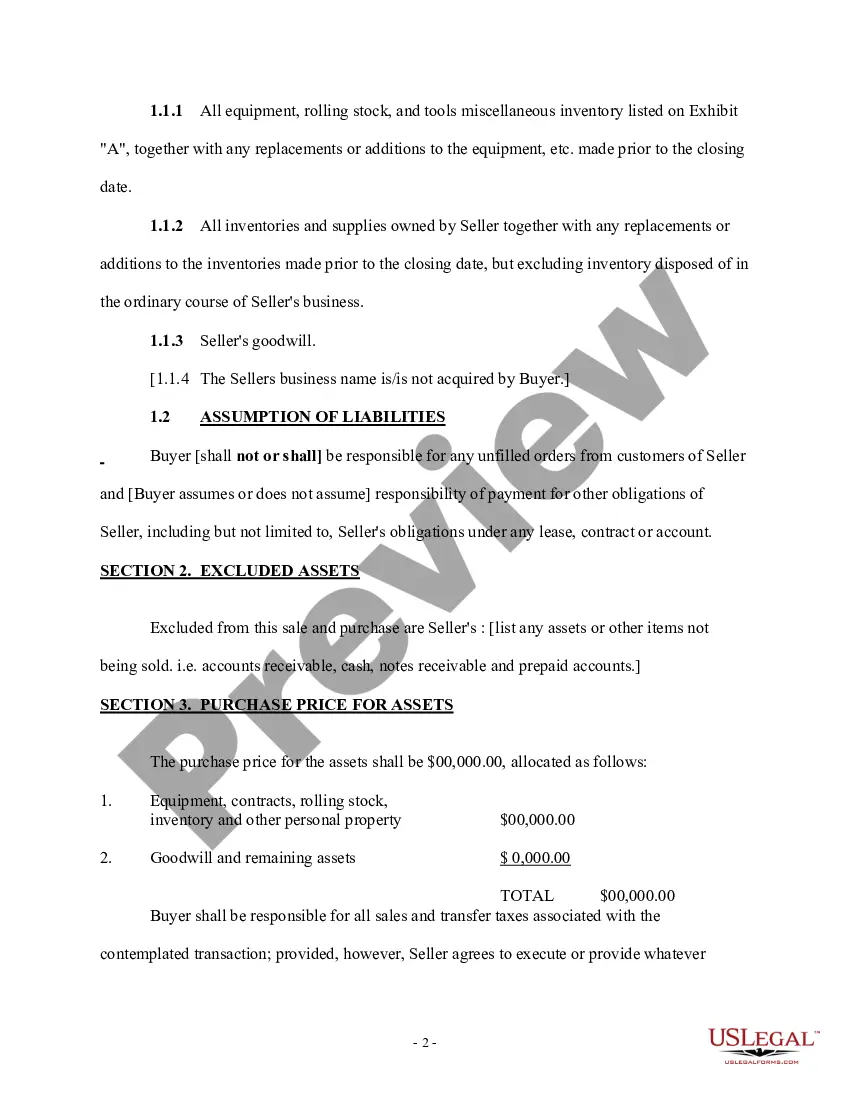
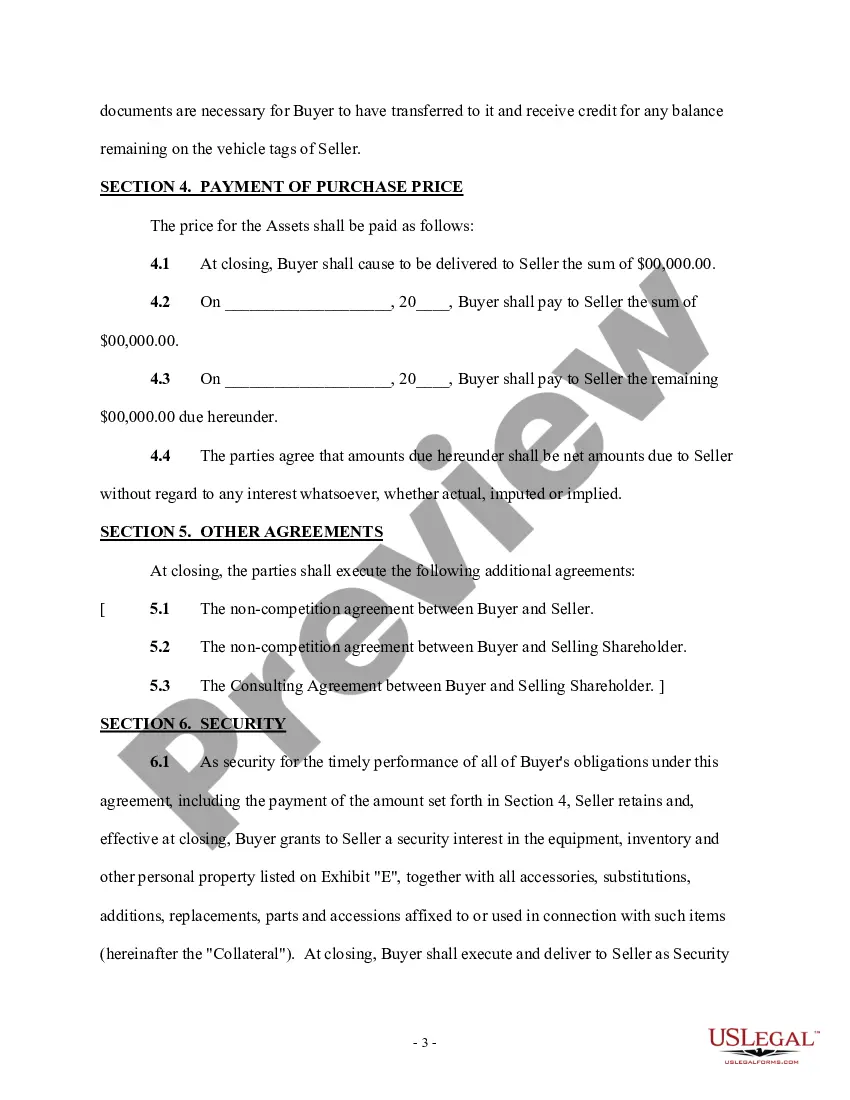
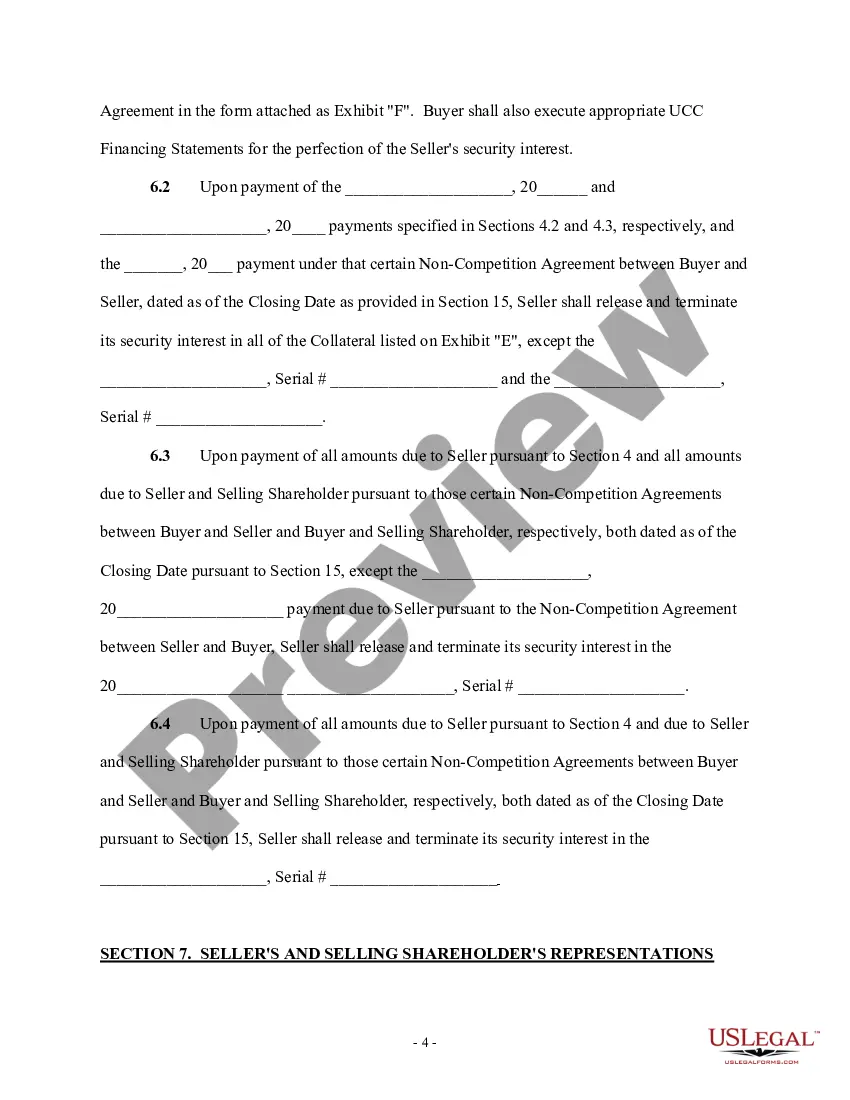
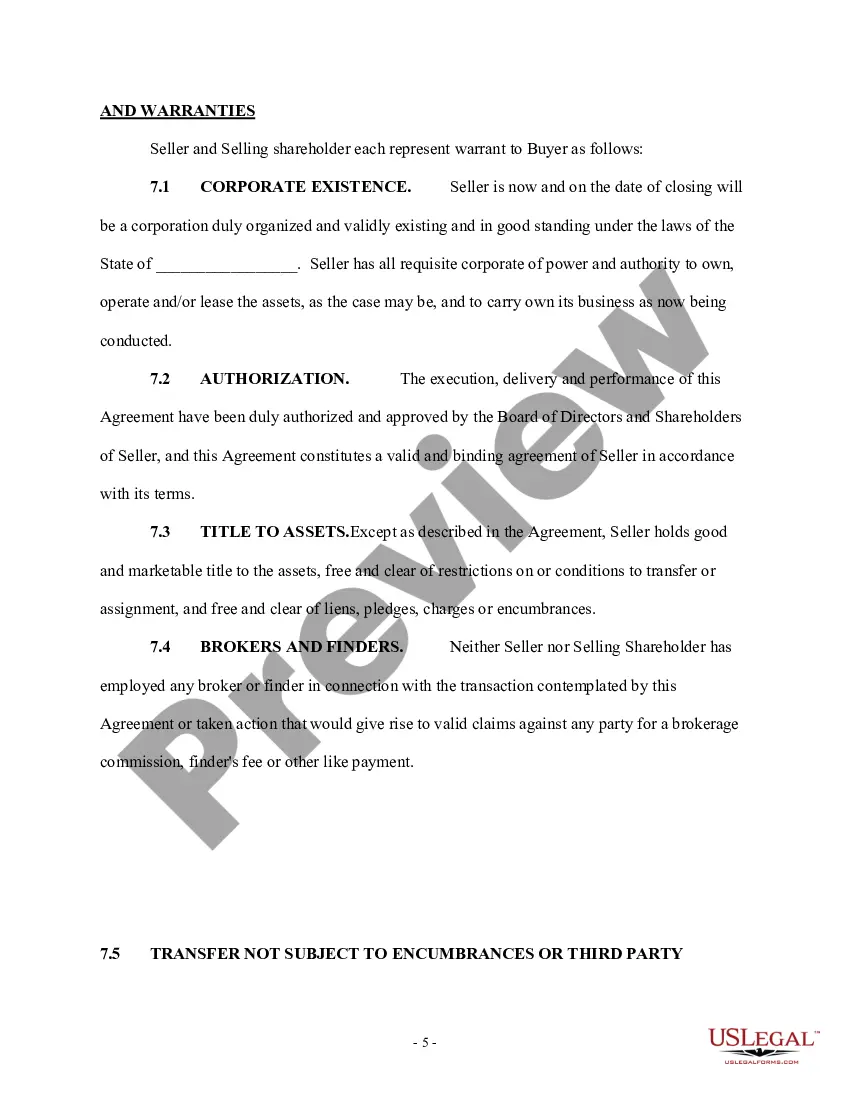


Get your form ready online
Our built-in tools help you complete, sign, share, and store your documents in one place.
Make edits, fill in missing information, and update formatting in US Legal Forms—just like you would in MS Word.
Download a copy, print it, send it by email, or mail it via USPS—whatever works best for your next step.
Sign and collect signatures with our SignNow integration. Send to multiple recipients, set reminders, and more. Go Premium to unlock E-Sign.
If this form requires notarization, complete it online through a secure video call—no need to meet a notary in person or wait for an appointment.
We protect your documents and personal data by following strict security and privacy standards.

Make edits, fill in missing information, and update formatting in US Legal Forms—just like you would in MS Word.

Download a copy, print it, send it by email, or mail it via USPS—whatever works best for your next step.

Sign and collect signatures with our SignNow integration. Send to multiple recipients, set reminders, and more. Go Premium to unlock E-Sign.

If this form requires notarization, complete it online through a secure video call—no need to meet a notary in person or wait for an appointment.

We protect your documents and personal data by following strict security and privacy standards.
Looking for another form?


Form popularity
FAQ
When a sales contract for residential real property includes the "as is" provision which statement correctly applies? The "as is" does not excuse or circumvent the duty to disclose material defects.
When might an additional provision be needed in an agreement of sale? The buyer can't obtain financing within a specific period of time. The buyer requests terms of sale that aren't part of the standard contract.
An "as is" real estate contract means the property is sold in its current condition without warranties or repairs. Unlike a typical contract where repairs and negotiations are common, in an "as is" contract: The property's condition is as it is. Inspections can be done, but the buyer can't request repairs.
The typical earnout provision entitles the seller to receive further payments if the target, post-closing, meets prescribed benchmarks. These benchmarks are usually, but not always, financial based.
In an earn-out, the purchaser agrees to make post-closing payments for a period of time contingent on the performance of the business or specific property ing to certain thresholds. These thresholds are commonly based on financial metrics, such as gross revenue or net profit over a period of time.
First and foremost, it is typically the buyer's responsibility — not yours as the seller — to draft the Definitive Agreement. This will not begin until both the buyer and the seller sign a Letter of Intent indicating their intention to buy/sell the business.
