Structured Buyout Agreement For Partnership In Maryland
Description

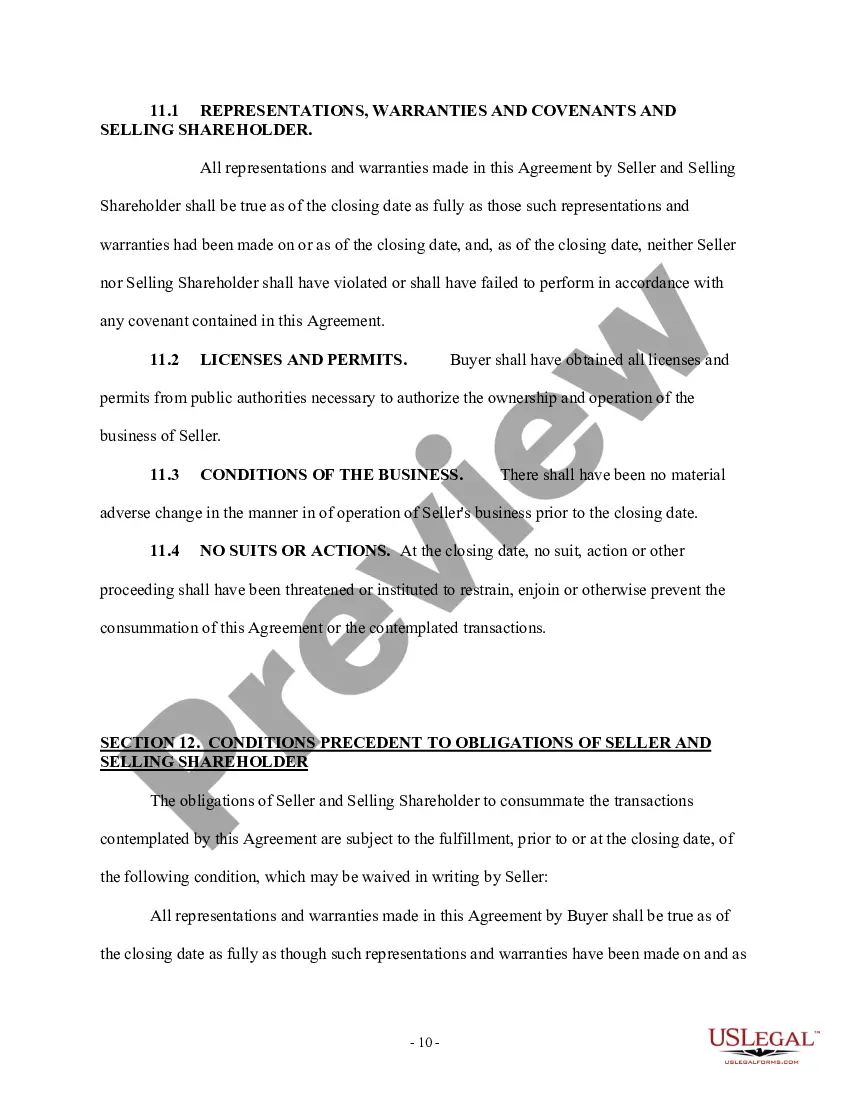


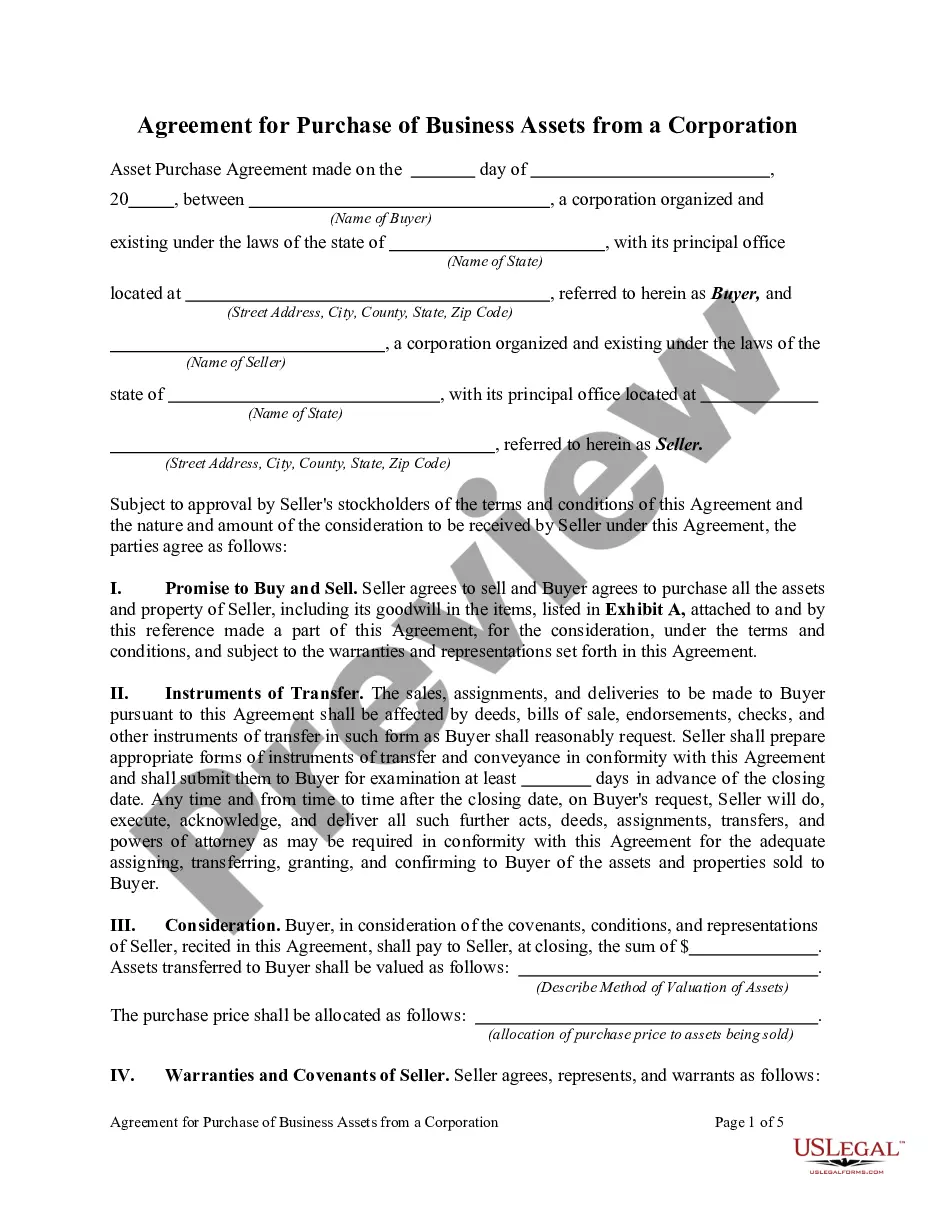
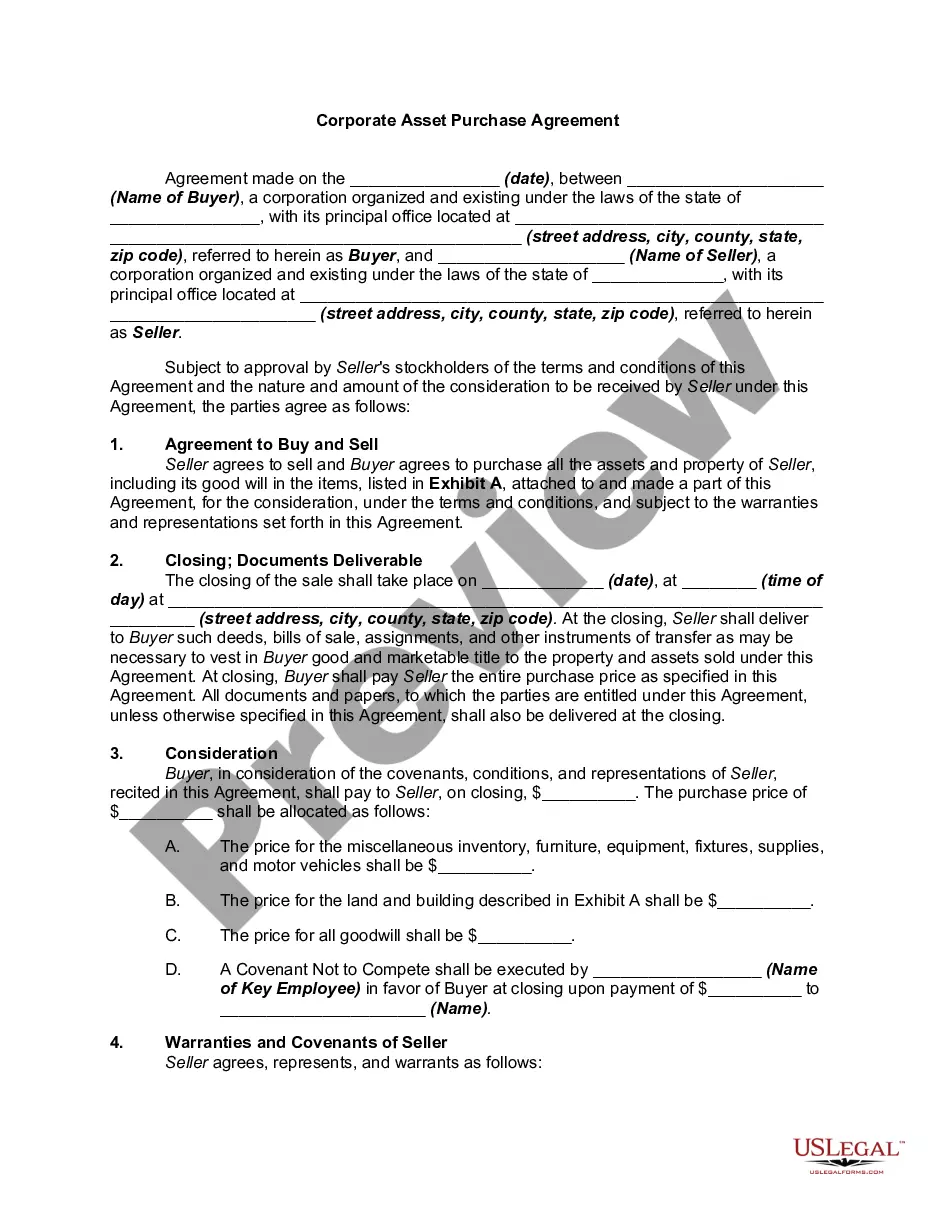
Get your form ready online
Our built-in tools help you complete, sign, share, and store your documents in one place.
Make edits, fill in missing information, and update formatting in US Legal Forms—just like you would in MS Word.
Download a copy, print it, send it by email, or mail it via USPS—whatever works best for your next step.
Sign and collect signatures with our SignNow integration. Send to multiple recipients, set reminders, and more. Go Premium to unlock E-Sign.
If this form requires notarization, complete it online through a secure video call—no need to meet a notary in person or wait for an appointment.
We protect your documents and personal data by following strict security and privacy standards.

Make edits, fill in missing information, and update formatting in US Legal Forms—just like you would in MS Word.

Download a copy, print it, send it by email, or mail it via USPS—whatever works best for your next step.

Sign and collect signatures with our SignNow integration. Send to multiple recipients, set reminders, and more. Go Premium to unlock E-Sign.

If this form requires notarization, complete it online through a secure video call—no need to meet a notary in person or wait for an appointment.

We protect your documents and personal data by following strict security and privacy standards.
Looking for another form?










Form popularity
FAQ
Calculating the Buyout Amount Once the equity stake is determined and the business is valued, the buyout amount can be calculated. This involves multiplying the partner's equity by the business value, which is a crucial step in the partnership buyout process when you decide to buy out a business.
What Does It Mean to Buy Someone Out? Buying someone out of a house involves taking full ownership of a property by purchasing the share owned by another party. This process typically occurs when co-owners, such as partners or family members, decide to go their separate ways.
There are a few options for a departing partner's interest in the business: The partnership can buy their interest. One of the partners can buy their interest. Someone outside of the partnership can buy their interest.
The buyout agreement should include the terms of departure, the payment structure, and the succession plan. It should also contain non-compete and non-disclosure clauses, as well as potential risks and penalties.
Percentage of Ownership. Division of Profit and Loss. Length of the Partnership. Dispute Resolution. Authority. Withdrawal or Death. FAQs. The Bottom Line.
How to Write a Partnership Agreement Define Partnership Structure. Outline Capital Contributions and Ownership. Detail Profit, Loss, and Distribution Arrangements. Set Decision-Making and Management Protocols. Plan for Changes and Contingencies. Include Legal Provisions and Finalize the Agreement.
This leads me back to why LLCs are the best choice for partnerships. The profit splitting flexibility is priceless. The ease of management only further augments the pro-LLC argument.
How to Write a Partnership Agreement Define Partnership Structure. Outline Capital Contributions and Ownership. Detail Profit, Loss, and Distribution Arrangements. Set Decision-Making and Management Protocols. Plan for Changes and Contingencies. Include Legal Provisions and Finalize the Agreement.
What Is a Buyout Agreement? Also known as a buy-sell agreement, a buyout agreement is a contract between business partners that identifies what will happen following the departure of one of the owners.
drafted buyout agreement should include the identification of all involved parties, the agreedupon valuation method, payment terms, contingency clauses for unforeseen events, and specific procedures for dispute resolution. Legal considerations and compliance with relevant laws should also be covered.
