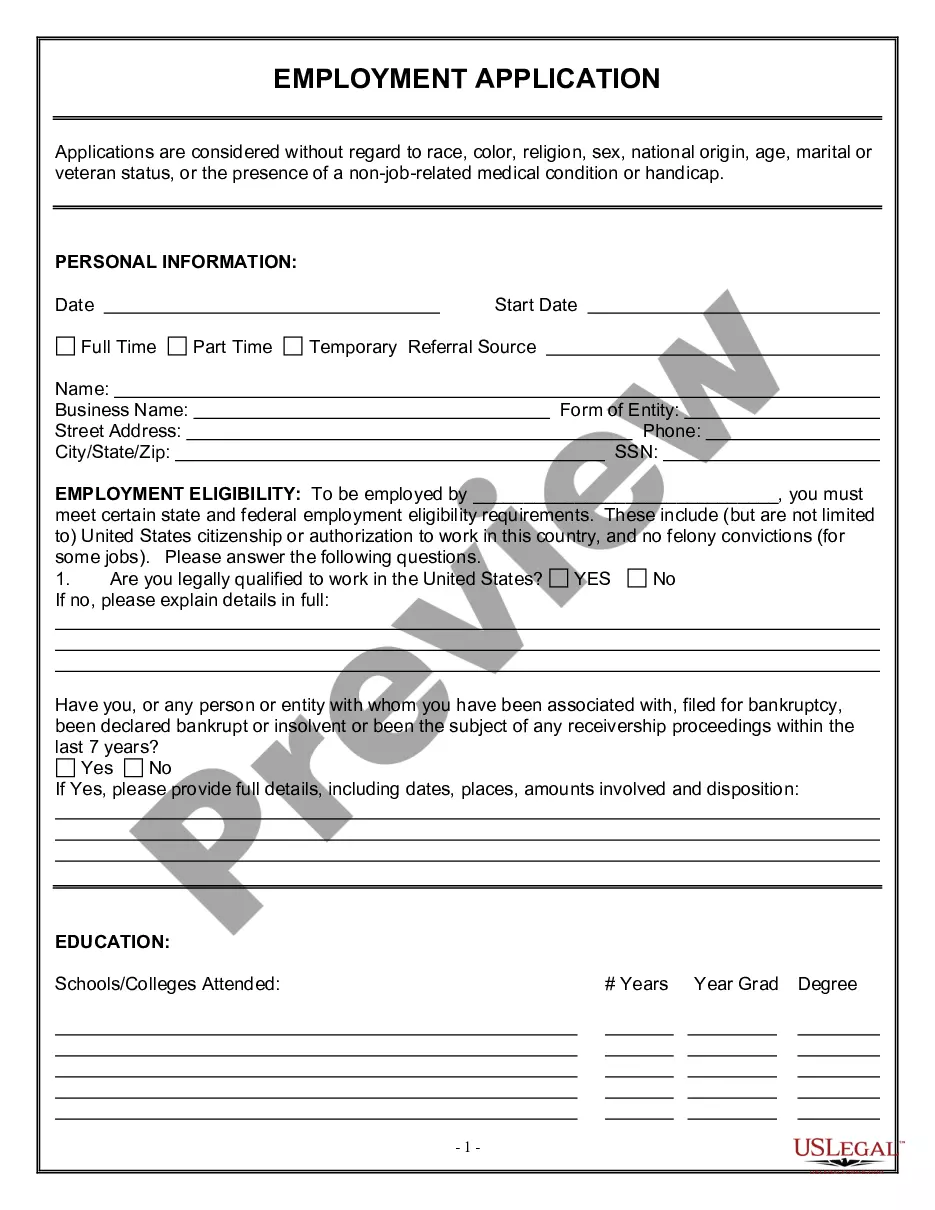
Form 8594 And Instructions In Dallas
Description

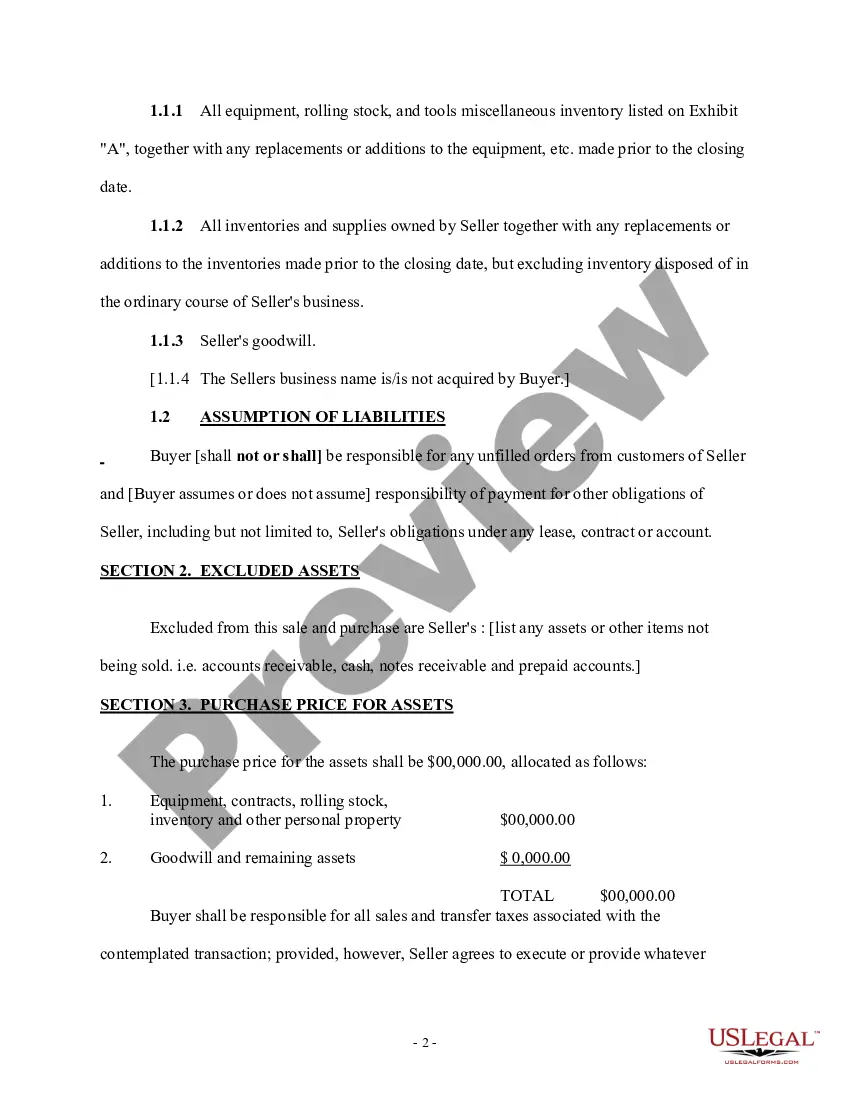
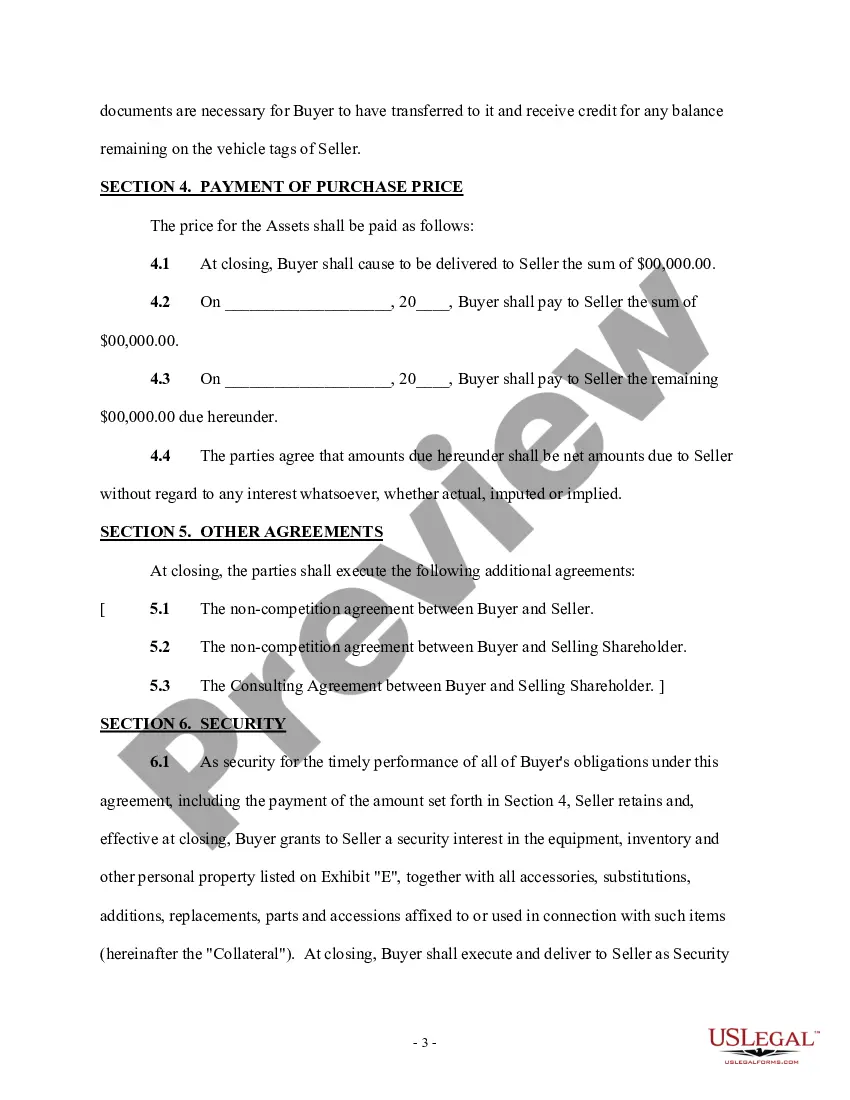
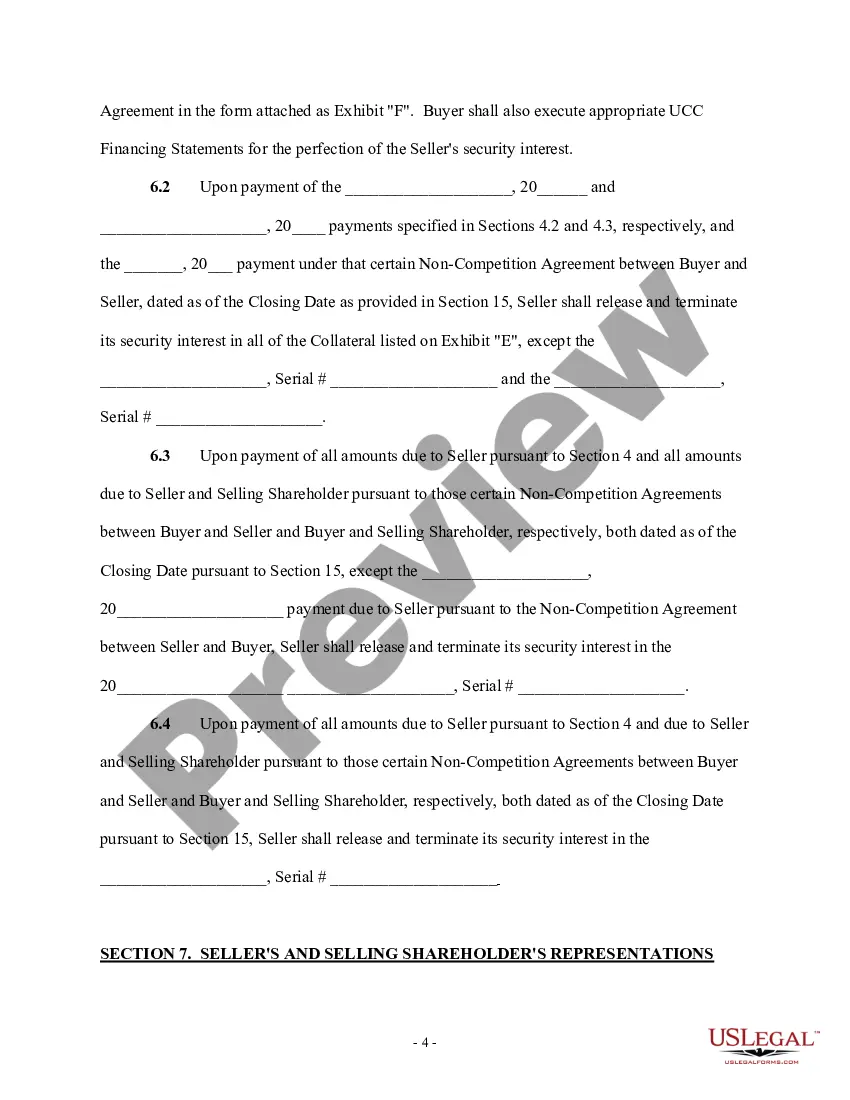


Get your form ready online
Our built-in tools help you complete, sign, share, and store your documents in one place.
Make edits, fill in missing information, and update formatting in US Legal Forms—just like you would in MS Word.
Download a copy, print it, send it by email, or mail it via USPS—whatever works best for your next step.
Sign and collect signatures with our SignNow integration. Send to multiple recipients, set reminders, and more. Go Premium to unlock E-Sign.
If this form requires notarization, complete it online through a secure video call—no need to meet a notary in person or wait for an appointment.
We protect your documents and personal data by following strict security and privacy standards.

Make edits, fill in missing information, and update formatting in US Legal Forms—just like you would in MS Word.

Download a copy, print it, send it by email, or mail it via USPS—whatever works best for your next step.

Sign and collect signatures with our SignNow integration. Send to multiple recipients, set reminders, and more. Go Premium to unlock E-Sign.

If this form requires notarization, complete it online through a secure video call—no need to meet a notary in person or wait for an appointment.

We protect your documents and personal data by following strict security and privacy standards.
Looking for another form?







Form popularity
FAQ
Generally, both the purchaser and seller must file Form 8594 and attach it to their income tax returns (Forms 1040, 1041, 1065, 1120, 1120-S, etc.)
Form 8594 is the Asset Acquisition Statement, which both the buyer and seller must complete and return to the IRS. Form 4797 is the Sales of Business Property form that you'll use to determine your capital gain or loss. File Schedule D with your personal tax return if you sell stock in a corporation.
Yes, goodwill can be reported on Form 8949 and Schedule D. It depends. If these were not assets that would require depreciation then you can report capital assets held long term on Form 8949 and Schedule D.