Contract Compensation For Breach In Georgia
Description

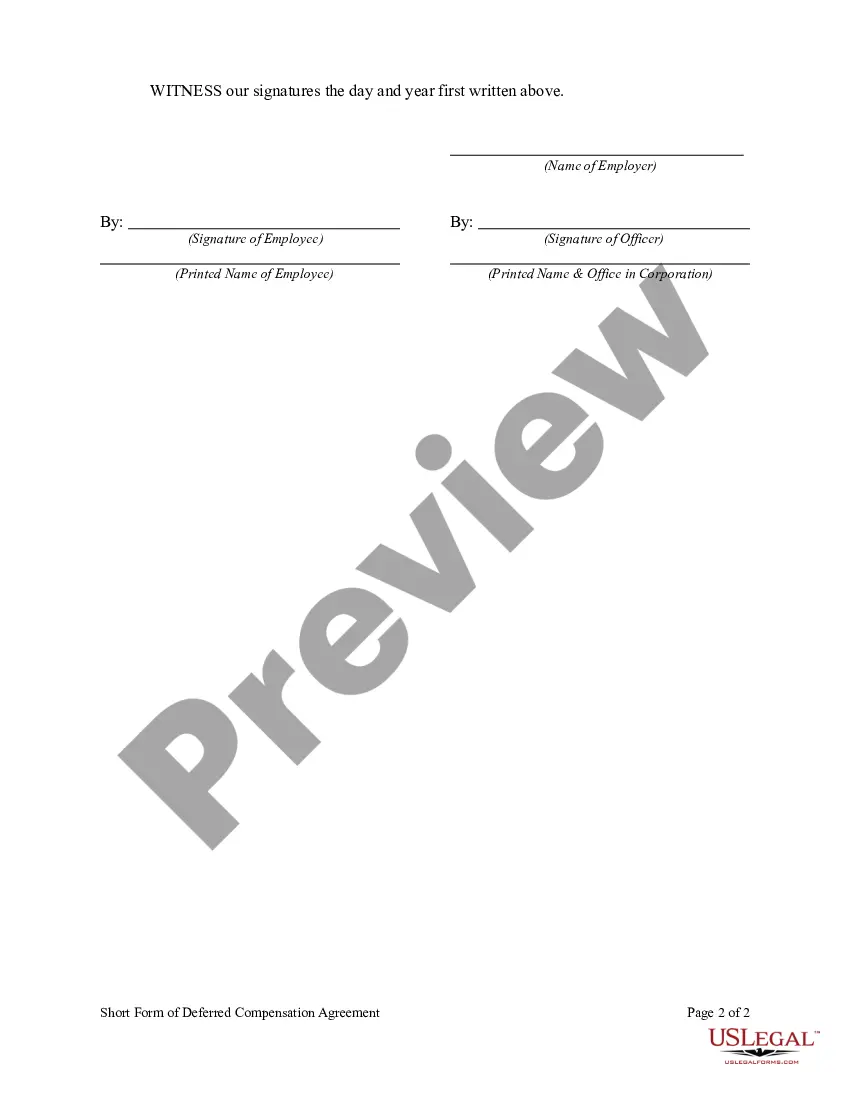

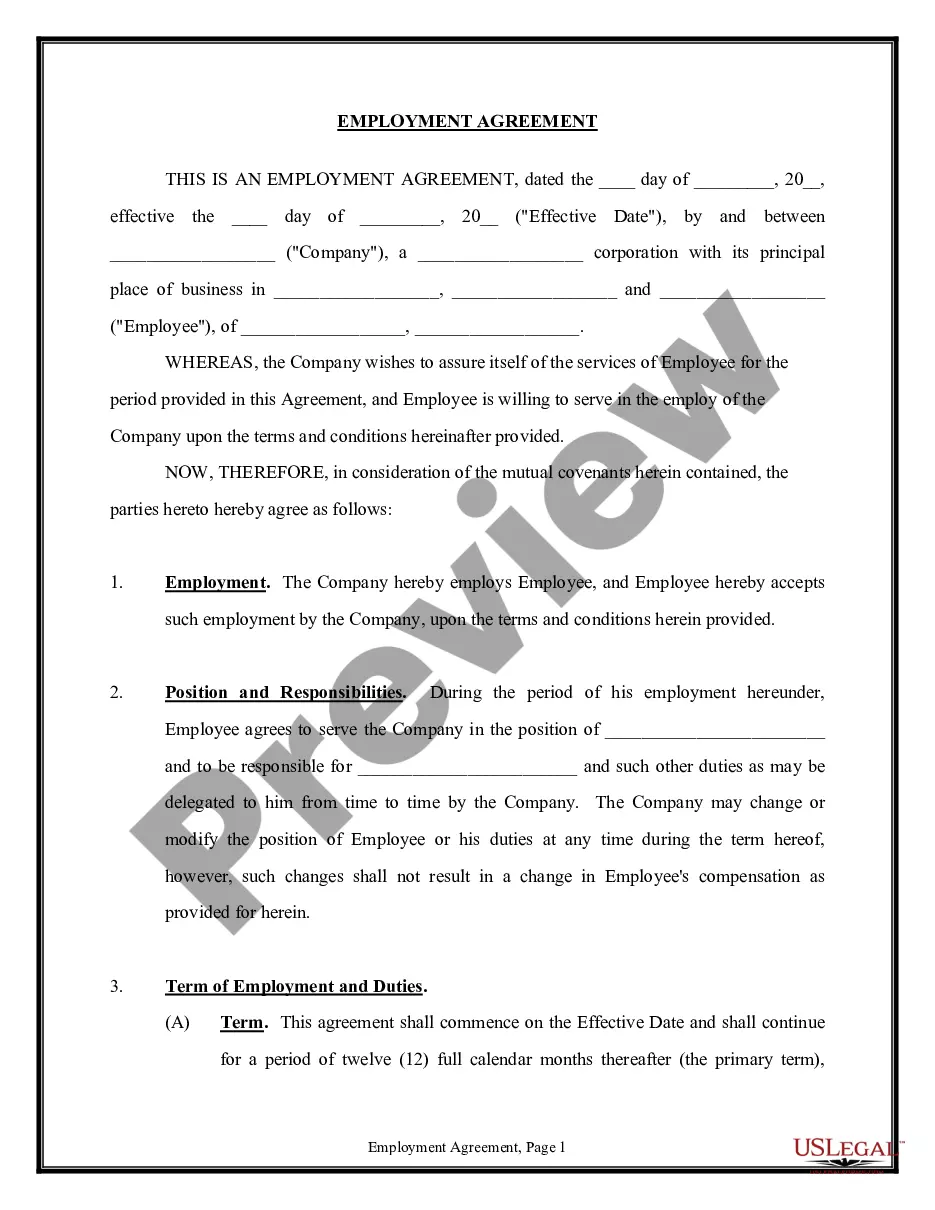
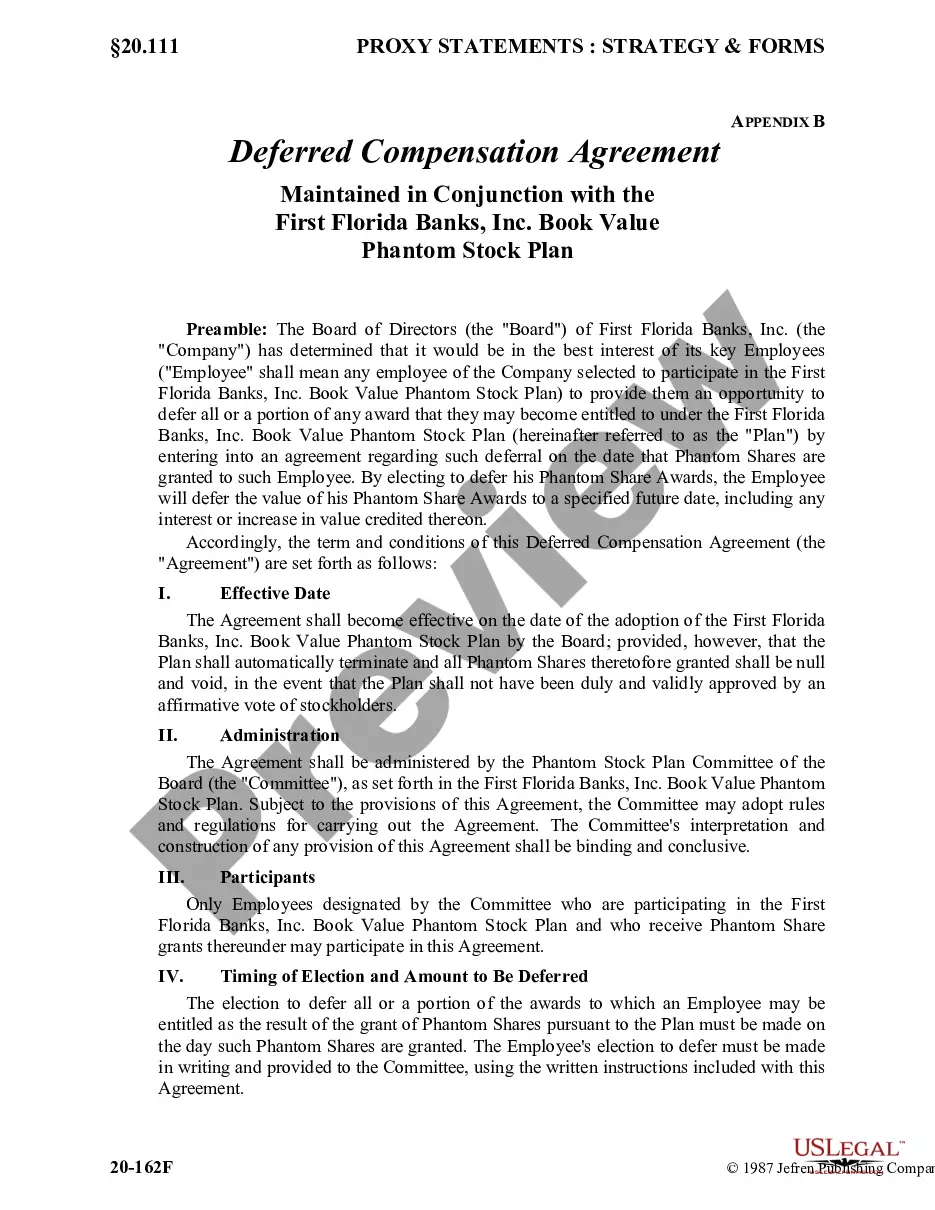
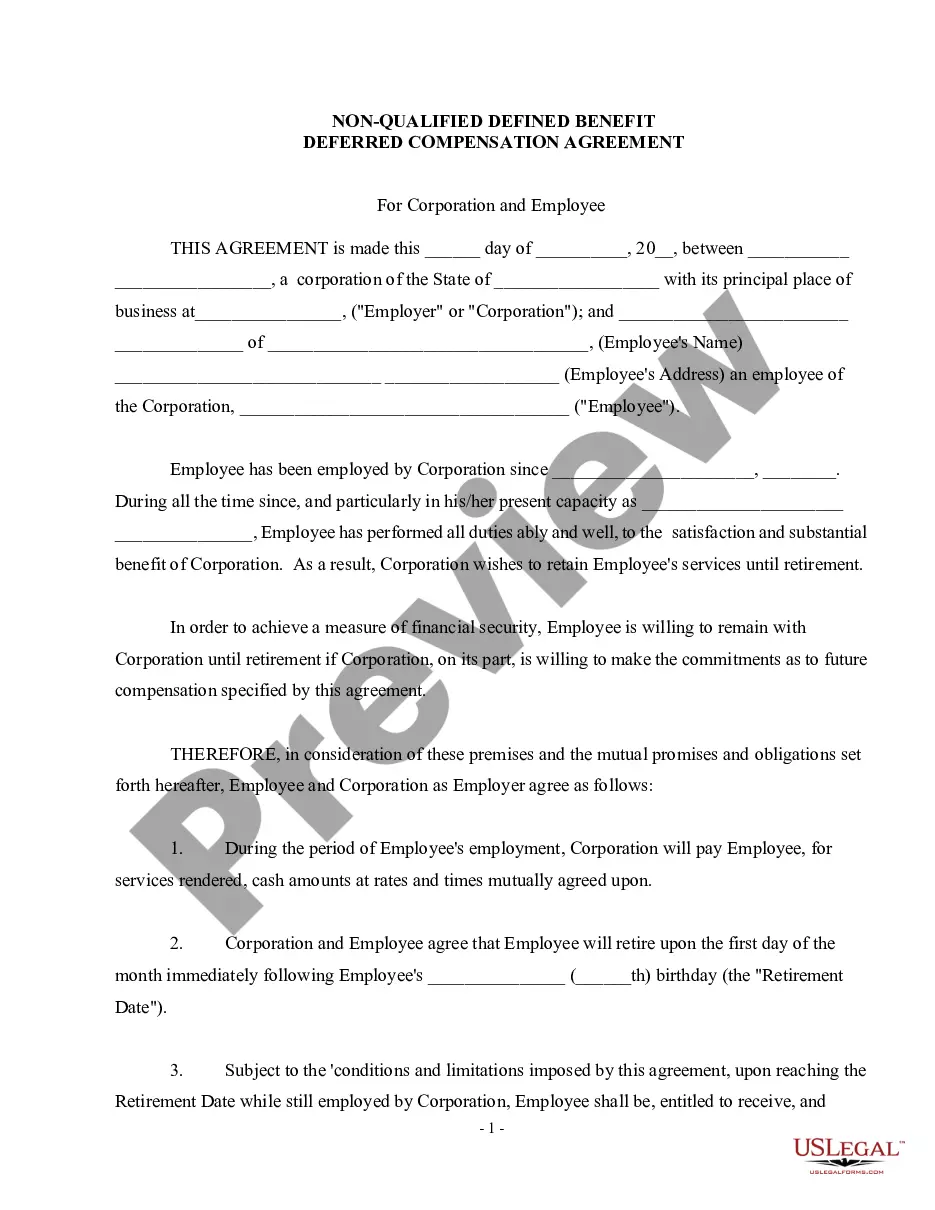
Get your form ready online
Our built-in tools help you complete, sign, share, and store your documents in one place.
Make edits, fill in missing information, and update formatting in US Legal Forms—just like you would in MS Word.
Download a copy, print it, send it by email, or mail it via USPS—whatever works best for your next step.
Sign and collect signatures with our SignNow integration. Send to multiple recipients, set reminders, and more. Go Premium to unlock E-Sign.
If this form requires notarization, complete it online through a secure video call—no need to meet a notary in person or wait for an appointment.
We protect your documents and personal data by following strict security and privacy standards.

Make edits, fill in missing information, and update formatting in US Legal Forms—just like you would in MS Word.

Download a copy, print it, send it by email, or mail it via USPS—whatever works best for your next step.

Sign and collect signatures with our SignNow integration. Send to multiple recipients, set reminders, and more. Go Premium to unlock E-Sign.

If this form requires notarization, complete it online through a secure video call—no need to meet a notary in person or wait for an appointment.

We protect your documents and personal data by following strict security and privacy standards.
Looking for another form?










Form popularity
FAQ
What evidence do you need to make a breach of contract claim? There is a legally binding contract. The other party has failed to perform their duties under the contract. You have suffered loss as a result of the breach. The breach occurred within the last 6 years. Collating and preserving evidence. Reserving your rights.
Here are five of the most common. Compensatory damages. Compensatory damages are a popular breach-of-contract remedy, aiming to cover the loss the injured party suffered due to the breach. Liquidated damages. Specific performance. Punitive damages. Nominal damages.
4 Elements of a Breach of Contract Claim (and more) The existence of a contract; Performance by the plaintiff or some justification for nonperformance; Failure to perform the contract by the defendant; and, Resulting damages to the plaintiff.
At their core, these elements are: offer, acceptance, and consideration. Each element ensures that a contract is clear and legally enforceable, which is vital for preventing misunderstandings and protecting the interests of all parties.
Determining what constitutes a breach involves identifying key elements: the presence of a valid contract, a clear breach of its terms, and resultant damages. Legal professionals need to confirm these fundamental aspects before moving forward. Initiating a claim starts with issuing a formal letter before action.
Georgia Code Title 13. Contracts § 13-6-2. Damages recoverable for a breach of contract are such as arise naturally and ing to the usual course of things from such breach and such as the parties contemplated, when the contract was made, as the probable result of its breach.
The existence of a contract; Performance by the plaintiff or some justification for nonperformance; Failure to perform the contract by the defendant; and, Resulting damages to the plaintiff.
Mutual acceptance of the terms; A meeting of the minds; Communication by both parties of their acceptance; and. Mutual intent that the contract be legally binding.
These damages are designed to compensate the non-breaching party for the financial losses they incurred due to the breach. The calculation typically involves determining the difference between the value of what was promised in the contract and what was actually received.
