Offer And Acceptance In Contract Law Uk In Allegheny
Description

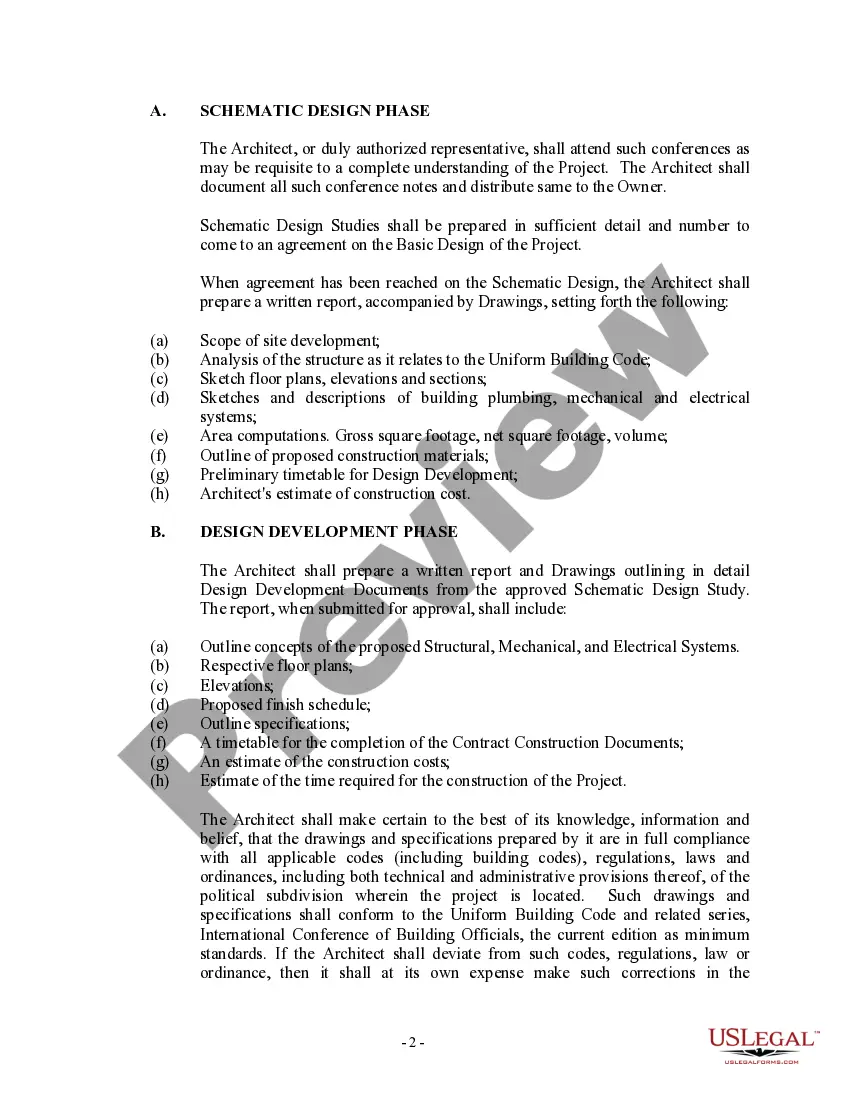
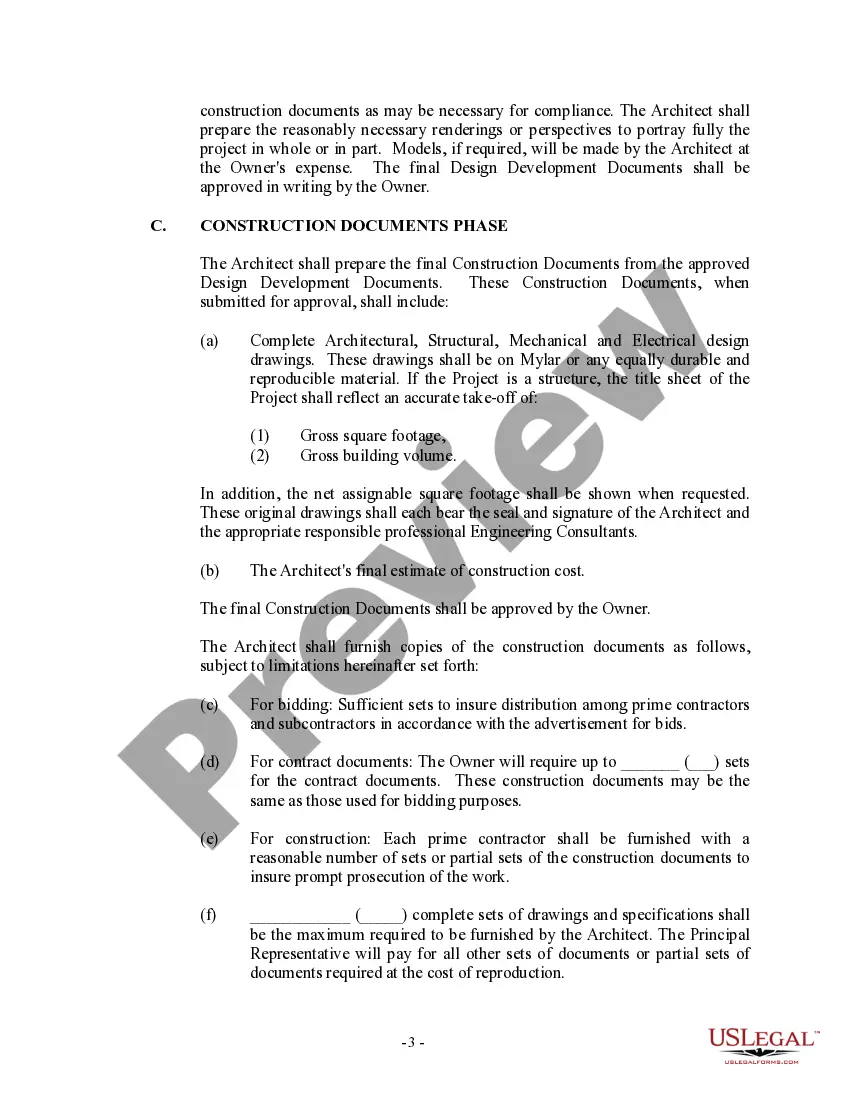
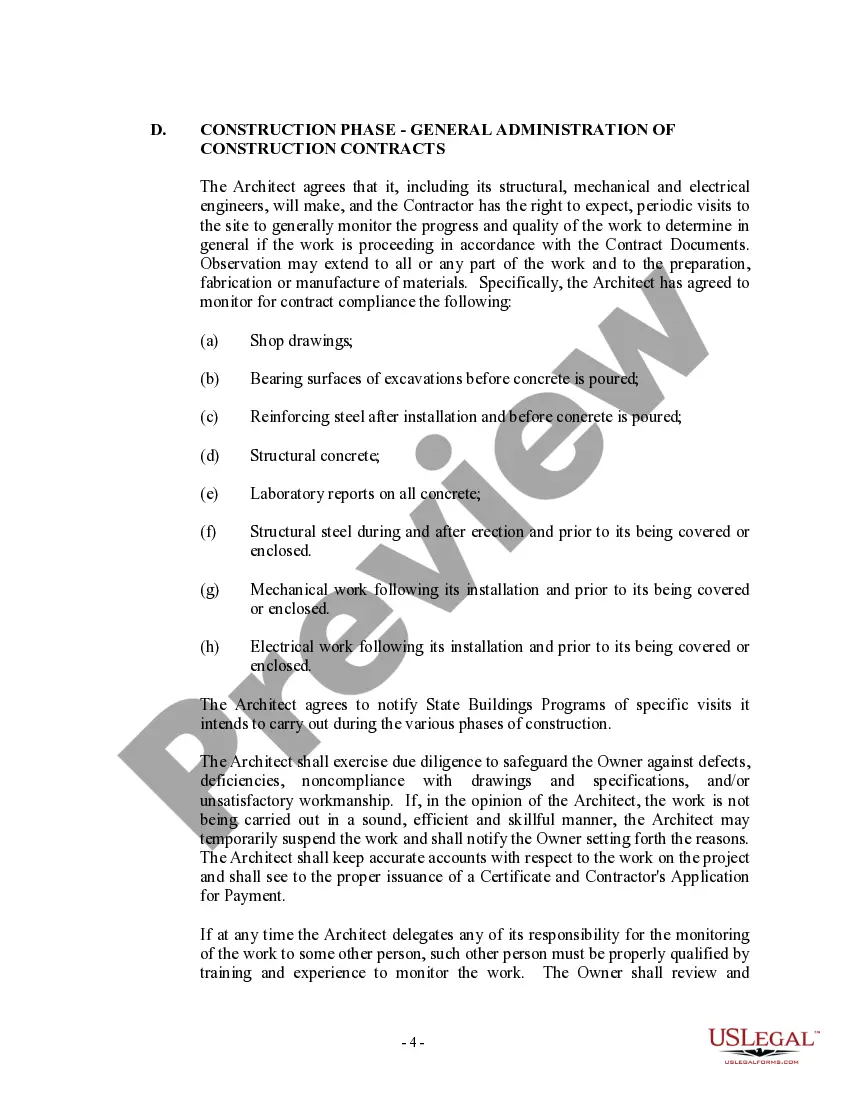
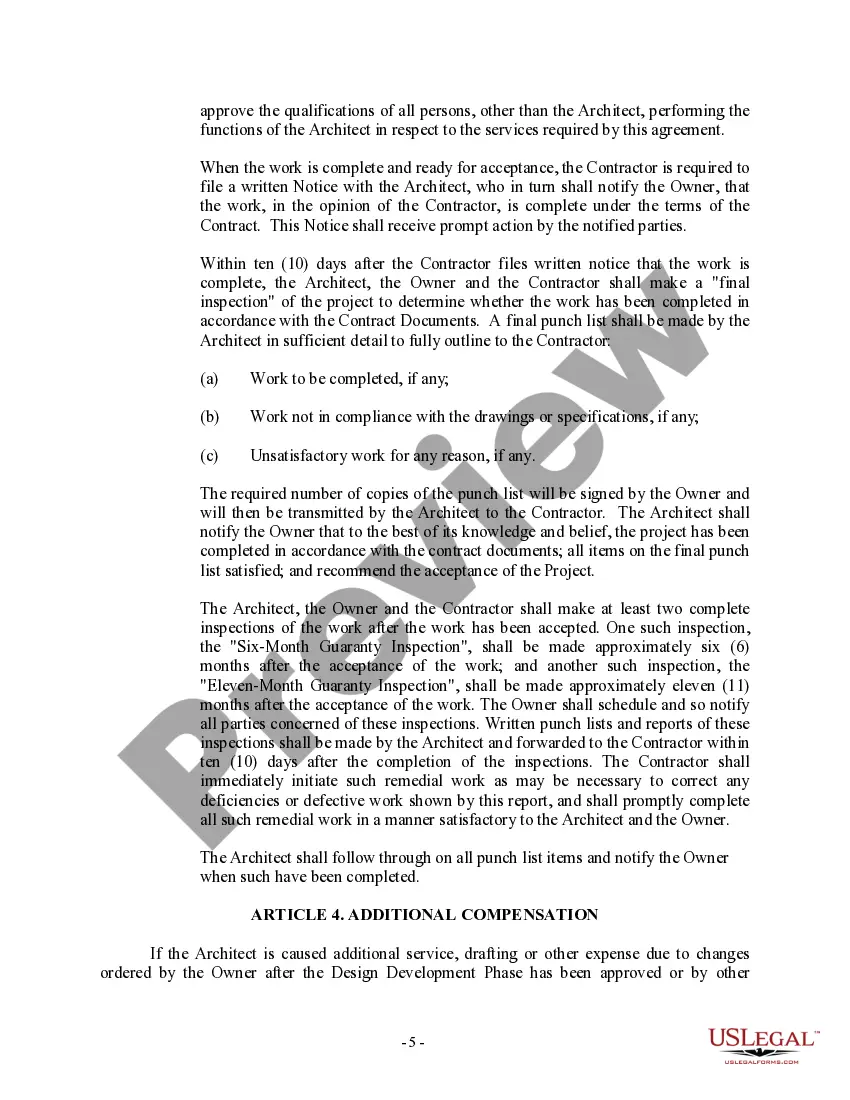

Get your form ready online
Our built-in tools help you complete, sign, share, and store your documents in one place.
Make edits, fill in missing information, and update formatting in US Legal Forms—just like you would in MS Word.
Download a copy, print it, send it by email, or mail it via USPS—whatever works best for your next step.
Sign and collect signatures with our SignNow integration. Send to multiple recipients, set reminders, and more. Go Premium to unlock E-Sign.
If this form requires notarization, complete it online through a secure video call—no need to meet a notary in person or wait for an appointment.
We protect your documents and personal data by following strict security and privacy standards.

Make edits, fill in missing information, and update formatting in US Legal Forms—just like you would in MS Word.

Download a copy, print it, send it by email, or mail it via USPS—whatever works best for your next step.

Sign and collect signatures with our SignNow integration. Send to multiple recipients, set reminders, and more. Go Premium to unlock E-Sign.

If this form requires notarization, complete it online through a secure video call—no need to meet a notary in person or wait for an appointment.

We protect your documents and personal data by following strict security and privacy standards.
Looking for another form?





Form popularity
FAQ
An offer is basically an expression of willingness to enter into a bargain made in a way so that the offeree understands that he can accept the offer and conclude a bargain. In order for an offer to be adequate, the offer must demonstrate intent to enter into a bargain and definiteness of terms.
It explains that an offer is an indication of one party's willingness to enter into a contract with the party to whom it is addressed as soon as the latter accepts its terms while an acceptance is an agreement to the terms of the offer.
Say for example A offers to buy B's car for rupees two lacs and B accepts such an offer. Now, this has become a promise. When the proposal is accepted and it becomes a proposal it also becomes irrevocable. An offer does not create any legal obligations, but after the offer is accepted it becomes a promise.
An acceptance is a final and unqualified expression of assent to the terms of an offer. Again, there must be an objective manifestation, by the recipient of the offer, of an intention to be bound by its terms. An offer must be accepted in ance with its precise terms if it is to form an agreement.
Quick Answer on Acceptance in Contract Law: Acceptance in contract law is when a person agrees to the terms of an offer without any changes. This can be done by saying “yes,” writing a letter, or even doing something that shows they agree. It must be clear, complete, and follow exactly what was offered.
The acceptance statement is the core of the letter of acceptance. It formally communicates that you have reviewed, understood, and agreed to the terms and conditions outlined in the contract. Use phrases such as "I am pleased to accept," "I hereby accept," or "I confirm my acceptance" to convey your acceptance.
Acceptance must follow a proposed offer The principle which states that acceptance cannot occur before an offer goes to the very basics of the contract law. This means that any action done before an offer cannot be referred to as acceptance since there was no offer made in the first instance.
For a contract to be binding it needs to satisfy four principles, offer, acceptance, consideration, and the intention to create legal relations. Generally, the law believes that an agreement is made when one party makes an offer and the other party accepts it.
