Direct Deposit Form For Child Support In Maryland
Description
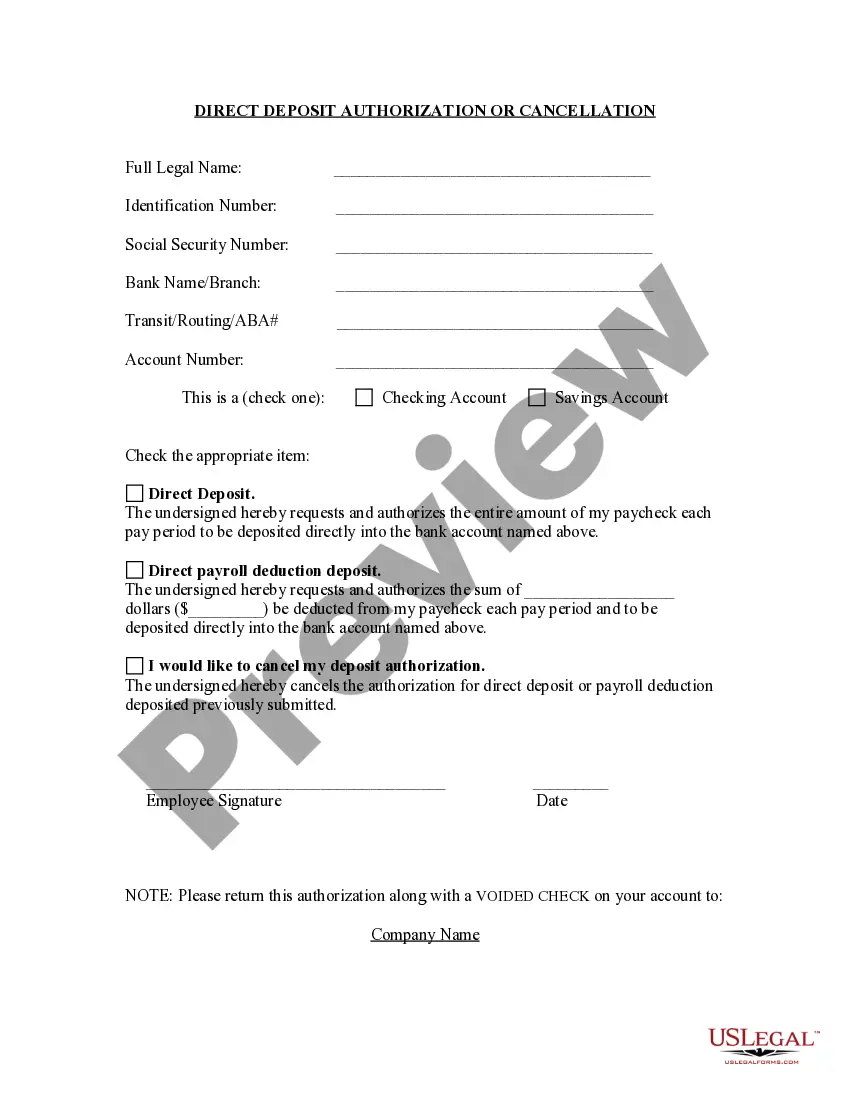
Get your form ready online
Our built-in tools help you complete, sign, share, and store your documents in one place.
Make edits, fill in missing information, and update formatting in US Legal Forms—just like you would in MS Word.
Download a copy, print it, send it by email, or mail it via USPS—whatever works best for your next step.
Sign and collect signatures with our SignNow integration. Send to multiple recipients, set reminders, and more. Go Premium to unlock E-Sign.
If this form requires notarization, complete it online through a secure video call—no need to meet a notary in person or wait for an appointment.
We protect your documents and personal data by following strict security and privacy standards.

Make edits, fill in missing information, and update formatting in US Legal Forms—just like you would in MS Word.

Download a copy, print it, send it by email, or mail it via USPS—whatever works best for your next step.

Sign and collect signatures with our SignNow integration. Send to multiple recipients, set reminders, and more. Go Premium to unlock E-Sign.

If this form requires notarization, complete it online through a secure video call—no need to meet a notary in person or wait for an appointment.

We protect your documents and personal data by following strict security and privacy standards.
Looking for another form?
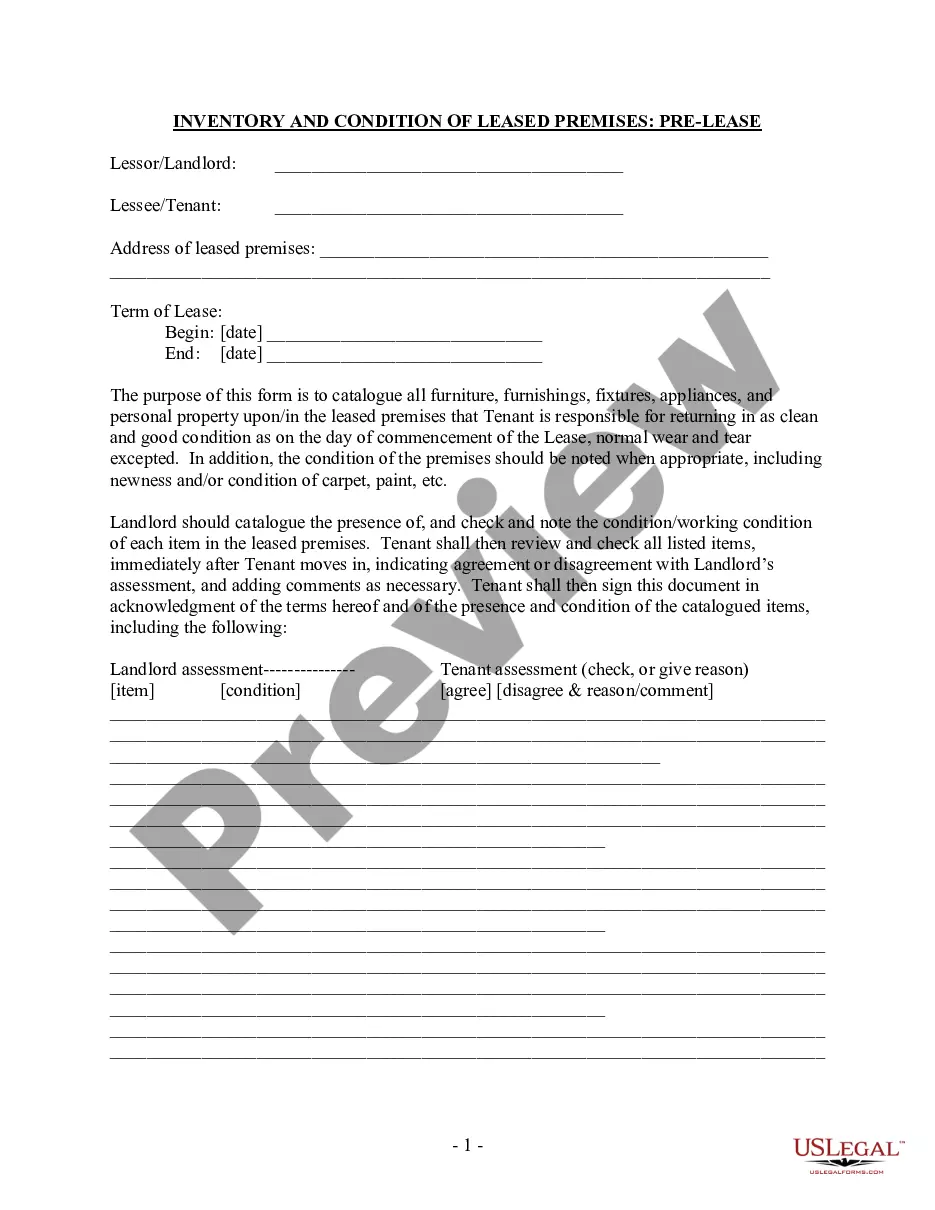

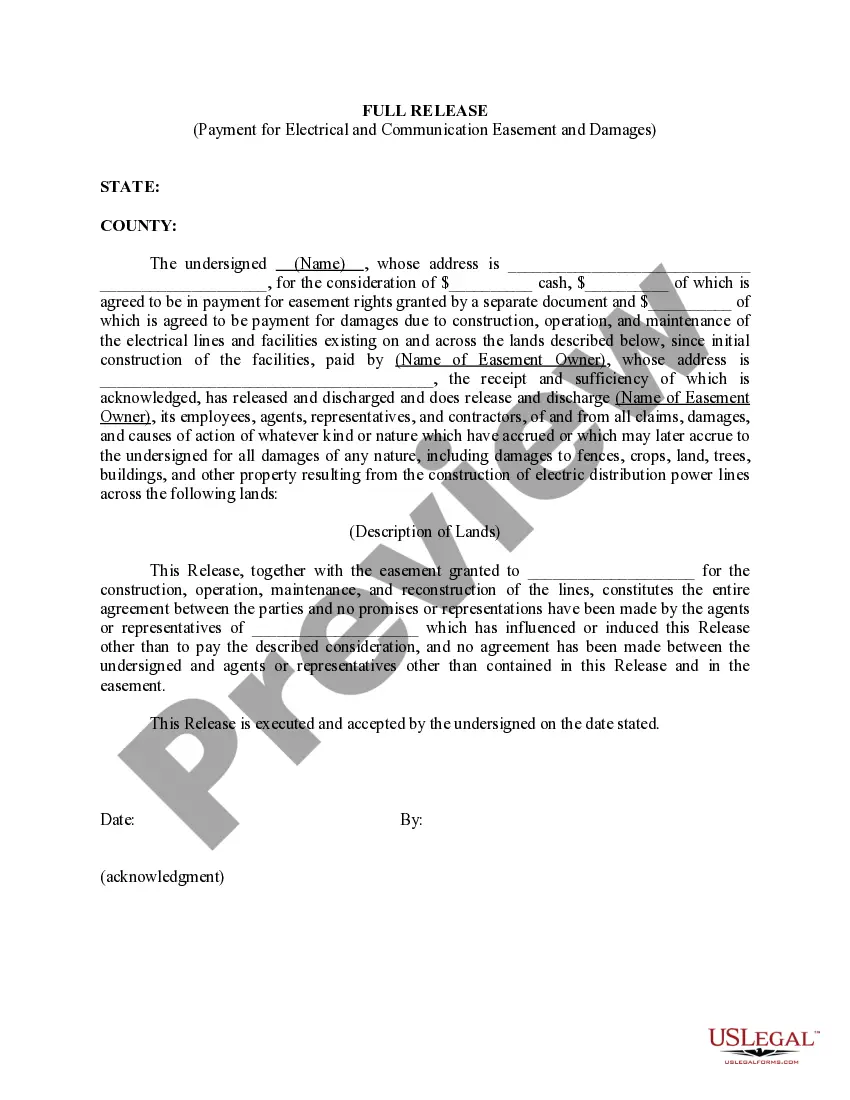
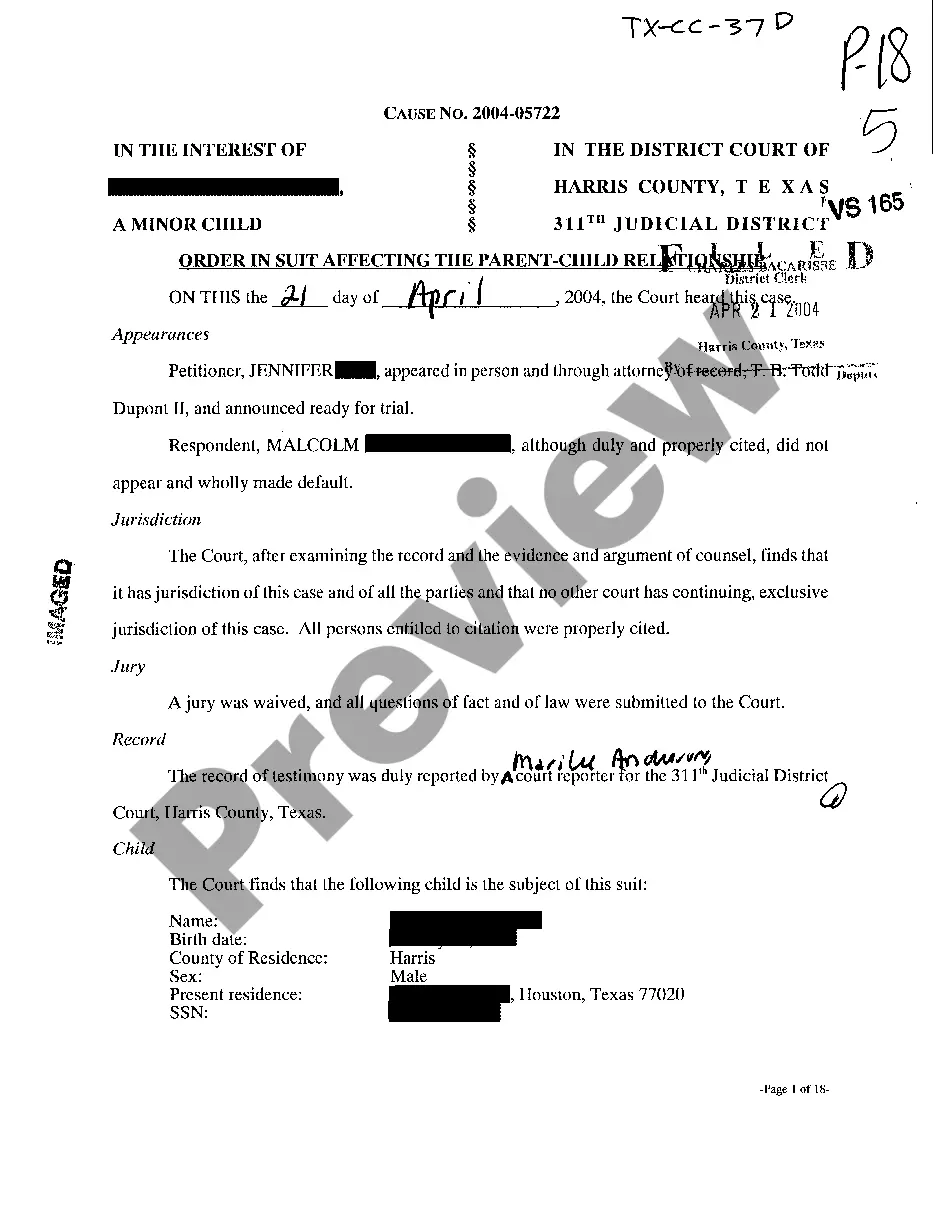
Form popularity
FAQ
Maryland income tax withholding Maryland's income tax rate ranges from 2% to 5.75%, based on the employee's income and filing status with some exceptions for retirees. Employees who receive Social Security benefits, for instance, are exempt from taxation.
The employer provides the form to the employee to fill out usually upon hire (since the option for direct deposit is an expectation of employees these days).
While most employees prefer direct deposit, private employers may not mandate it. For example, Maryland law permits direct deposit, but an Attorney General's Opinion from 1994 states that an employer may not require an employee to use direct deposit.
Direct deposit is the deposit of funds electronically into a bank account rather than through a physical, paper check. It requires the use of an electronic network that allows deposits to take place between banks called the automated clearing house.
Direct Deposit provides a safe, quick, and easy way to receive Child Support payments and eliminates the inconveniences associated with manual checks. Applying for direct deposit online ensures that your direct deposit application will be quickly processed by the Child Support Administration.
To set up direct deposit, businesses usually need to provide their employer identification number (EIN), financial statements, a completed application and a voided business check.
The quickest way to sign up for direct deposit – or change it – is to ask your employer for their direct deposit form, then fill it out using your new account number and routing number (see illustration below). You may be able to use this form for any non-governmental organization, but check with your employer first.
Backup documentation lets EP confirm ownership of the account and verify that payments will deposit into the right account. What can I use as backup documentation to set up my Direct Deposit? Examples of acceptable documents include a bank statement, a direct deposit authorization form, or a voided check.
To open a child support case, file a Complaint for Child Support (CC-DR-001) with the appropriate financial statement. Your local child support enforcement office may also open a child support case for you or help you enforce a child support order. Learn about DHS child support services.
