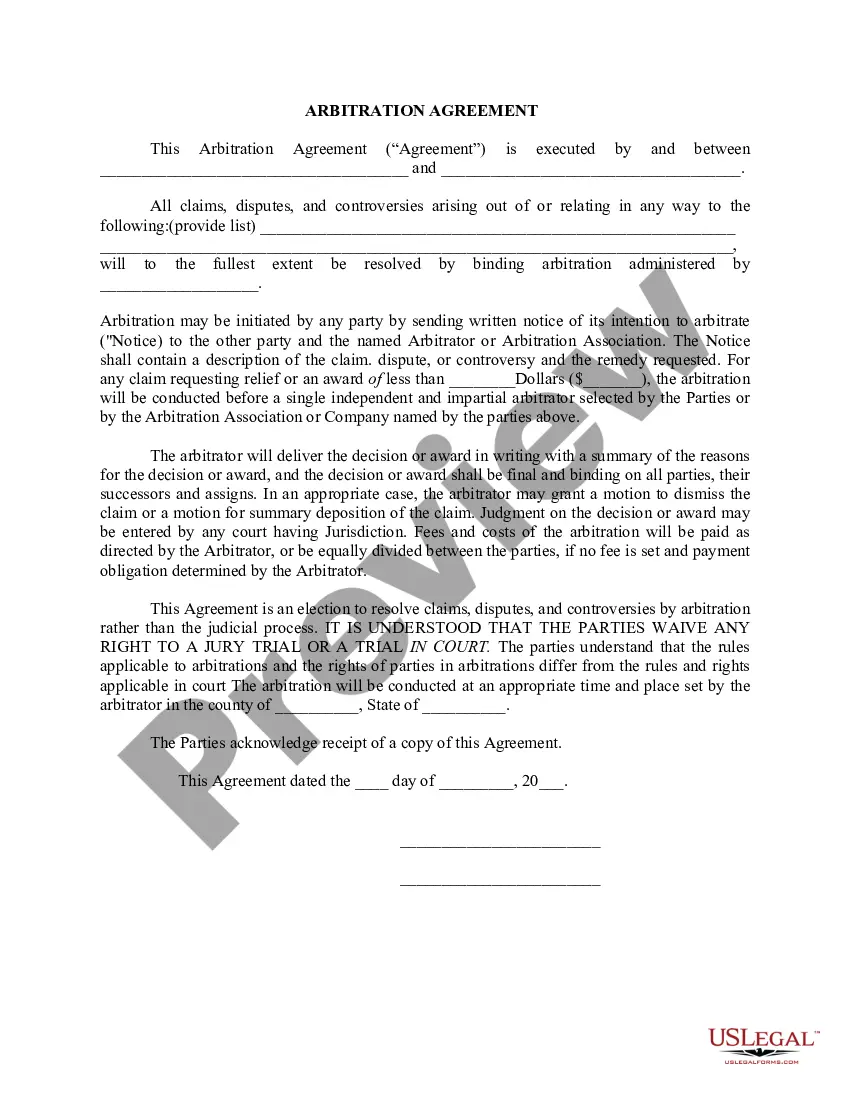
Arbitration Process For Dispute Resolution In Los Angeles
Description

Get your form ready online
Our built-in tools help you complete, sign, share, and store your documents in one place.
Make edits, fill in missing information, and update formatting in US Legal Forms—just like you would in MS Word.
Download a copy, print it, send it by email, or mail it via USPS—whatever works best for your next step.
Sign and collect signatures with our SignNow integration. Send to multiple recipients, set reminders, and more. Go Premium to unlock E-Sign.
If this form requires notarization, complete it online through a secure video call—no need to meet a notary in person or wait for an appointment.
We protect your documents and personal data by following strict security and privacy standards.

Make edits, fill in missing information, and update formatting in US Legal Forms—just like you would in MS Word.

Download a copy, print it, send it by email, or mail it via USPS—whatever works best for your next step.

Sign and collect signatures with our SignNow integration. Send to multiple recipients, set reminders, and more. Go Premium to unlock E-Sign.

If this form requires notarization, complete it online through a secure video call—no need to meet a notary in person or wait for an appointment.

We protect your documents and personal data by following strict security and privacy standards.
Looking for another form?
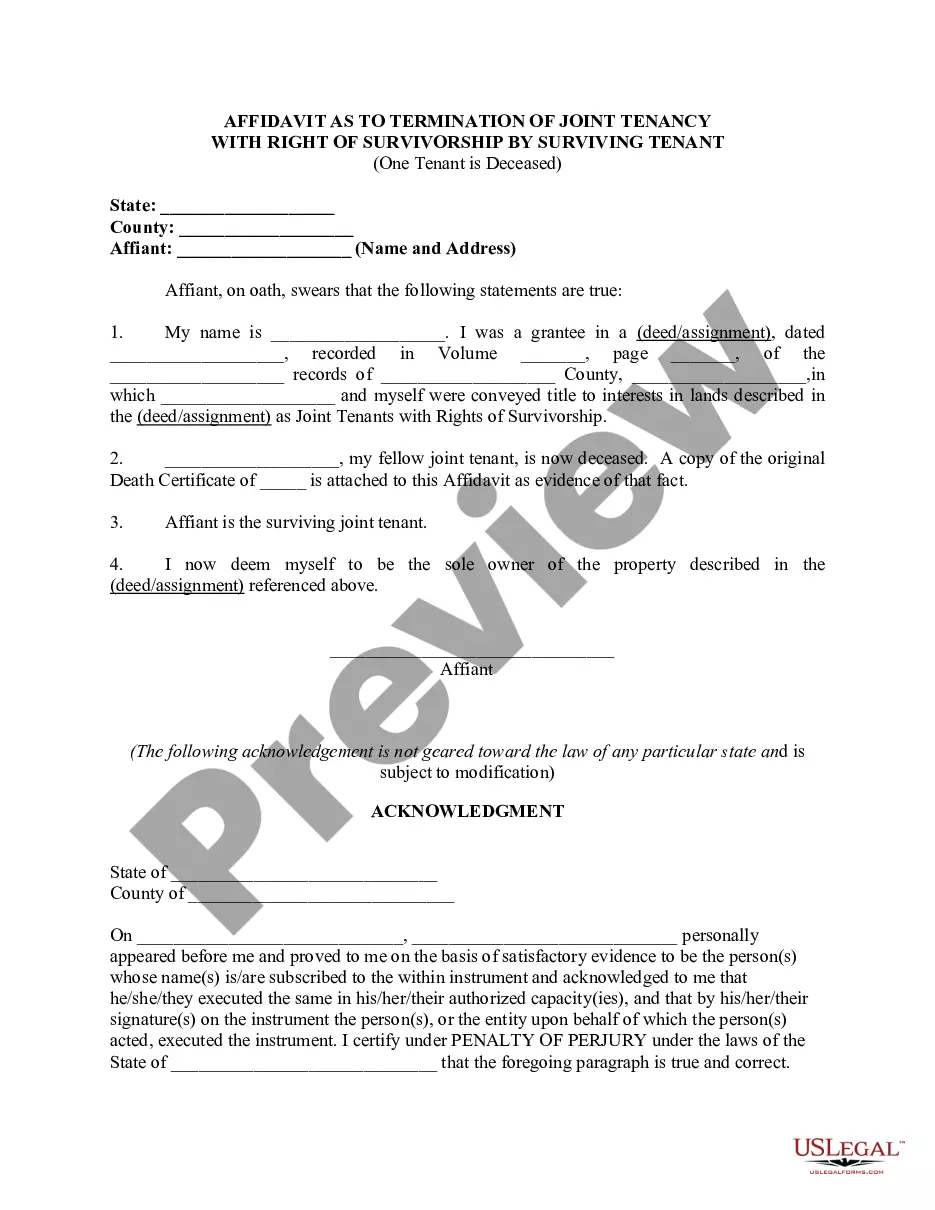



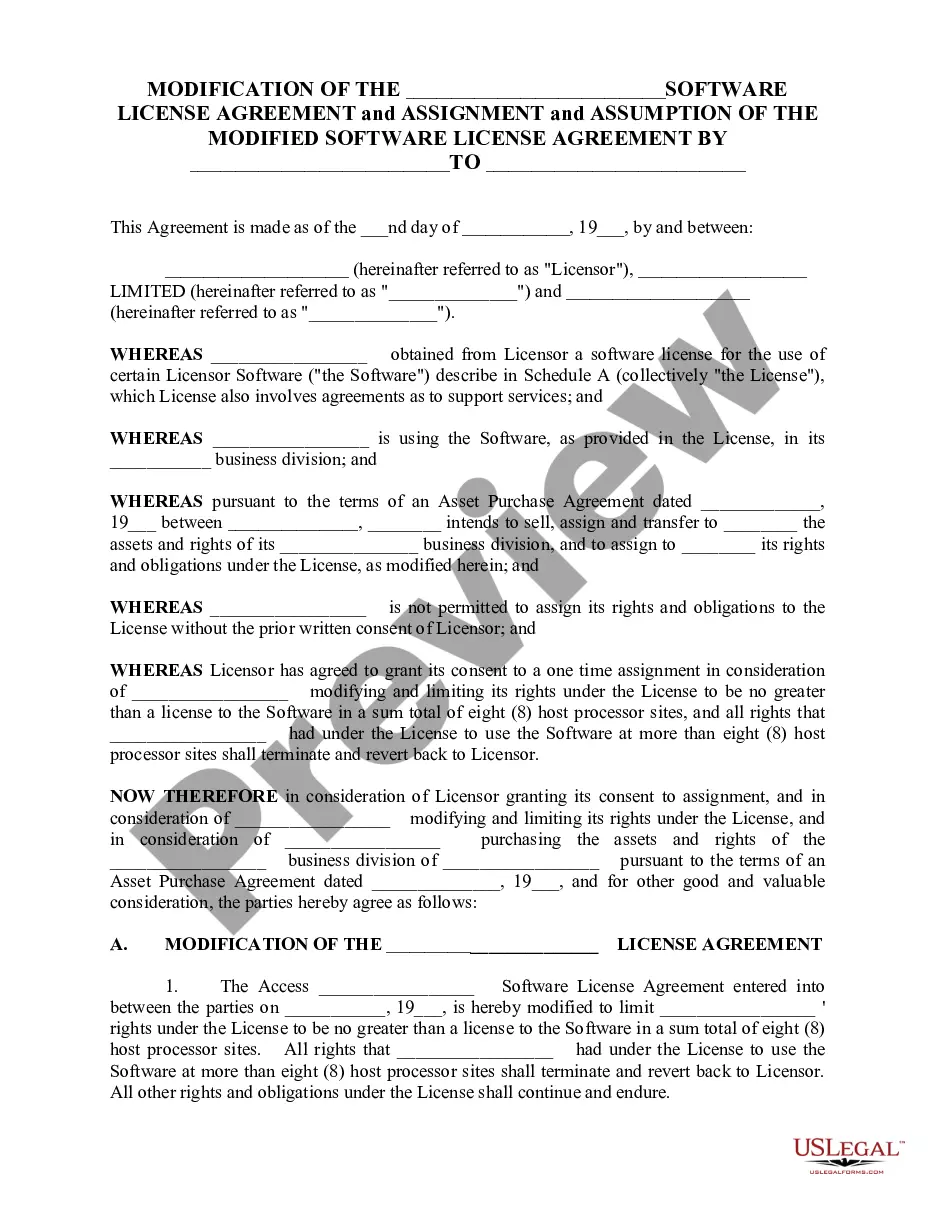


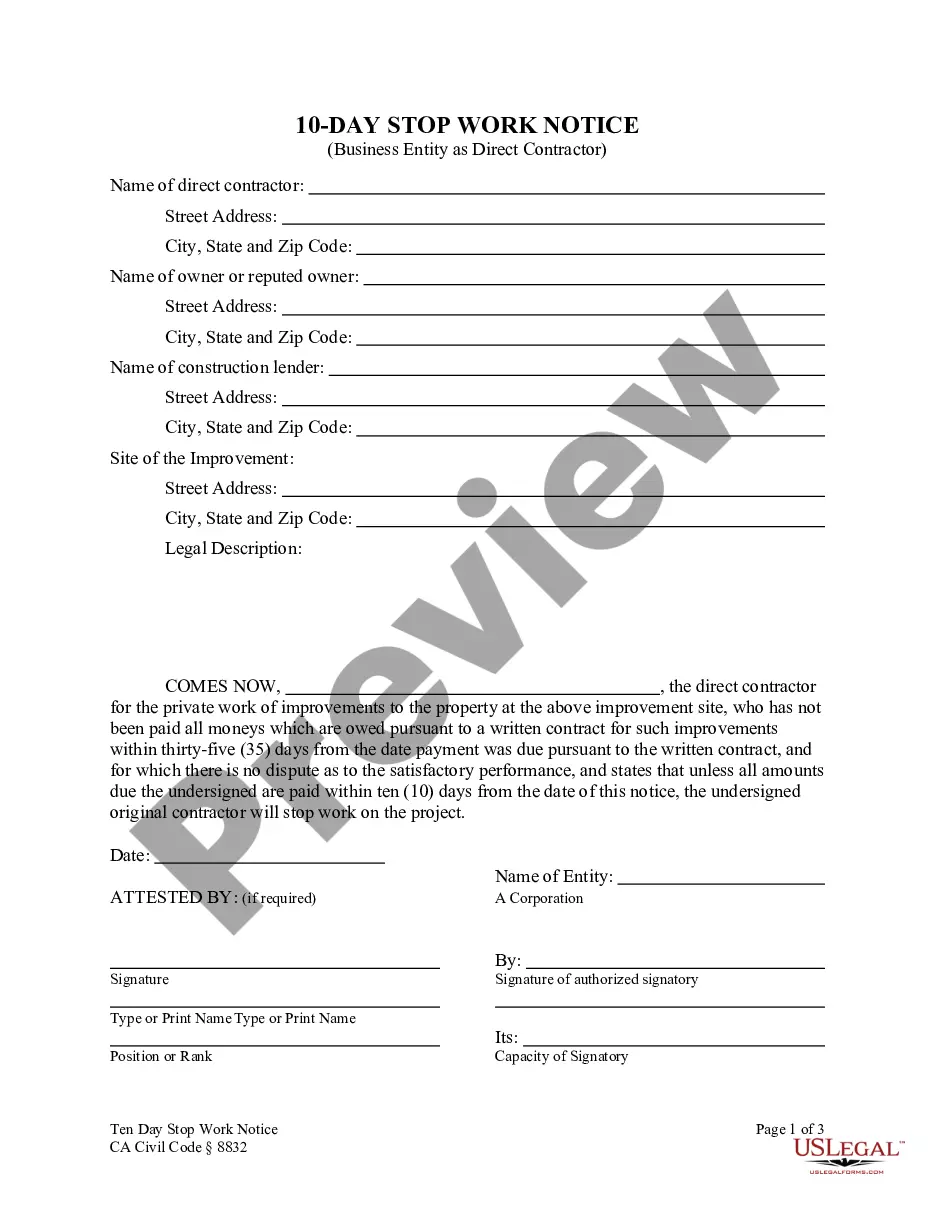

Form popularity
FAQ
Businesses can no longer require that consumers arbitrate outside of California a claim arising in California. The new law also prohibits arbitrating a controversy arising in California under the substantive law of a state other than California.
Consumers are more likely to win in arbitration than in court. This research from ndp | analytics demonstrates that in disputes initiated by a consumer, consumers fare much better in arbitration than they do in litigation.
Always get straight to the merits without berating the other side or whining about how badly it has treated you. Another threat to your credibility is the “kitchen sink” arbitration demand or a response that includes numerous claims or defenses that have little chance of succeeding.
An arbitration is a hearing where a commissioner gives both parties an opportunity to present their cases regarding the issue in dispute by leading evidence, presenting documents, cross examination of witnesses, and even conducting of inspection of premises, where that is necessary.
Through the Dispute Resolution Program Act (DRPA), the Court works with county-funded agencies, including the Los Angeles County Department of Consumer & Business Affairs (DCBA) and the Center for Conflict Resolution (CCR), to provide voluntary day-of-hearing mediation services for small claims, unlawful detainer, ...
Arbitration often involves a binding agreement and occurs when an arbitrator, often a lawyer, applies law and facts to the case resulting in a reward or solution. Mediation, which is non-binding, involves a mediator assisting both parties with communication, in hopes of coming to a shared agreement.
During the arbitration hearing, the parties will present their cases to the arbitrator, who then considers the evidence and arguments. The hearing may be conducted in person, by video conference, or by other means agreed upon by the parties.
To give you an idea of the process that arbitration typically involves, the American Arbitration Association describes artibtration as having five main steps: Filing and initiation. Arbitrator selection. Preliminary hearing. Information exchange and preparation. Hearings. Post hearing submissions. Award.
In arbitration, a neutral third party serves as a judge who is responsible for resolving the dispute. The arbitrator listens as each side argues its case and presents relevant evidence, then renders a binding decision.
There are many types of dispute resolution processes, but arbitration; mediation; and negotiation are the three most common types of alternative dispute resolution. Negotiation is the least formal type of ADR.