Arbitration Brief Example In Chicago
Description

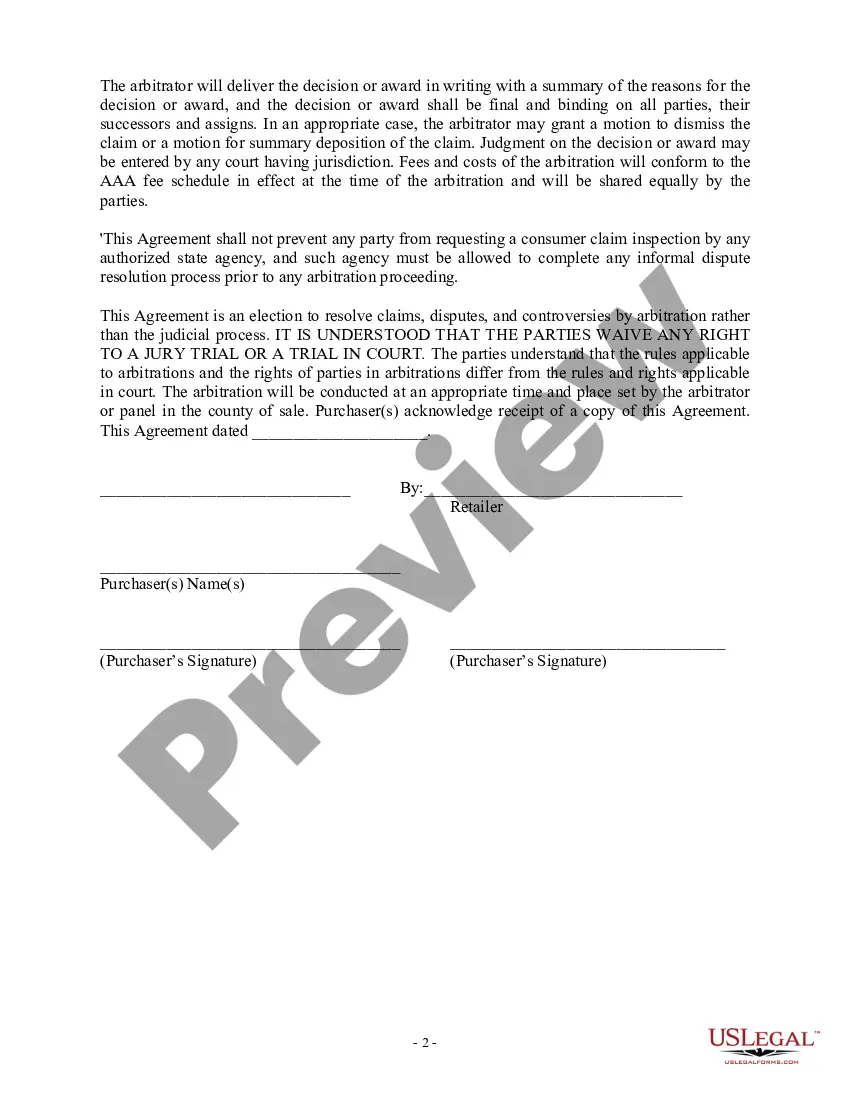
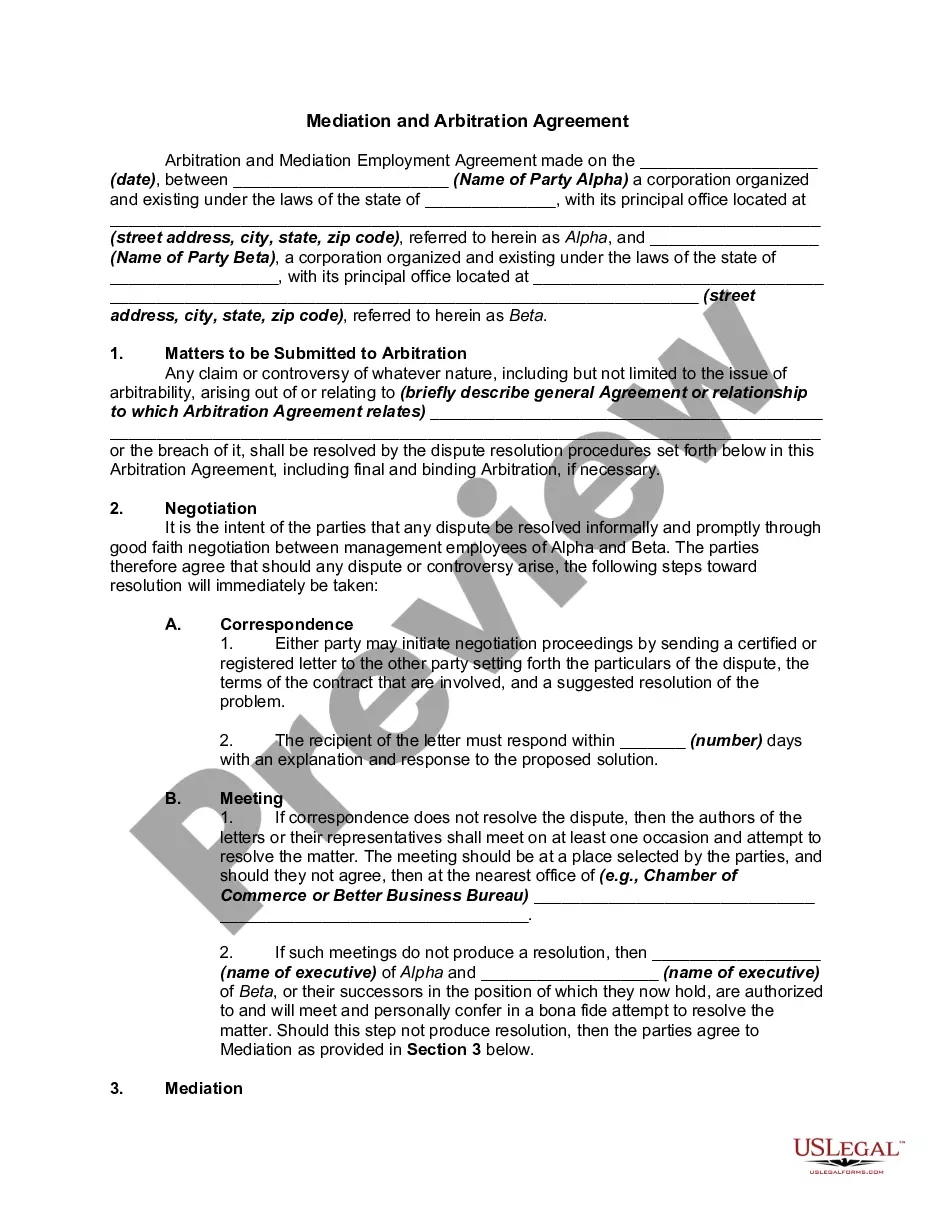

Get your form ready online
Our built-in tools help you complete, sign, share, and store your documents in one place.
Make edits, fill in missing information, and update formatting in US Legal Forms—just like you would in MS Word.
Download a copy, print it, send it by email, or mail it via USPS—whatever works best for your next step.
Sign and collect signatures with our SignNow integration. Send to multiple recipients, set reminders, and more. Go Premium to unlock E-Sign.
If this form requires notarization, complete it online through a secure video call—no need to meet a notary in person or wait for an appointment.
We protect your documents and personal data by following strict security and privacy standards.

Make edits, fill in missing information, and update formatting in US Legal Forms—just like you would in MS Word.

Download a copy, print it, send it by email, or mail it via USPS—whatever works best for your next step.

Sign and collect signatures with our SignNow integration. Send to multiple recipients, set reminders, and more. Go Premium to unlock E-Sign.

If this form requires notarization, complete it online through a secure video call—no need to meet a notary in person or wait for an appointment.

We protect your documents and personal data by following strict security and privacy standards.
Looking for another form?






Form popularity
FAQ
If possible, avoid the use of technical jargon or "shop talk." Remember that the arbitrator may not know the details of your work or the Postal Service. However, if you must use "shop talk" to clarify a point, be sure to briefly define what you mean.
Arguments should flow easily from the relevant facts and applicable law. Avoid exaggerating the strengths of your case as well as disparaging the opposing side. Remember that professionalism and credibility are critical to persuasiveness.
A civil lawsuit Cases that are $50,000 or less must go into arbitration. Examples include a personal injury case from an automobile accident, a disagreement about a contract, or some other type of case that doesn't involve criminal charges.
Being disorganized, shuffling through papers, and stopping to make copies leaves a bad impression on the arbitrator and can affect how well you present your case.
Outline a concise factual background and then move on to a discussion of the issues at the heart of the case. Your arguments should flow easily from the relevant facts and applicable law. And, by all means, avoid exaggeration of the strengths of your case as well as disparagement of the opposing side.
Firstly, arbitration does away with juries entirely, leaving matters solely in the hands of the arbitrator, who essentially acts as both judge and jury. From most individuals' and consumers' points of view, having a jury of their peers is an important right when seeking restitution of a claim.
In arbitration, you don't have to have a lawyer represent you (unless state law requires it), but it's important to know that arbitration is a final and binding process that can affect your rights. So, if you are considering representing yourself, it's a good idea to talk to a lawyer.
In conclusion, an effective opening statement will tell the arbitrator in a concise, courteous fashion exactly what the factual situation in the case is, what the issues are, how the advocate wants the arbitrator to rule on the issues, and exactly what relief is being requested.
1 of Act 49 of 1996. A reference to arbitration shall not be permissible in respect of- (a) any matrimonial cause or any matter incidental to any such cause; or (b) any matter relating to status.
Necessary Elements Details of the Parties. Details of the relationship between the parties. Demand for Arbitration. The mention of agreement/contract (if any). The mention of already existing arbitration agreement between the parties pursuant to which the concerned notice of arbitration has been sent (if any).
