Arbitration Without A Lawyer In Arizona
Description

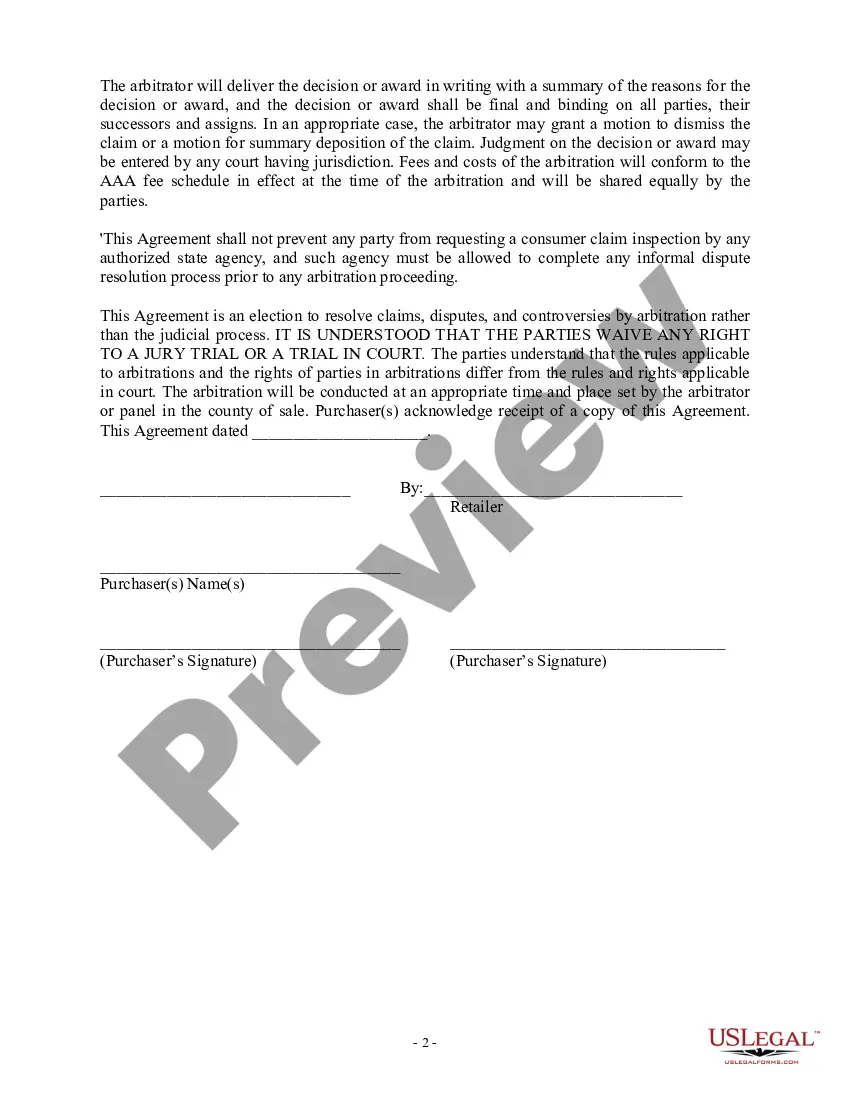
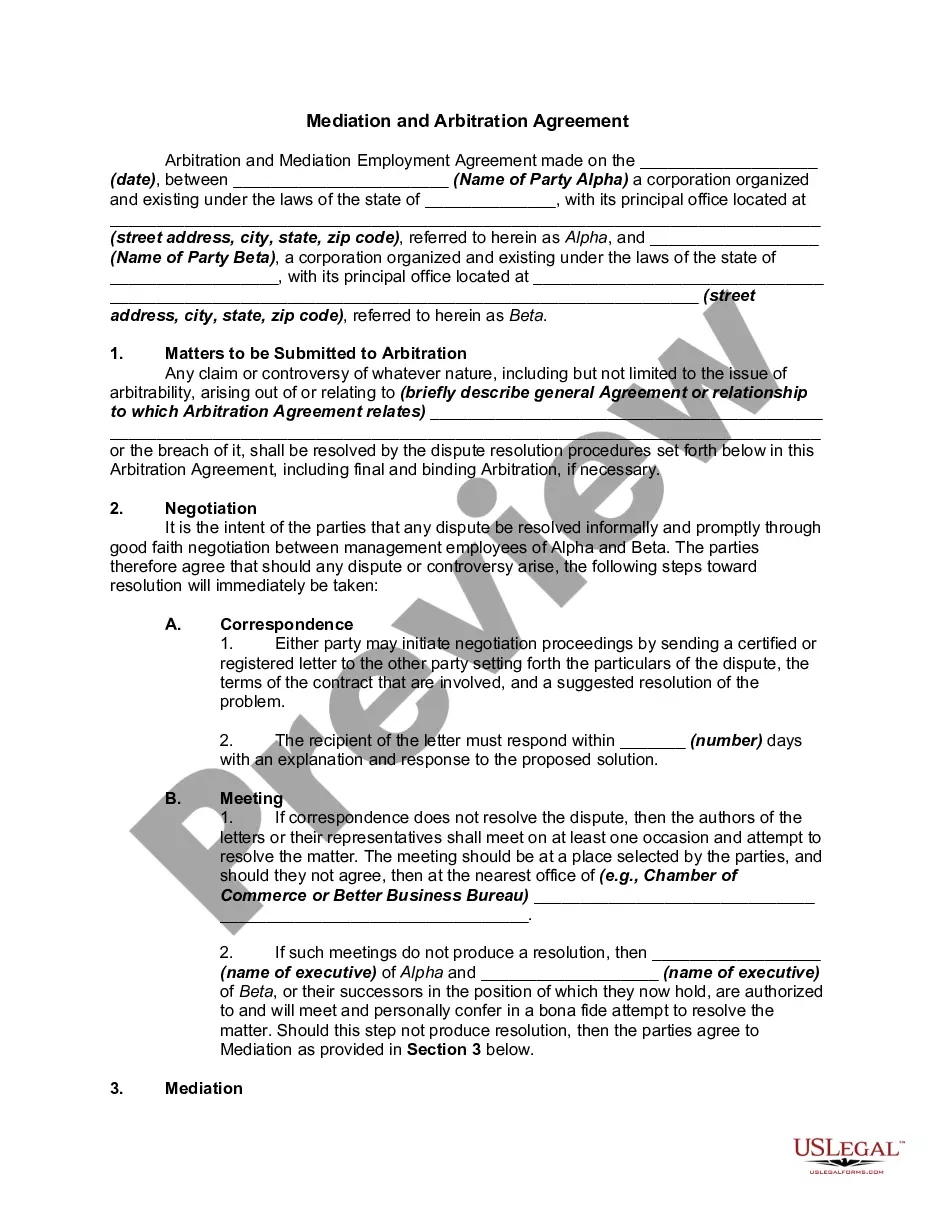

Get your form ready online
Our built-in tools help you complete, sign, share, and store your documents in one place.
Make edits, fill in missing information, and update formatting in US Legal Forms—just like you would in MS Word.
Download a copy, print it, send it by email, or mail it via USPS—whatever works best for your next step.
Sign and collect signatures with our SignNow integration. Send to multiple recipients, set reminders, and more. Go Premium to unlock E-Sign.
If this form requires notarization, complete it online through a secure video call—no need to meet a notary in person or wait for an appointment.
We protect your documents and personal data by following strict security and privacy standards.

Make edits, fill in missing information, and update formatting in US Legal Forms—just like you would in MS Word.

Download a copy, print it, send it by email, or mail it via USPS—whatever works best for your next step.

Sign and collect signatures with our SignNow integration. Send to multiple recipients, set reminders, and more. Go Premium to unlock E-Sign.

If this form requires notarization, complete it online through a secure video call—no need to meet a notary in person or wait for an appointment.

We protect your documents and personal data by following strict security and privacy standards.
Looking for another form?








Form popularity
FAQ
In arbitration, you don't have to have a lawyer represent you (unless state law requires it), but it's important to know that arbitration is a final and binding process that can affect your rights. So, if you are considering representing yourself, it's a good idea to talk to a lawyer.
Parties agree to utilize arbitration—and decide on the terms of the arbitration—in advance of any dispute. Arbitration may be voluntary (meaning that, if a dispute arises, the parties still have to agree to submit that dispute to arbitration) or mandatory (meaning the parties must submit their dispute to arbitration).
A legal practitioner, a candidate attorney or an individual entitled to represent the party at conciliation is allowed to represent a party at arbitration, unless the dispute being arbitrated is about dismissal for misconduct, ill-health, or poor performance (incapacity), or is referred in terms of section 69(5), 73 or ...
Arbitration is a procedure in which a dispute is submitted, by agreement of the parties, to one or more arbitrators who make a binding decision on the dispute. In choosing arbitration, the parties opt for a private dispute resolution procedure instead of going to court.
Arbitrators in Superior Court cases must, by law, be attorneys with a minimum of four years of active membership in the State Bar of Arizona.
A claimant will typically start arbitration by sending a document known as a “request for arbitration” or a “notice to arbitrate” to its opponent.
1 of Act 49 of 1996. A reference to arbitration shall not be permissible in respect of- (a) any matrimonial cause or any matter incidental to any such cause; or (b) any matter relating to status.
Many arbitration clauses work in favor of a large employer or manufacturer when challenged by an employee or consumer who does not understand how arbitration works. Although generally the arbitrator is required to follow the law, the standards used are not clear.
Arguments should flow easily from the relevant facts and applicable law. Avoid exaggerating the strengths of your case as well as disparaging the opposing side. Remember that professionalism and credibility are critical to persuasiveness.
In most cases, the party that started the arbitration initially by filing a claim will present their case first and the opposing party will then have an opportunity to present their defense, but the arbitrator will ultimately decide the order.
